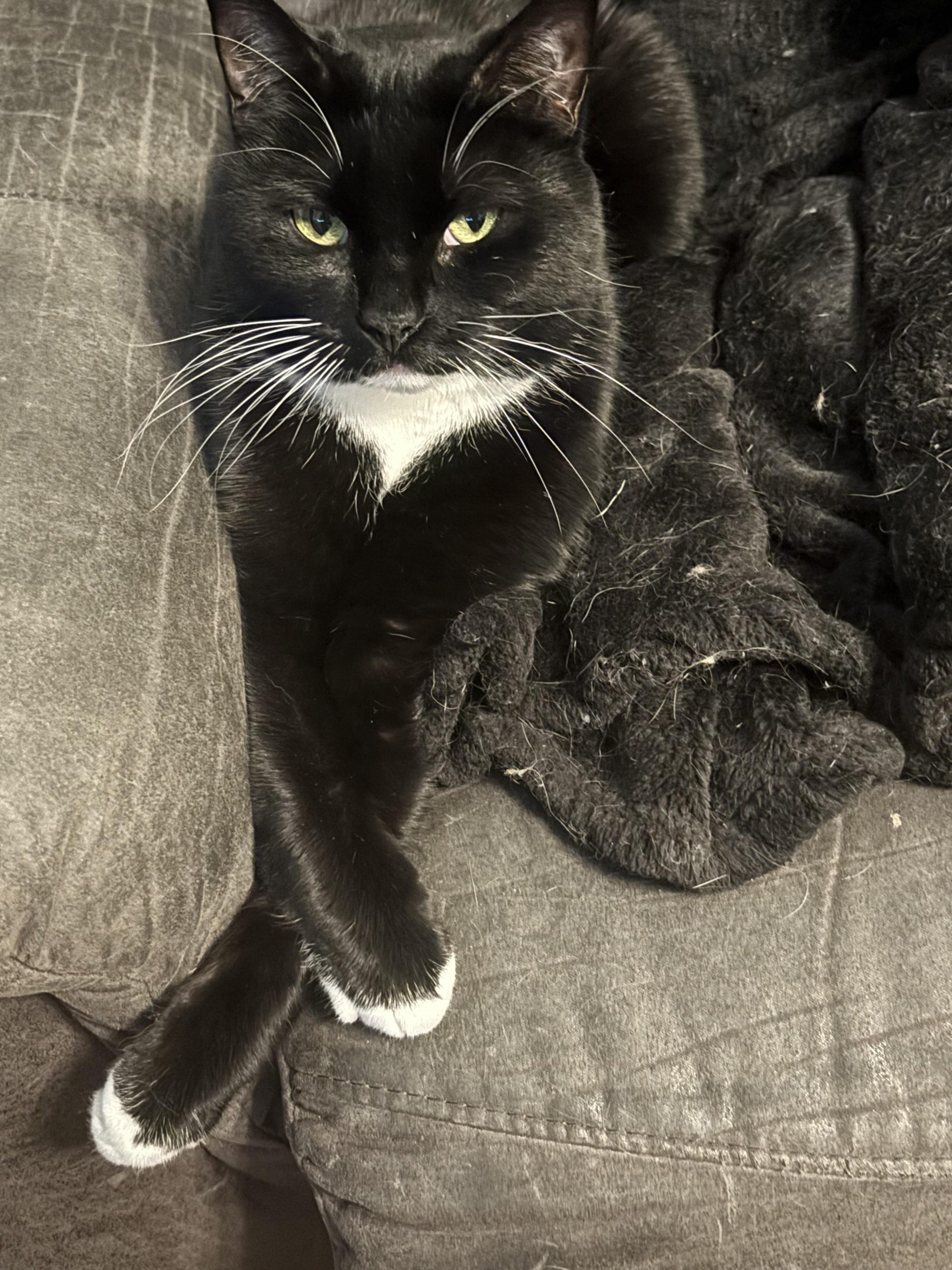
Have you ever watched your cat carefully nibble at its fur while grooming and wondered why they do it? It might seem strange or even a little worrying, but this simple act holds more meaning than you think.
Understanding why your cat nibbles its fur can help you connect with them better and ensure they stay healthy and happy. Keep reading to discover the surprising reasons behind this behavior and what it means for your furry friend.
Normal Grooming Behavior
Cats spend a good part of their day grooming. This behavior keeps them clean and healthy. Grooming helps remove dirt, loose fur, and parasites. It also cools them down and reduces stress. Nibbling their fur is a common part of this grooming routine. It might seem odd but it serves important purposes.
How Cats Groom Themselves
Cats use their tongues to groom their bodies. Their tongues have tiny, hook-like structures. These hooks catch loose fur and dirt easily. Cats also lick their paws and then rub their faces. This action cleans hard-to-reach spots. They use teeth gently to nibble tangled fur. Grooming is a precise and careful process.
Role Of Nibbling In Cleaning
Nibbling helps cats remove mats and stuck debris. It breaks apart fur that is tangled or dirty. Cats also nibble to remove fleas or bugs. This action supports thorough cleaning beyond licking. Nibbling can also soothe itchy or irritated skin. It is a natural part of keeping their coat healthy.
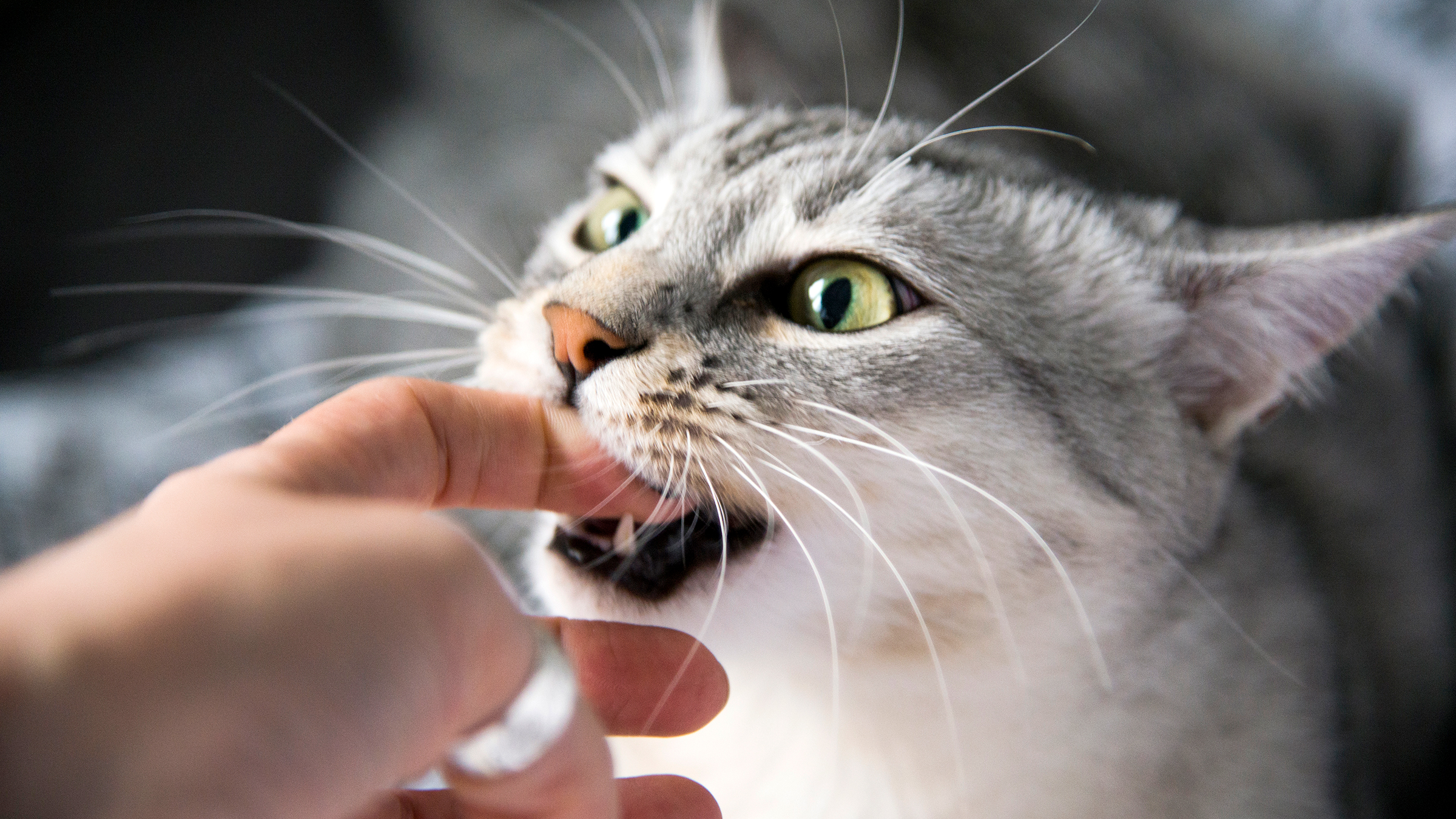
Credit: www.goodrx.com
Health-related Causes
Cats nibble their fur due to skin irritations or allergies. This behavior helps soothe discomfort and remove loose hair. Sometimes, underlying health issues cause this grooming habit to become excessive.
Cats are known for their meticulous grooming habits, but when they start nibbling their fur, it might raise concerns. While some nibbling is typical, excessive nibbling could signal underlying health issues. Being aware of health-related causes can help you address any potential problems early on.Skin Irritations And Allergies
Cats can suffer from skin irritations caused by environmental allergens or food sensitivities. You might notice your cat focusing on specific areas, nibbling more aggressively than usual. This could be their way of alleviating the itchiness or discomfort caused by these irritants. Monitor for redness, swelling, or scabs, which might indicate an allergic reaction. Consulting with a vet can help you identify the allergen and provide relief for your feline friend. Have you considered if your cat’s diet or surroundings might be contributing to their discomfort?Parasites And Fleas
Parasites like fleas are a common cause of excessive nibbling in cats. These pesky invaders cause intense itching, leading your cat to chew on their fur. Even indoor cats aren’t immune to flea infestations, so regular checks are essential. Look for flea dirt or tiny black specks in your cat’s fur as a sign of these unwanted guests. Using vet-recommended flea treatments can effectively eliminate the problem. How often do you check your cat for fleas, and is your prevention routine up-to-date?Pain Or Discomfort In Fur Area
Sometimes, cats nibble their fur due to pain or discomfort in a specific area. This could be due to an injury, a sore, or even an underlying medical condition. Cats are masters at hiding pain, making it crucial for you to be observant of any changes in their grooming behavior. If you notice your cat concentrating on a single spot repeatedly, it might be time for a closer look. Gently check the area for signs of swelling or tenderness, and consult your vet for further advice. Have you noticed any other changes in your cat’s behavior that might hint at discomfort?Emotional Triggers
Emotional triggers play a big role in why cats nibble their fur during grooming. Cats do not only groom to clean themselves. Their feelings also affect their grooming habits. Sometimes, nibbling can be a sign of deeper emotional issues. Understanding these triggers helps owners care better for their cats.
Stress And Anxiety Effects
Stress makes cats nibble more than usual. Loud noises, new pets, or changes at home can stress cats. Nibbling fur acts as a comfort behavior. It helps them feel calm for a short time. But constant nibbling may cause skin problems. Watching for stress signs can prevent serious issues.
Boredom And Attention-seeking
Bored cats often nibble their fur to pass time. Without enough play or mental stimulation, cats get restless. Nibbling becomes a way to entertain themselves. Sometimes, cats nibble to get their owner’s attention. They learn that nibbling brings reactions. Providing toys and interaction reduces this behavior.

Credit: www.feliway.co.uk
Behavioral Patterns
Cats nibbling their fur during grooming is more than just a cleaning habit; it reveals layers of their behavioral patterns. Understanding why they do this helps you see your cat’s emotional and physical state better. Their nibbling can indicate comfort, stress, or even a medical issue.
Overgrooming And Compulsive Actions
Sometimes, your cat’s nibbling turns into overgrooming, where they focus intensely on one spot. This behavior can become compulsive, meaning your cat feels an uncontrollable urge to keep nibbling. It often happens when they are stressed or anxious.
You might notice bald patches or irritated skin from constant nibbling. This is a clear sign that your cat is struggling emotionally or physically. Have you ever seen your cat licking or nibbling so much that it looks painful? That’s overgrooming in action.
Addressing this means paying attention to your cat’s environment and routine. Simple changes like more playtime, calm surroundings, or even consulting a vet can help reduce these compulsive actions.
Habit Formation And Reinforcement
Nibbling can also become a habit reinforced by positive feelings. When your cat grooms, it releases endorphins, making them feel good. Over time, nibbling their fur becomes a comforting routine.
Think about how you might bite your nails when nervous; cats have similar self-soothing habits. Once this behavior starts, it’s easy for your cat to repeat it without realizing why. Understanding this can help you decide if the nibbling is harmless or needs attention.
Encourage other activities that provide comfort and distraction. Try introducing new toys or interactive play sessions to replace or reduce the nibbling habit. Could a small change in your cat’s daily life stop the nibbling before it becomes a bigger problem?
Environmental Influences
Environmental influences play a significant role in why cats nibble their fur during grooming. Your cat’s surroundings can impact its behavior more than you might expect. By understanding these factors, you can better support your furry friend’s comfort and well-being.
Changes In Surroundings
Have you noticed your cat nibbling more after moving to a new home or rearranging furniture? Cats are sensitive to changes in their environment, which can cause stress or anxiety. This stress often shows through increased grooming or fur nibbling as a way to self-soothe.
Even small changes like new scents, unfamiliar noises, or different lighting can trigger this behavior. If your cat seems restless, try to maintain a consistent routine and create cozy, safe spaces. These small adjustments help reduce stress and may decrease excessive nibbling.
Impact Of Other Pets
Introducing a new pet can disrupt your cat’s sense of security. You might see your cat nibbling its fur more as it tries to cope with the new social dynamics. This behavior can be a response to feeling threatened or uncertain about sharing territory.
Pay attention to how your cat interacts with other pets. If you notice increased fur nibbling, provide separate spaces and gradual introductions. Encouraging positive interactions and giving your cat its own quiet area can ease tension and reduce the urge to nibble.
When To Seek Veterinary Help
Knowing when to seek veterinary help is crucial if your cat’s nibbling behavior moves from normal grooming to something potentially harmful. Cats nibble their fur to keep clean, but excessive nibbling can signal underlying health or stress issues. Recognizing the warning signs early can save your feline friend from discomfort and more serious problems.
Signs Of Excessive Nibbling
Watch for bald patches or red, irritated skin where your cat frequently nibbles. You might notice scabs, bleeding, or a strong odor, which are signs of infection or skin damage. If your cat spends hours grooming the same spot or seems restless and anxious, these behaviors could indicate distress or pain.
Have you noticed your cat licking or nibbling more after a change in their environment, like moving to a new home or a new pet? Such changes can trigger anxiety, causing over-grooming. Keep an eye on your cat’s habits, especially if the nibbling worsens or spreads to multiple areas.
Treatment Options
Treatment depends on the cause of the excessive nibbling. Your vet might suggest allergy testing if they suspect skin allergies or prescribe medication to manage parasites like fleas. Sometimes, a simple change in diet or adding supplements can improve skin health and reduce itching.
If stress or anxiety triggers the behavior, environmental enrichment and calming products can help. Think about adding interactive toys, regular play sessions, or pheromone diffusers to your home. In some cases, your vet may recommend behavioral therapy or medication to ease anxiety.
Don’t hesitate to reach out to your veterinarian if you notice these signs. Early intervention can prevent more serious health issues and help your cat feel comfortable and happy again.

Credit: www.catsessentials.com
Frequently Asked Questions
Why Do Cats Nibble Their Fur While Grooming?
Cats nibble their fur to remove dirt, loose hair, and parasites. This behavior helps keep their coat clean and healthy. It also stimulates skin and improves blood circulation, promoting overall grooming efficiency.
Is Fur Nibbling A Sign Of Stress In Cats?
Yes, excessive fur nibbling can indicate stress or anxiety. Cats may overgroom when feeling nervous or bored. If persistent, it’s best to consult a vet to rule out behavioral or medical issues.
Can Nibbling Cause Harm To A Cat’s Skin?
Frequent nibbling can irritate skin and cause bald patches or sores. It’s important to monitor your cat’s grooming habits. If you notice damage, seek advice from a veterinarian to prevent infections.
How Does Fur Nibbling Help With Parasite Control?
Nibbling helps cats remove fleas, ticks, and other parasites embedded in their fur. This self-grooming is a natural defense to maintain hygiene and comfort. Regular vet checks ensure effective parasite prevention.
Conclusion
Cats nibble their fur to keep clean and healthy. This behavior helps remove dirt and loose hair. It also feels good and calms them down. Sometimes, cats nibble more if they feel stressed or itchy. Watching your cat groom shows their natural care habits.
Understanding why cats nibble fur helps you care for them better. Keep their coat clean and check for skin problems. Healthy grooming means a happy, comfortable cat in your home.

Leave a Reply