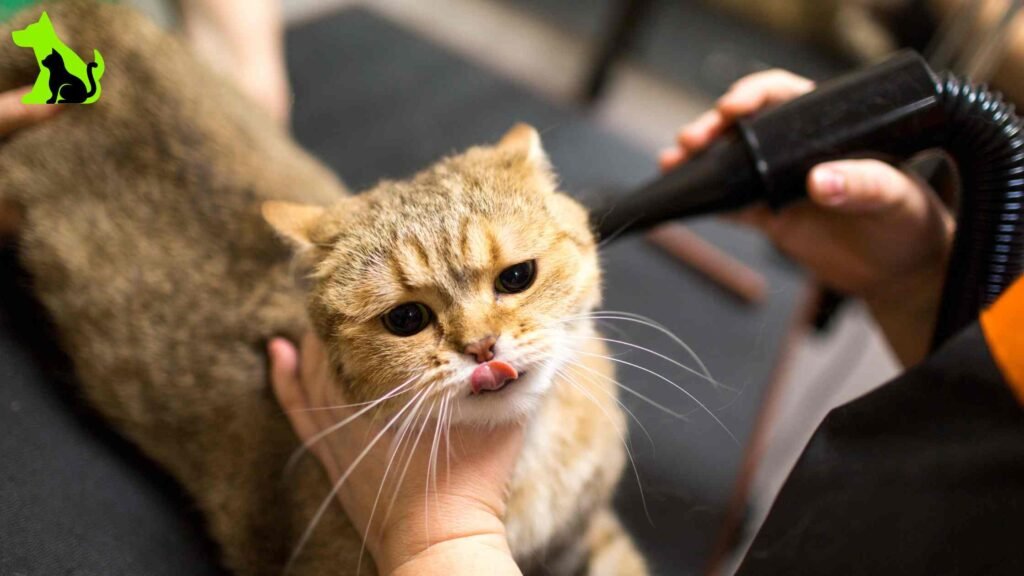
Have you noticed your cat isn’t grooming himself like he used to? It’s natural to feel concerned when your furry friend suddenly stops cleaning his fur.
Grooming is more than just keeping a cat looking good—it’s a key part of their health and happiness. When your cat skips this important habit, it could be a sign that something is wrong. You’ll discover the surprising reasons why your cat may not be grooming himself and what you can do to help him feel better.
Keep reading to learn how to spot the signs and support your cat’s well-being.
Credit: www.catsmeowresort.com
Signs Of Poor Grooming
Noticing that your cat isn’t grooming himself as usual can be worrying. Cats are usually meticulous about keeping their fur clean and tidy. When this behavior changes, it’s a clear sign something might be wrong.
Changes In Coat Appearance
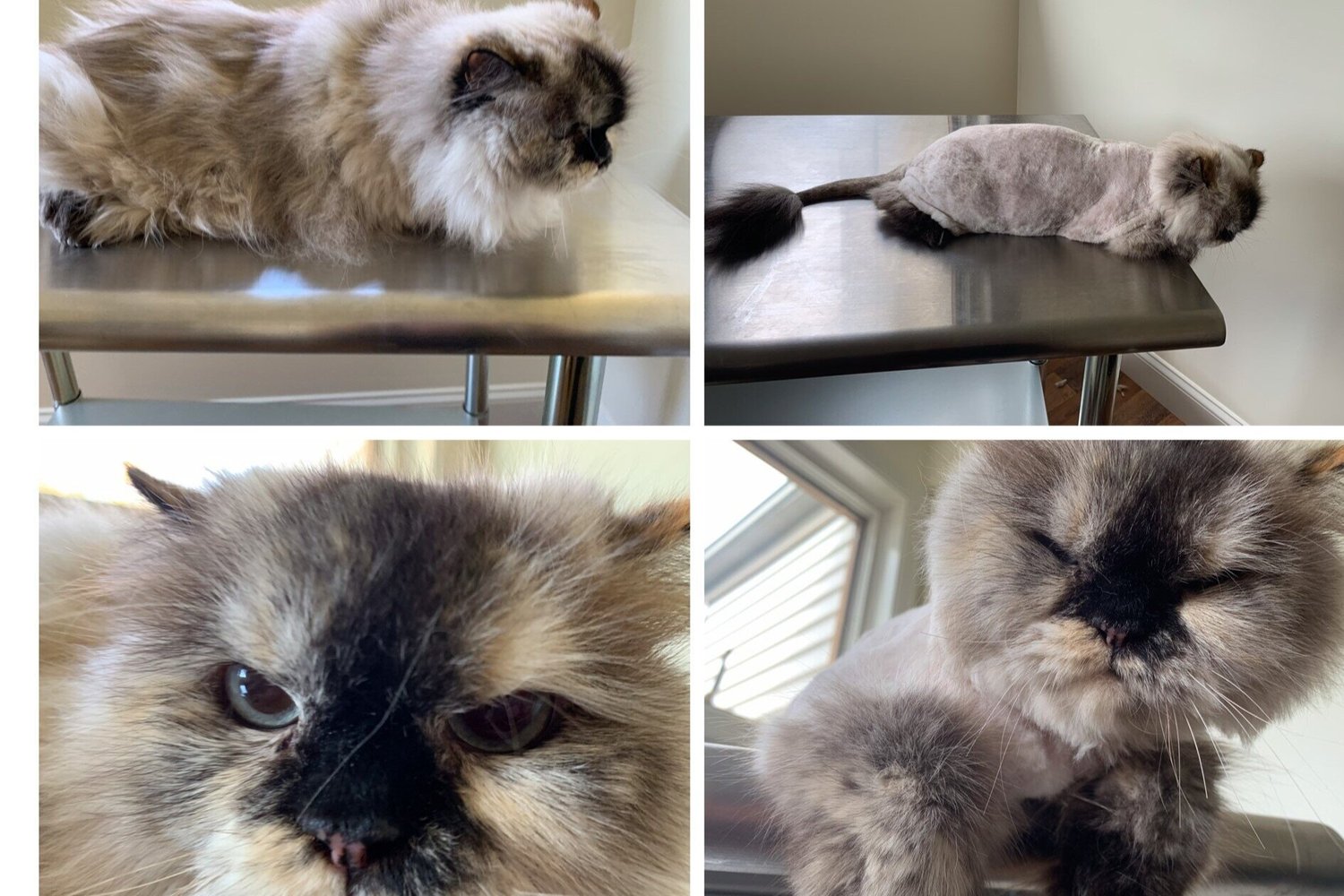
A dull, matted, or greasy coat often signals poor grooming. You might spot clumps of fur sticking together or patches where fur is missing. If your cat’s coat looks different, ask yourself: Is it less shiny or softer than before?
Sometimes, cats develop dandruff or flaky skin when they stop grooming properly. These visible changes can hint at underlying health issues or discomfort. Keep an eye out for unusual odors coming from their fur too.
Behavioral Clues
Your cat’s behavior can reveal grooming problems before you see physical signs. Watch for reluctance to clean themselves or spending less time licking. Does your cat seem lethargic or hide more often?
Stress or pain might cause your cat to stop grooming. If you notice excessive scratching or biting at certain areas, it could mean irritation or injury. Ask yourself if your cat is eating and drinking normally, as this affects grooming habits too.
Health Indicators
Poor grooming often links to medical conditions. Arthritis can make it painful for cats to reach certain parts of their body. Dental problems might reduce their desire to clean themselves due to discomfort.
Illnesses like skin infections, parasites, or hormonal imbalances also disrupt grooming routines. If your cat’s grooming has declined, consider scheduling a vet checkup. Early diagnosis can prevent more serious complications.
Common Causes
When your cat stops grooming, it’s often a sign that something isn’t quite right. Cats are naturally clean animals, so a sudden change in their grooming habits can point to underlying issues. Understanding the common causes can help you spot problems early and ensure your cat stays healthy and comfortable.
Medical Conditions
Health problems can make grooming difficult or unpleasant for your cat. Skin infections, allergies, or parasites like fleas can cause itching and irritation, making your cat avoid grooming certain areas.
Internal illnesses such as kidney disease or diabetes may also reduce their energy levels, leading to less self-care. Have you noticed any unusual bald patches or sores on your cat’s fur? These could be signs that a vet visit is needed.
Pain And Discomfort
Pain is a major reason cats stop grooming themselves. Arthritis or injuries can make bending and reaching painful, especially in older cats.
If your cat suddenly stops cleaning their hind legs or back, it might be trying to avoid hurting itself. Watching your cat’s movements closely can help you spot signs of discomfort early on.
Stress And Anxiety
Cats often change their grooming habits when they feel stressed or anxious. Moving to a new home, loud noises, or changes in their environment can trigger this behavior.
Sometimes, a stressed cat may groom excessively in some areas but neglect others entirely. Do you know what might be causing your cat’s stress? Finding and reducing these triggers can help restore their grooming routine.
Age-related Factors
As cats get older, grooming can become harder for them. Reduced flexibility and weaker muscles make it challenging to reach certain spots.
Older cats may also lose interest in grooming as their energy levels drop. Have you noticed your senior cat’s coat looking dull or matted? Regular brushing by you can make a big difference in their comfort and appearance.
Medical Issues Affecting Grooming
Cats may stop grooming due to pain or illness. Conditions like arthritis or dental problems can make cleaning uncomfortable. Changes in behavior might signal health issues needing a vet’s attention.
Cats are known for their meticulous grooming habits, spending hours each day keeping themselves clean. So, if your feline friend suddenly stops grooming, it can be a cause for concern. Various medical issues can interfere with a cat’s ability to groom, and understanding these can help you take appropriate action. Let’s dive into some specific health problems that might be affecting your cat’s grooming routine.Skin Infections And Parasites
Skin infections and parasites like fleas and mites can make grooming uncomfortable for your cat. If your cat is scratching excessively or has visible skin irritation, these could be signs of an issue. Regular vet check-ups and treatments can help keep your cat’s skin healthy and free from parasites.Dental Problems
Dental issues can also deter your cat from grooming. Painful teeth or gums might make it uncomfortable for them to use their mouth effectively during grooming. If you notice your cat has bad breath or is reluctant to eat, a dental check might be in order.Arthritis And Mobility
Arthritis or joint pain can make it difficult for your cat to reach certain areas of their body. This can lead to mats in their fur or an unkempt appearance. Consider how an older cat might struggle with stiffness, just like we do as we age. Providing supportive bedding and consulting with your vet can help alleviate their discomfort.Other Illnesses
Various other illnesses, such as diabetes or kidney disease, can affect your cat’s grooming habits. These illnesses can drain your cat’s energy, making them less inclined to groom. If your cat seems lethargic or shows any other signs of illness, a vet visit is essential. Have you noticed any changes in your cat’s behavior lately? Addressing these medical issues promptly can help your furry friend feel better and get back to their regular grooming routine. Remember, you know your pet best, and your vigilance can make all the difference.Behavioral And Environmental Factors
Behavioral and environmental factors play a big role in your cat’s grooming habits. Changes around your cat can cause stress or confusion, leading them to stop cleaning themselves. Understanding these factors can help you spot what’s bothering your feline friend and find ways to encourage their grooming again.
Changes In Routine
Cats thrive on consistency. If you recently moved furniture, changed feeding times, or altered daily patterns, your cat might feel unsettled. This disruption can make them less interested in grooming as they focus on adjusting to the new normal.
Think about when your cat last stopped grooming. Did something in their day-to-day life change around that time? Even small shifts can have a big impact.
New Pets Or Family Members
Introducing a new pet or family member can trigger anxiety in cats. Your cat might feel threatened or less secure in their space, which can lead to reduced grooming. They might also spend more time hiding or watching the newcomer instead of caring for themselves.
Observe how your cat interacts with new arrivals. Do they seem tense or withdrawn? Helping your cat feel safe and reestablishing their territory can encourage them to groom again.
Lack Of Stimulation
Boredom and lack of mental or physical activity can cause your cat to neglect grooming. Cats need playtime and engagement to stay happy and healthy. Without stimulation, they might become lethargic and uninterested in self-care.
Try adding interactive toys, puzzle feeders, or even short play sessions to your cat’s day. Have you noticed if your cat’s grooming improves with more activity?
Steps To Encourage Grooming
Encouraging a cat to groom itself can improve its health and happiness. Cats stop grooming for many reasons. Some may feel pain, stress, or illness. Helping your cat return to normal grooming requires patience and care.
Understanding simple steps can make grooming easier for your cat. These steps support your cat’s well-being and comfort. They also help you spot problems early.
Regular Vet Checkups
Schedule vet visits to catch health issues early. Vets check for skin problems, infections, and pain. Regular exams help keep your cat in top shape. Early treatment can make grooming easier and less painful.
Pain Management
Pain can stop cats from grooming themselves. Arthritis and injuries are common causes. Talk to your vet about pain relief options. Managing pain helps your cat feel better. A comfortable cat grooms more often.
Stress Reduction Techniques
Stress affects a cat’s grooming habits. Loud noises, new pets, or changes can cause stress. Create a calm space with quiet and soft bedding. Use pheromone sprays or diffusers to soothe your cat. Gentle play and routine help reduce anxiety.
Grooming Assistance Tips
- Brush your cat gently to remove loose fur.
- Use a soft brush made for cats.
- Check for mats and tangles, and carefully untangle them.
- Trim nails to prevent discomfort during grooming.
- Offer treats and praise to make grooming positive.
- Keep grooming sessions short and calm to avoid stress.
)
Credit: www.northroadvet.com.au
When To Seek Veterinary Help
Noticing your cat isn’t grooming itself can be worrying. Grooming is a natural behavior that keeps cats clean and healthy. Sometimes, a lack of grooming signals an underlying health issue that needs prompt attention from a vet.
Warning Signs
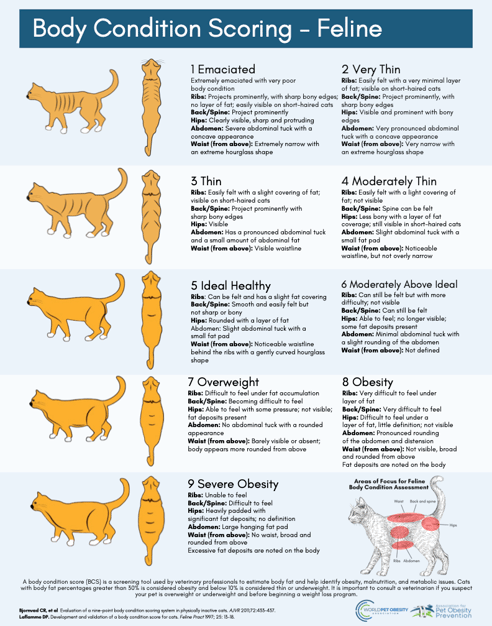
Look for changes beyond just a messy coat. Is your cat hiding, limping, or showing signs of pain? Notice if there’s hair loss, skin redness, or unusual lumps.
Also, pay attention if your cat stops eating or becomes lethargic. These signs often indicate discomfort or illness affecting grooming habits.
What To Expect At The Vet
Your vet will start with a thorough physical exam, checking skin, fur, and overall body condition. They may ask about your cat’s behavior, diet, and any recent changes at home.
Tests like blood work, skin scrapings, or X-rays might be needed to pinpoint issues like infections, arthritis, or other conditions. Be ready to provide detailed observations—you know your cat best.
Follow-up Care
After diagnosis, your vet will guide you on treatment and care routines. This could include medication, special diets, or grooming assistance.
Monitor your cat closely and keep in touch with your vet if symptoms persist or worsen. Small daily actions can help your cat return to its healthy grooming habits faster.
Credit: www.preventivevet.com
Frequently Asked Questions
Why Is My Cat Suddenly Not Grooming Himself?
Cats may stop grooming due to illness, pain, or stress. Health issues like arthritis or dental problems can cause discomfort. Stress from changes in environment or routine also affects grooming habits. Consult a vet to identify and treat the underlying cause promptly.
Can Poor Grooming Indicate Health Problems In Cats?
Yes, poor grooming often signals health problems. It can indicate skin infections, parasites, or chronic illnesses. Grooming requires energy, so lethargic cats may neglect it. Early vet visits help diagnose and treat these issues, ensuring your cat’s well-being.
How Does Stress Affect A Cat’s Grooming Habits?
Stress can reduce grooming as cats feel anxious or unsafe. Changes in environment, new pets, or loud noises increase stress. This leads to neglect of self-care routines like grooming. Providing a calm, stable environment helps cats resume normal grooming behaviors.
What Medical Conditions Cause Cats To Stop Grooming?
Arthritis, dental pain, obesity, and skin diseases commonly cause grooming cessation. These conditions cause discomfort or limit mobility, making grooming difficult. Early diagnosis and treatment by a veterinarian improve your cat’s comfort and restore grooming habits.
Conclusion
Cats stop grooming for many reasons. Health problems, stress, or old age can cause this change. Watch your cat closely and note any other signs. Taking your cat to the vet can help find the cause. Helping your cat feel safe and comfortable is important too.
Regular grooming by you can also support their health. Remember, early action can make a big difference in your cat’s well-being. Don’t ignore changes in your cat’s grooming habits. Your care matters a lot to your furry friend.

Leave a Reply