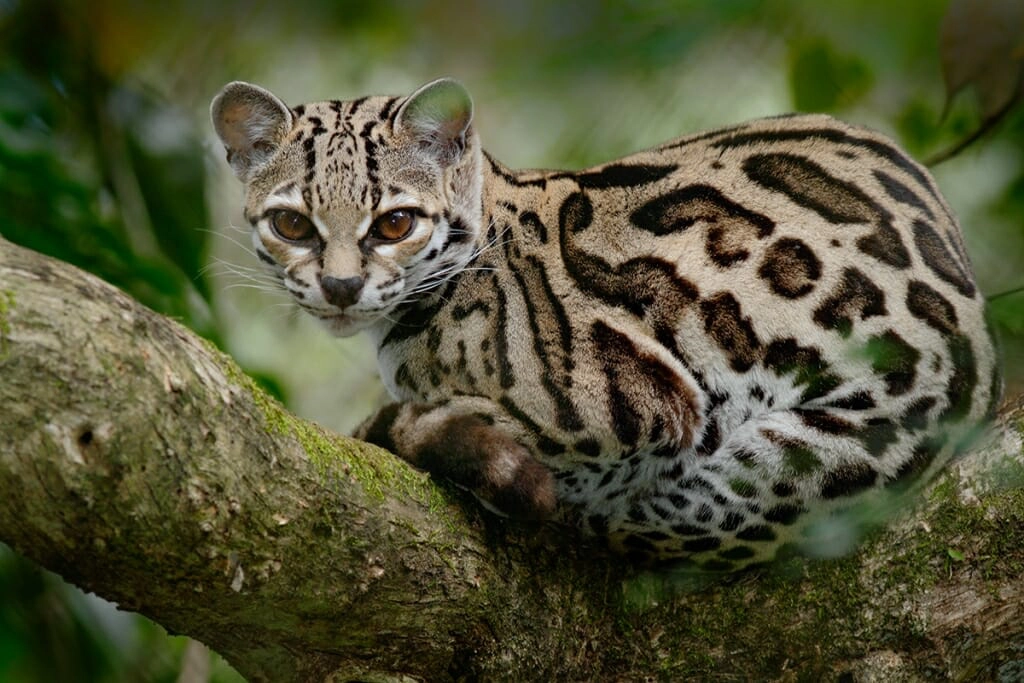
Have you ever wondered just how many different cat breeds exist? Whether you’re thinking about adding a furry friend to your home or simply curious about these fascinating animals, knowing the variety of cat breeds can help you understand their unique personalities and looks.
In 2019, the world of cats is more diverse than ever, with breeds ranging from the sleek and elegant to the fluffy and playful. Keep reading to discover the exact number of cat breeds recognized that year and what makes each one special—you might find the perfect match for your lifestyle!

Credit: pet-tags.co.uk
Cat Breed Counts In 2019
The number of cat breeds recognized worldwide varies widely. In 2019, the count depended on the organization defining the breeds. Different cat registries have their own criteria for recognition. This causes differences in the total number of recognized breeds. Understanding these numbers helps cat lovers appreciate the diversity of feline types.
Global Breed Recognition
Worldwide, cat breeds range from a few dozen to over seventy. Some countries recognize unique local breeds. These breeds may not appear on global lists. Breed recognition often reflects cultural and regional preferences. The global variety shows how cats adapt to many environments.
Major Cat Registries
Several main organizations keep official breed lists. The Cat Fanciers’ Association (CFA) recognizes about 44 breeds. The International Cat Association (TICA) lists over 70 breeds. The Fédération Internationale Féline (FIFe) recognizes around 48 breeds. Each registry has different standards and rules. These differences affect how many breeds they accept.
Variations In Breed Numbers
Breed counts change due to new breeds and reclassifications. Some breeds are newly developed and gaining recognition. Others merge with existing breeds or split into subtypes. The criteria for breed acceptance vary widely. Some registries focus on appearance, others on genetics or history.
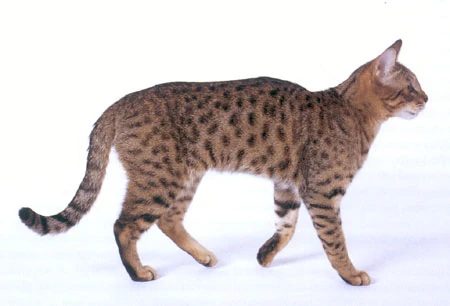
Credit: cats.fandom.com
Popular Cat Breeds
When you look around, cats come in so many shapes and personalities that it’s easy to wonder just how many breeds exist. In 2019, experts recognized a diverse range of cat breeds, each with unique traits that appeal to different cat lovers. Understanding popular breeds can help you find the perfect feline companion that fits your lifestyle and preferences.
Top Domestic Breeds
Domestic cats often steal the spotlight because they are familiar and accessible. Breeds like the American Shorthairand British Shorthairare beloved for their friendly nature and adaptability. If you prefer a more playful and vocal cat, the Siamesemight catch your eye with its striking blue eyes and social personality.
These breeds are great choices if you want a cat that easily adjusts to family life or apartment living. Have you noticed how some cats instantly make you feel at ease? That’s the magic of these popular domestic breeds.
Exotic And Rare Breeds
Some cat breeds are less common and have unique features that set them apart. The Sphynx, known for its hairless body, surprises many with its warm and affectionate behavior despite its unusual look. Then there’s the Bengal, which sports a wild, leopard-like coat that can add a touch of the exotic to your home.
Rare breeds often require extra care or specific environments. Are you ready to meet the challenge of caring for a less traditional cat? These breeds could be your perfect match if you want something truly distinctive.
Breed Characteristics
Each breed comes with its own set of traits that influence behavior, grooming needs, and health. For example, Persian cats need regular grooming to keep their long fur healthy, while the short-haired Russian Blue is low-maintenance. Temperament varies too—some breeds are independent, others crave constant attention.
Knowing these characteristics helps you decide what fits your daily routine and personality. Would you prefer a calm companion or an energetic playmate? Choosing a breed aligned with your lifestyle makes living with a cat more rewarding.
Breed Classification Criteria
Cat breed classification depends on traits like size, coat, color, and behavior. Different cat organizations list varying numbers of breeds. In 2019, recognized breeds ranged from about 40 to over 70 worldwide.
Understanding the criteria for classifying cat breeds can feel like peering into the world of a feline connoisseur. Each breed is distinct, defined by a set of unique characteristics. Whether you’re a seasoned cat enthusiast or a curious newbie, grasping these criteria can enrich your appreciation for these elegant creatures.Physical Traits
Physical traits are among the most visible indicators of a cat’s breed. Consider the Persian’s luxurious coat or the Sphynx’s lack thereof. Body size, ear shape, and tail length also play crucial roles. Have you ever noticed how some cats have strikingly different facial structures? The flat face of a British Shorthair contrasts sharply with the angular features of a Siamese. Such traits serve as quick identifiers for many breeds.Genetic Factors
Genetic factors offer a deeper dive into breed classification. They are the invisible strings that tie a cat to its lineage. These factors can determine health predispositions and life expectancy. It’s fascinating how certain breeds, like the Maine Coon, have specific genetic markers. These markers can sometimes even predict personality traits. Isn’t it intriguing how genetics weaves the story of a cat’s ancestry?Behavioral Aspects
Behavioral aspects add another layer to understanding cat breeds. Some cats, like the Ragdoll, are known for their docile nature. Others, such as the Bengal, are renowned for their energetic antics. Have you ever wondered why some cats are more vocal than others? The Siamese, for instance, are famous for their chatty demeanor. Recognizing these behavioral nuances can help you find a breed that matches your lifestyle. In the rich tapestry of cat breeds, each thread—be it physical, genetic, or behavioral—contributes to a fascinating portrait. Which aspect of breed classification intrigues you the most?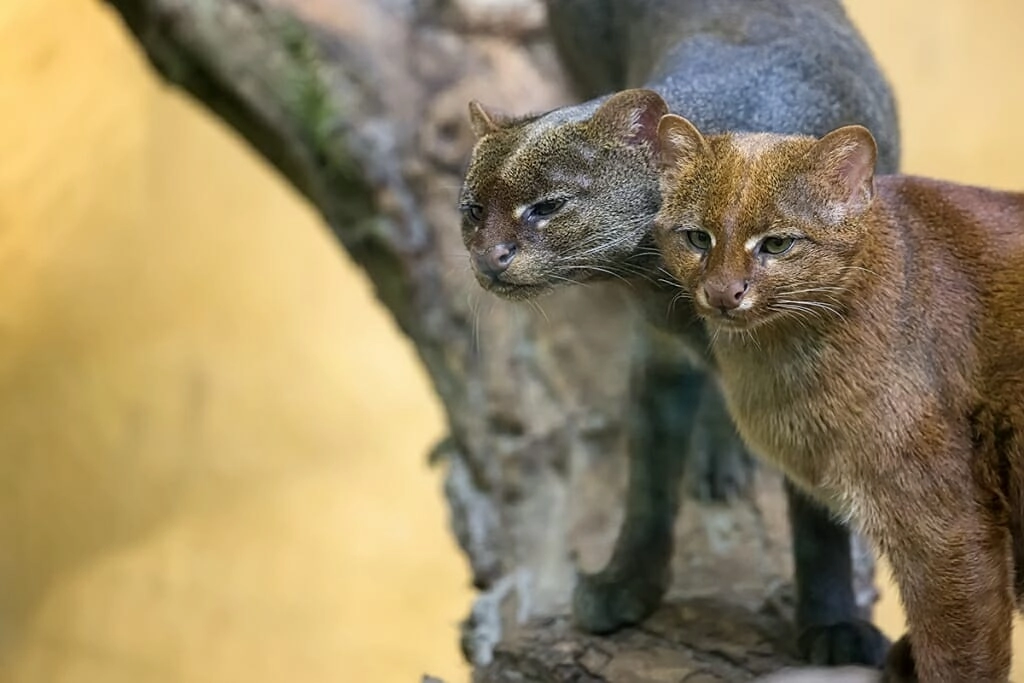
Credit: www.thewildlifediaries.com
How Breeds Are Developed
Understanding how cat breeds develop helps you appreciate the diversity you see today. Breeds don’t just appear overnight; they evolve through specific processes that shape their unique traits. Knowing these processes gives you insight into why certain cats look and behave the way they do.
Selective Breeding
Selective breeding is a deliberate process where breeders choose cats with specific traits to mate. These traits can include coat color, pattern, personality, or even health characteristics. Over time, this focused breeding creates a stable breed with predictable features.
Imagine wanting a cat with bright blue eyes and a silky coat. Breeders will pair cats that show these traits repeatedly to increase the chances of kittens inheriting them. This process can take many generations and requires patience and careful record-keeping.
Natural Variations
Not all breeds start from intentional breeding. Sometimes, natural variations in wild or domestic cat populations lead to unique traits. These cats adapt to their environments, developing characteristics that eventually catch the attention of breeders or cat enthusiasts.
Take the Maine Coon, for example. This breed originated from cats living in the wild in the northeastern U.S., adapting to cold weather with thick fur and large size. Their natural traits became the foundation for the breed recognized today.
Crossbreeding Impact
Crossbreeding combines traits from two different breeds to create new and exciting variations. This method can introduce new colors, patterns, or temperaments that weren’t common before. However, it also requires careful management to maintain healthy genetics.
Consider the Bengal cat, developed by crossing domestic cats with Asian leopard cats. The result is a striking coat pattern and energetic personality. Crossbreeding can surprise you with possibilities, but it also raises questions about preserving breed standards and health.
Breed Recognition Challenges
Understanding how many cat breeds exist is trickier than it seems. Recognition of breeds varies widely, causing confusion for cat lovers and breeders alike. Let’s look at the challenges that make breed counting a moving target.
Disputed Breeds
Not every breed is universally accepted. Some cat types spark debate among experts because their traits overlap with other breeds or aren’t well defined. Have you ever wondered why a cat that looks unique might not be officially recognized?
For instance, the American Wirehair is recognized by some registries but questioned by others due to its rare, curly coat. These disputes mean you might find different breed lists depending on where you look.
Emerging Breeds
New breeds pop up as breeders experiment with traits and genetics. These emerging breeds often take years or even decades to gain official recognition. Meanwhile, they can be popular in certain circles but invisible in others.
Think about the Lykoi, sometimes called the “werewolf cat.” It caught attention quickly but only a few registries have accepted it so far. When you meet a new breed, ask yourself if it’s officially recognized or still finding its place.
Registry Differences
Different cat registries have their own standards and rules for recognizing breeds. The Cat Fanciers’ Association (CFA) and The International Cat Association (TICA) often list different breeds. This leads to inconsistent breed counts depending on which registry you consult.
Here’s a quick comparison:
| Registry | Number of Recognized Breeds (2019) | Unique Breed Examples |
|---|---|---|
| CFA | 44 | Singapura, Havana Brown |
| TICA | 73 | Lykoi, Kurilian Bobtail |
Which registry do you trust more? Your choice impacts how many breeds you believe exist. Understanding these differences helps you see why breed counts vary so much.
Resources For Cat Breed Information
Finding reliable resources on cat breeds helps you understand their traits and care needs. Trusted sources provide accurate and up-to-date breed details. They guide you in choosing the right cat for your home.
Explore various platforms that catalog breeds with photos and descriptions. These resources cover standard breeds and rare varieties. They offer insights on breed origins, personalities, and health issues.
Official Cat Associations
Official cat associations register and recognize cat breeds worldwide. They maintain breed standards and host cat shows. These groups offer detailed breed profiles and updates on breed recognition.
- The Cat Fanciers’ Association (CFA) is a major authority on cat breeds.
- The International Cat Association (TICA) registers many breeds globally.
- The Fédération Internationale Féline (FIFe) focuses on European breeds and standards.
Online Breed Databases
Online databases provide easy access to extensive breed information. They often include photos, history, and care tips. Many sites allow users to compare breeds side by side.
- Cat Fanciers’ Association website offers a searchable breed list.
- The International Cat Care site features breed facts and health advice.
- PetMD and other pet health sites include breed-specific articles.
Books And Guides
Books give in-depth knowledge about cat breeds and their traits. They often include photos and breed histories. Guides are handy for readers wanting detailed and organized info.
- “The Complete Cat Breed Book” covers many breeds with clear images.
- “Cat Breeds of the World” offers detailed breed descriptions and care tips.
- Field guides focus on breed identification and characteristics.
Frequently Asked Questions
How Many Cat Breeds Existed In 2019?
In 2019, there were about 70 to 75 recognized cat breeds worldwide. This number varies by cat associations and standards.
Which Cat Breed Was Most Popular In 2019?
The Persian cat remained one of the most popular breeds in 2019 due to its luxurious coat and calm nature.
How Are New Cat Breeds Recognized?
New cat breeds are recognized by cat associations after meeting specific criteria, including genetic stability and breed standards.
Did Any New Cat Breeds Appear In 2019?
Yes, a few new breeds gained recognition in 2019, reflecting ongoing breeding efforts and genetic research in felines.
Conclusion
Cats come in many breeds, each with its own charm. Over 70 recognized breeds existed in 2019. Each breed has unique looks and traits. Choosing a cat depends on your lifestyle and preferences. Knowing the breeds helps find the perfect pet for you.
Cats bring joy and comfort to many homes. Exploring breeds can be fun and informative. Keep learning about cats to appreciate their diversity. Enjoy discovering the wonderful world of cat breeds.



Leave a Reply