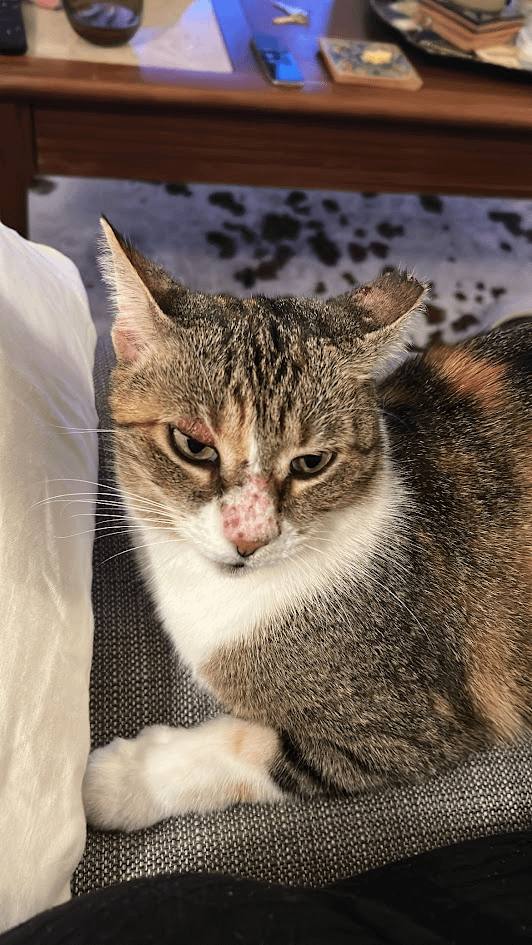
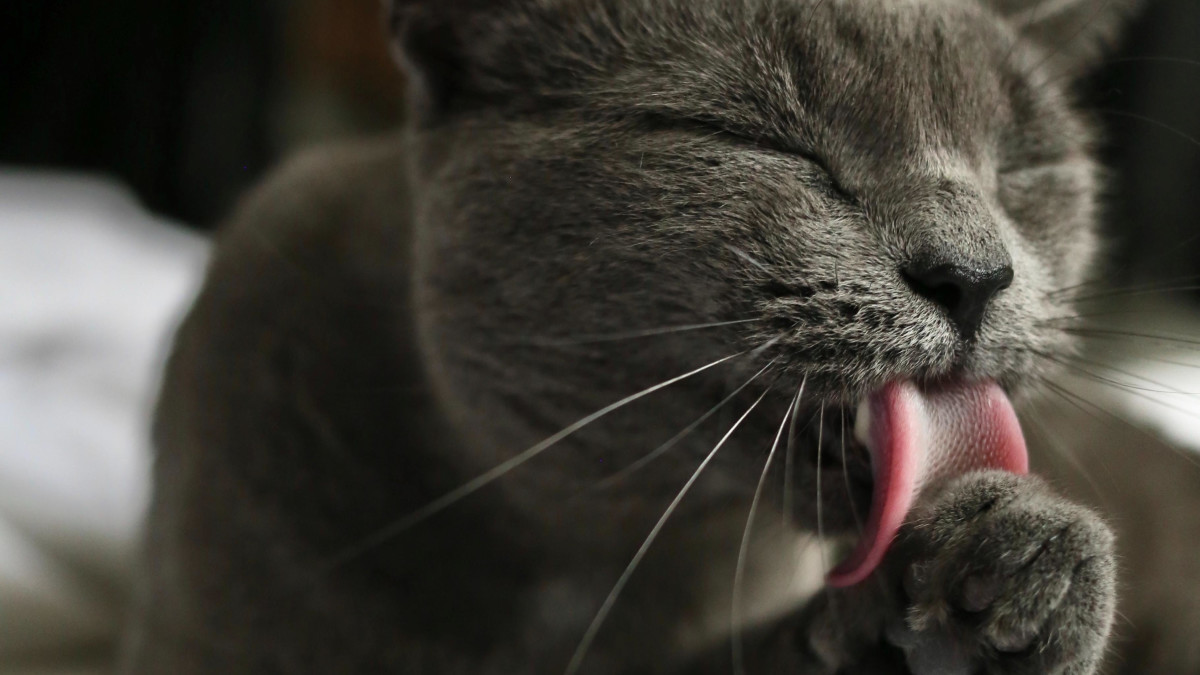
Have you noticed your cat spending more time licking herself than usual? It might seem like normal grooming, but when your furry friend over grooms, it can be a sign something’s wrong.
You’re probably worried and wondering, “Why is my cat over grooming herself? ” Understanding the reasons behind this behavior can help you keep your cat happy and healthy. Keep reading to discover what’s causing this and how you can help your beloved pet feel better.
Signs Of Over Grooming
Over grooming in cats can signal underlying problems. It is important to recognize signs early. These signs help identify if your cat needs help. Understanding these signs makes care easier and more effective.
Common Symptoms
- Excessive licking or chewing of fur
- Frequent scratching or biting at the skin
- Hair loss in patches or all over
- Red or inflamed skin spots
- Scabs or sores on the body
Behavioral Changes
- Restlessness or agitation
- Hiding or avoiding interaction
- Increased irritability or aggression
- Repeated grooming beyond normal times
- Reduced play or activity levels
Physical Effects
- Thinning or missing fur
- Dry, flaky, or irritated skin
- Open wounds or scabs from biting
- Swelling or thickened skin areas
- Unusual odor from infected skin
Credit: pethelpful.com
Medical Causes
If your cat is grooming herself more than usual, it might be more than just a quirky habit. Medical causes often underlie this behavior, and recognizing them early can save your furry friend from discomfort. Understanding these causes helps you take the right steps to ease her distress.
Allergies And Skin Conditions
Allergies can make your cat’s skin itchy and irritated, prompting her to groom excessively. Common allergens include certain foods, pollen, dust mites, or even cleaning products used around the house.
Skin conditions like dermatitis or fungal infections also cause inflammation, leading your cat to lick or scratch repeatedly. If you notice redness, hair loss, or scabs, these are signs that allergies or skin problems might be the root cause.
Parasites And Infections
Parasites such as fleas, mites, or ticks often trigger over grooming as your cat tries to soothe the intense itching they cause. Even if you don’t see fleas, they might be hiding in her fur.
Infections, whether bacterial or fungal, can also cause discomfort that leads to excessive grooming. You might find bald patches, sores, or unusual odors around affected areas.
Pain And Discomfort
Sometimes, your cat’s over grooming could be a response to pain in a specific body part. Arthritis, wounds, or internal injuries might cause her to lick or chew one spot persistently.
Have you noticed your cat focusing on one area? That could be a signal that something is hurting beneath the surface. Paying attention to these signs can help you get her the medical care she needs sooner.
Behavioral Causes
Behavioral causes often play a significant role when your cat starts over grooming herself. These actions usually stem from something going on in her environment or emotions rather than a physical illness. Understanding these behaviors can help you identify the root cause and offer the right kind of support to your feline friend.
Stress And Anxiety
Cats can become stressed or anxious due to changes in their routine or environment. Moving to a new home, loud noises, or even the arrival of a new pet can trigger this behavior. You might notice your cat licking herself excessively as a way to soothe her nerves.
Have you ever seen your cat suddenly start grooming more after a visit to the vet or a loud thunderstorm? These moments can create anxiety that leads to over grooming. Creating a calm, predictable environment can help reduce her stress levels.
Boredom And Lack Of Stimulation
When cats don’t get enough mental or physical stimulation, they may turn to grooming as a way to pass the time. Over grooming might be your cat’s way of coping with boredom or loneliness. If your cat spends hours alone without toys or interaction, this behavior can easily develop.
Try adding new toys, interactive playtime, or puzzle feeders to her daily routine. Have you noticed if her over grooming decreases after a good play session? Keeping her engaged can redirect her focus away from excessive licking.
Compulsive Disorders
Sometimes over grooming can become a compulsive behavior, similar to how humans might bite their nails. This means your cat continues even when there is no real reason, potentially causing harm to herself. It’s important to recognize when grooming has moved beyond normal care.
If you see bald spots or raw skin from constant licking, it might be time to consult a vet or behaviorist. They can help determine if medication or behavior modification techniques are needed. Have you thought about how much control your cat has over this behavior?

Credit: www.reddit.com
Environmental Factors
Environmental factors often play a big role in why your cat might be over grooming herself. Changes around her daily life can cause stress or discomfort, pushing her to lick and groom excessively. Understanding these triggers can help you create a calmer space and reduce her urge to over groom.
Changes At Home
Have you recently moved furniture or brought in new decorations? Even small changes can make your cat feel unsettled. Cats thrive on routine, and disruptions can lead to anxiety, causing over grooming as a coping mechanism.
If you notice your cat licking more after such changes, try to restore familiar scents and safe spots. Adding a cozy bed or keeping her favorite blanket nearby might make a difference.
Interactions With Other Pets
Introducing a new pet can stir up tension your cat might not show openly. She might feel threatened or jealous, which can lead to excessive grooming as a stress outlet.
Watch how your cat behaves around other animals. Is she avoiding them, or does she seem overly tense? Creating separate spaces for pets and supervised interactions can help ease this pressure.
Diet And Grooming Products
Sometimes the problem starts with what you feed your cat or the products you use on her fur. Certain ingredients in food or grooming supplies can cause skin irritation or allergies, leading to itching and over grooming.
Try switching to hypoallergenic food or gentle, fragrance-free shampoos if you suspect irritation. Have you checked the labels on her grooming products lately? Small changes here might stop the cycle of licking and skin damage.
Diagnosing The Problem
Understanding why your cat over grooms is important. Over grooming can signal pain, stress, or allergies. Diagnosing the problem helps find the right treatment. It involves a careful look at health and behavior. Here are key steps to diagnose this issue.
Veterinary Examination
A vet checks your cat’s skin and fur carefully. They look for wounds, parasites, or infections. The vet may ask about your cat’s habits and environment. Blood tests might be done to rule out illness. This exam is the first step in finding the cause.
Allergy Testing
Allergies can cause itching and over grooming. Testing identifies if your cat reacts to food or environment. Common allergens include pollen, dust, and certain foods. Tests may involve skin prick or blood samples. Knowing allergens helps adjust diet or surroundings.
Behavioral Assessment
Stress or boredom can lead to over grooming. A behaviorist studies your cat’s daily routine and triggers. They observe interactions with family and other pets. Changes in environment or routine might be the cause. This assessment guides ways to reduce stress and improve well-being.

Credit: www.reddit.com
Treatment Options
Finding the right treatment for a cat that over grooms is key. The approach depends on the cause. Treatments can include medicine, behavior help, and changes in the cat’s surroundings. Each option plays a role in stopping over grooming and helping your cat feel better.
Medical Treatments
Veterinarians may prescribe medicine to treat infections or allergies. These can include antibiotics or anti-inflammatory drugs. Sometimes, special shampoos or creams help soothe irritated skin. If parasites cause the problem, medications to remove fleas or mites are necessary. Pain relief medicine can also reduce the need to lick or bite.
Behavioral Therapies
Stress or anxiety often cause over grooming. Behavioral therapy helps calm your cat’s mind. Techniques include reward-based training to reduce anxiety. Providing toys and playtime keeps your cat busy and less focused on grooming. In some cases, calming pheromone diffusers help reduce stress. A vet or animal behaviorist can guide these therapies.
Environmental Adjustments
Changing your cat’s environment can reduce over grooming. Create quiet, safe spaces for rest and relaxation. Keep a regular routine to reduce stress from sudden changes. Provide scratching posts and interactive toys to distract your cat. Ensure fresh water and a clean litter box are always available. Sometimes, small changes make a big difference.
Preventing Over Grooming
Stress and skin problems often cause cats to groom themselves too much. Providing a calm environment and checking for allergies can help prevent over grooming. Regular vet visits ensure your cat stays healthy and comfortable.
Preventing your cat from over grooming is essential for its health. Over grooming can lead to skin problems and bald spots. Here are some practical ways to help your cat.Regular Vet Checkups
Schedule regular vet visits for your cat. Vets can detect skin issues early. They can also recommend treatments. This keeps your cat healthy and comfortable.Enrichment And Play
Provide toys and activities for your cat. Boredom can lead to over grooming. Engage your cat with interactive play. This keeps their mind and body active.Stress Reduction Techniques
Identify and reduce your cat’s stress triggers. Create a calm environment at home. Use calming sprays or diffusers. These can soothe your cat and reduce over grooming.When To Seek Help
Knowing when to seek help for your cat’s over grooming is crucial. Over grooming can signal underlying issues that need attention beyond simple home remedies. Recognizing the right moment to consult a professional can save your cat from unnecessary discomfort and prevent long-term problems.
Warning Signs
Watch for bald patches, redness, or sores on your cat’s skin. If your cat is grooming so much that the fur is thinning or falling out, it’s a clear sign something is wrong.
Also, notice changes in behavior. Is your cat restless, anxious, or hiding more than usual? These can indicate stress or medical issues behind the over grooming.
Ask yourself: Is this a new behavior or has it become more intense? If the grooming is persistent and worsening, it’s time to act.
Emergency Situations
If your cat has open wounds, bleeding, or signs of infection, seek immediate help. These conditions can quickly worsen without treatment.
Sudden changes like swelling, severe pain, or your cat refusing to eat or drink are red flags. These symptoms often require urgent veterinary care.
Remember, untreated injuries or infections can lead to serious health risks. Don’t hesitate to get emergency help if you see these signs.
Finding A Specialist
Not all vets specialize in skin or behavioral issues. Look for a veterinarian with experience in dermatology or animal behavior for the best care.
Ask your regular vet for referrals or search online for specialists in your area. A specialist can offer targeted treatments tailored to your cat’s specific condition.
Consider a consultation with a veterinary behaviorist if stress or anxiety seems to drive the over grooming. Addressing the root cause often requires expert guidance.
Frequently Asked Questions
Why Is My Cat Suddenly Over Grooming Herself?
Cats may over groom due to stress, allergies, or skin infections. It’s a coping mechanism or response to irritation. Identifying the cause helps in providing proper treatment and comfort to your cat.
Can Allergies Cause Cats To Over Groom?
Yes, allergies often cause cats to over groom. Allergens like food, pollen, or fleas irritate the skin. This irritation leads to excessive licking and grooming to relieve discomfort.
How Can I Stop My Cat From Over Grooming?
To stop over grooming, identify and treat the cause. Reduce stress, control fleas, and consult a vet for skin issues. Providing mental stimulation and a calm environment also helps reduce over grooming behavior.
Is Over Grooming Harmful To My Cat?
Over grooming can cause skin damage, hair loss, and infections. It’s important to address the behavior early. Untreated, it may lead to serious health problems and discomfort for your cat.
Conclusion
Cats over grooming themselves for many reasons. Stress, allergies, or skin problems can cause this. Watch your cat’s behavior closely to spot changes. Provide a calm space and regular vet visits. Early care helps prevent serious health issues. Understanding your cat’s needs improves their comfort.
Take action soon to keep your pet happy and healthy. A well-cared cat shows love and trust every day.

Leave a Reply