Have you ever noticed your cat struggling to clean a sticky spot on its fur? It can be worrying to see your furry friend uncomfortable or unable to groom properly.
You might wonder why your cat’s grooming habits change when something sticky is involved, and what you can do to help. Understanding this behavior is key to keeping your cat happy and healthy. Keep reading to discover why your cat has trouble grooming sticky fur and how you can support them through it.

Credit: www.youtube.com
Why Cats Groom
Have you ever noticed your cat spending a lot of time licking its fur, even when it looks perfectly clean? This natural behavior might seem simple, but it plays a crucial role in your cat’s life. Understanding why cats groom helps you appreciate what they’re doing—especially when they tackle sticky messes.
Natural Grooming Instinct
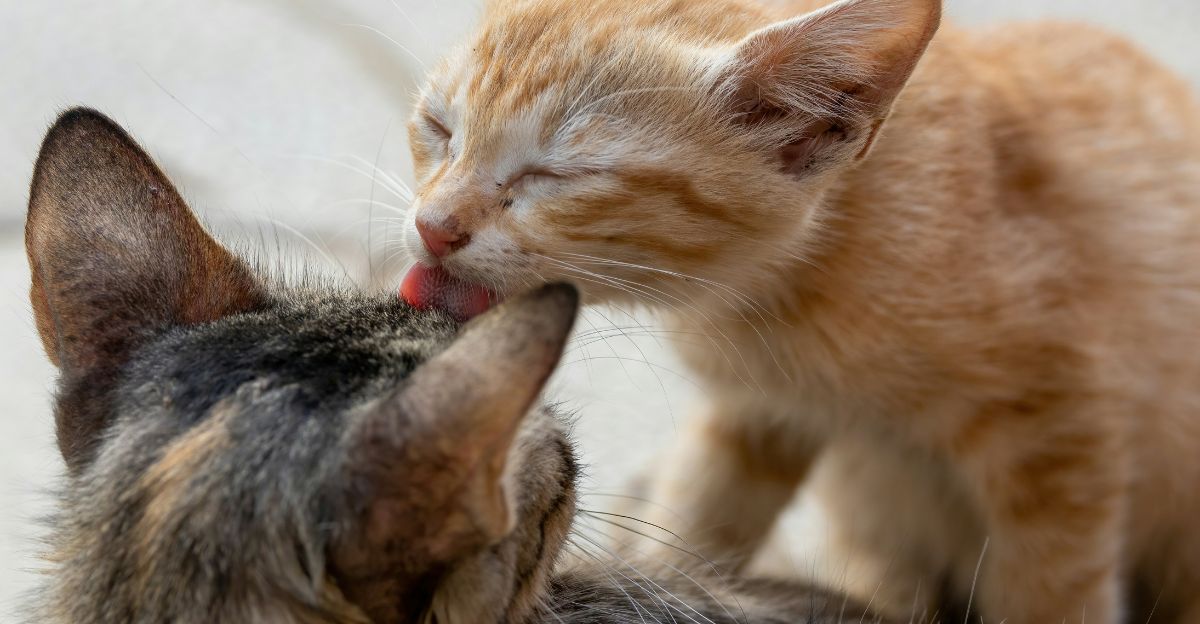
Cats are born with an instinct to groom themselves. This behavior starts early in kittenhood, often encouraged by their mother’s licking. Grooming is not just about cleanliness; it’s a survival skill passed down through generations.
Think about the last time your cat got something sticky on its fur. It didn’t panic—it calmly started grooming to fix the problem. This shows how deeply ingrained grooming is. It’s their way of handling unexpected situations without help.
Benefits Of Grooming
Grooming offers many benefits beyond just looking tidy. It helps cats regulate their body temperature by spreading natural oils across their fur. This keeps their coat healthy and waterproof.
Grooming also reduces stress. When your cat licks itself, it releases endorphins—natural chemicals that make them feel calm and happy. Have you noticed how your cat seems relaxed after a grooming session?
Additionally, grooming helps remove loose fur and dirt. This prevents hairballs and skin problems. When your cat grooms a sticky spot, it’s working to restore comfort and cleanliness, which is essential for their health.
Causes Of Sticky Fur
Sticky fur in cats can be puzzling and frustrating for both you and your feline friend. Understanding the root causes is essential to address the issue effectively. Often, sticky fur signals something more than just a grooming quirk—it could hint at underlying health or environmental problems.
Diet And Hydration Issues
Your cat’s diet directly impacts its coat health. Poor nutrition or dehydration can cause fur to become oily or sticky. Have you noticed if your cat drinks enough water or if its food lacks essential fatty acids? These nutrients help keep the fur smooth and clean.
Switching to a high-quality, balanced diet with added omega-3 and omega-6 fatty acids might improve your cat’s coat texture. Also, ensure fresh water is always available, as dehydration reduces saliva production, making grooming less effective.
Skin Conditions
Sticky fur might be a sign of skin issues like infections or allergies. Cats with irritated or inflamed skin tend to produce excess oils or discharge that clings to their fur. Have you seen any redness, bumps, or flaky patches on your cat’s skin?
Consult your vet if you suspect a skin condition. Early diagnosis and treatment can prevent discomfort and stop the fur from becoming sticky due to underlying problems.
Environmental Factors
Sometimes, your cat’s surroundings contribute to sticky fur. Sticky residues can come from substances your cat encounters while exploring, such as tree sap, food spills, or household cleaners. Do you notice particular spots in your home where your cat spends time?
Regularly checking and cleaning your cat’s favorite areas can reduce exposure to sticky substances. Also, grooming your cat after outdoor adventures helps remove any debris before it sets in the fur.
Stress And Anxiety
Stress affects cats in many ways, including their grooming habits. When anxious, cats may either over-groom or neglect grooming, both leading to sticky or matted fur. Have you observed changes in your cat’s routine or behavior recently?
Creating a calm environment and offering enrichment can improve your cat’s mental state. Sometimes, addressing stress is the key to restoring healthy grooming behavior and a clean, soft coat.
Signs To Watch For
Sticky fur during grooming may signal skin issues or dirt buildup. Watch for redness, swelling, or unusual smells around the sticky areas. Changes in your cat’s grooming habits can also indicate discomfort or health problems.
Recognizing changes in your cat’s grooming behavior can help you identify potential health issues early. Cats are meticulous groomers, so when their grooming becomes sticky, it’s vital to pay attention. This could indicate anything from a minor inconvenience to a serious health problem.Changes In Grooming Habits
Has your cat suddenly stopped grooming as much? Or perhaps they’re grooming obsessively? These changes can signal stress, skin conditions, or even dental problems. If you notice your cat spending more time grooming a specific area, this could be due to discomfort or irritation.Visible Fur Problems
Is your cat’s fur looking dull, matted, or sticky? This can be more than a bad fur day. Sticky fur might indicate an overproduction of oils or an underlying skin condition. Check for dandruff, bald spots, or inflammation as these can be signs of allergies or infections.Behavioral Changes
Have you observed any shifts in your cat’s behavior? A normally sociable cat becoming withdrawn or a playful one showing signs of aggression could be related to discomfort from grooming issues. Behavioral changes often accompany physical discomfort, giving you additional clues to your cat’s health. Paying attention to these signs can make a significant difference in your cat’s well-being. Have you noticed any of these signs in your cat lately? It might be time to consult with your vet to ensure your feline friend stays happy and healthy.
Credit: www.pethonesty.com
Home Remedies For Sticky Fur
Sticky fur can be uncomfortable for your cat and worrying for you. Fortunately, there are simple home remedies that can help restore your cat’s coat to its soft, clean state. These easy-to-apply tips focus on bathing, brushing, and diet to tackle stickiness effectively.
Bathing Techniques
Bathing your cat might sound challenging, but a gentle approach can make a big difference. Use a mild, cat-safe shampoo and warm water to loosen and wash away sticky residues. Try to keep bath time calm and quick to avoid stressing your cat.
Rinse thoroughly to ensure no shampoo remains, as leftover soap can cause more stickiness or irritation. After the bath, gently towel dry your cat and keep them in a warm room until fully dry. Have you noticed if your cat prefers water at a certain temperature? Adjusting this can improve their comfort during baths.
Brushing Tips
Brushing regularly helps prevent fur from becoming sticky by removing dirt and loose hair. Use a soft-bristle brush or a grooming glove designed for cats. Brushing not only cleans but also stimulates natural oil distribution, which keeps fur healthy.
Focus on problem areas where your cat tends to get sticky spots, like around the mouth or paws. Brushing after meals or playtime can also reduce debris buildup. Do you know which type of brush your cat enjoys most? Finding the right tool can turn grooming into a bonding moment.
Dietary Adjustments
Your cat’s diet plays a crucial role in the condition of their fur. Nutrients like omega-3 and omega-6 fatty acids improve skin and coat health, making fur less prone to stickiness. Consider adding high-quality fish oil supplements or foods rich in these fats.
Hydration is equally important. Ensure your cat drinks enough water daily to support skin moisture and overall health. Have you checked if your cat’s food contains artificial additives that might affect their skin? Switching to natural, balanced diets could reduce sticky fur problems.
When To See A Vet
Knowing when to take your cat to the vet is important for its health. Some grooming problems need professional care. Watch for signs that your cat’s sticky fur does not improve. Acting early helps avoid serious issues.
Persistent Fur Issues
Sticky fur that stays sticky after regular cleaning needs attention. If your cat’s coat looks greasy or matted for days, a vet check is wise. Persistent fur problems may hide deeper issues. A vet can find the cause and suggest treatment.
Skin Infections
Sticky fur often comes with redness or swelling. These signs can mean skin infections. Your cat might scratch or bite the area more than usual. Infections need vet care to stop pain and spread. Early treatment protects your cat’s skin and health.
Underlying Health Problems
Sometimes sticky fur shows an internal health problem. Conditions like diabetes or thyroid disease affect grooming habits. Cats may groom less or produce oily skin. A vet can run tests to find hidden illnesses. Treating these problems improves your cat’s fur and well-being.
Credit: www.purina.com
Preventing Sticky Fur
Sticky fur can be uncomfortable for your cat and frustrating for you. Preventing this issue starts with understanding what causes it and taking simple daily actions. You’ll find that small changes in your care routine can make a big difference.
Regular Grooming Routine
Brushing your cat daily helps remove dirt and loose hair before it turns sticky. Pay special attention to areas where fur tends to mat, like behind the ears and under the legs.
I once noticed my cat’s fur getting sticky after she played outside. Adding a quick brushing session when she came back inside stopped the problem completely.
Use a soft brush or comb designed for your cat’s coat type. This keeps the fur clean and prevents tangles that trap dirt and moisture.
Safe Environment Practices
Think about what your cat encounters throughout the day. Sticky fur often results from contact with sticky substances or damp surfaces.
Keep your cat’s play and rest areas clean and dry. Avoid plants or materials that might leave a residue on their fur.
Check the labels on cleaning products you use at home to make sure they’re pet-friendly and won’t cause fur to become sticky or irritated.
Stress Reduction Strategies
Stress can lead to over-grooming or neglect of grooming, both of which cause fur issues. Make sure your cat feels safe and relaxed in your home.
Provide quiet spaces, regular feeding times, and interactive play to keep your cat calm. Sometimes, sticky fur comes from your cat licking itself excessively when anxious.
Have you noticed changes in your cat’s grooming habits when they seem stressed? Addressing their emotional needs can improve their coat’s health just as much as physical care.
Tools And Products To Help
Sticky fur can turn grooming time into a challenge for both you and your cat. Thankfully, there are specific tools and products designed to make the process easier and more effective. Choosing the right brush, shampoo, and grooming aids can save your cat from discomfort and keep their coat clean and healthy.
Best Brushes For Cats
Choosing the right brush depends on your cat’s fur type. For short-haired cats, a rubber brush works wonders by removing loose fur without irritating the skin. Long-haired cats benefit from a slicker brush, which gently detangles mats and sticky patches.
Have you noticed your cat avoiding grooming? Sometimes, a softer brush can help your cat feel more comfortable and less stressed during brushing sessions.
Recommended Shampoos
Sticky fur often needs a gentle, yet effective shampoo. Look for shampoos specifically made for cats that contain natural ingredients like aloe vera or oatmeal. These calm the skin while cleaning sticky residues without causing dryness or irritation.
It’s important to avoid shampoos with harsh chemicals or fragrances that can upset your cat’s sensitive skin. Have you ever checked the label closely before buying a pet shampoo?
Special Grooming Aids
Besides brushes and shampoos, certain grooming aids can tackle sticky fur better. Grooming wipes are handy for quick cleanups and spot cleaning between baths. You might also consider a detangling spray to loosen sticky clumps before brushing.
Using a fine-toothed comb can help you remove stubborn sticky bits without pulling your cat’s fur painfully. What grooming aids have you found most helpful during those tricky sticky situations?
Frequently Asked Questions
Why Is My Cat’s Fur Sticky After Grooming?
Sticky fur often results from saliva residue or dirt mixing with natural oils. It can also indicate skin issues or infection, causing excess secretion. Regular grooming and vet check-ups help keep your cat’s coat clean and healthy.
Can Sticky Fur Signal A Cat Health Problem?
Yes, sticky fur can indicate underlying health issues like skin infections, allergies, or dental problems. If your cat’s coat remains sticky despite grooming, consult a veterinarian to rule out medical concerns.
How Can I Clean My Cat’s Sticky Fur Safely?
Use a damp cloth with warm water to gently wipe sticky areas. Avoid harsh chemicals or human shampoos. If sticky fur persists, a vet-recommended cat shampoo or professional grooming may be needed.
Does Diet Affect My Cat’s Grooming And Fur Condition?
Absolutely. Poor nutrition can lead to oily, sticky, or dull fur. Feeding a balanced diet with essential fatty acids supports healthy skin and grooming habits, reducing sticky fur problems.
Conclusion
Cats often groom to clean sticky spots themselves. Sometimes, they need help removing tough messes. Keep your cat calm and gentle while cleaning. Use safe, pet-friendly products to avoid harm. Watch for signs of discomfort or infection. Regular grooming helps prevent sticky fur problems.
Understanding your cat’s grooming habits improves their health. Stay patient and caring during the process. A clean cat feels happy and comfortable. Your attention makes a big difference for your pet.

Leave a Reply