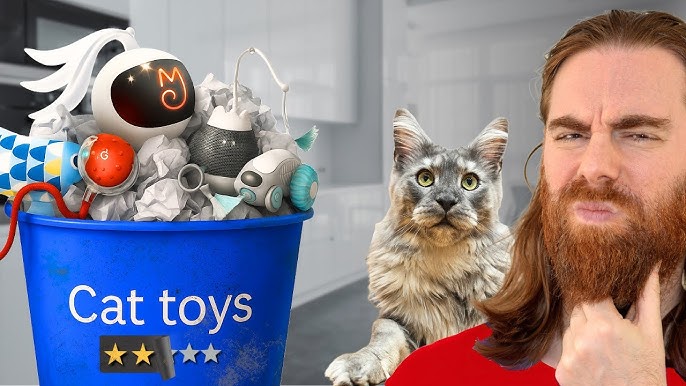
Have you ever bought a new toy for your cat, only to watch them lose interest in it within minutes? It can be frustrating to see your furry friend ignore something you thought would keep them entertained for hours.
You might wonder, “Why does my cat get bored of toys so quickly? ” Understanding the reasons behind this behavior can help you keep your cat happy and engaged. You’ll discover why your cat’s excitement fades fast and learn simple tricks to make playtime fun and lasting.
Keep reading—your cat will thank you!

Credit: www.goodhousekeeping.com
Cat Play Behavior
Understanding your cat’s play behavior can help you figure out why they lose interest in toys so fast. Cats don’t just play for fun—they’re acting on deep instincts and natural habits. Watching how your cat interacts with toys gives you clues about what excites them and what bores them quickly.
Natural Hunting Instincts
Your cat’s play is a form of practice for hunting. They chase, pounce, and bat at toys as if they were prey. This instinct drives their interest, but it also means they get bored when a toy doesn’t move or behave like real prey.
Think about a toy mouse that never changes position—your cat may lose interest within minutes. Toys that mimic real prey movements, like feather wands or motorized toys, tend to keep their attention longer. You might have noticed your cat prefers toys that require a bit of effort to catch, engaging their natural chase and capture skills.
Attention Span Of Cats
Cats have short bursts of intense focus rather than long play sessions. Their attention span during play is often just a few minutes before they get distracted. This means a toy that entertained your cat five minutes ago might be ignored the next.
To keep your cat engaged, try rotating toys regularly instead of offering all at once. Presenting a toy as “new” can spark curiosity and renew interest. Have you ever noticed how your cat gets excited when you bring out a toy they haven’t seen in a while? That’s a simple trick to beat boredom.
Credit: www.reddit.com
Toy Characteristics
Toy characteristics play a big role in how long a cat stays interested. Cats get bored quickly if toys do not match their natural instincts and preferences. The right toy can keep a cat active and happy for longer periods. Understanding what makes toys appealing helps in choosing better playthings for your feline friend.
Types Of Toys Cats Prefer
Cats often prefer toys that mimic their prey. Small, lightweight toys that they can carry or bat around are favorites. Toys that encourage hunting behavior, like those that move or make noise, catch their attention. Simple toys like feather wands, laser pointers, and small balls work well.
- Feather or string toys
- Small balls or mice
- Interactive toys with movement
- Catnip-filled toys
Variety matters. Changing toys regularly keeps cats curious and reduces boredom.
Importance Of Texture And Movement
Texture is a key factor in toy appeal. Cats like toys with different surfaces to bite and claw. Soft toys offer comfort, while rough or crinkly textures stimulate their senses. Movement simulates prey behavior. Toys that wiggle, flutter, or roll attract attention and encourage play.
- Soft plush for biting and cuddling
- Crinkly materials for sound and feel
- Lightweight for easy chasing
- Random or unpredictable movement
Toys that move unpredictably keep cats engaged longer. Static toys lose appeal fast. Combining texture with movement creates the perfect play experience.
Environmental Factors
Cats, much like humans, need a stimulating environment to thrive. A dull or unchanging environment can lead to boredom, especially with toys. Various environmental factors contribute to your cat’s interest levels. Understanding these can help you provide a more engaging space for your feline friend.
Stimulating Surroundings
Cats are natural explorers. They thrive in environments that challenge their senses. A room with only a few toys might quickly become uninteresting. Consider rearranging furniture or introducing new textures. These changes can make the space more exciting.
Adding a perch by a window lets them watch birds or passing cars. This visual stimulation keeps their minds active. Ensure the area has different levels for them to jump and climb. This not only entertains but also helps them exercise.
Role Of Interaction And Engagement
Interaction plays a crucial role in keeping cats interested in their toys. If left alone, even the most exciting toy can become boring. Spend time playing with your cat. Use toys that mimic prey movement. This keeps their hunting instincts sharp.
Engagement doesn’t always mean active play. Sometimes, just being present and watching them play can make a difference. Cats value your attention. It helps them feel loved and secure.
Health And Age Influence
Health and age play a big role in why cats lose interest in toys. Cats have different energy levels and needs at each life stage. Their health also affects how much they want to play. Understanding these factors helps explain their changing behavior with toys.
Impact Of Age On Playfulness
Kittens are very curious and energetic. They enjoy exploring new toys and chasing moving objects. Young adult cats keep this playful attitude but might prefer more challenging toys.
Older cats often slow down. They may lose interest in toys that once excited them. Their energy decreases, and they rest more. Toys that require less effort or gentle interaction suit senior cats better.
Health Conditions Affecting Interest
Health problems can reduce a cat’s desire to play. Pain from arthritis or dental issues can make play uncomfortable. Cats with illnesses may feel tired or stressed.
Regular vet check-ups help spot health issues early. Treating these conditions can improve a cat’s mood and activity. Healthy cats are more likely to enjoy their toys longer.
Tips To Keep Toys Interesting
Keeping your cat’s toys interesting is key to avoiding boredom. Cats get used to the same toys quickly and lose interest. Changing how and what you offer can bring back their excitement. Small changes can make a big difference in playtime.
Rotating Toys Regularly
Switch toys every few days. Keep some toys hidden and swap them out. This makes old toys feel new again. Your cat will stay curious and engaged.
Use a toy box to store unused toys. Rotate different types like balls, feathers, and plush toys. Variety keeps your cat’s mind active.
Incorporating Interactive Play
Play with your cat using toys that move or make sounds. Use wand toys or laser pointers to mimic prey. This encourages natural hunting behavior.
Spend at least 10 minutes daily in interactive play. Your cat will bond with you and stay mentally sharp. Change your play style to keep it fresh and fun.
Diy And Homemade Toy Ideas
Create simple toys from household items. A crumpled paper ball or a cardboard box can be exciting. Cats love exploring new textures and shapes.
Make toys with safe materials. Use string, paper, or fabric scraps. Homemade toys are cost-effective and easy to replace.

Credit: deziroo.com
Frequently Asked Questions
Why Do Cats Lose Interest In Toys Quickly?
Cats get bored because toys lack novelty and challenge. They seek new textures, sounds, and movements to stay engaged. Rotating toys regularly can maintain their interest and mimic natural hunting behaviors.
How Can I Keep My Cat Interested In Toys?
Introduce variety by changing toys often. Use interactive play sessions to engage your cat. Incorporate toys that mimic prey movements, like feather wands or laser pointers.
Does Toy Boredom Affect A Cat’s Behavior?
Yes, boredom can lead to destructive or lazy behavior. Cats need mental and physical stimulation to stay happy and healthy. Providing engaging toys prevents stress and promotes activity.
What Types Of Toys Do Cats Prefer Most?
Cats prefer toys that simulate prey, such as feather wands, small balls, and laser pointers. Toys with unpredictable movements and textures are most appealing to them.
Conclusion
Cats get bored with toys because they crave new experiences. Changing toys often keeps their interest alive. Interactive play also helps them stay active and happy. Offering different textures and sounds can excite your cat. Watching your cat’s reactions guides you to the best toys.
Remember, variety and attention make playtime fun again. Keep exploring simple ways to keep your cat engaged. A happy cat means a lively home.

Leave a Reply