You love your cat and want to keep their toys safe and clean. But have you ever stopped to think—can you wash cat toys?
It’s a simple question with an important answer. Dirty toys can carry germs and cause your furry friend to get sick. On the other hand, washing them the wrong way might damage the toys or leave harmful residues. If you want to keep your cat happy and healthy, you need to know the best way to clean their favorite playthings.
Keep reading, and you’ll discover easy, effective tips to make sure your cat’s toys stay fresh and safe.

Credit: www.amazon.com
Types Of Cat Toys
Cat toys come in many shapes and materials. Each type offers different benefits for your cat’s playtime. Knowing about the common types helps you care for them better. It also guides you on how to clean them safely.
Soft Plush Toys
Soft plush toys are gentle and cuddly. Cats often carry them around or use them for comfort. These toys may have catnip inside to make play more fun. They can get dirty from saliva and fur quickly. Washing them carefully keeps them fresh and safe.
Rubber And Plastic Toys
Rubber and plastic toys are durable and easy to clean. They come in many shapes like balls and mice. These toys can withstand rough chewing and chasing. Dirt and germs can build up on their surface. Regular cleaning helps keep your cat healthy.
Interactive And Electronic Toys
Interactive and electronic toys move or make sounds to engage cats. They include laser pointers, battery-powered mice, and puzzle feeders. These toys need special care to avoid water damage. Cleaning the surface and removing dust is important for their function and safety.

Credit: www.sheknows.com
Why Clean Cat Toys
Keeping cat toys clean helps stop germs and dirt from harming your pet. Washing cat toys regularly keeps them safe and fresh for play. Many cat toys can be washed easily to maintain hygiene.
Cleaning cat toys might seem trivial, but it’s crucial for your pet’s health. Cats love playing with their toys, often biting and scratching them. Over time, toys accumulate dirt, saliva, and other residues. Regular cleaning ensures toys remain safe and fun for your feline friend. Let’s explore the reasons for washing cat toys.Removing Bacteria And Germs
Cat toys can harbor bacteria and germs. These can pose health risks to your pet. Regular cleaning reduces these harmful microorganisms. Use mild soap and warm water for effective cleaning. This simple step keeps your cat safe and healthy.Preventing Allergies And Illness
Dirty toys can trigger allergies in cats. Allergens like dust and mold can build up over time. Regular washing prevents these issues. It helps your cat avoid sneezing and other allergy symptoms. Clean toys contribute to better health.Maintaining Toy Longevity
Clean toys last longer. Dirt can wear down materials, making toys less durable. Regular maintenance keeps them in good condition. This saves money and ensures your cat enjoys toys for longer. Clean toys mean happy pets.Safe Cleaning Methods
Keeping your cat’s toys clean is essential for their health and happiness. Safe cleaning methods not only remove dirt and germs but also keep the toys intact for longer playtime. You want to avoid harsh chemicals or damaging techniques that could harm your furry friend or ruin their favorite playthings.
Hand Washing Techniques
Hand washing is gentle and perfect for delicate or fabric toys. Use warm water and mild soap to scrub the toys thoroughly. Pay attention to seams and crevices where dirt and saliva often build up.
Rinse the toys well to remove all soap residue. Leaving soap on the toy can irritate your cat’s skin or mouth. After rinsing, dry the toys completely—air drying works best to avoid shrinking or warping.
Machine Washing Guidelines
Some cat toys can handle a machine wash, especially soft, fabric ones. Put the toys inside a mesh laundry bag to protect them from getting tangled or damaged. Use a gentle cycle with cold or warm water and a mild detergent.
Avoid using fabric softeners or bleach, as these chemicals can harm your cat. After washing, let the toys air dry rather than using a dryer. Have you noticed how some toys lose their shape after a tumble dry? That’s why air drying is safer.
Using Pet-safe Cleaning Products
Not all cleaning products are safe for pets, so choose ones labeled specifically for pet use. These products avoid harmful chemicals and fragrances that might upset your cat’s sensitive nose or cause allergic reactions.
You can also make your own pet-safe cleaner using simple ingredients like diluted white vinegar or baking soda. Just mix a small amount with water, clean the toy, and rinse well. Have you tried this natural approach? It’s effective and budget-friendly.
Drying And Storing Toys
After washing your cat’s toys, drying and storing them properly is just as important as cleaning. Wet toys can harbor bacteria and mold, which can harm your feline friend. How you dry and store these toys can make a big difference in keeping your cat safe and happy.
Proper Drying Practices
Let your cat toys air dry completely before giving them back to your pet. Avoid using a dryer, especially for soft or stuffed toys, as heat can damage the materials or cause shrinkage.
Place toys on a clean towel in a well-ventilated area. If you have outdoor space, drying them under sunlight can help kill germs naturally. But make sure they don’t stay out too long to avoid fading or deterioration.
Do you notice any lingering dampness or smell after drying? It’s best to repeat the washing process or discard the toy to protect your cat from potential infections.
Storage Tips To Keep Toys Clean
Store dry toys in a clean, dry container or basket to prevent dust and dirt buildup. Avoid placing them on the floor where they can pick up unwanted germs or get crushed.
Consider using breathable fabric bags or bins with ventilation holes. This prevents moisture buildup and keeps toys fresh longer.
Rotate your cat’s toys regularly. Keeping some toys out of sight and swapping them in later reduces overuse and helps maintain their condition.
Have you ever found a toy covered in dust before giving it to your cat? Proper storage can save you from that hassle and keep playtime safe and fun every time.
Toys To Avoid Washing
Not all cat toys are safe to toss into the washing machine or even hand wash. Some toys can get damaged, lose their charm, or worse, become unsafe for your furry friend after cleaning attempts. Knowing which toys to avoid washing helps protect your pet’s favorite playthings and keeps them safe.
Electronic Components
Toys that include batteries, lights, or sounds should never be washed. Water can damage the delicate circuits inside, rendering the toy useless. If your cat’s toy has electronic parts, spot clean it carefully with a damp cloth instead.
Think about your own gadgets—would you dunk them in water? Your cat’s electronic toys need similar care.
Delicate Materials
Some toys are made from fragile fabrics like silk, lace, or thin felt. These materials can easily tear, lose shape, or fade colors when washed. If your cat loves a toy with delicate fabric, wiping it gently is the safest choice.
Ever tried washing a delicate shirt in a regular cycle? The results often speak for themselves—torn and ruined. Your cat’s toys deserve the same gentle treatment.
Toys With Non-washable Fillings
Many cat toys contain fillings like dried catnip, feathers, or foam. These materials can get soggy, clump together, or even start to smell if washed. Instead of cleaning the whole toy, consider replacing the filling or buying a new toy.
Have you noticed how some stuffed toys lose their fluffiness after washing? That’s exactly what happens to these fillings, making the toy less fun and less safe for your cat.
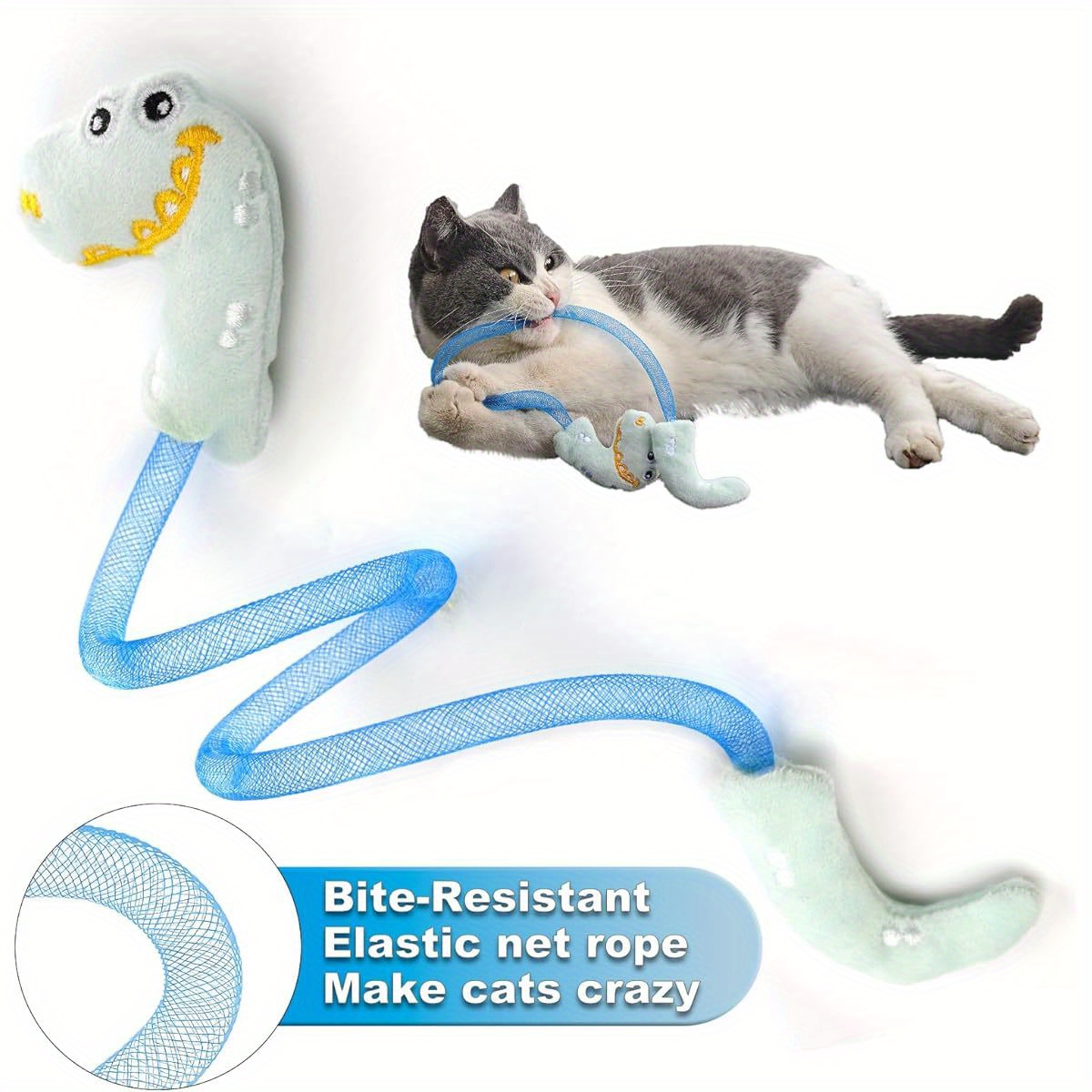
Credit: www.temu.com
Frequency Of Cleaning
Keeping your cat’s toys clean is essential not only for hygiene but also for your pet’s health and enjoyment. The frequency of cleaning depends on how often your cat plays with the toys and the type of toy material. Understanding when and how to clean can save you time and prevent the spread of germs.
Daily Spot Cleaning
Spot cleaning your cat’s toys daily helps remove dirt, fur, and saliva buildup. Use a damp cloth or pet-safe wipes to quickly freshen up toys, especially those made of fabric or plush. This quick step prevents grime from settling and keeps toys inviting for your cat.
Weekly Deep Cleaning
Once a week, give your cat’s toys a thorough wash to eliminate bacteria and odors. Most fabric and rubber toys can be hand-washed with mild soap and warm water or tossed in the washing machine if the label allows. Plastic toys should be soaked and scrubbed carefully to reach all crevices.
Signs That Toys Need Cleaning
How do you know when it’s time to clean beyond your regular schedule? Look for visible dirt, a bad smell, or sticky residue on the toys. If your cat starts losing interest or seems irritated by a toy, it might be due to dirt or germs you can’t see. Don’t wait for a mess to build up — a clean toy is a happy toy.
Diy Cleaning Solutions
DIY cleaning solutions offer a safe and simple way to clean cat toys. These solutions avoid harsh chemicals that may harm your pet. Using natural ingredients keeps toys fresh and safe for regular use. Homemade options often cost less and can be made quickly at home. Below are easy ideas for cleaning and freshening cat toys using everyday items.
Natural Ingredients For Cleaning
Natural ingredients clean effectively without toxic chemicals. You can use:
- White vinegar to remove odors and dirt
- Baking soda as a gentle scrub and deodorizer
- Lemon juice to brighten and disinfect
- Castile soap for a mild, plant-based cleanser
Mix these with warm water to create a safe cleaning solution. Soak soft toys for 10-15 minutes, then rinse thoroughly. For tougher stains, gently scrub with a soft brush. Avoid soaking electronic or fabric toys that may get damaged by water.
Homemade Toy Fresheners
Freshen toys between washes with simple homemade sprays. Try mixing:
- Water and a few drops of lavender or chamomile oil
- Water with a teaspoon of baking soda
Spray lightly on dry toys to neutralize odors. Let toys air dry completely before giving them back to your cat. These fresheners keep toys smelling clean without strong scents. They also help prevent mold and bacteria growth on fabric toys.
Frequently Asked Questions
Can I Wash Cat Toys In A Washing Machine?
Yes, many fabric cat toys can be machine washed. Use a gentle cycle and mild detergent to protect the toy. Avoid toys with electronic parts or delicate decorations, as they may get damaged in the wash.
How Often Should I Clean My Cat’s Toys?
It’s best to clean cat toys every two weeks or more frequently if heavily soiled. Regular cleaning prevents bacteria buildup and keeps your cat safe and healthy during playtime.
Are All Cat Toys Safe To Wash?
No, not all cat toys are washable. Avoid washing toys with batteries, feathers, or glued parts. Always check the toy’s label or manufacturer instructions before washing.
What Is The Best Way To Dry Cat Toys After Washing?
Air drying is the safest method for cat toys. Avoid using a dryer, as heat can damage the toy’s materials. Lay toys flat or hang them to dry completely before giving them back to your cat.
Conclusion
Washing cat toys keeps your pet healthy and happy. Clean toys remove dirt, germs, and bad smells. Soft toys can go in the washing machine. Hard toys need a quick scrub with soap and water. Let toys dry fully before giving them back.
Regular cleaning stops bacteria from building up. Your cat will enjoy fresh, safe toys every day. Simple care helps your cat stay playful and safe. Keep washing cat toys often for best results.

Leave a Reply