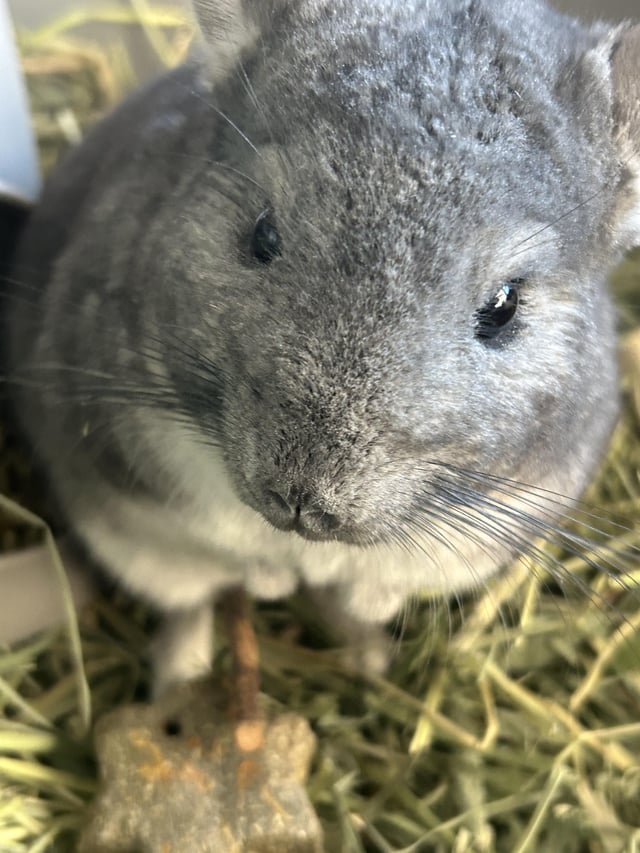
Are you curious if your chinchilla can have fun with cat toys? You want to keep your furry friend happy and entertained, but you’re not sure which toys are safe and suitable.
Choosing the right toys can make a big difference in your chinchilla’s health and happiness. Keep reading to discover whether cat toys are a good option for your chinchilla and what you should look for to keep playtime both fun and safe.

Credit: jungleaquatics.com
Chinchilla Behavior And Play Needs
Understanding your chinchilla’s behavior is key to choosing the right toys. These small creatures are active and curious. They need toys that match their natural instincts and energy levels.
Natural Play Habits
Chinchillas love to chew, jump, and dig. Their teeth grow constantly, so chewing helps keep them healthy. They also enjoy climbing and exploring new spaces.
If you watch your chinchilla closely, you’ll see they prefer toys that let them mimic these natural actions. Do you notice your chinchilla trying to climb or hide? That’s a clear sign they need safe structures and tunnels in their play area.
Common Toys For Chinchillas
Not every toy designed for pets fits a chinchilla’s unique needs. Safe options include:
- Wooden chew blocks made from untreated wood
- Dust baths to help them stay clean and happy
- Exercise wheels sized for chinchillas (solid surface, not wire)
- Tunnels and hideouts for climbing and hiding
Cat toys often contain small parts or materials that can be harmful. Have you thought about the risks before giving your chinchilla a cat toy? It’s better to choose toys made specifically for their chewing and jumping habits.
Types Of Cat Toys Available
Cat toys come in many shapes and sizes, each designed to engage different senses and play styles. Understanding the types of cat toys available can help you decide which might also work for your chinchilla. Since chinchillas are curious and active, some cat toys might stimulate their natural behaviors and keep them entertained.
Popular Cat Toy Materials
Cat toys are often made from materials like feathers, fabric, rubber, and plastic. Feathers and soft fabric attract cats by mimicking prey, which might also intrigue your chinchilla due to their natural curiosity. Rubber and plastic toys provide durability and interesting textures that encourage chewing and exploration.
Many cat toys include bells or crinkly materials to add sound, which can catch your pet’s attention. However, consider your chinchilla’s delicate nature; avoid toys with small parts that could be swallowed. Have you noticed how your chinchilla reacts to different textures? This can guide your choice of material.
Interactive Vs. Passive Toys
Interactive toys require your involvement or respond to your pet’s actions, such as laser pointers or motorized balls. These toys can boost your chinchilla’s mental and physical stimulation if used safely. Passive toys, like simple balls or soft stuffed animals, let your pet play independently, providing comfort and gentle activity.
Interactive toys often keep pets engaged longer, but they also need supervision to prevent accidents. Passive toys are great for quiet play and can reduce boredom when you are busy. Think about how much time you can spend playing with your chinchilla and whether you want toys that encourage solo play or shared play.
Safety Concerns With Cat Toys
Cat toys may contain small parts that chinchillas can swallow or choke on. Some materials might be harmful if chewed. Always choose safe, chinchilla-friendly toys to avoid risks.
Introducing new toys to your chinchilla’s playtime can be exciting, but caution is needed when it comes to cat toys. While these toys can seem like a fun and easy option, they often pose various safety concerns for your fluffy friend. Understanding these risks can help you make better choices that keep your chinchilla happy and healthy.Toxic Materials And Chemicals
Many cat toys are made from materials that can be harmful if ingested by chinchillas. Unlike cats, chinchillas have a sensitive digestive system that doesn’t handle chemicals well. It’s important to check the toy’s label for any mention of toxic materials or harsh chemicals. You should also consider the dyes used in the toys. Brightly colored toys might look appealing, but some contain harmful dyes that can leach out when chewed. Opting for toys made from natural materials can reduce the risk of chemical exposure.Choking And Injury Risks
Chinchillas are natural chewers, and they can easily dismantle toys not designed for them. This can lead to small parts breaking off, which poses a choking hazard. Always inspect the toy for loose parts or potential weak spots before offering it to your pet. Consider how the toy is constructed. Items with strings or small detachable components can lead to injuries if your chinchilla gets entangled or swallows a piece. Ensuring that toys are robust and free from such hazards can prevent accidents and keep playtime safe. Choosing the right toys can make a big difference in your chinchilla’s well-being. Do you think your current toy selection is safe for your little friend? Taking a moment to evaluate can ensure your chinchilla enjoys playtime without any risks.Chinchilla Interaction With Cat Toys
Chinchillas are curious and playful creatures that often surprise their owners with unique interactions. When introducing cat toys to your chinchilla, it’s important to observe how they respond. Their reaction can tell you a lot about whether these toys are a good fit for their playtime and stimulation needs.
How Chinchillas React To Cat Toys
Chinchillas usually show interest in cat toys that are lightweight and easy to manipulate. Toys like small balls or soft plush items can catch their attention quickly. However, many cat toys designed with sharp edges or made from unsafe materials might scare or even harm them.
In my experience, my chinchilla was initially cautious with a feather wand but soon started batting at the feathers gently. This showed me that they appreciate toys that mimic natural textures but only if they feel safe. Watching their body language is key—if your chinchilla seems stressed or avoids the toy, it’s best to remove it.
Potential Benefits For Enrichment
Using cat toys can add variety to your chinchilla’s environment, which is crucial for preventing boredom. Toys that encourage movement, like lightweight balls or soft, hanging items, can stimulate their natural curiosity and play instincts.
Adding different textures and shapes with cat toys can help keep your chinchilla mentally sharp. You might notice increased activity and engagement during playtime, which contributes to their overall happiness. Would your chinchilla enjoy discovering new toys that challenge their senses and agility?
- Improves physical activity through chasing or batting
- Encourages natural behaviors like exploring and chewing
- Provides mental stimulation by introducing new textures
- Offers a safe way to redirect energy and reduce stress
Alternatives To Cat Toys For Chinchillas
Finding the right toys for your chinchilla can be tricky, especially since many cat toys are unsafe or unsuitable. Chinchillas have unique chewing needs and delicate bodies, so you need alternatives that keep them happy without risking harm. Let’s look at some safe and fun options that will engage your furry friend.
Recommended Safe Toys
- Wood Chew Toys:Untreated hardwood blocks or sticks are excellent for chinchillas to gnaw on. They help keep teeth healthy and provide natural entertainment.
- Exercise Wheels:A solid-surface wheel designed for small animals offers great exercise and mental stimulation. Avoid wheels with wire bars that can injure their feet.
- Dust Baths:While not a traditional toy, providing a dust bath is essential and also a fun activity. Your chinchilla will enjoy rolling and cleaning itself in fine dust.
- Hanging Toys:Toys made from safe materials like pumice stones or cardboard tubes hung inside the cage encourage climbing and chewing.
Have you noticed how your chinchilla reacts to different textures? This can guide you in picking toys that truly engage their senses.
Diy Toy Ideas
Making toys at home can be rewarding and cost-effective. Simple materials often turn into a chinchilla’s favorite pastime.
- Cardboard Mazes:Cut and shape cardboard boxes into tunnels and hideouts. Your chinchilla will enjoy exploring and chewing through them.
- Pine Cones:Natural pine cones, free from pesticides, are great for chewing and tossing around.
- Paper Tubes:Empty toilet paper or paper towel rolls can be filled with hay or treats and hung for your chinchilla to investigate.
- Wooden Puzzle Toys:Glue small blocks of untreated wood together to create simple puzzles or climbing structures.
Have you ever tried observing how your chinchilla interacts with homemade toys versus store-bought ones? Their preferences might surprise you and help you customize their playtime.

Credit: www.birdexoticsvet.com
Guidelines For Introducing Cat Toys
Introducing cat toys to your chinchilla can be a fun way to enrich their environment. However, it’s important to follow some clear guidelines to keep your furry friend safe and happy. Doing this right means paying close attention to how your chinchilla interacts with new toys and adjusting as needed.
Supervised Play Sessions
Always watch your chinchilla closely when they first get a cat toy. Chinchillas are curious but delicate, so they might chew on parts that could harm them. Keep play sessions short at first—about 10 to 15 minutes—and gradually increase the time if they seem comfortable.
Look for signs of interest like sniffing or gentle chewing, and step in if you see any aggressive biting or stress. A favorite toy for cats might not be safe for chinchillas, so supervision helps you spot potential problems early. Have a safe space ready to remove the toy if needed.
Monitoring Health And Behavior
After introducing a new toy, watch your chinchilla’s behavior closely over the next few days. Changes like excessive chewing, drooling, or signs of distress could mean the toy isn’t suitable. Keep an eye on their fur and teeth for any damage caused by the toy.
Ask yourself: Is your chinchilla more active or anxious after playtime? Sometimes a toy can overstimulate or frighten them. If you notice anything unusual, pause the use of that toy and consult a vet if necessary.

Credit: moonypaw.com
Frequently Asked Questions
Can Chinchillas Safely Use Cat Toys?
Chinchillas can use some cat toys, but safety is crucial. Avoid toys with small parts or toxic materials. Choose soft, chew-safe items to prevent harm. Always supervise playtime to ensure your chinchilla doesn’t ingest dangerous pieces or get injured.
What Cat Toys Are Best For Chinchillas?
Soft, lightweight toys made from natural materials suit chinchillas best. Avoid plastic or noisy toys that stress them. Items like small fabric balls or untreated wooden toys mimic their natural play needs and are safe for chewing and tossing.
Do Chinchillas Enjoy Playing With Cat Toys?
Chinchillas are curious and playful but may not enjoy all cat toys. They prefer toys they can chew or toss. Observe your chinchilla’s behavior to see which toys engage them most. Not all cat toys match chinchillas’ unique play style.
How To Introduce Cat Toys To Chinchillas?
Introduce cat toys gradually to avoid stress. Place toys in their enclosure and watch their reaction. Remove any toy that causes fear or disinterest. This helps chinchillas adjust and find toys they like safely.
Conclusion
Chinchillas enjoy playing but need safe toys. Cat toys may not suit their needs. Choose toys that are chew-proof and soft. Avoid small parts that chinchillas can swallow. Watch your pet closely during playtime. Safe play helps chinchillas stay happy and healthy.
Toys designed for chinchillas work best. Always prioritize your pet’s safety and comfort. Playtime should be fun and risk-free. Keep your chinchilla active with proper toys.

Leave a Reply