Have you ever watched your younger cat carefully licking and grooming your older cat and wondered why? It’s more than just a cute moment.
When your younger cat grooms your older one, it’s a powerful sign of trust, love, and connection. Understanding this behavior can help you see the deeper bond between your furry friends and even improve their relationship. Keep reading to discover the surprising reasons behind this sweet act and what it means for your cats’ happiness.
Cat Grooming Behavior
Cat grooming behavior goes beyond cleanliness. It plays a vital role in how cats communicate and bond. When a younger cat grooms an older cat, it reflects a deeper connection between them. This behavior shows trust, care, and social structure within their group.
What Grooming Means For Cats
Grooming is more than just cleaning fur. Cats use grooming to show affection and comfort. It helps remove dirt, loose fur, and parasites. Grooming also calms cats and lowers stress. Younger cats grooming older ones often show respect and submission. It signals acceptance in the cat family.
Social Bonds Through Grooming
Grooming strengthens the social bonds between cats. It builds trust and friendship. When a younger cat licks an older cat, it creates a sense of safety. This act helps keep peace among cats. They share warmth and care through grooming. It is a silent way to say, “I am here for you.”

Credit: www.reddit.com
Age Dynamics In Cat Grooming
Understanding the age dynamics in cat grooming reveals why a younger cat often grooms an older one. This behavior reflects natural instincts and social bonds between cats of different ages. Age influences energy levels, grooming habits, and the overall interaction between cats.
Younger Cats And Their Energy
Younger cats have more energy and curiosity. They are eager to explore and interact with others. Grooming can be a way for them to express affection and establish social connections. Younger cats often initiate grooming to show care and build trust.
High energy lets younger cats groom frequently and for longer times. This activity helps them practice social skills and feel part of the family group. Grooming also keeps them active and mentally engaged.
Older Cats’ Grooming Needs
Older cats may groom less due to less energy or health issues. They might find it harder to reach some body parts. Grooming from a younger cat helps keep their fur clean and healthy. It also provides comfort and relief to the older cat.
The older cat benefits from this care, which can reduce stress and improve well-being. Grooming strengthens the bond between the younger and older cat. It shows trust and acceptance across different life stages.
Reasons For Younger Cat Grooming Older Cat
Younger cats groom older cats to show care and build a strong bond. This behavior also helps comfort the older cat and keep it clean. Grooming can signal trust and friendship between them.
Cats have fascinating social dynamics, and one intriguing behavior is when a younger cat grooms an older cat. This can appear puzzling at first, but it’s rooted in deep-seated feline instincts and relationships. Understanding these reasons can provide insights into your cats’ bond and overall well-being.Showing Affection And Care
Cats often groom each other as a way to show affection and strengthen their social bonds. Your younger cat might be expressing love and care towards the older cat. This act of grooming can be compared to a comforting hug, a silent affirmation of their friendship. This mutual grooming, known as allogrooming, often occurs between cats that are closely bonded. It’s a heartwarming gesture that signifies trust and companionship.Establishing Social Hierarchy
Grooming can also be a way to establish social hierarchy within the household. By grooming the older cat, the younger one might be acknowledging its place within the social structure. This behavior helps maintain harmony and reduces tension between your feline companions. Cats naturally form a social order, and grooming is a non-confrontational method to affirm these roles. Is your younger cat subtly confirming the older cat’s status as the leader?Seeking Comfort And Security
Grooming provides comfort and a sense of security for cats. The younger cat might find solace in being near the older cat, associating it with safety and stability. This behavior can be particularly evident if the younger cat feels anxious or if there’s been a change in their environment. Think of it as the younger cat seeking reassurance and comfort from its elder, much like a child might seek comfort from a parent or older sibling.Health And Hygiene Benefits
Grooming isn’t just about social interactions; it also serves practical purposes like maintaining hygiene. The younger cat might help clean areas the older cat can’t reach easily due to age or mobility issues. This mutual grooming helps in keeping both cats healthy by reducing the risk of skin infections and parasites. By assisting with grooming, your younger cat contributes to the overall health and cleanliness of its senior companion. Isn’t it fascinating how cats naturally help each other in such practical ways? Understanding these behaviors can enhance your appreciation for the unique and complex relationships between your feline friends. Observing their interactions offers a window into the intricate world of cat communication and care.
Credit: www.reddit.com
When Grooming Becomes Excessive
Grooming between cats is a common way to show affection and strengthen bonds. Sometimes, the younger cat grooms the older cat more often. This is usually harmless and even comforting. But when grooming becomes excessive, it can lead to stress or health problems.
Excessive grooming means the younger cat spends too much time licking or nibbling the older cat. The older cat may start to feel annoyed, restless, or even hurt. Watch closely for signs that the grooming is no longer gentle or friendly.
Signs Of Stress Or Anxiety
- The older cat hides or avoids the younger cat.
- Fur loss or bald spots appear on the older cat.
- The older cat shows aggressive behavior like hissing or swatting.
- Restlessness or pacing in either cat.
- Changes in eating or sleeping habits.
- The older cat grooms itself excessively in response.
How To Intervene Safely
- Distract the younger cat with toys or treats.
- Gently separate the cats when grooming gets intense.
- Provide separate resting areas for each cat.
- Offer plenty of playtime to reduce anxiety.
- Use calming sprays or diffusers designed for cats.
- Consult a vet if signs of stress continue or worsen.
Encouraging Healthy Grooming Habits
Encouraging healthy grooming habits between cats supports their bond and well-being. Grooming helps remove dirt and loose fur, reducing hairballs. It also strengthens social ties and lowers stress levels. You can help your cats maintain this behavior by creating a calm space and offering proper care. These steps make grooming a positive experience for both cats.
Creating A Calm Environment
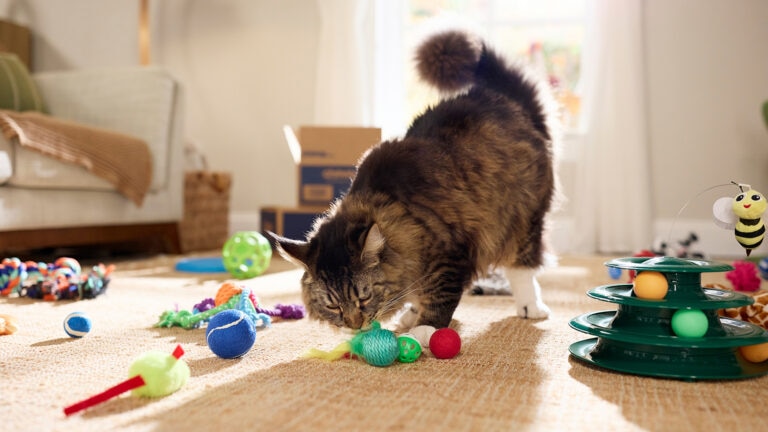
A quiet and safe space encourages grooming behavior. Cats feel relaxed when they have their own spots to rest. Limit loud noises and sudden movements near their area. Use soft bedding and keep the temperature comfortable. Avoid overcrowding the space with too many toys or furniture. A calm environment helps cats focus on grooming each other calmly and happily.
Providing Proper Nutrition And Care
Healthy fur starts with good nutrition. Feed your cats balanced meals rich in omega fatty acids and vitamins. These nutrients support shiny, strong coats that are easy to groom. Regular veterinary checkups keep skin and fur in good condition. Brush your cats gently to remove loose hair and dirt. Proper care reduces skin problems that can stop cats from grooming each other.
Credit: www.chewy.com
Frequently Asked Questions
Why Does My Younger Cat Groom My Older Cat?
Younger cats groom older cats to show affection and build social bonds. Grooming also helps older cats stay clean and comfortable. It’s a sign of trust and care within their relationship.
Is Grooming A Sign Of Dominance Between Cats?
Grooming can indicate gentle dominance, where the younger cat asserts social rank. However, it mainly reflects friendship and bonding rather than aggression or control.
Can Grooming Reduce Stress For Older Cats?
Yes, grooming soothes older cats and reduces their stress. It provides comfort and reassurance, promoting relaxation and emotional well-being.
Does Grooming Help Strengthen Cat Relationships?
Absolutely. Mutual grooming strengthens trust and friendship among cats. It fosters a positive social environment and enhances group harmony.
Conclusion
Younger cats grooming older cats shows care and trust between them. It helps keep their fur clean and healthy. This behavior also strengthens their bond and reduces stress. Watching them interact can be very heartwarming. Remember, such grooming is a positive sign in your cats’ relationship.
It means they feel safe and connected. Enjoy these moments of affection between your pets. They reveal the gentle nature of your feline friends.

Leave a Reply