Are you thinking about getting a cat but worried about leaving it alone while you’re out? You want a furry friend who can handle your busy schedule without feeling lonely or stressed.
Choosing the right cat breed can make all the difference. Some cats are happy and independent, while others need constant attention. You’ll discover which cat breeds are okay being alone and how to pick the perfect companion that fits your lifestyle.
Keep reading to find the cat that’s just right for you!
Traits Of Independent Cats
Understanding the traits of independent cats can help you decide if a particular breed fits your lifestyle, especially if you spend long hours away from home. Independent cats handle solitude better and require less constant attention, making them ideal companions for busy individuals. But what exactly makes a cat truly independent?
Self-sufficiency In Cats
Self-sufficient cats manage their own needs with minimal help. They groom themselves thoroughly, keep entertained without needing constant play, and find cozy spots to relax alone. These cats are less likely to suffer from separation anxiety because they don’t rely heavily on human interaction for comfort.
For example, the Russian Blue is known for being low-maintenance, often content to nap by a sunny window when you’re away. Have you noticed your cat finding its own way to stay busy? That’s a strong sign of self-sufficiency.
Behavioral Signs Of Independence
Look for cats that show curiosity but don’t demand constant attention. Independent cats might approach you on their terms, initiate play occasionally, and then retreat without fuss. They often explore their environment confidently and enjoy their own company.
- They don’t meow excessively when left alone.
- They use their toys without needing encouragement.
- They stay calm and relaxed during your absence.
Has your cat ever surprised you by happily spending an afternoon alone without seeming distressed? That behavior speaks volumes about their independent nature.
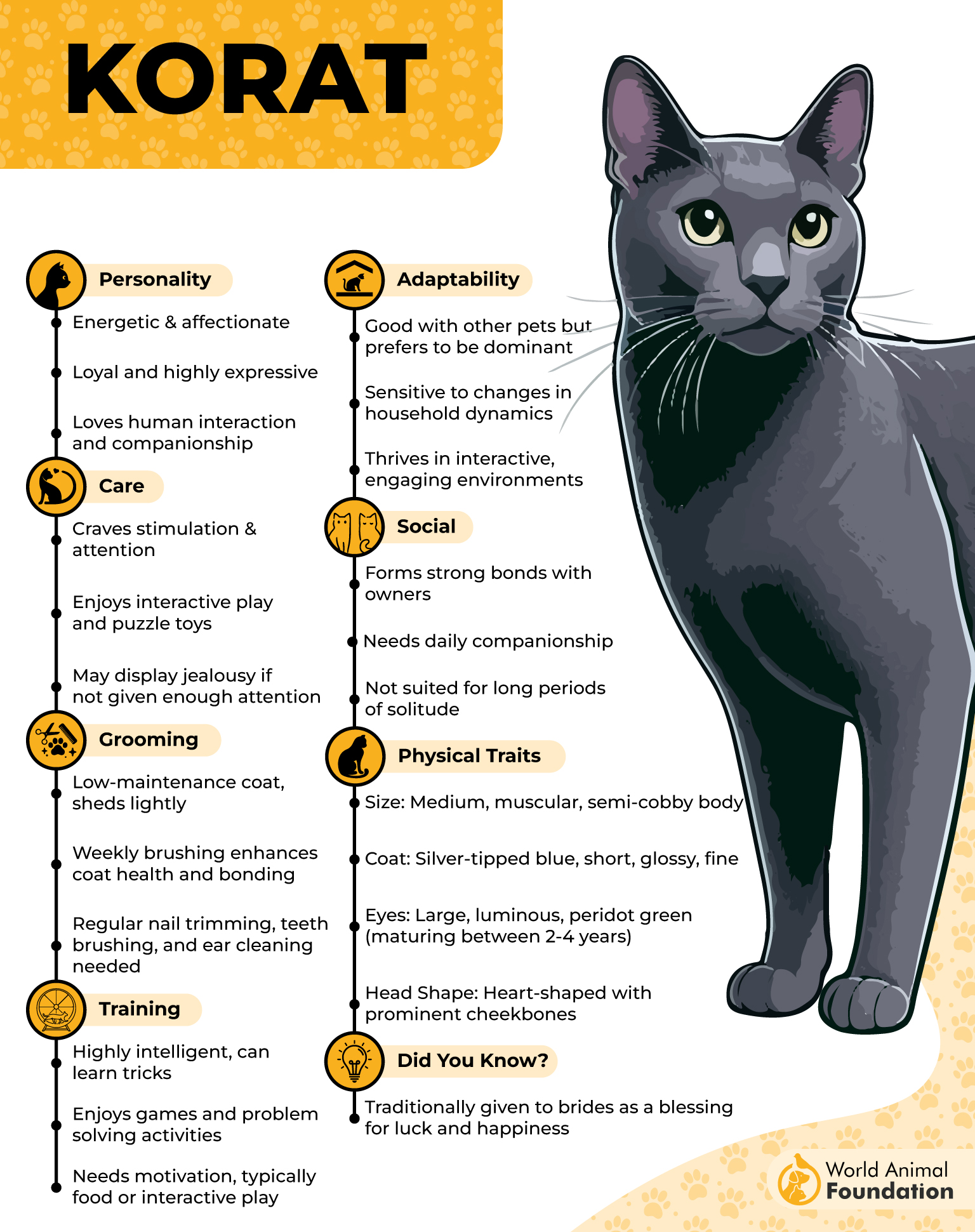
Credit: worldanimalfoundation.org
Top Cat Breeds For Alone Time
Choosing a cat breed that handles alone time well can make a big difference in your daily life. Some cats are naturally independent and happy spending time by themselves, which suits busy owners perfectly. Here’s a look at some top cat breeds that thrive even when left alone for hours.
British Shorthair
The British Shorthair is known for its calm and easygoing nature. These cats are content lounging around on their own and don’t demand constant attention. If you want a pet that won’t fuss when you step out, this breed might be a good match.
I once had a British Shorthair who would nap peacefully all day while I was at work. Returning home, he was just as happy to greet me calmly, never overly needy.
Russian Blue
Russian Blues are intelligent and reserved cats. They enjoy quiet environments and are comfortable spending time alone without becoming anxious. Their low-maintenance personality makes them ideal for owners with unpredictable schedules.
Have you noticed how some cats get stressed when left alone? Russian Blues usually stay relaxed, making them less likely to develop separation anxiety.
Scottish Fold
Scottish Folds are affectionate but not overly clingy. They appreciate companionship but can entertain themselves when needed. Their adaptable nature means they adjust well if you need to be away for a while.
One Scottish Fold I knew would play quietly by herself with toys and only seek attention when she wanted it. This balance is perfect if you want a cat that’s friendly yet independent.
American Shorthair
American Shorthairs are friendly and robust cats. They are happy being part of a family but don’t require constant interaction. Their easygoing attitude means they tolerate alone time without issues.
If you want a cat that’s low maintenance but still sociable, the American Shorthair could be your best bet.
Chartreux
The Chartreux is a quiet and gentle breed. They enjoy human company but are also comfortable being alone. Their calm demeanor means they won’t become destructive or stressed when left solo for hours.
In my experience, Chartreux cats are like little zen masters. They handle solitude with grace, which is a relief if your day keeps you busy.
Lifestyle Factors Affecting Independence
Understanding which cat breeds can thrive alone is crucial for pet owners with busy lifestyles. Certain lifestyle factors can significantly affect a cat’s ability to be independent. Factors such as age, activity levels, feeding routines, and care play a vital role in determining how well a cat can manage on its own.
Age And Activity Levels
The age of your cat greatly influences its independence. Kittens, with their boundless energy and curiosity, require more supervision and interaction. They are still learning about their environment and need guidance to avoid trouble.
On the other hand, older cats tend to be more self-sufficient. They often enjoy a quieter life and can appreciate solitude. However, even senior cats need a bit of stimulation to keep them active and healthy. Does your cat get enough exercise to maintain its well-being?
Feeding And Care Routines
Establishing a consistent feeding routine is essential for an independent cat. Automatic feeders can help maintain regular meal times, which is especially beneficial if you are often away from home. This ensures your cat receives the nutrition it needs without disruption.
Regular grooming and health checks are also important. A cat that is comfortable with its grooming routine is less likely to require constant attention. Consider setting up a simple schedule for brushing and nail trims. How can you make your cat’s care routine more efficient?
By considering these lifestyle factors, you can better determine which cat breeds might suit your living situation. Whether young and lively or older and more tranquil, each cat has unique needs that influence its independence.
Credit: blog.feliway.com
Tips For Leaving Cats Alone
Leaving your cat alone can be a challenge, especially if they’re used to constant interaction. However, with the right preparation, you can ensure they stay happy and safe while you’re away. Paying attention to their environment and mental stimulation makes a huge difference in how they handle solitude.
Environmental Enrichment
Creating a stimulating environment helps prevent boredom and anxiety in your cat. Add climbing shelves or window perches where they can watch the outside world. Cats love watching birds or squirrels, and this natural entertainment keeps their minds active.
Consider rotating different toys and scratching posts to keep things fresh. Even a cardboard box can become an exciting hideaway. Have you noticed how your cat reacts to new objects? Use that to guide what you add.
Safe Spaces And Comfort
Your cat needs a place where they feel secure and comfortable. This could be a cozy bed in a quiet corner or a soft blanket in their favorite spot. Cats often retreat to hidden or elevated areas when they want peace.
Make sure this safe space is easily accessible and away from loud noises or household traffic. Adding familiar scents, like a piece of your clothing, can reassure your cat when you’re not around. Have you tried creating a small sanctuary for your cat?
Interactive Toys
Interactive toys keep your cat engaged and encourage physical activity. Toys that move or make noise, like battery-operated mice or balls with bells, capture their attention better. Puzzle feeders are also excellent—they challenge your cat’s problem-solving skills while providing treats.
Setting up toys that your cat can use independently helps reduce feelings of loneliness. Think about what your cat enjoys playing with the most and provide variations to keep their interest alive. How could you make playtime last longer when you’re not home?
Signs Your Cat Needs More Attention
Cats may seem independent but they still need care and attention. Signs your cat needs more attention often show in their behavior and health. Noticing these signs early helps keep your cat happy and healthy. Watch closely for changes in how your cat acts and looks.
Behavioral Changes
- Your cat starts hiding more than usual.
- They stop playing or lose interest in toys.
- Sudden aggression or irritability appears.
- Excessive meowing or vocalizing occurs.
- Your cat follows you constantly or clings too much.
- They stop grooming themselves regularly.
Physical Health Indicators
- Noticeable weight loss or gain without cause.
- Coat looks dull, dry, or matted.
- Changes in eating or drinking habits.
- Frequent scratching or signs of skin irritation.
- Unusual lethargy or low energy levels.
- Any signs of injury or limping.

Credit: gladdogsnation.com
Frequently Asked Questions
Which Cat Breeds Tolerate Being Alone Best?
Breeds like the British Shorthair, Russian Blue, and Scottish Fold tolerate alone time well. They are independent and low-maintenance, making them suitable for owners with busy schedules.
Can Certain Cats Handle Long Periods Alone?
Yes, breeds such as the Persian and Chartreux can manage longer alone periods. They enjoy solitude and do not require constant attention or interaction.
Are Some Cat Breeds Less Needy Of Companionship?
Absolutely. Cats like the American Shorthair and Exotic Shorthair are less social. They prefer quiet environments and can happily spend time alone without stress.
How To Choose A Cat Breed For Busy Owners?
Look for independent breeds like the Burmese or Russian Blue. These cats cope well with alone time and require minimal supervision or play.
Conclusion
Some cat breeds handle being alone better than others. Cats like British Shorthairs and Russian Blues enjoy quiet time. They do not need constant attention. These cats can stay happy without company for hours. Choosing the right breed helps avoid stress for both.
Remember, every cat is unique and needs care. Spend time with your cat when you can. A happy cat means a happy home.

Leave a Reply