
Have you ever wondered just how many cat breeds exist in the world? If you’re a cat lover or thinking about adding a feline friend to your home, knowing the variety of cat breeds can help you find the perfect match.
From fluffy to sleek, playful to calm, each breed has its own unique traits that might surprise you. Keep reading to discover the fascinating range of cat breeds and find out which one could be your ideal companion.
Cat Breed Count
Counting cat breeds is more complex than it seems. Different cat associations recognize varying numbers of breeds. This makes the total count a moving target rather than a fixed number.
What Defines A Cat Breed?
Breed classification depends on specific traits like appearance, behavior, and genetics. Associations set their own standards, leading to differences in breed recognition. You might find one group listing a breed that another does not.
Major Cat Associations And Their Breed Counts
| Association | Number of Recognized Breeds |
|---|---|
| The International Cat Association (TICA) | 73+ |
| Cat Fanciers’ Association (CFA) | 44 |
| Fédération Internationale Féline (FIFe) | 48 |
These numbers show how the total breeds can differ based on the organization. Which number do you trust more when choosing a breed?
Why Breed Counts Vary So Much
Some associations accept new breeds faster, while others require stricter evidence. Hybrid breeds and experimental types add to the confusion. This means the breed count can change frequently as new cats gain recognition.
How You Can Use Breed Counts
- Research breeds from multiple associations to get a full picture.
- Focus on traits that matter to you instead of just the breed name.
- Consider meeting cats in person to understand their personalities.
Knowing the breed count is just a start. What matters most is finding a cat that fits your lifestyle and home.
Popular Cat Breeds
Many cat breeds are popular worldwide for their unique looks and personalities. Each breed offers a different experience for cat lovers. Some have short hair, others long. Some are playful, others calm. Let’s explore some of the most popular cat breeds.
Domestic Shorthair
Domestic Shorthairs are the most common cats in many homes. They have short, dense coats and come in many colors and patterns. These cats are friendly, easy to care for, and very adaptable. They make great pets for families and singles alike.
Siamese
Siamese cats are known for their striking blue eyes and sleek bodies. They have a short coat with a light body and darker points on the ears, face, paws, and tail. These cats are vocal, social, and love to interact with their owners. They enjoy playtime and mental challenges.
Maine Coon
Maine Coons are one of the largest domestic cat breeds. They have long, thick fur that keeps them warm in cold weather. These cats are gentle giants, friendly and good with children and other pets. Their tufted ears and bushy tails make them very distinctive.
Persian
Persian cats have long, luxurious coats and a flat, round face. They are calm, quiet, and enjoy lounging around the house. These cats need regular grooming to keep their fur clean and tangle-free. Persians are perfect for those who want a relaxed and loving companion.
Rare Cat Breeds
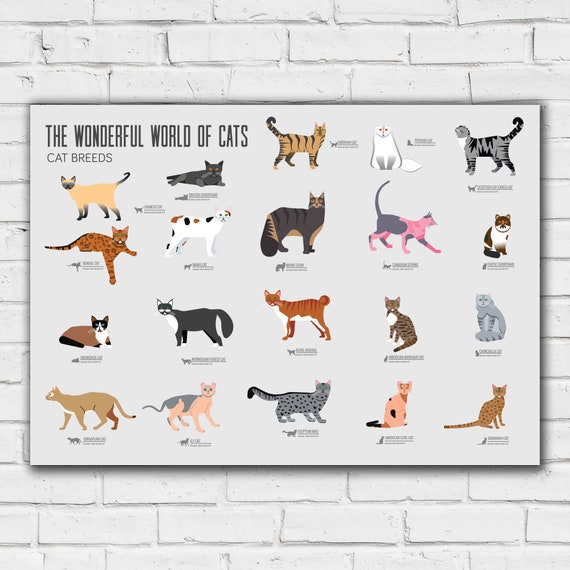
When we think of cats, most of us picture the common breeds like Siamese or Persian. But did you know there are several rare cat breeds that can capture your heart with their uniqueness? These rare breeds not only stand out due to their appearance but also have intriguing histories and characteristics.
Khao Manee
The Khao Manee, often referred to as the “Diamond Eye” cat, is a gem among rare breeds. Originating from Thailand, this breed is known for its striking white coat and eyes that can be blue, gold, or even odd-colored. In ancient times, they were considered a symbol of good fortune and were kept by Thai royalty. Imagine having a cat with such a regal lineage in your home!
Kurilian Bobtail
Hailing from the Kuril Islands, the Kurilian Bobtail is a breed with a wild look but a gentle heart. They are distinguished by their short, pom-pom-like tails and robust physique. Despite their rugged appearance, these cats are known for their friendly and social nature, making them great companions. Isn’t it fascinating how their wild ancestry blends seamlessly with domestic charm?
Serengeti
The Serengeti cat is a breed that’s all about elegance and grace. Developed with the aim to resemble the wild serval, Serengetis boast long legs, large ears, and a beautifully spotted coat. They are known for their energy and playful spirit, often surprising owners with their acrobatic antics. Have you ever considered the joy of sharing your space with a cat that mirrors the allure of the African savannah?
Exploring these rare cat breeds can lead you to discover a feline friend that not only fits your lifestyle but also adds a touch of the extraordinary to your everyday life. Which rare breed has caught your interest?
Credit: www.etsy.com
Breed Classification
Understanding how cat breeds are classified helps in recognizing their diversity. Cats are grouped by specific traits that show their origins and appearances. These classifications make it easier to identify and appreciate each breed’s uniqueness.
Pedigreed Vs Non-pedigreed
Pedigreed cats have a documented family tree. Breeders keep records of their lineage. These cats belong to recognized breeds with set standards. Non-pedigreed cats, often called domestic cats, do not have official breed documentation. They come in many mixed forms and are common as pets worldwide.
Hair Length Categories
Cat breeds are also grouped by hair length. The main types include:
- Short-haired:Cats with sleek, close-fitting fur.
- Long-haired:Cats with fluffy, thick coats.
- Semi-long-haired:Cats with medium-length fur.
This classification affects grooming needs and how cats adapt to climates.
Color Patterns
Color patterns play a big role in breed classification. Common patterns include:
- Solid:One uniform color.
- Tabby:Stripes, swirls, or spots.
- Bi-color:Two colors, often white with another color.
- Pointed:Darker ears, face, paws, and tail.
These patterns add to a cat’s unique look and charm.
Global Breed Recognition
Global breed recognition shows how cat breeds gain official status worldwide. Different organizations approve breeds based on strict standards. These groups help preserve breed traits and promote responsible breeding.
Each association has its own list of recognized cat breeds. The number and types of breeds vary. Understanding these main associations gives a clearer picture of global breed recognition.
Cfa Recognized Breeds
The Cat Fanciers’ Association (CFA) is one of the largest cat registries. It recognizes about 45 distinct cat breeds. CFA focuses on purebred cats with specific physical and personality traits.
CFA’s list includes popular breeds like the Persian, Siamese, and Maine Coon. The organization holds shows and events to celebrate these breeds. CFA plays a key role in promoting breed standards in North America.
Tica Recognized Breeds
The International Cat Association (TICA) recognizes over 70 cat breeds. It has a broader and more inclusive approach than CFA. TICA accepts many newer and experimental breeds.
TICA supports both pedigree and household pet categories. It holds global cat shows and encourages genetic diversity. This association helps popularize rare and emerging breeds worldwide.
Other Associations
Besides CFA and TICA, other groups also recognize cat breeds. The Fédération Internationale Féline (FIFe) is a major European registry. It lists around 50 breeds and promotes international standards.
Many countries have their own local cat associations. These groups focus on regional breeds or variations. Together, these organizations contribute to a diverse global recognition system.

Credit: www.freepik.com
Factors Influencing Breed Numbers
The number of recognized cat breeds is not fixed; it varies due to several important factors. These factors shape how many breeds exist and how they continue to evolve over time. Understanding these influences helps you appreciate why breed counts can differ between cat associations and regions.
Genetic Diversity
Genetic diversity plays a key role in defining cat breeds. Breeds with a wide gene pool tend to have more variations within them, sometimes leading to new breeds over time. On the other hand, very narrow genetic diversity can limit breed development and reduce the number of distinct breeds.
Have you noticed how some breeds look very similar but are classified separately? This often happens because of subtle genetic differences that breeders focus on preserving.
Breeding Practices
Breeding choices directly influence how many breeds exist. Selective breeding for specific traits like coat color, pattern, or personality can create new breeds. However, strict breeding standards can also limit the acceptance of variations, keeping breed numbers lower.
For example, some breeders prioritize health and temperament over appearance, which can affect whether a new breed gains recognition or stays unofficial. What qualities would you prioritize if you were developing a new cat breed?
Regional Variations
Geography affects breed recognition significantly. Some cat breeds are native to certain regions and may be unknown or unrecognized elsewhere. Different cat associations around the world recognize different breeds based on local history and interest.
Think about how the Egyptian Mau is celebrated in Egypt but less known outside. This regional focus means breed counts can vary depending on which country’s standards you look at.
Choosing The Right Breed
Choosing the right cat breed is important for a happy home. Each breed has unique traits that affect daily life. Understanding these differences helps find a cat that fits your lifestyle. Focus on key factors like personality, care, and energy needs. This makes living with your new pet easier and more enjoyable.
Temperament
Every cat breed shows different behavior. Some cats are calm and gentle. Others are playful and energetic. Some breeds like to be alone, while others enjoy company. Think about how much attention you can give your cat. Choose a breed that matches your social style. Friendly breeds suit families. Quiet breeds fit calm homes.
Care Needs
Care needs vary by breed. Some cats need daily grooming to keep their fur clean. Others shed less and need less brushing. Some breeds have health issues that require regular vet visits. Consider how much time and money you can spend on care. Pick a breed with care needs you can manage. This keeps your cat healthy and happy.
Activity Levels
Activity levels differ a lot between breeds. Some cats love to run and jump all day. Others prefer resting and quiet play. Active breeds need more toys and space to move. Less active breeds are fine in smaller homes. Match the cat’s energy to your lifestyle. This creates a good balance for both of you.

Credit: www.youtube.com
Frequently Asked Questions
How Many Cat Breeds Exist Worldwide?
There are about 70 to 100 recognized cat breeds globally. Different cat associations may list varying numbers. This range covers popular and rare breeds, each with unique traits and origins.
What Factors Define A Cat Breed?
A cat breed is defined by distinct physical traits, behavior, and genetic lineage. Breed standards set by cat associations help identify and classify breeds accurately.
Which Cat Breeds Are Most Popular?
Popular cat breeds include the Persian, Siamese, Maine Coon, and Bengal. These breeds are loved for their appearance, personality, and adaptability as pets.
Are New Cat Breeds Still Being Discovered?
Yes, new cat breeds are occasionally recognized. Breeders develop new breeds through selective breeding. This helps diversify the variety of cats available.
Conclusion
Cats come in many breeds, each with unique traits and charm. Knowing how many breeds exist helps us appreciate their variety. Whether fluffy or sleek, cats bring joy to many homes. Exploring different breeds can guide you to the perfect pet.
Every breed has its own story and special qualities. Cats truly show how diverse and wonderful nature can be.



Leave a Reply