Have you ever wondered what makes your cat unique? A cat DNA test can reveal the secret mix of breeds that make up your furry friend.
But what breeds are actually shown in these tests? Knowing this can help you understand your cat’s personality, health risks, and special traits. If you want to discover the surprising breed roots hidden in your cat’s DNA, keep reading—this guide will break down exactly what you can expect from a cat DNA test and how it can deepen your bond with your pet.

Credit: www.rover.com
Popular Cat Breeds In Dna Tests
Cat DNA tests reveal the unique mix of breeds in your feline friend. These tests identify common breeds and some rare types. Understanding breed makeup helps explain your cat’s looks and behavior. Many popular breeds appear frequently in DNA test results.
Common Breeds Detected
- Domestic Shorthair: The most common mixed breed in many cats
- American Shorthair: Known for its strong build and friendly nature
- British Shorthair: Famous for its round face and dense coat
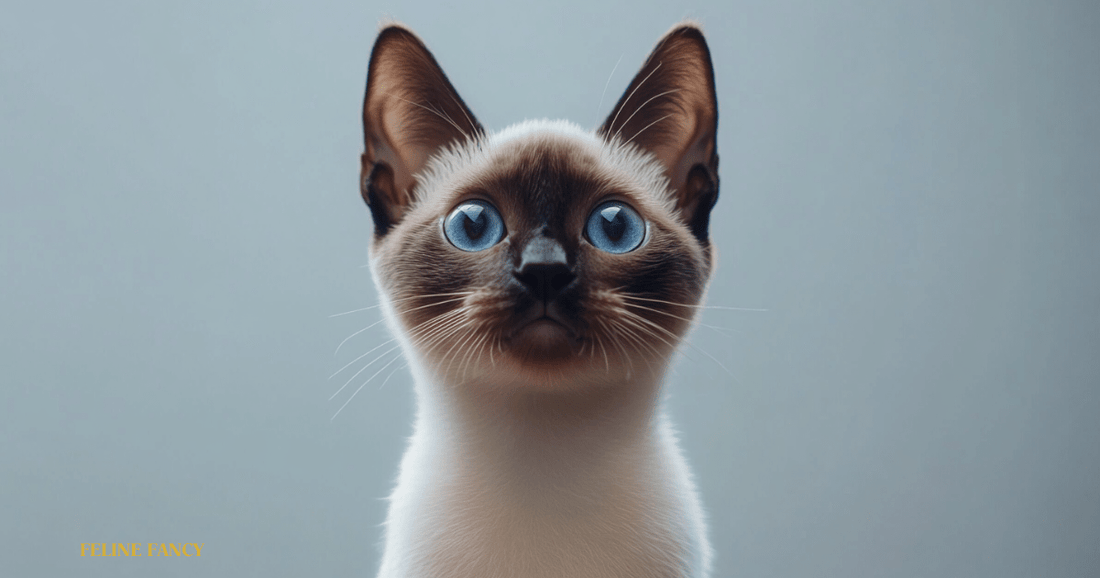
- Siamese: Recognized for striking blue eyes and vocal personality
- Maine Coon: Large size and tufted ears make it distinctive
- Ragdoll: Calm temperament with blue eyes and soft fur
- Bengal: Spotted coat resembling a wild leopard
Rare And Exotic Breeds
- Turkish Van: Known for swimming skills and unique coat pattern
- Scottish Fold: Ears fold forward giving a unique look
- Russian Blue: Silvery-blue coat with bright green eyes
- Norwegian Forest Cat: Thick coat suited for cold climates
- Singapura: Small size with large eyes and ears
- Peterbald: Sleek and hairless with a slender body
How Cat Dna Testing Works
Understanding how cat DNA testing works can give you a clearer picture of what breeds make up your feline friend. The process is straightforward but fascinating, combining a bit of biology with advanced technology. Let’s break down the key parts of this journey from your cat’s cheek to the DNA report.
Sample Collection Process
Collecting the DNA sample is simple and non-invasive. Usually, a small swab is gently rubbed inside your cat’s cheek to gather cells. This quick step causes no discomfort, and you can even do it at home following the kit instructions.
Once the sample is collected, it’s sealed and sent to a lab. The lab handles it carefully to avoid contamination, ensuring accurate results. Have you ever wondered how a tiny cheek swab can reveal so much about your cat’s heritage?
Genetic Markers Analyzed
At the lab, scientists examine specific spots in your cat’s DNA called genetic markers. These markers are unique sequences that differ among breeds and can indicate ancestry. The test compares your cat’s markers with a database of known breed markers.
By identifying patterns in these markers, the test can reveal which breeds your cat descends from and in what proportions. This deep dive into genetics helps you understand traits like coat color, behavior, and health risks tied to certain breeds. Imagine discovering traits in your cat that you never noticed before!
Traits Linked To Different Breeds
Cat DNA tests reveal more than just your feline’s breed—they uncover traits linked to those breeds. Understanding these traits helps you better care for your cat and appreciate their unique quirks. Let’s look at how different breeds influence physical features and behavior.
Physical Characteristics
Each breed brings distinct physical traits that show up in your cat’s appearance. For example, Siamese cats are known for their striking blue eyes and sleek bodies. Maine Coons often have tufted ears and a thick, bushy tail that helps them stay warm.
Traits like coat color, fur length, and body size often trace back to specific breeds in your cat’s DNA. If your DNA test shows a Bengal breed, you might notice spotted or marbled fur patterns. These physical traits aren’t just for looks—they can affect your cat’s grooming needs and overall health.
Behavioral Tendencies
Beyond looks, breed traits influence how your cat acts. Some breeds are more social, while others prefer solitude. For instance, Ragdolls are famous for their calm, affectionate nature, often going limp when held.
On the other hand, Abyssinians are curious and energetic, always exploring their surroundings. Knowing these tendencies can help you create an environment where your cat thrives. Have you noticed behaviors in your cat that match the breed traits from their DNA test?
Benefits Of Knowing Your Cat’s Breed
Knowing your cat’s breed helps understand its behavior and health needs better. Cat DNA tests show common and rare breeds, revealing your pet’s unique background. This knowledge supports proper care and strengthens your bond with your cat.
Understanding your cat’s breed offers many benefits. It helps you tailor care to their unique needs. Knowing their breed can enhance their health and happiness.Health Insights
Different breeds have different health needs. Some are prone to specific conditions. For instance, Persian cats may have respiratory issues. Siamese cats might face dental problems. Knowing your cat’s breed helps you anticipate these health risks. You can then take preventive steps early. This knowledge leads to better health outcomes for your cat.Tailored Care Tips
Each breed has distinct care requirements. Long-haired breeds need regular grooming. Short-haired cats might need different grooming routines. Some breeds are more active and need more playtime. Understanding your cat’s breed helps you meet these needs effectively. This ensures your cat is comfortable and well-cared for. Tailored care improves their quality of life.Limitations Of Cat Dna Tests
Cat DNA tests offer fascinating insights into your pet’s heritage. Still, they come with some limits you should know. These tests cannot always give a full or exact picture of your cat’s breed mix. Understanding these limits helps set the right expectations.
Accuracy Challenges
DNA tests rely on reference databases of known cat breeds. If a breed is rare or poorly represented, the results may be less accurate. The test might confuse similar breeds or miss subtle differences. Sometimes, the test shows breeds that are only a small part of your cat’s ancestry.
Errors can also come from sample quality. A poor swab or contaminated sample lowers accuracy. Some tests cannot distinguish breeds that share many genes. This can make results seem unclear or incomplete.
Mixed Breed Complexities
Many cats are mixed breeds with complex backgrounds. Their DNA includes many breeds blended over generations. This mix makes it hard for tests to identify all breeds correctly. Some breeds may not appear at all, even if they are part of the mix.
Tests often report the closest matching breeds, not every ancestor. This means your cat’s unique mix might not show fully. Mixed breed cats may get broad or general results instead of specific breeds.
Credit: basepaws.com
Choosing The Right Dna Test For Your Cat
Choosing the right DNA test for your cat helps reveal its breed mix and health traits. Different tests offer various features. Picking a test that matches your needs ensures better results. Some focus on breed identification, others on genetic health risks. Understanding these options guides a smart choice for your feline friend.
Test Features To Consider
- Breed Coverage: Check how many breeds the test can detect.
- Health Screening: See if the test includes genetic health markers.
- Accuracy: Look for tests backed by scientific research.
- Sample Type: Most tests use cheek swabs; some may require blood.
- Turnaround Time: Choose a test with a delivery time you prefer.
- Report Detail: Detailed reports provide more insights on your cat.
- Customer Support: Reliable help is useful for questions and guidance.
Top Brands And Services
| Brand | Breed Detection | Health Screening | Report Type | Turnaround Time |
|---|---|---|---|---|
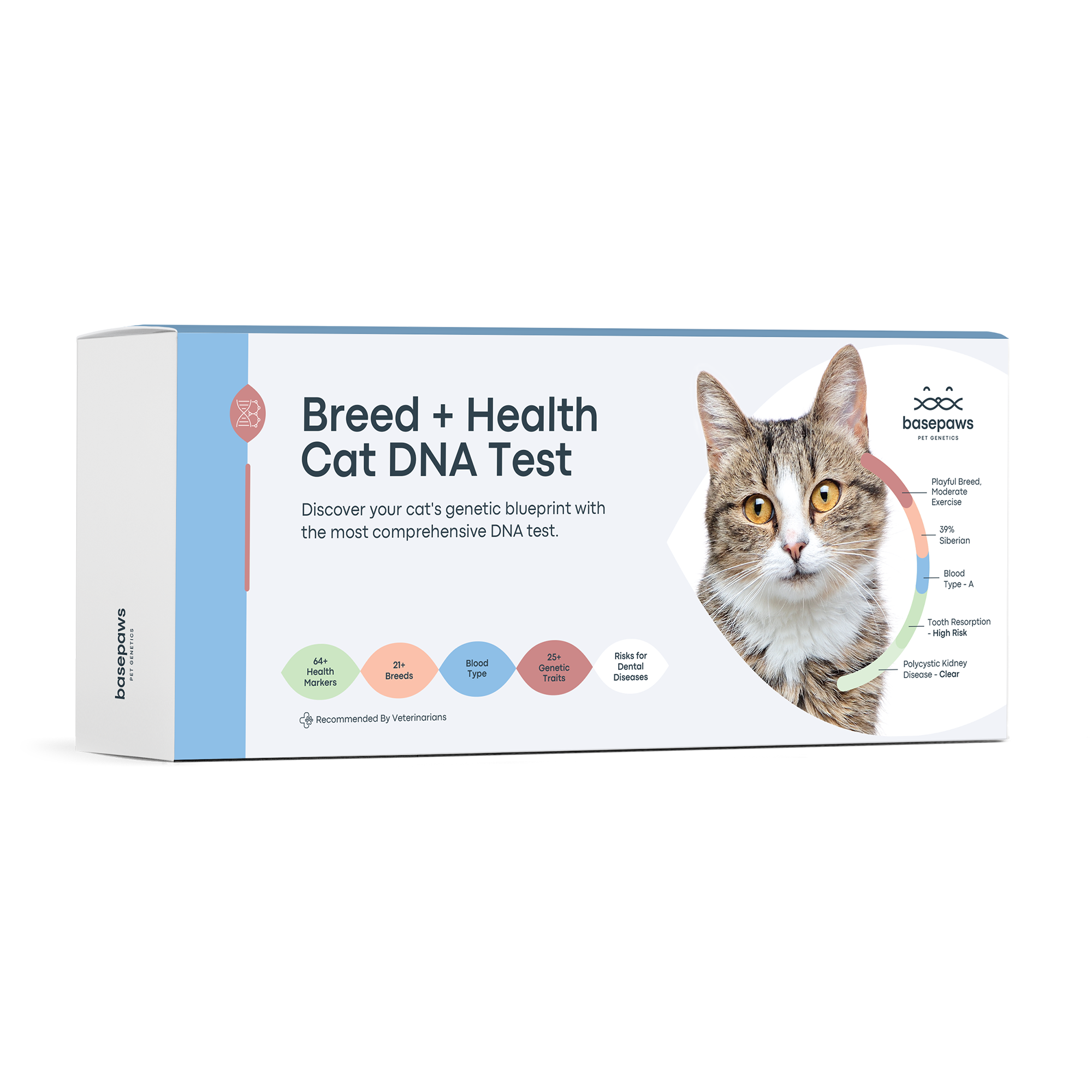
| Basepaws | Over 40 breeds | Yes, multiple conditions | Interactive and detailed | 2-4 weeks |
| Wisdom Panel | Up to 50 breeds | Yes, health and traits | Comprehensive report | 3-5 weeks |
| Orivet | Wide breed database | Optional health screening | Easy-to-read report | 2-3 weeks |
Interpreting Your Cat’s Dna Results
Getting your cat’s DNA test results can feel like opening a treasure chest filled with surprises. But understanding what those results mean is key to truly appreciating your feline friend’s unique makeup. Let’s break down how to interpret the breed information and what you can do once you have the insights.
Reading Breed Reports
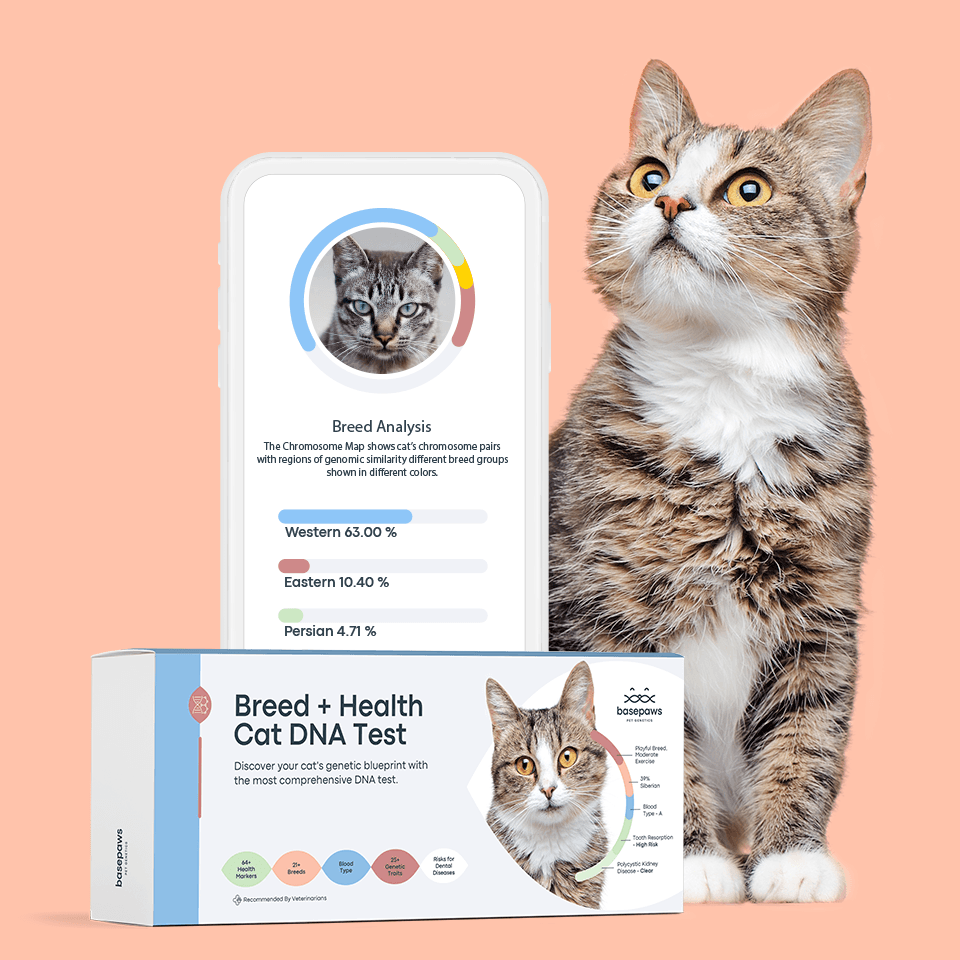
Your cat’s DNA report usually lists breeds along with percentages indicating how much of each breed is present. This helps you see which breeds contribute to your cat’s traits, like coat color, behavior, and health risks.
Some reports also highlight rare or unexpected breeds, which might explain certain quirks your cat has. Keep an eye out for breed-specific characteristics mentioned in the report—they can give clues about your cat’s personality or care needs.
Don’t get overwhelmed if the report shows many breeds in small amounts. It’s normal for mixed-breed cats to have a complex genetic background. Focus on the dominant breeds first; they usually have the biggest influence.
Next Steps After Testing
After you understand the breed breakdown, think about how this information can improve your cat’s life. For example, if your cat has breeds prone to certain health issues, you can discuss preventive care with your vet.
Breed insights might also guide you in choosing the best diet or enrichment activities tailored to your cat’s natural tendencies. Have you noticed behaviors that suddenly make sense after seeing their breed mix?
Sharing your cat’s DNA story with friends or fellow cat lovers can also spark fun conversations and connect you with others who have similar breed combinations. What new things will you try with your cat now that you understand their genetic background?
Credit: basepaws.com
Frequently Asked Questions
What Cat Breeds Are Identified In Dna Tests?
Cat DNA tests typically identify breeds like Siamese, Maine Coon, Persian, Ragdoll, Bengal, and Scottish Fold. These tests analyze genetic markers to pinpoint breed ancestry with accuracy. Results help owners understand their cat’s unique traits and health predispositions linked to specific breeds.
How Accurate Are Cat Breed Dna Tests?
Cat DNA tests are generally 90-99% accurate in identifying breeds. Accuracy depends on the test’s database and the number of breeds included. Reliable tests compare your cat’s DNA to a broad reference sample for precise breed identification.
Can Dna Tests Detect Mixed Cat Breeds?
Yes, DNA tests can detect mixed breeds by identifying multiple breed markers. They reveal the percentage of each breed present in your cat’s genetic makeup. This helps owners understand the diverse ancestry of their feline companion.
Are Rare Cat Breeds Included In Dna Tests?
Most cat DNA tests cover common and rare breeds, but inclusion varies by test provider. Leading tests include a wide range of breeds to ensure comprehensive results. Always check the test’s breed list before purchasing.
Conclusion
Cat DNA tests reveal many different breeds in your pet’s makeup. They show common breeds like Siamese, Maine Coon, and Persian. Mixed breeds also appear, showing your cat’s unique story. These tests help you understand your cat’s traits and health risks.
Knowing the breeds can improve how you care for your pet. DNA tests make pet care more personal and informed. Every cat has a special background to discover. Simple, clear results bring pet owners closer to their cats. Try a test and learn your cat’s true heritage.

Leave a Reply