Have you noticed your cat isn’t grooming like before? It’s easy to overlook, but when your furry friend stops cleaning themselves, it could mean more than just laziness.
Your cat’s grooming habits tell a lot about their health and happiness. Ignoring this change might lead to bigger problems down the line. You’ll discover the surprising reasons why your cat has stopped grooming and what you can do to help them feel their best again.
Keep reading—your cat’s well-being depends on it.
Common Causes Of Grooming Changes
Cats are usually fastidious groomers. Their grooming habits keep their fur clean and healthy. A sudden change in grooming behavior can signal a problem. Understanding common causes helps identify why your cat stopped grooming.
Changes in grooming often point to issues with health, stress, age, or environment. Each factor affects your cat differently. Observing these can guide you to help your pet feel better.
Health Issues Affecting Grooming
Illness or pain often cause grooming to decline. Skin infections, allergies, or parasites make grooming uncomfortable. Arthritis or injury can limit your cat’s movement. Dental problems may reduce grooming due to mouth pain. Regular vet checks catch these issues early.
Stress And Anxiety Triggers
Stress can stop cats from grooming normally. Loud noises, new pets, or changes in routine increase anxiety. Cats may groom less or over-groom in response. Providing a calm and safe space helps reduce stress. Routine and comfort items support relaxation.
Age-related Grooming Decline
Older cats often groom less than before. Reduced flexibility or arthritis makes grooming hard. They might miss spots or stop cleaning completely. Senior cats need extra care and assistance. Brushing helps keep their coat clean and healthy.
Environmental Factors
Changes in environment affect grooming habits. Moving to a new home or change in weather can disrupt routine. Dirty or uncomfortable living spaces also reduce grooming. Keeping a clean, stable environment encourages regular grooming. Provide cozy and quiet resting areas.

Credit: www.latimes.com
Signs Your Cat Needs Grooming Help
Noticing changes in your cat’s grooming habits can be worrying. Cats are usually meticulous groomers, so a sudden drop in self-care often signals they need your help. Recognizing the signs early can prevent discomfort and health issues for your furry friend.
Mattes And Tangles
Have you spotted clumps of fur sticking together or hard knots on your cat’s coat? Mattes form when fur isn’t brushed regularly, causing discomfort or even pain. These tangles can pull on your cat’s skin, leading to irritation or sores.
Regular brushing helps, but if your cat has stopped grooming, you might need to step in more often. Try gently working through the mats with a comb designed for cats or visit a groomer if the tangles are severe.
Unpleasant Odors
Does your cat smell different lately? A strong or unusual odor can mean dirt and oils are building up on their fur. Grooming helps distribute natural oils and keeps the coat clean, so a lack of grooming often leads to a musty or greasy smell.
If you notice this, give your cat a bath or wipe them down with pet-safe wipes. This can improve their comfort and freshen their scent until they’re ready to groom themselves again.
Skin Irritations
Watch for redness, bumps, or scabs on your cat’s skin. These signs might mean they’re scratching more due to itchiness or discomfort. Poor grooming can cause dirt and debris to irritate the skin or worsen allergies and infections.
Check your cat’s skin regularly and consult your vet if you see persistent irritations. Addressing skin problems early can prevent painful infections and help your cat feel better fast.
Excess Shedding
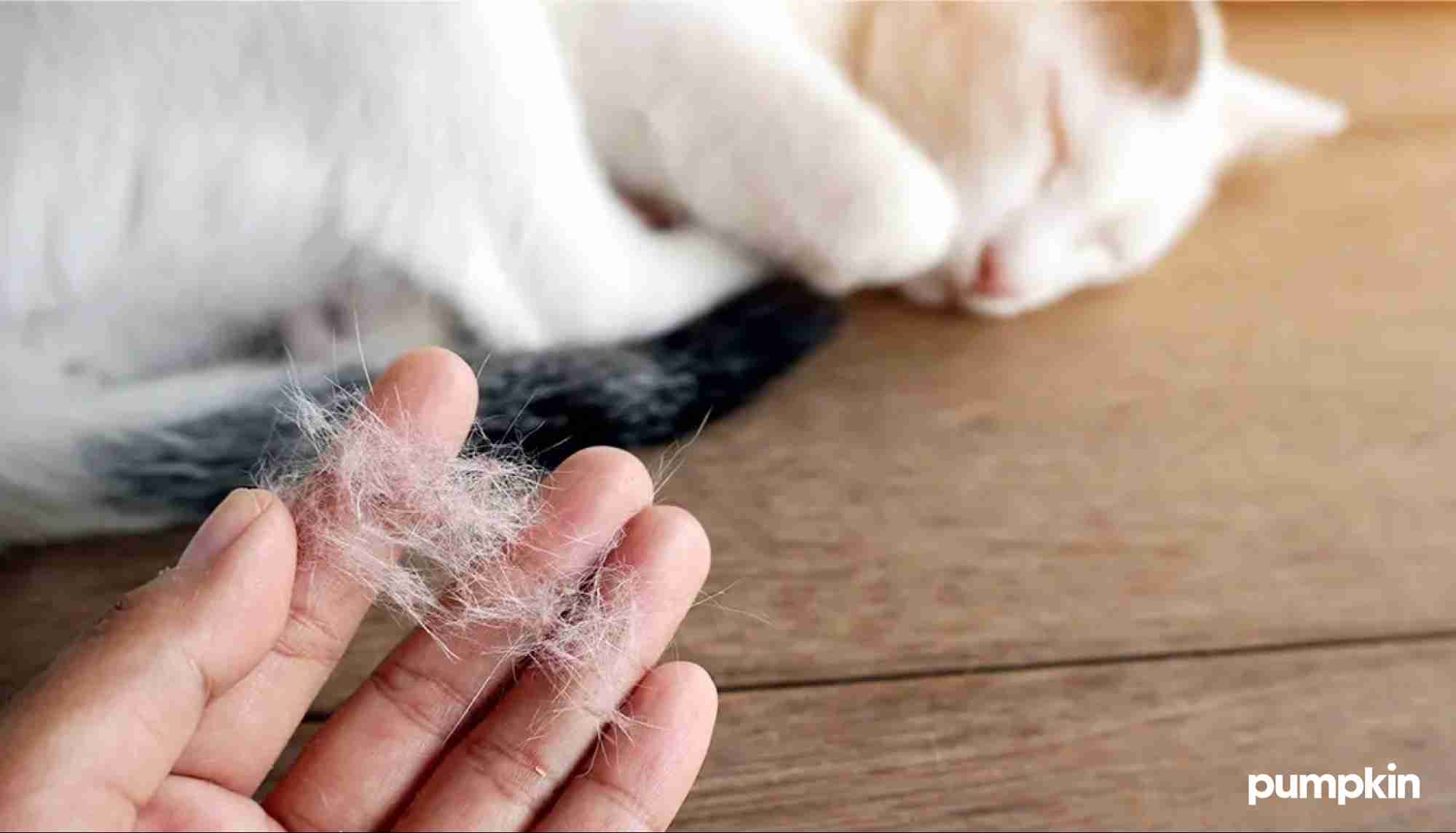
Is your cat leaving behind more fur than usual? Excess shedding might point to stress, illness, or a lack of grooming. Grooming removes loose fur, so without it, your cat’s coat can become patchy or matted.
Brush your cat daily to collect loose fur and keep their skin healthy. This simple step reduces shedding around your home and keeps your cat’s coat in good condition.
Quick Fixes To Encourage Grooming
Encouraging your cat to groom again takes patience and simple actions. Grooming helps keep your cat’s coat clean and healthy. A few small changes can make a big difference in your cat’s grooming habits.
Focus on gentle care and comfort. Creating a routine helps your cat feel safe and relaxed. Use tools and techniques that suit your cat’s needs. Pay attention to diet and hydration, which affect skin and fur health.
Regular Brushing Techniques
Brush your cat daily or every other day. Use a soft-bristle brush or a grooming glove. Start with short sessions to avoid stress. Brush in the direction of hair growth. This removes loose fur and dirt. It also helps spread natural oils across the coat.
Be gentle around sensitive areas like the belly and tail. Praise your cat with soft words or treats. This builds trust and encourages grooming behavior.
Creating A Calm Environment
Choose a quiet, comfortable spot for grooming. Reduce loud noises and sudden movements. Play soft music or keep the room calm. Give your cat time to relax before grooming. Use slow, gentle strokes to avoid startling them. A calm space makes grooming a positive experience.
Diet And Hydration Tips
Provide a balanced diet rich in omega-3 and omega-6 fatty acids. These nutrients support healthy skin and shiny fur. Include wet food or add water to dry food. Proper hydration prevents dry skin and promotes grooming. Fresh water should always be available. Avoid sudden diet changes that might upset your cat.
Using Grooming Aids And Tools
Try grooming aids like self-grooming brushes or mats. These tools allow your cat to groom at their own pace. Use nail clippers to keep claws trimmed and prevent injury. Consider grooming wipes for quick clean-ups. Always choose tools designed for cats. Proper grooming aids improve comfort and encourage regular grooming.
:strip_icc()/the-kitty-1011094438-5c3d1af5c9e77c00015e66a6.jpg)
Credit: www.thesprucepets.com
When To Visit The Vet
Observing your cat’s once meticulous grooming routine suddenly come to a halt can be concerning. While minor lapses in grooming aren’t uncommon, persistent neglect could indicate underlying health issues. Knowing when to consult your vet is essential in ensuring your feline friend’s well-being and comfort.
Identifying Serious Health Concerns
Changes in grooming habits might be linked to several health issues. Cats suffering from arthritis may find grooming painful due to joint discomfort. Dental problems could also deter grooming, as pain in the mouth makes it difficult for them to clean themselves.
Depression or stress can also play a significant role in your cat’s grooming behavior. If you notice additional symptoms like weight loss, lethargy, or changes in appetite, it’s time to take action. These signs indicate that a visit to the vet is crucial to rule out serious conditions.
Preparing For The Vet Appointment
Before heading to the vet, gather as much information as possible about your cat’s recent behavior. Document any changes in their eating patterns, litter box habits, and overall demeanor. This information will help your vet make an accurate diagnosis.
Consider taking a few photos or videos of your cat’s behavior if possible. This visual evidence can provide the vet with valuable insights. Also, prepare a list of questions or concerns you might have to make the most of your appointment.
Treatment Options For Grooming Issues
Once your vet identifies the cause of the grooming issues, they can suggest appropriate treatments. If pain is the culprit, medications can alleviate discomfort, allowing your cat to resume grooming. In cases of dental issues, dental cleanings or extractions might be necessary.
For stress-related grooming problems, environmental enrichment or behavior modification techniques could be recommended. Sometimes, simply adjusting your cat’s diet or adding supplements can make a significant difference. Always follow your vet’s advice and monitor your cat’s response to the treatment.
Your cat’s grooming behavior is an important indicator of their overall health. Keeping a close eye on any changes and knowing when to seek professional help can ensure your pet remains healthy and happy. Have you noticed any grooming changes in your cat recently?
Preventing Grooming Problems
Preventing grooming problems in your cat is crucial for maintaining their health and happiness. Grooming isn’t just about cleanliness; it reflects your cat’s physical and emotional well-being. By staying proactive, you can catch issues early and keep your feline friend comfortable and confident.
Routine Grooming Schedule
Setting up a regular grooming routine helps your cat stay clean and prevents fur mats and skin problems. Brushing your cat a few times a week can reduce shedding and distribute natural oils evenly across their coat.
Try to make grooming a calm, positive experience by using gentle strokes and offering treats. Have you noticed how your cat responds differently when you brush them regularly versus skipping days?
Monitoring Behavioral Changes
Changes in grooming habits often signal underlying health or emotional issues. Watch for signs like excessive licking, hair loss, or complete avoidance of grooming, as these can indicate pain, stress, or illness.
Ask yourself if there have been recent changes in your cat’s environment or routine that might be causing anxiety. Noticing subtle shifts in behavior early can make all the difference in getting your cat the help they need.
Safe Products For Cat Care
Choosing the right grooming products is essential to avoid skin irritation or allergic reactions. Always use shampoos and brushes made specifically for cats, as their skin is more sensitive than humans’ or dogs’.
Have you checked the ingredient list on your cat’s grooming products lately? Avoid anything with harsh chemicals, fragrances, or dyes that could harm your cat’s delicate skin.
Credit: www.pumpkin.care
Frequently Asked Questions
Why Has My Cat Suddenly Stopped Grooming Itself?
Cats may stop grooming due to illness, pain, stress, or depression. It is essential to observe behavior changes and consult a vet if grooming declines suddenly.
Can Health Issues Cause A Cat To Stop Grooming?
Yes, health problems like arthritis, dental pain, or skin infections can make grooming painful or difficult for cats, leading to reduced self-care.
How Does Stress Affect My Cat’s Grooming Habits?
Stress and anxiety can cause cats to neglect grooming. Changes in environment, new pets, or loud noises often trigger this behavior.
Is A Change In Diet Linked To Grooming Problems?
Poor nutrition can affect a cat’s coat and grooming behavior. Ensure a balanced diet to support healthy skin and fur maintenance.
Conclusion
A cat stopping grooming can signal health or stress issues. Watch your cat’s behavior closely for any changes. Offer gentle care and keep their environment calm. Visiting a vet can help find the cause quickly. Early attention helps your cat stay happy and healthy.
Don’t ignore signs of discomfort or pain. Your care makes a big difference in their life. Keep learning about your cat’s needs every day. Caring well leads to a stronger bond with your pet.

Leave a Reply