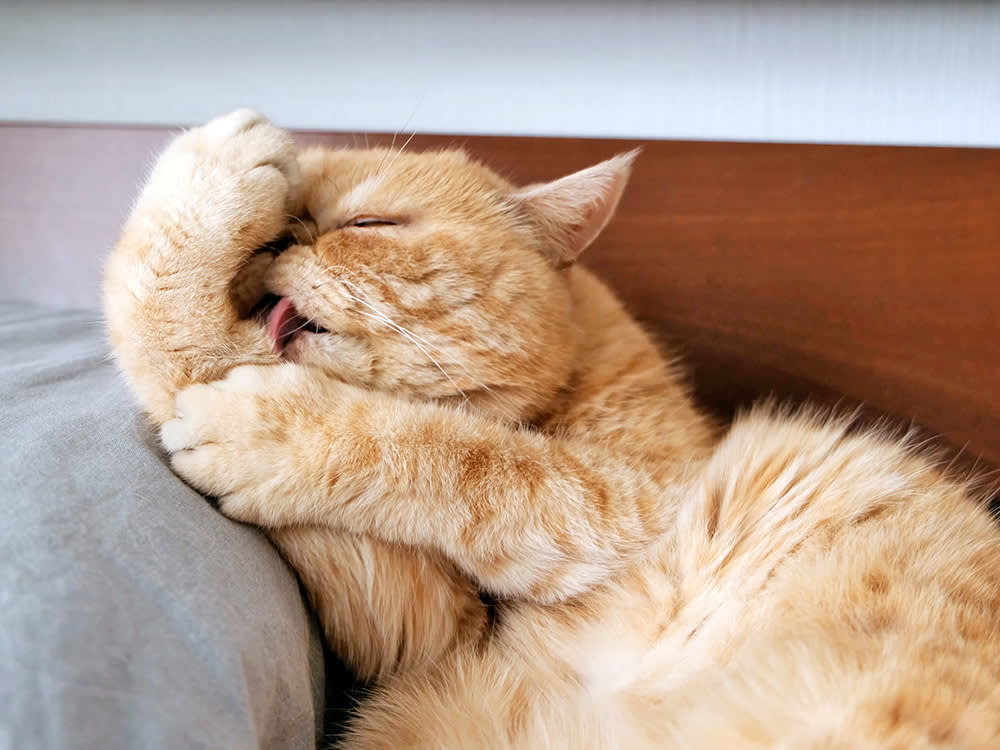
Have you ever watched your cat spend hours licking its fur and wondered, “Why do cats like grooming so much?” It’s more than just keeping clean. Your cat’s grooming habits are a window into its health, mood, and even how it feels about you.
Understanding why your feline friend loves grooming can help you connect with them on a deeper level. Keep reading, and you’ll discover surprising reasons behind this common behavior—and how it benefits your cat every day.
Cats And Grooming Habits
Cats are known for their meticulous grooming habits, which can seem almost obsessive to an outside observer. But have you ever wondered why your feline friend spends so much time cleaning themselves? Understanding their grooming habits offers insight into their behavior and health.
Daily Grooming Routine
Most cats groom themselves several times a day. This routine helps them stay clean and comfortable. You might notice your cat licking its fur, paws, and even behind its ears regularly.
This daily habit isn’t just about cleanliness—it also helps regulate body temperature and reduce stress. Have you ever seen your cat pause grooming to look completely relaxed afterward? That calmness is no coincidence.
Self-cleaning Techniques
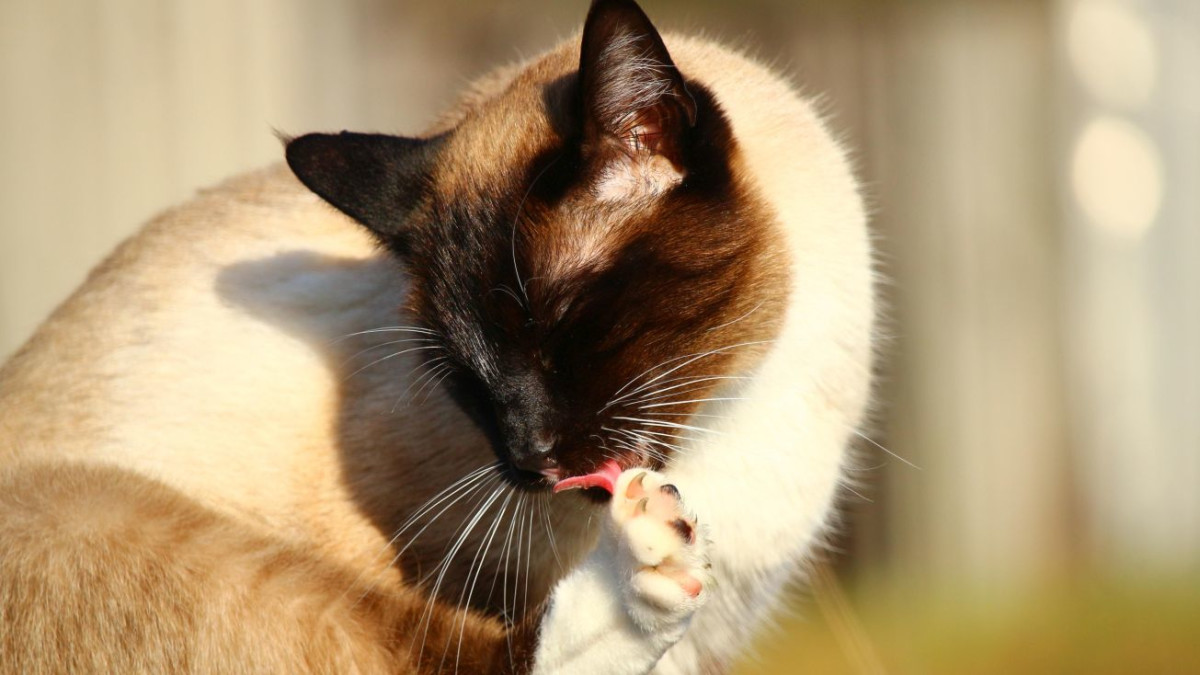
Cats use their tongues, which are covered in tiny, hook-like structures, to remove dirt and loose fur. This unique texture works like a natural comb. They also use their front paws to wipe their faces and clean hard-to-reach areas.
Another interesting technique is their fastidious attention to detail. They carefully lick each area, sometimes multiple times, to ensure thorough cleaning. Have you noticed your cat spending extra time on a particular spot? It might be a sign that area needs extra care or attention.
Next time your cat is grooming, pay close attention—you might learn something new about their health and mood.
Health Benefits Of Grooming
Grooming is more than just a habit for cats. It plays a vital role in keeping them healthy and comfortable. This natural behavior helps cats maintain their coat, protect their skin, and control parasites effectively.
Fur Maintenance
Grooming removes dirt and loose fur from a cat’s coat. This keeps the fur clean and shiny. It also stops mats and tangles from forming. A well-groomed coat helps cats stay warm in cold weather. It also helps cool them down in hot weather by improving air circulation.
Skin Protection
Saliva from grooming acts as a natural moisturizer for the skin. It prevents dryness and irritation. Grooming also removes dead skin cells. This process helps keep the skin healthy and smooth. Regular grooming reduces the risk of skin infections and wounds.
Parasite Control
Cats use grooming to spot and remove pests like fleas and ticks. Their tongues can catch and pull off these parasites. This helps reduce itching and discomfort. Grooming also lowers the chance of diseases spread by parasites. It is a key defense against infestations.
Emotional And Social Benefits
Grooming helps cats feel calm and relaxed. It also strengthens bonds with other cats and humans, building trust and friendship. This routine supports their emotional well-being and social skills.
Cats are fascinating creatures, and one of their most intriguing behaviors is their love for grooming. It’s not just about staying clean; grooming plays a significant role in their emotional and social well-being. Understanding these benefits can deepen your connection with your feline friend and enhance their quality of life.Stress Relief
Grooming serves as a natural stress reliever for cats. The repetitive motion of licking can calm their nerves and help manage anxiety. Think of it as a form of meditation, offering them a moment of peace amidst the chaos. Have you ever noticed your cat grooming themselves after a stressful event, like a visit to the vet? This self-soothing behavior is their way of coping. It’s an instinctive mechanism that helps them regain composure and feel more at ease in their environment.Bonding With Other Cats
Cats don’t just groom themselves; they often groom each other, a practice known as allogrooming. This behavior strengthens social bonds within a group, reinforcing trust and friendship among feline companions. If you have multiple cats, you might observe them grooming each other in hard-to-reach areas, like behind the ears. This act is a sign of affection and a way to nurture social connections. It’s their version of a warm hug or a friendly chat, fostering a sense of community.Comfort And Security
Grooming provides cats with a sense of comfort and security. The familiar scent and tactile sensation reassure them, making them feel safe and secure. Imagine your cat curling up and starting to groom themselves in their favorite spot. This ritual creates a personal haven, promoting relaxation and a feeling of home. It’s their way of marking their territory with their scent, enhancing their sense of ownership and belonging. Why do you think your cat might groom more in certain situations? Observing their grooming habits can offer insights into their emotional state and help you better understand their needs. Embrace these moments as opportunities to connect with your feline friend on a deeper level.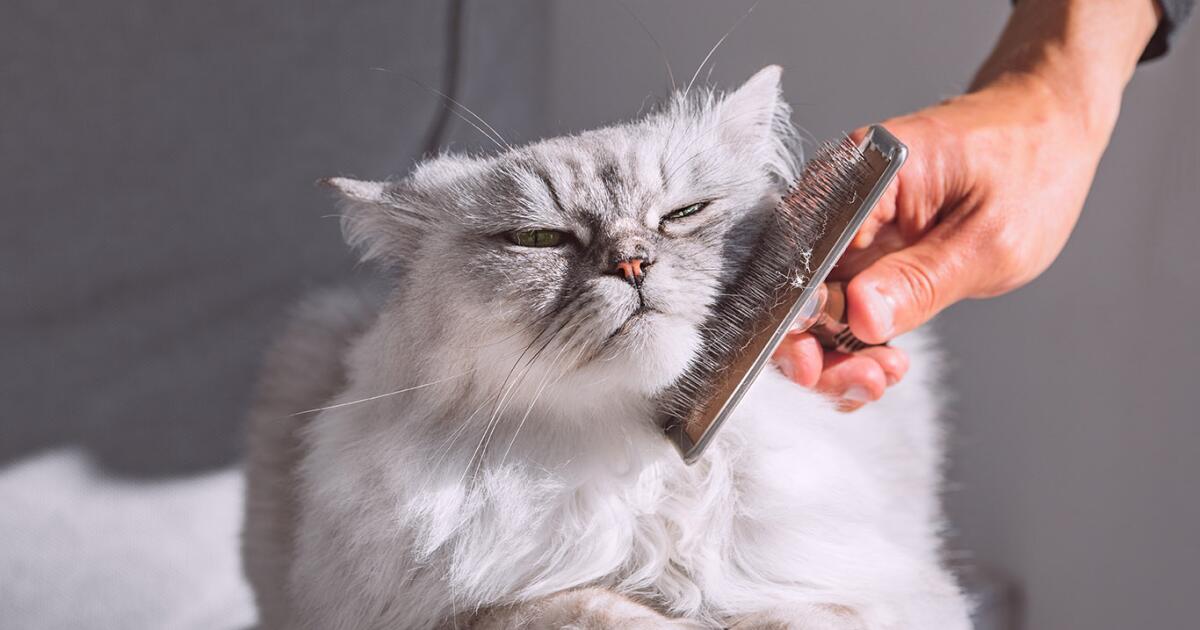
Credit: www.latimes.com
Grooming And Temperature Regulation
Cats spend a lot of time grooming themselves. This behavior does more than keep their fur clean. Grooming also helps cats control their body temperature. Their tongues help spread saliva over their fur, which cools them down as it evaporates.
In hot weather, grooming helps cats stay cool. The saliva evaporates, similar to how sweat works in humans. This natural cooling system is vital for cats, especially those without sweat glands all over their bodies.
Grooming also helps cats warm up in cold weather. By licking their fur, they spread natural oils that create a layer of insulation. This keeps heat close to their skin and protects them from the cold.
Saliva Evaporation And Cooling Effect
When cats lick their fur, saliva spreads evenly. The saliva evaporates quickly, removing heat from their skin. This process cools their body naturally. It acts like a built-in air conditioner for cats.
Insulation Through Fur Maintenance
Cats keep their fur smooth and fluffy by grooming. Fluffy fur traps air close to the skin. This air layer acts as insulation to keep them warm. Grooming helps maintain this protective layer.
Regulating Body Temperature Year-round
Grooming helps cats adjust to temperature changes. They groom more in hot weather to cool down. In cold weather, grooming ensures their fur stays insulated. This balance helps cats feel comfortable all year.
When Grooming Becomes Excessive
Cats love grooming. It helps them stay clean and calm. But grooming can turn into a problem. Excessive grooming may signal something wrong. It can harm their skin and fur. Knowing when grooming is too much is important.
Signs Of Overgrooming
- Hair loss in patches
- Red or irritated skin
- Scabs or sores on the body
- Constant licking or biting at the same spot
- Restlessness or anxiety behaviors
- Changes in appetite or sleep patterns
Possible Health Issues
Overgrooming can mean health problems. Skin infections may cause itchiness. Allergies can make cats lick too much. Stress and anxiety often trigger overgrooming. Parasites like fleas irritate the skin. Pain from arthritis or injuries leads to licking. Sometimes, grooming hides deeper medical issues. A vet checkup is best to find the cause.
Credit: pethelpful.com
How Owners Can Support Grooming
Supporting your cat’s grooming routine helps keep them healthy and happy. Cats groom to clean, cool down, and relax. Owners can make grooming easier and more enjoyable. This strengthens your bond and keeps fur neat.
Brushing Tips
Choose a brush that matches your cat’s fur type. Soft brushes work well for short hair. Long-haired cats need brushes with wider teeth. Brush gently in the direction of hair growth.
Brush often to prevent mats and tangles. Start with short sessions to let your cat get used to it. Use calm, slow strokes to avoid startling them. Praise and pet your cat during brushing.
Creating A Comfortable Environment
Pick a quiet, warm spot for grooming. Avoid noisy or busy areas that cause stress. Use soft lighting and a stable surface like a table or your lap.
Keep grooming tools close and ready. Have treats nearby to reward good behavior. Stay patient and watch your cat’s body language for signs of discomfort.
)
Credit: www.northroadvet.com.au
Frequently Asked Questions
Why Do Cats Groom Themselves Frequently?
Cats groom to clean their fur, remove dirt, and control body temperature. Grooming also reduces stress and strengthens social bonds.
How Does Grooming Benefit A Cat’s Health?
Grooming helps remove loose fur and parasites. It also stimulates blood circulation and supports skin health, keeping cats comfortable and healthy.
Do Cats Groom To Communicate With Others?
Yes, cats use grooming to show affection and establish social bonds. Mutual grooming helps build trust between cats.
Can Grooming Indicate A Cat’s Emotional State?
Excessive grooming may signal stress or anxiety. Lack of grooming can indicate illness or discomfort in cats.
Conclusion
Cats groom to stay clean and healthy. Grooming helps them remove dirt and loose fur. It also keeps their skin fresh and free from bugs. Cats feel calm and safe when they groom themselves. This habit strengthens their bond with other cats too.
Grooming is a natural way for cats to relax. Understanding this helps us care for our pets better. So, next time you see a cat grooming, know it’s more than just cleaning. It’s a key part of their well-being and comfort.

Leave a Reply