Is your cat suddenly spending hours grooming? You might think it’s just normal behavior, but when your cat is grooming a lot, it could be a sign that something is wrong.
Excessive licking or scratching can mean discomfort, stress, or even health issues. Understanding why your furry friend is over-grooming is key to helping them feel better. Keep reading to discover what might be causing this behavior and what you can do to keep your cat happy and healthy.
Reasons For Excessive Grooming
Excessive grooming in cats can signal several underlying issues. Cats usually groom to keep clean, but too much grooming may show discomfort or stress. Understanding the reasons helps in offering the right care. Here are common causes of excessive grooming in cats.
Allergies And Skin Irritations
Allergies often cause itchiness and redness on a cat’s skin. Cats may lick or scratch to ease the discomfort. Common allergens include certain foods, pollen, dust, and chemicals in cleaning products. Skin irritations from dry air or harsh shampoos also lead to over-grooming. Look for redness, bumps, or flaky patches on your cat’s skin.
Parasite Infestations
Fleas, ticks, and mites cause intense itching. Cats with parasites groom nonstop to remove these pests. Flea bites often cause allergic reactions, making the problem worse. Parasite infestations can spread quickly and cause skin infections. Regular checks and treatments are essential to stop excessive grooming caused by parasites.
Stress And Anxiety
Cats groom to calm themselves when stressed or anxious. Changes in their environment can trigger this behavior. Moving to a new home, loud noises, or new pets can cause anxiety. Over-grooming becomes a way to cope with nervousness. This behavior may lead to hair loss or skin damage over time.
Pain And Discomfort
Cats may groom a painful area more than usual. Grooming helps soothe sore muscles or joints. Injuries or arthritis can cause this behavior. Watch for limping, swelling, or sensitivity to touch. Excessive grooming can hide the pain, so careful observation is important.
Medical Conditions
Certain diseases cause skin problems and grooming changes. Hormonal imbalances, fungal infections, or autoimmune disorders affect the skin. Cats with these conditions may lick or bite their fur excessively. A veterinarian’s diagnosis is necessary to treat these medical issues effectively.
Signs To Watch For
Watching your cat groom often can signal more than just cleanliness. Cats groom to stay neat, but too much grooming may indicate problems. Spotting warning signs early helps keep your cat healthy and comfortable. Here are key signs to watch for when your cat grooms a lot.
Hair Loss And Bald Patches
Noticeable hair loss or bald spots show your cat is over-grooming. These areas may look smooth or irritated. Hair loss often points to skin issues, allergies, or stress. Check your cat’s coat regularly for any thinning or missing fur.
Redness And Sores
Redness on the skin suggests irritation or inflammation. Sores or scabs appear when your cat scratches or licks too much. These wounds can become infected if untreated. Monitor your cat’s skin for any unusual redness or raw spots.
Changes In Behavior
Sudden behavior shifts may connect to grooming problems. Your cat might seem restless, anxious, or hide more than usual. Sometimes, cats groom excessively due to boredom or discomfort. Pay attention if your cat acts differently alongside heavy grooming.
Excessive Licking Sounds
Listen for frequent licking noises that seem intense or repetitive. This can show your cat is focused on one spot too much. Excessive licking may cause damage to the skin and fur. Notice if the licking sounds increase or become more urgent.
Home Remedies To Calm Grooming
Excessive grooming in cats may signal stress or skin issues. Offering gentle play and a calm space can help reduce their anxiety. Regularly checking for fleas and using soothing shampoos also eases discomfort and stops over-grooming.
Excessive grooming in cats can signal stress or discomfort. Addressing this behavior naturally can help keep your feline friend happy. Home remedies offer a gentle, effective approach to calm grooming habits.Regular Brushing
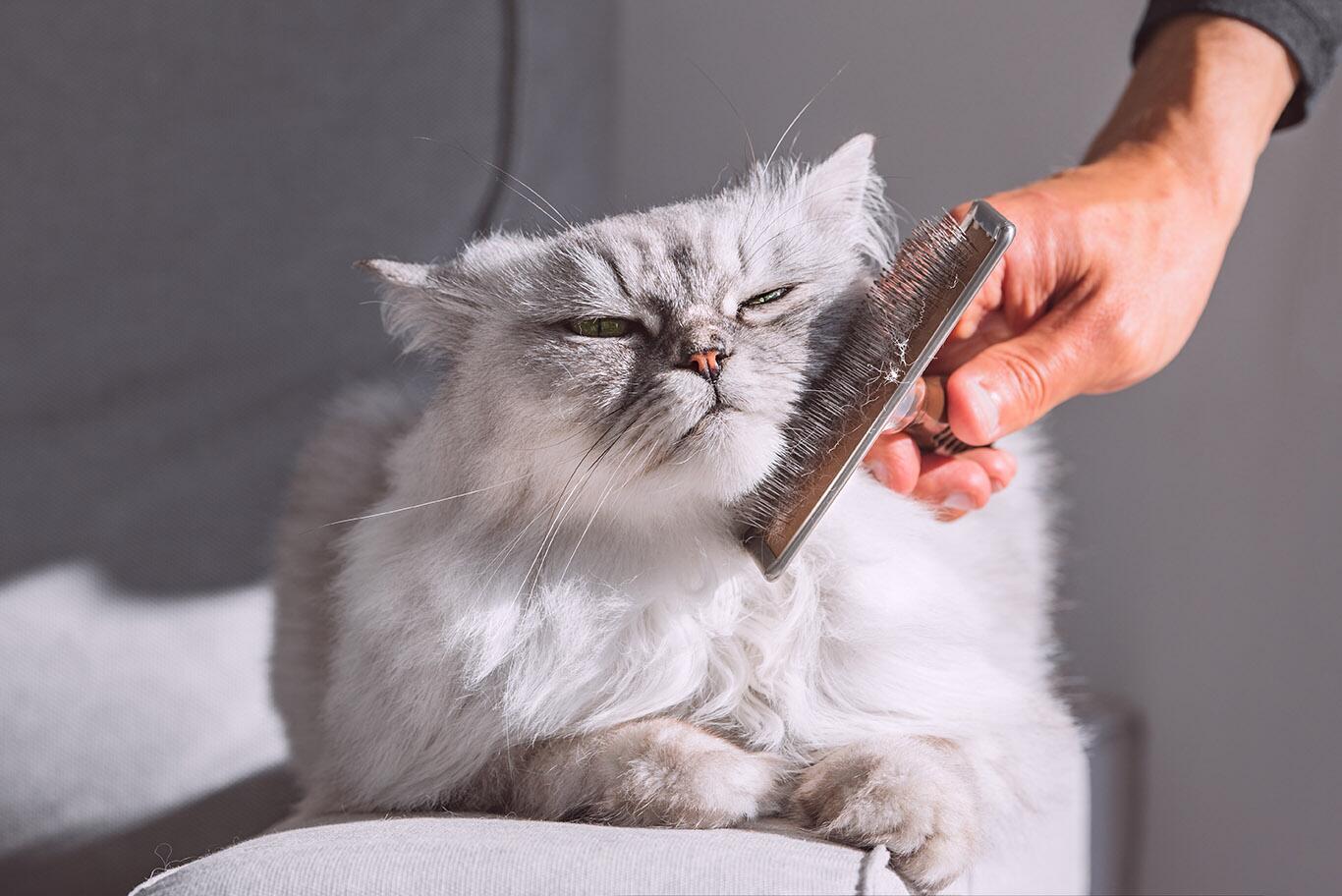
Regular brushing reduces loose fur and prevents tangles. It can also decrease your cat’s need to groom themselves excessively. Use a gentle brush suited for your cat’s fur type. This can make grooming sessions enjoyable and relaxing for your cat.Environmental Enrichment
A stimulating environment can distract your cat from over-grooming. Offer toys that encourage active play. Place scratching posts in areas they frequent. Interactive playtime can engage their mind and body, reducing stress.Comforting Your Cat
A calm environment soothes your cat’s nerves. Spend quiet time with them each day. Pet them gently and speak in a soft voice. This interaction strengthens your bond and provides comfort.Using Soothing Products
Soothing sprays or diffusers can calm anxious cats. Choose products with natural ingredients like lavender or chamomile. These scents create a peaceful atmosphere, helping to ease tension and reduce grooming.
Credit: www.latimes.com
When To See The Vet
Knowing when to see the vet can make a huge difference if your cat is grooming excessively. Sometimes, what looks like harmless licking can hide deeper health problems. Paying attention to warning signs helps you act quickly and keep your furry friend comfortable and healthy.
Persistent Skin Problems
If your cat keeps scratching or licking the same spot for days, it’s time to get a professional opinion. Constant grooming might cause redness, swelling, or hair loss that doesn’t improve. These symptoms could indicate allergies, parasites, or other skin conditions that need treatment.
Signs Of Infection
Watch out for oozing wounds, scabs, or foul smells around your cat’s skin. These are clear signals that an infection could be developing. Ignoring infections might lead to serious complications, so immediate veterinary care is important.
Behavioral Changes
Has your cat suddenly become more withdrawn or irritable? Excessive grooming paired with mood changes can point to pain or anxiety. Don’t underestimate these shifts; they often signal underlying health or emotional issues that require professional help.
Unexplained Weight Loss
Excessive grooming combined with weight loss is a red flag you shouldn’t ignore. It might suggest internal problems like hyperthyroidism or digestive disorders. If your cat looks thinner despite eating normally, schedule a vet visit without delay.
Treatment Options
Excessive grooming in cats can signal discomfort or health issues. Treatment options target the root cause to ease your cat’s distress. A proper plan helps reduce grooming and improves well-being. Below are common treatments to consider.
Medications For Allergies And Parasites
Allergies and parasites often cause itching and over-grooming. Vets may prescribe:
- Antihistamines to reduce allergic reactions.
- Flea treatments to eliminate parasites.
- Anti-inflammatory drugs to calm irritated skin.
These medications help stop the itch and prevent skin damage.
Behavioral Therapy
Stress and anxiety can trigger excessive grooming. Behavioral therapy includes:
- Environmental enrichment with toys and climbing areas.
- Regular playtime to reduce anxiety.
- Calming pheromone diffusers to soothe your cat.
Changing your cat’s surroundings can lower stress and grooming habits.
Pain Management
Pain from injuries or arthritis may cause over-grooming. Pain relief options include:
- Vet-prescribed painkillers for short-term relief.
- Anti-inflammatory medications to reduce swelling.
- Physical therapy or gentle massage to ease discomfort.
Managing pain helps your cat feel better and groom less.
Dietary Adjustments
Nutrition plays a role in skin health and grooming. Consider:
- Switching to hypoallergenic or sensitive-skin cat food.
- Adding omega-3 fatty acids for healthy skin and coat.
- Ensuring a balanced diet with essential vitamins and minerals.
Good nutrition supports skin healing and lowers itchiness.
Credit: www.pumpkin.care

Credit: www.latimes.com
Frequently Asked Questions
Why Is My Cat Grooming Excessively?
Excessive grooming in cats can signal stress, allergies, or skin issues. It may also indicate parasites or pain. Observe your cat’s behavior and consult a vet to identify underlying causes and receive appropriate treatment.
Can Over-grooming Cause Health Problems?
Yes, over-grooming can lead to hair loss, skin irritation, and infections. It may cause sores or bald patches. Addressing the root cause early helps prevent these complications and maintains your cat’s skin health.
How Can I Reduce My Cat’s Grooming Habit?
Provide a stress-free environment and regular playtime to distract your cat. Ensure proper flea control and balanced nutrition. Consult a vet to rule out medical issues and discuss calming solutions if needed.
When Should I See A Vet About Grooming?
If your cat grooms excessively for days, causing bald spots or sores, see a vet. Sudden changes in grooming habits often signal health problems needing professional diagnosis and treatment.
Conclusion
Cats groom to stay clean and feel good. Too much grooming can mean stress or health problems. Watch your cat’s behavior and skin closely. Visit a vet if grooming seems odd or heavy. Small changes help your cat feel better fast.
Understanding your pet keeps them happy and healthy. Keep an eye on your furry friend daily. Caring for your cat shows love in simple ways.

Leave a Reply