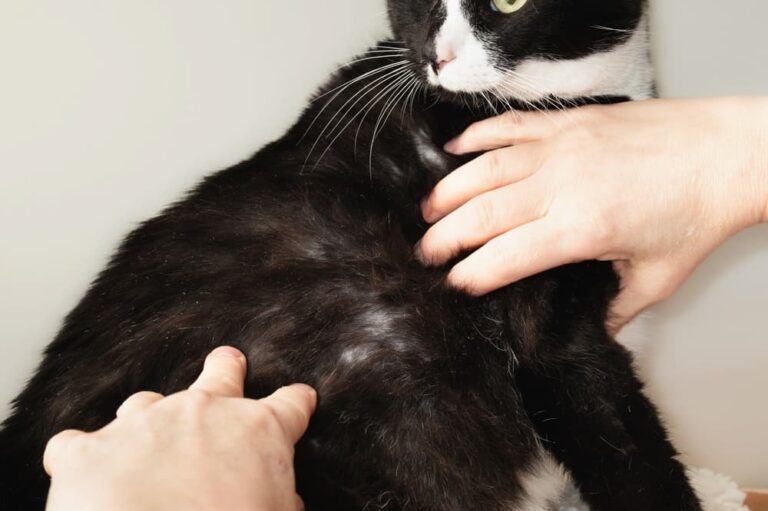
Have you noticed your cat licking itself more than usual, leaving patches of fur missing? It’s natural to worry when your furry friend starts over grooming and losing fur.
You might wonder what’s causing this behavior and if it’s something serious. Understanding why your cat is over grooming can help you take the right steps to keep your pet happy and healthy. Keep reading to discover the common reasons behind this issue and what you can do to help your cat feel better.
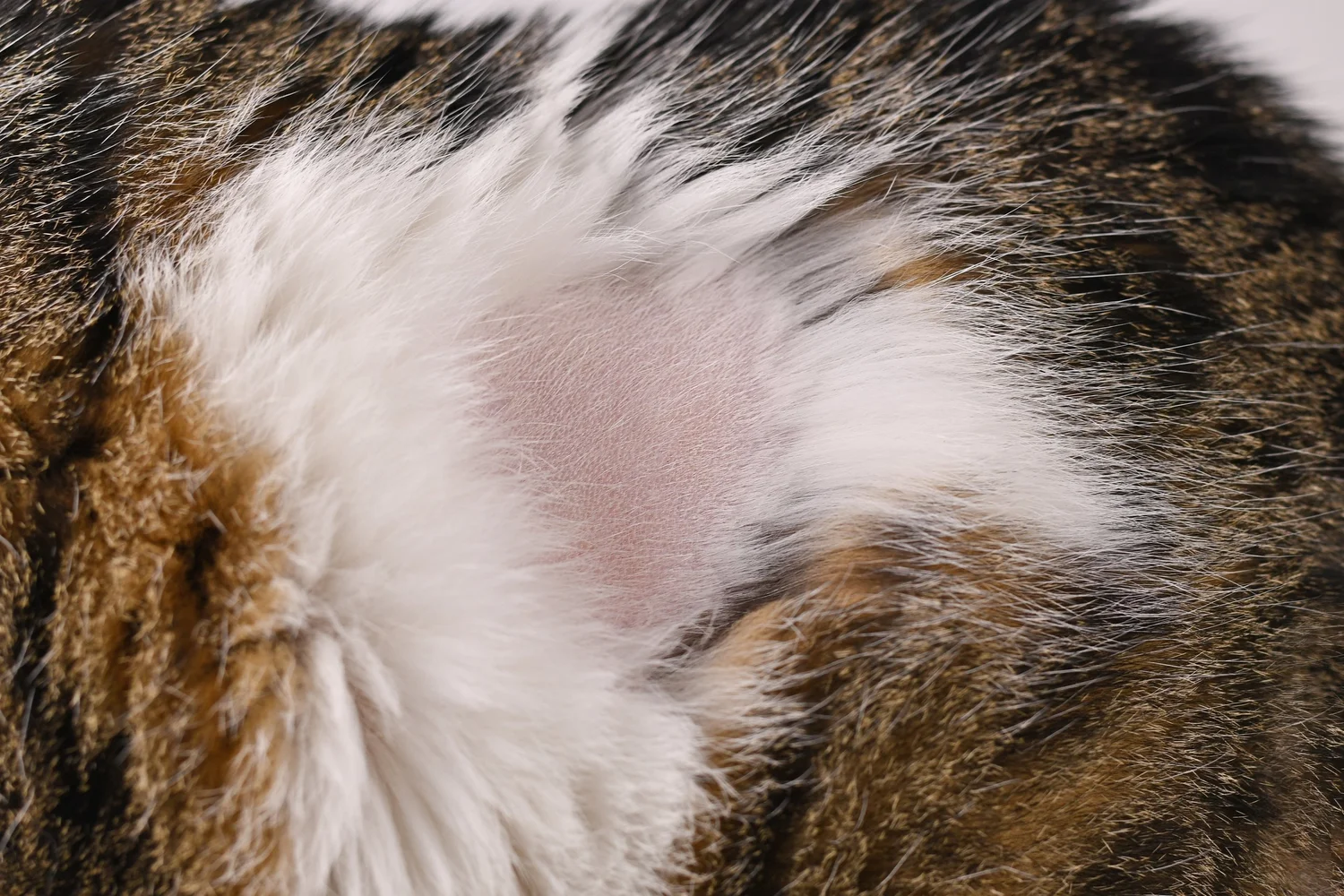
Credit: www.animalcareclinicjc.com
Reasons Behind Over Grooming
Over grooming in cats can signal underlying problems. Cats may lick or scratch too much, causing fur loss and skin damage. Understanding why a cat over grooms helps find the right solution. Several factors can trigger this behavior.
Allergies And Skin Irritations
Allergies often cause itching and discomfort in cats. Common triggers include food, pollen, dust, or chemicals. Cats may lick or scratch to soothe irritated skin. This repeated grooming can lead to bald patches and sores.
Parasites And Infections
Fleas, mites, and ticks irritate a cat’s skin. These parasites cause intense itching and discomfort. Skin infections from bacteria or fungi also prompt excessive grooming. Treating parasites and infections stops the over grooming cycle.
Stress And Anxiety
Stress is a common cause of over grooming. Changes in environment, new pets, or loud noises upset cats. Grooming becomes a way to calm anxiety. This behavior can become compulsive and damaging if stress continues.
Pain And Discomfort
Injuries or arthritis may cause localized pain. Cats lick or groom the painful area to relieve discomfort. This focused grooming can cause fur loss and skin irritation. Veterinary care can help identify pain sources.
Nutritional Deficiencies
Poor diet affects skin and coat health. Lack of essential nutrients makes skin dry and itchy. Cats may groom excessively to ease irritation. Balanced nutrition supports healthy skin and reduces over grooming.
Identifying Symptoms
Recognizing the signs of over grooming and fur loss in your cat is the first step to helping them feel better. Paying close attention to these symptoms can guide you toward the right solution quickly. You might notice subtle changes at first, but catching them early can make a big difference.
Visible Hair Loss Patterns
Look closely at your cat’s coat. Are there specific patches where the fur looks thinner or completely gone? Hair loss often appears in spots your cat can easily reach, like the belly, legs, or around the neck.
These patterns can tell you if the problem is linked to grooming or something else, such as allergies or parasites. Have you noticed if the fur loss is symmetrical on both sides of the body? That detail can help your vet make a diagnosis.
Changes In Behavior
Has your cat become restless or more anxious lately? Over grooming is sometimes a sign of stress or discomfort. You might see your cat pacing, hiding, or avoiding interaction more than usual.
Observe when the grooming happens—is it after loud noises or changes in the household? Understanding the triggers can help you address the root cause instead of just the symptom.
Skin Redness And Sores
Check your cat’s skin under the fur for any red or inflamed areas. Constant licking can cause irritation, leading to sores or scabs. These spots might become infected if left untreated.
Even if the fur loss seems minor, skin damage tells you the problem is serious enough to require attention. Have you felt your cat’s skin recently? Is it warm or tender? These signs are important clues.
Excessive Licking Signs
Does your cat lick certain areas nonstop? You might hear the sound of licking more than usual or see damp patches on the fur. Excessive licking can be your cat’s way of coping with pain, itchiness, or stress.
Try to notice if the licking happens at specific times or in response to certain events. This can reveal whether your cat needs medical treatment or behavioral help. How often do you see your cat licking compared to before?
Diagnosing The Problem
Over-grooming and fur loss in cats can be concerning. Understanding the underlying cause is essential. A thorough diagnosis can help pinpoint the issue. Several diagnostic methods are available to identify the root cause.
Veterinary Examination
A vet visit is the first step. The vet examines your cat thoroughly. They check for visible signs of skin issues. They also assess your cat’s overall health and behavior.
Skin Tests And Biopsies
Skin tests help detect infections or parasites. A small skin sample might be taken. This biopsy can reveal deeper issues like fungal infections or allergies.
Allergy Testing
Allergies are a common cause of over-grooming. Allergy tests identify specific triggers. These tests can pinpoint food or environmental allergens.
Blood Work And Nutritional Analysis
Blood tests provide valuable health insights. They can detect hormonal imbalances or deficiencies. Nutritional analysis ensures your cat’s diet supports healthy skin and fur.
Treatment Options
Over grooming and fur loss in cats require careful treatment to ease discomfort. Treatment depends on the cause behind the behavior. A combination of approaches often works best to restore your cat’s health and happiness.
Medications And Topical Treatments
Veterinarians may prescribe medications to reduce itching and inflammation. Anti-inflammatory drugs help calm skin irritation. Antibiotics can treat infections caused by excessive licking. Topical creams or sprays soothe affected areas. These treatments protect the skin and promote healing.
Flea And Parasite Control
Fleas and parasites cause intense itching and grooming. Use vet-approved flea control products regularly. Treat your cat and home environment simultaneously. This breaks the cycle of infestation and discomfort. Preventing parasites stops further skin damage and fur loss.
Dietary Improvements
Poor diet can worsen skin conditions. High-quality food supports skin health and coat shine. Omega-3 fatty acids reduce inflammation and dryness. Consider hypoallergenic diets if allergies trigger over grooming. Balanced nutrition strengthens your cat’s natural defenses.
Behavioral Therapy And Enrichment
Stress and boredom increase grooming behavior. Provide toys and climbing spaces for mental stimulation. Spend time playing and cuddling daily. Calming pheromone diffusers may reduce anxiety. These steps help redirect your cat’s focus away from over grooming.
Pain Management
Underlying pain can cause excessive grooming. Arthritis or injuries may make your cat lick sore spots. Pain relief medications improve comfort and reduce licking. Always consult your vet for safe pain management options. Addressing pain supports overall recovery and well-being.
Preventing Over Grooming
Preventing over grooming in cats helps protect their skin and fur health. Over grooming can cause fur loss and skin problems. Stopping this behavior early keeps your cat comfortable and happy.
Regular Vet Checkups
Regular vet visits catch health issues early. Skin infections, allergies, or parasites often cause over grooming. A vet can diagnose these problems and suggest treatments. Routine checkups ensure your cat stays healthy and prevents fur loss.
Stress Reduction Techniques
Stress often triggers over grooming in cats. Creating a calm home environment helps reduce anxiety. Try soft music, quiet spaces, or gentle playtime. Consistent daily routines also make cats feel safe and relaxed.
Proper Nutrition
A balanced diet supports healthy skin and fur. Nutrient deficiencies can lead to itching and over grooming. Feed high-quality cat food rich in omega-3 fatty acids and vitamins. Consult your vet about supplements if needed.
Environmental Enrichment
Stimulating your cat’s mind prevents boredom and stress. Provide toys, scratching posts, and climbing areas. Rotate toys to keep interest high. Interactive play sessions strengthen your bond and reduce over grooming behaviors.

Credit: www.feliway.co.uk
When To Seek Professional Help
Knowing when to seek professional help for your cat’s over grooming and fur loss is crucial. Ignoring warning signs can lead to more serious health problems. Your cat relies on you to notice changes early and act promptly.
Persistent Hair Loss
If your cat continues to lose fur despite your efforts to help, it’s time to consult a vet. Hair loss lasting more than a few weeks often signals an underlying issue like allergies, parasites, or infections. Don’t wait for the problem to worsen—early diagnosis can make treatment easier and more effective.
Worsening Skin Conditions
Look closely at your cat’s skin. Redness, sores, scabs, or increased irritation are signs that professional care is needed. A vet can determine if your cat has an infection or a more serious skin disorder requiring medication or special treatment.
Behavioral Changes
Notice any shifts in your cat’s behavior, such as increased anxiety, aggression, or withdrawal. Over grooming can sometimes be a sign of stress or pain. A vet or animal behaviorist can help identify the cause and suggest ways to support your cat’s emotional and physical well-being.
Lack Of Improvement With Home Care
If you’ve tried recommended home remedies like changing diet, improving the environment, or using over-the-counter treatments and see no improvement, professional advice is necessary. Vets can perform tests to find hidden causes like hormonal imbalances or allergies. Don’t keep guessing—getting expert guidance can save your cat discomfort and prevent further hair loss.
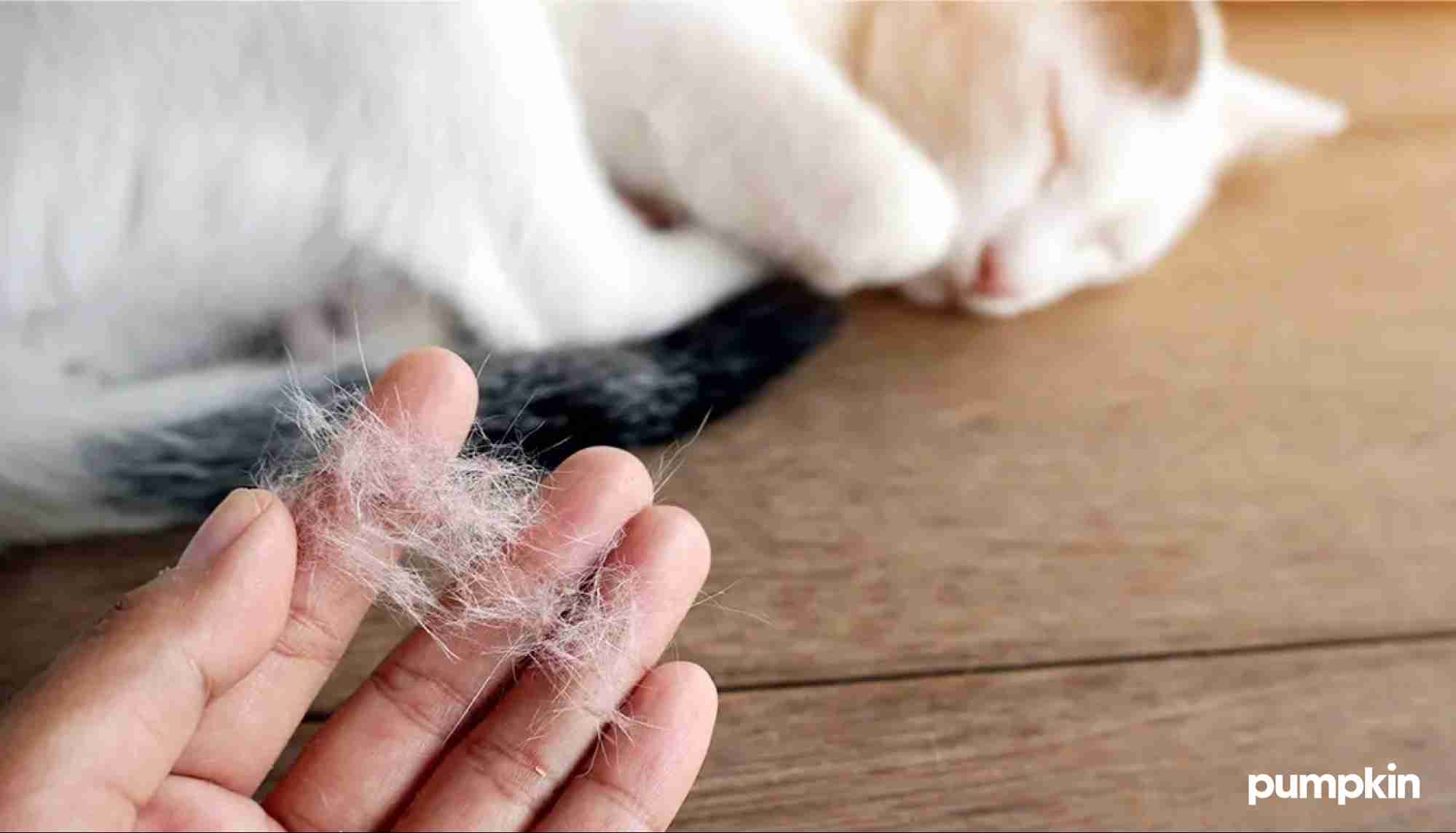
Credit: www.pumpkin.care
Frequently Asked Questions
Why Is My Cat Over Grooming And Losing Fur?
Cats over groom due to stress, allergies, parasites, or skin infections. Excessive grooming causes fur loss and skin irritation. Identifying the cause helps treat the issue and prevents further hair loss.
Can Stress Cause Cat Over Grooming And Hair Loss?
Yes, stress can lead to over grooming in cats. Anxiety triggers repetitive licking, causing bald spots and skin damage. Reducing stress and providing a calm environment helps stop this behavior.
How Do Allergies Affect Cat Grooming Habits?
Allergies cause itching, making cats lick or bite their fur excessively. This leads to hair loss and skin sores. Identifying allergens and using vet-recommended treatments can relieve symptoms and reduce over grooming.
When Should I See A Vet For Cat Over Grooming?
Consult a vet if your cat has bald patches, redness, or sores. Persistent over grooming needs professional diagnosis to rule out infections, parasites, or underlying health issues. Early treatment improves recovery chances.
Conclusion
Cats over grooming and losing fur need attention and care. Stress, allergies, or skin problems often cause this behavior. Watching your cat closely helps spot changes early. Visiting a vet ensures the right treatment. Giving your cat a calm, safe space supports healing.
Healthy food and regular check-ups keep fur shiny and skin healthy. Act early to help your cat feel better soon. Your care makes a big difference in their comfort.

Leave a Reply