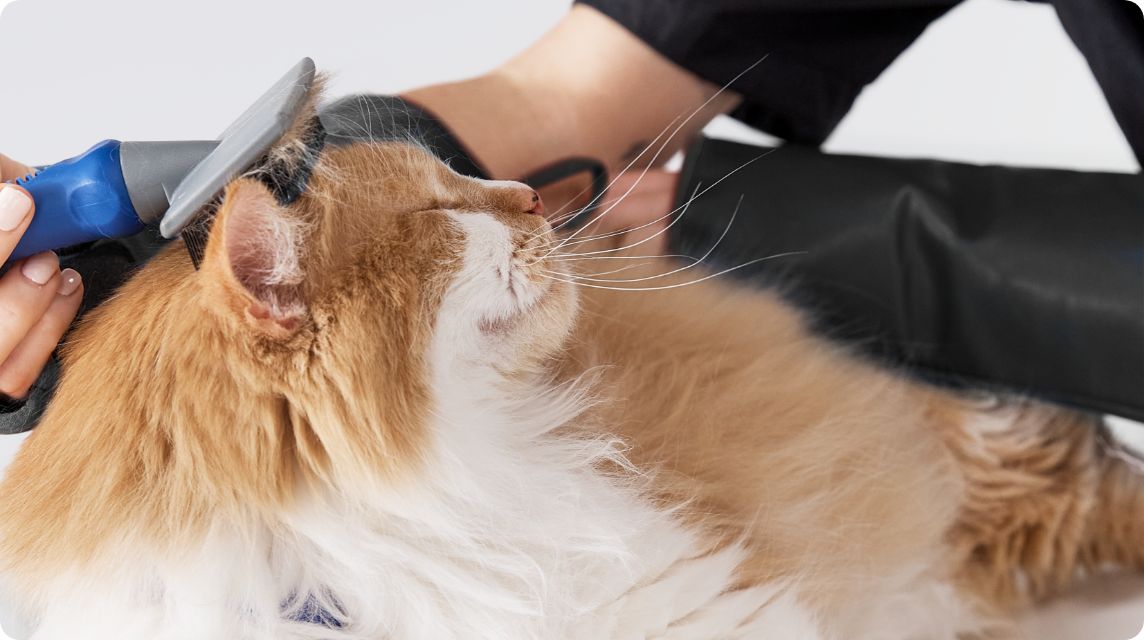
Are you wondering who takes care of your cat’s grooming needs? Whether your furry friend loves being pampered or hides at the sight of a brush, understanding who does cat grooming can make a big difference.
Grooming is more than just keeping your cat looking good—it’s about their health and happiness. You’ll discover the experts behind the scenes who keep your cat clean, comfortable, and content. Keep reading to learn how professional groomers and even you can make grooming a stress-free experience for your beloved pet.
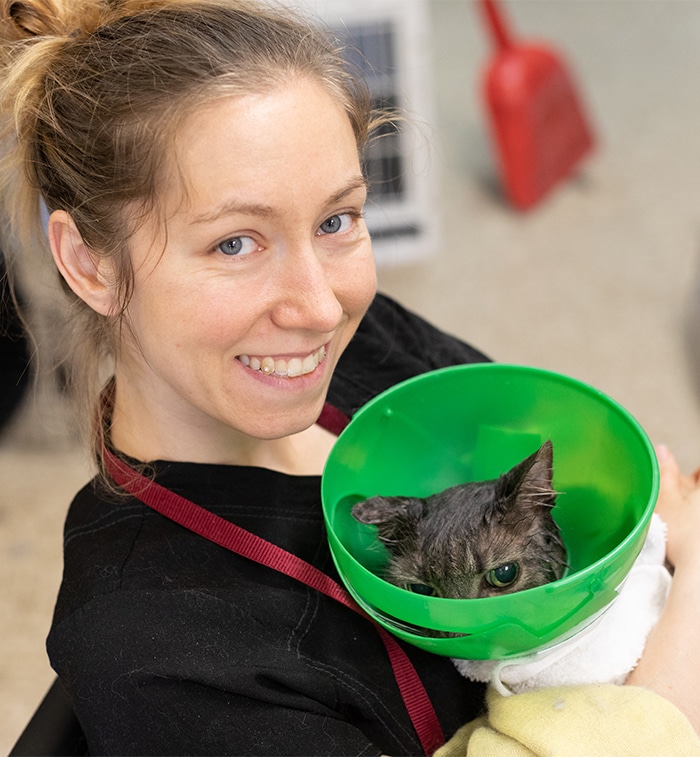
Credit: smoochie-pooch.com
Cat Grooming Professionals
Cat grooming professionals specialize in caring for cats’ coats and hygiene. They have the skills and tools to keep cats clean and healthy. These experts understand feline behavior and can handle cats safely during grooming sessions. Their work helps prevent matting, skin problems, and discomfort. They also trim nails and clean ears, improving overall cat wellness.
Types Of Groomers
- Mobile Groomers:They visit your home for grooming services. This reduces stress for shy or nervous cats.
- Salon Groomers:Work in grooming salons with special equipment. They offer baths, haircuts, and nail trims.
- Veterinary Groomers:Operate within veterinary clinics. They handle cats with medical needs or special care.
- Specialty Groomers:Focus on specific breeds or grooming styles. They provide expert care for long-haired or show cats.
When To Seek Expert Help
Professional grooming is important if your cat has thick or long fur. Matted hair can cause pain and skin infections. Cats with health issues may need careful grooming to avoid stress. If your cat resists grooming at home, experts can help. Regular grooming also helps spot health problems early.
Finding A Trusted Groomer
Choose a groomer with good reviews and experience. Ask about their training and how they handle cats. Visit the grooming place to check cleanliness and safety. Ensure they use gentle methods and proper equipment. Trust your cat’s comfort and safety above all.
Essential Grooming Tools
Essential grooming tools keep cats healthy and comfortable. These tools help remove dirt, loose hair, and tangles. Regular use prevents skin problems and mats. Grooming also reduces shedding around the house. Using the right tools makes grooming easier and safer for cats.
Brushes And Combs
Brushes and combs remove loose fur and dirt from a cat’s coat. They prevent mats and tangles, especially in long-haired cats. Different brushes suit different fur types. Soft bristle brushes work well for short hair. Slicker brushes are good for thick or long fur. Combs help find hidden knots and debris.
Nail Clippers
Nail clippers keep a cat’s nails short and safe. Long nails can scratch furniture and people. Trimming nails also stops them from getting caught in fabrics. Use clippers made for cats or small pets. Cut only the sharp tip to avoid pain or bleeding.
Shampoos And Conditioners
Shampoos and conditioners clean and protect a cat’s skin and coat. Use only products made for cats to avoid irritation. Shampoos remove dirt, oils, and odors. Conditioners soften fur and reduce static. Choose gentle formulas for sensitive skin. Bathing too often can dry out the skin.
Daily Grooming Practices
Regular grooming is essential for your cat’s well-being, ensuring they stay clean, healthy, and comfortable. Daily grooming practices not only prevent health issues but also strengthen the bond between you and your feline friend. Let’s dive into some key aspects of daily grooming that every cat owner should consider.
Brushing Techniques
Brushing your cat’s fur helps remove dirt, dead hair, and prevents matting. Choose a brush that suits your cat’s fur type—slicker brushes for long-haired breeds, and rubber brushes for short-haired ones. Always brush in the direction of hair growth to avoid discomfort and make the experience enjoyable for your cat.
Brushing also helps you check for fleas, ticks, or skin abnormalities. Make it a soothing ritual by speaking softly and offering treats. This way, your cat associates brushing with positive experiences.
Cleaning Ears And Eyes
Cleaning your cat’s ears and eyes can prevent infections. Use a damp cotton ball to gently clean around the eyes, removing any discharge. For ears, a cotton ball moistened with a vet-recommended solution helps keep them free of wax and debris.
Be cautious not to insert anything deep into the ear canal. If you notice any foul smell or excessive discharge, it’s time for a vet visit. Keeping these areas clean ensures your cat’s comfort and health.
Maintaining Dental Health
Dental health is often overlooked, but it is crucial. Regular brushing with a cat-specific toothbrush and toothpaste can prevent tartar buildup and gum disease. Introduce dental care gradually by allowing your cat to sniff and taste the toothpaste first.
Are there chew toys designed to keep your cat’s teeth clean? Absolutely, and they can be a fun addition to your cat’s dental routine. Remember, a healthy mouth means a happy cat.
Incorporating these daily grooming practices into your routine will keep your cat feeling their best. What grooming habits have you found most effective for your feline companion?
Handling Difficult Cats
Handling difficult cats during grooming requires patience and care. Some cats resist grooming and become stressed or scared. Understanding their behavior helps make the process smoother. Gentle techniques reduce fear and keep both cat and groomer safe.
Calming Strategies
Start by creating a quiet and calm environment. Speak softly to your cat to ease anxiety. Offer treats to build trust and reward good behavior. Use a soft towel or blanket for comfort. Short, gentle strokes help cats relax during grooming.
Safe Restraint Methods
Hold your cat gently but firmly to prevent sudden moves. Wrap your cat in a towel leaving the head exposed. Avoid tight grips that cause pain or fear. Use a grooming table with non-slip surfaces for stability. Always protect your hands with gloves if needed.
When To Stop And Seek Help
Stop grooming if your cat shows signs of stress or aggression. Signs include growling, scratching, or biting. Seek help from a professional groomer or vet if your cat is too difficult to handle. Safety is important for both you and your cat.
Health Benefits Of Grooming
Grooming is more than just making a cat look nice. It plays a big role in keeping cats healthy. Regular grooming helps avoid many health problems. It also keeps cats feeling good and comfortable every day.
Preventing Matting And Hairballs
Brushing a cat removes loose fur. This stops fur from tangling into mats. Mats can cause pain and skin problems. Grooming also lowers the chance of hairballs. Cats swallow loose fur while cleaning themselves. Removing fur by brushing means less fur is swallowed.
Detecting Skin Issues Early
Grooming gives a chance to check the skin. You can spot problems like redness, bumps, or parasites early. Early detection helps treat issues before they get worse. It also prevents infections and other serious conditions.
Boosting Cat’s Comfort
Regular grooming helps cats feel relaxed. It removes dirt, dead skin, and loose fur. This keeps the coat shiny and soft. Grooming also reduces itching and discomfort. Cats enjoy the gentle touch and attention.

Credit: www.latimes.com
Grooming Frequency By Breed
Cat grooming needs change based on the breed. Different fur types need different care. Some cats need daily brushing. Others only need grooming once in a while. Understanding your cat’s breed helps keep them clean and healthy.
Long-haired Cats
Long-haired cats need grooming often. Their fur can tangle and mat quickly. Brushing daily helps remove loose hair. It stops knots and reduces hairballs. Regular baths may also keep their coat fresh. Grooming long-haired cats prevents discomfort and skin problems.
Short-haired Cats
Short-haired cats need less grooming than long-haired cats. Brushing once or twice a week is usually enough. It removes dead hair and spreads natural oils. This keeps their coat shiny and healthy. Short-haired cats still enjoy occasional baths and nail trims. Grooming supports their skin and coat health.
Special Care For Sensitive Skin
Some cats have sensitive or allergy-prone skin. Use gentle brushes with soft bristles for grooming. Avoid harsh shampoos that can dry out their skin. Groom these cats less often to prevent irritation. Regular checks for redness or flakes help catch problems early. Special care keeps their skin comfortable and healthy.
Diy Grooming Tips
Taking care of your cat’s grooming at home can be a rewarding experience. It strengthens your bond and keeps your furry friend healthy and comfortable. Here are some practical tips to help you handle DIY cat grooming confidently and safely.
Creating A Grooming Routine
Consistency is key when grooming your cat. Set aside a regular time each week to brush their fur and check their skin. Short, frequent sessions often work better than long, rare ones because cats can get restless.
Try to make grooming a calm and positive experience. Use treats or gentle petting to reward your cat during and after grooming. This helps them associate grooming with something pleasant, making future sessions easier.
Using Home Remedies Safely
Some home remedies can help with grooming, but it’s important to know which are safe. For example, a damp cloth can gently clean dirty paws or face without the need for harsh chemicals. Coconut oil, in small amounts, may help soothe dry skin, but always test a small area first.
Avoid using human shampoos or essential oils directly on your cat—they can cause irritation or poisoning. If you want to try natural options, consult your vet to make sure they are safe and appropriate for your cat’s specific needs.
Avoiding Common Mistakes
One common mistake is forcing your cat to stay still during grooming. Cats respond better to patience and gentle handling. If your cat struggles, take a break and try again later to reduce stress.
Another error is neglecting to check your cat’s ears, teeth, and nails during grooming. These areas need regular attention to prevent infections or discomfort. Don’t forget to trim nails carefully and clean ears with vet-approved products.
How often do you check your cat for signs of skin issues or parasites? Early detection can save you from bigger problems later.

Credit: www.angiesmobilepetstyling.com
Frequently Asked Questions
Who Typically Performs Cat Grooming?
Cat grooming is usually done by professional groomers or pet owners. Professionals have specialized tools and knowledge. Owners groom cats at home to maintain hygiene and comfort.
How Often Should Cat Grooming Be Done?
Cats should be groomed weekly to prevent mats and hairballs. Long-haired breeds may need more frequent grooming. Regular grooming keeps cats healthy and reduces shedding.
What Services Are Included In Cat Grooming?
Cat grooming includes brushing, nail trimming, ear cleaning, and bathing. Some groomers offer flea treatments and haircuts. These services keep cats clean and comfortable.
Can I Groom My Cat At Home Safely?
Yes, home grooming is safe with proper tools and patience. Use a gentle brush and avoid sensitive areas. Regular grooming strengthens your bond with your cat.
Conclusion
Cat grooming helps keep your pet clean and healthy. Many people groom their cats at home with brushes and combs. Some prefer professional groomers for a thorough clean. Regular grooming reduces hairballs and skin problems. It also strengthens your bond with your cat.
Knowing who does cat grooming helps you choose the best care. Remember, gentle handling makes grooming easier for your cat. Clean cats feel happy and comfortable every day. Simple grooming routines can make a big difference. Keep your cat’s coat shiny and soft with regular care.



Leave a Reply