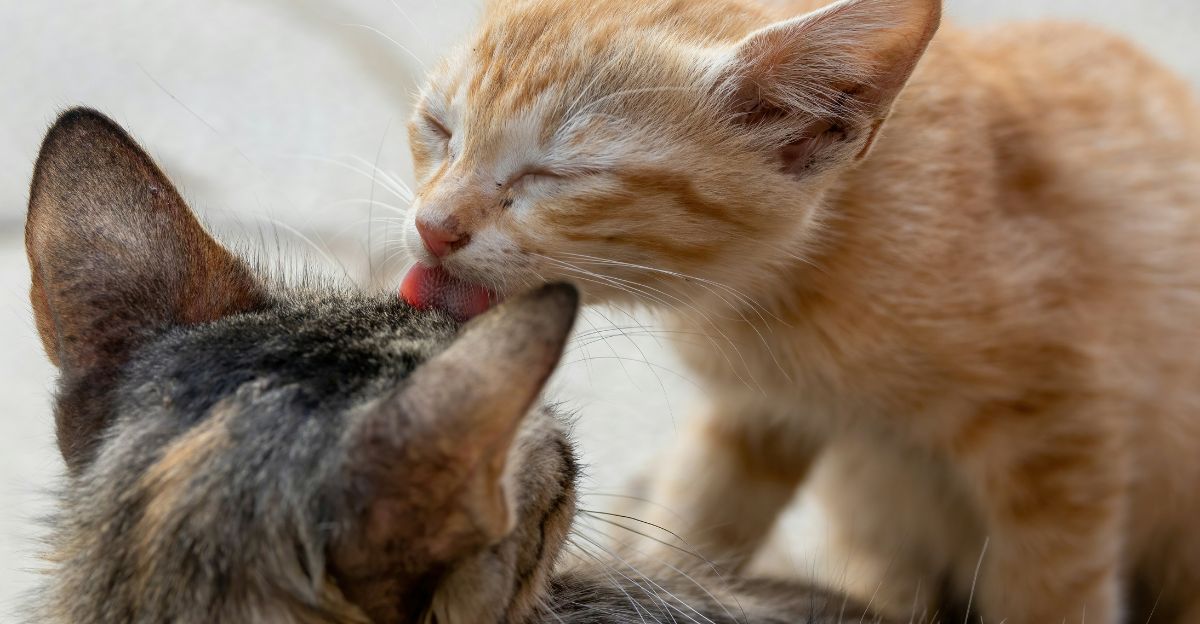
Have you ever watched cats gently cleaning each other’s ears and wondered why they do it? It’s more than just a cute habit.
When your cat grooms another’s ears, there’s a hidden story about trust, friendship, and health. Understanding this behavior can help you connect better with your furry friends and keep them happier. Keep reading to discover the surprising reasons behind this fascinating act and how it affects your cats’ well-being.
Social Bonding
Cats grooming each other’s ears is more than just a hygienic habit; it plays a crucial role in their social lives. This simple act helps cats build and maintain strong social bonds. Understanding why your feline friends engage in this behavior can deepen your appreciation of their complex relationships.
Strengthening Relationships
When cats groom each other’s ears, they are actively strengthening their social connections. This behavior often occurs between cats that feel comfortable and safe around each other. Grooming helps reduce tension and creates a peaceful environment, making their relationship more stable.
You might have noticed your cats taking turns grooming each other, especially in multi-cat households. This mutual grooming supports cooperation and harmony, reducing the chances of conflicts. It’s a silent way for cats to say, “I trust you.”
Trust And Affection
Ear grooming is a clear sign of trust and affection between cats. Since ears are sensitive and vulnerable areas, allowing another cat to groom them shows a high level of comfort. This act builds emotional bonds and reassures each cat that they are accepted and cared for.
Have you seen how your cats sometimes pause to look at each other while grooming? That moment reflects mutual respect and love. If you want to encourage this behavior, create a calm and safe space where your cats can interact without stress.

Credit: catgroomerla.com
Hygiene Benefits
Grooming between cats isn’t just about bonding; it has clear hygiene benefits that keep your feline friends healthy. When cats groom each other’s ears, they target areas that are tough to reach on their own. This teamwork ensures their ears stay clean and free from harmful buildup.
Removing Dirt And Debris
Cat ears can easily collect dirt, dust, and tiny debris during daily adventures. When one cat grooms another’s ears, it helps remove these particles effectively. You might notice how your cats patiently take turns cleaning, showing how important this task is for their comfort.
Have you ever tried cleaning your cat’s ears yourself? It can be tricky and uncomfortable for them. Watching cats groom each other highlights how natural and gentle this process is, reducing the chance of irritation.
Preventing Ear Infections
Ear infections in cats can be painful and often result from excess wax or trapped debris. Mutual grooming helps keep the ear canal clear and dry, reducing the risk of bacterial or fungal growth. This simple act can save your cat from discomfort and costly vet visits.
Think about how often you check your cat’s ears for signs of infection like redness or odor. Regular mutual grooming acts as a natural preventive measure, complementing your care routine. Next time you see your cats grooming each other’s ears, remember it’s a crucial health practice—not just a cute moment.
Stress Relief
Cats grooming each other’s ears isn’t just about keeping clean; it plays a key role in stress relief. This intimate behavior helps them feel calm and safe, especially in situations that might otherwise cause anxiety. Have you ever noticed how your cat seems more relaxed after sharing grooming moments with a feline friend?
Calming Effects
Grooming triggers the release of feel-good hormones in cats, such as endorphins. These natural chemicals help lower stress levels and create a sense of well-being. When cats lick each other’s ears, it’s like they’re sending a calming message through touch, reassuring each other that all is well.
Think about your own pets: after a grooming session, they often appear more peaceful and less restless. This soothing effect can last for hours, helping cats to manage daily stresses in their environment.
Reducing Anxiety
Ear grooming also acts as a distraction from anxiety-inducing stimuli. By focusing on a gentle, repetitive action, cats can divert their attention away from what’s bothering them. This shared activity strengthens their bond and builds trust, which helps reduce feelings of fear or nervousness.
Next time your cat is anxious, observe if they seek out a buddy for grooming. This behavior is their way of coping with stress, much like how humans might seek comfort in a friend’s company. Encouraging such interactions could improve your cat’s emotional health in the long run.

Credit: www.reddit.com
Hierarchy And Dominance
Cats grooming each other’s ears shows their social order and trust. This behavior helps strengthen bonds and signals who is dominant. Grooming is both a sign of care and a way to keep peace within the group.
Cats are fascinating creatures, often engaging in behaviors that leave us curious and intrigued. One such behavior is when they groom each other’s ears. This grooming process is not just about hygiene; it’s deeply rooted in their social structure, revealing insights into hierarchy and dominance. Understanding these subtleties can enhance your relationship with your feline friend, offering a glimpse into their world of complex social interactions.Establishing Social Order
In a multi-cat household, it’s common to see one cat taking the lead in grooming sessions. This act isn’t random; it’s a way for cats to establish and maintain social order. The dominant cat often initiates grooming, signaling their position in the hierarchy. Consider your own home: does one cat seem to rule the roost, getting first dibs on food or the prime napping spot? This cat likely assumes the leadership role, using grooming as a tool to reinforce this order. Observing which cat starts the grooming can give you clues about their social structure.Subtle Power Dynamics
Grooming each other’s ears also involves subtle power dynamics. It’s not just about showing dominance; it’s about building bonds and maintaining harmony within the group. Even the less dominant cats benefit from these interactions, as it strengthens their social ties. Think about how your cats interact. Does the dominant cat allow others to groom them in return? This mutual grooming can indicate a balanced relationship where power is shared, albeit unevenly. It’s a dance of give-and-take, ensuring peace and cooperation among your feline family. By paying attention to these grooming rituals, you gain insight into your cats’ social world. This understanding can help you manage their environment better, ensuring each cat feels secure and respected.Communication Signals
Cats use grooming as a way to send communication signals to each other. Grooming the ears is one of these signals. It helps cats share feelings and intentions without words. This silent language plays a big role in how cats interact and live together.
Nonverbal Messages
When one cat grooms another’s ears, it sends a clear nonverbal message. It shows trust and care between the cats. The groomer says, “I am friendly and not a threat.” The cat being groomed feels safe and accepted. This action helps avoid fights and builds peace.
Reinforcing Group Cohesion
Ear grooming strengthens the bond within a group of cats. It helps keep the group united and calm. Cats living together use grooming to confirm their friendships. This behavior reduces stress and makes the group stronger. It also helps cats share leadership roles and respect each other.
When Grooming Goes Too Far
Grooming is a natural and caring behavior among cats, especially when they clean each other’s ears. But sometimes, this innocent act can turn into over-grooming, which can cause discomfort or even harm. Knowing when grooming crosses the line is essential for keeping your cats happy and healthy.
Signs Of Over-grooming
Over-grooming often shows up as redness or swelling around the ears. You might notice your cat’s skin looking raw or irritated in the spots they focus on. Hair loss around the ears is another clear warning sign.
Another sign is if your cat seems restless or tries to pull away when the other cat starts grooming. You may also hear unusual sounds like growling or hissing during grooming sessions, which means the behavior isn’t as friendly as it seems.
How To Intervene
When you spot over-grooming, gently separate the cats to give them a break. Redirect their attention with toys or treats to reduce stress and prevent the behavior from continuing. It helps to create separate resting spots so they don’t feel pressured to groom each other all the time.
If over-grooming persists, consult your vet to rule out allergies or infections. Sometimes, over-grooming is a sign of anxiety, so consider calming products or changes to their environment. Remember, stepping in early can stop small problems from becoming bigger ones.
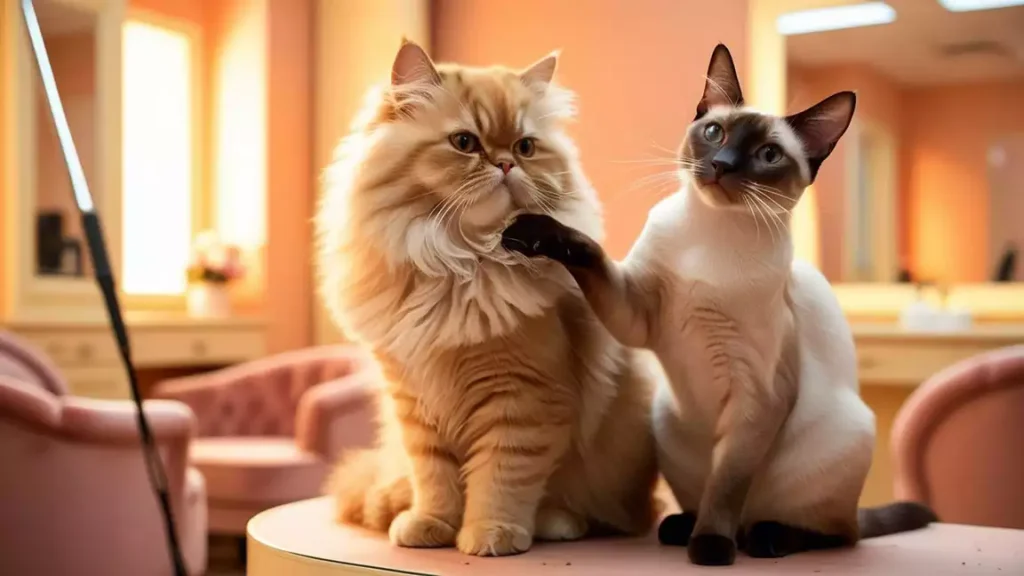
Credit: catgroomerla.com
Frequently Asked Questions
Why Do Cats Groom Each Other’s Ears?
Cats groom each other’s ears to build trust and strengthen social bonds. It helps maintain cleanliness and reduces parasites. This behavior shows affection and promotes group harmony among cats.
How Does Ear Grooming Benefit Cats Socially?
Ear grooming reduces tension and reinforces friendships between cats. It signals mutual acceptance and helps form a stable social hierarchy. This practice also comforts cats and lowers stress levels.
Can Ear Grooming Prevent Ear Infections In Cats?
Yes, ear grooming helps remove dirt and debris that cause infections. It stimulates ear health by promoting airflow and reducing moisture buildup. Regular grooming supports overall ear hygiene and prevents complications.
Is Mutual Ear Grooming Common In All Cat Breeds?
Yes, mutual ear grooming is common across most cat breeds. It is a natural instinct that enhances social interaction. However, some cats may groom less due to personality or health issues.
Conclusion
Cats grooming each other’s ears shows trust and friendship. It helps keep their ears clean and free from dirt. This behavior also strengthens their bond and makes them feel safe. Watching cats groom is a reminder of how animals care for each other.
Next time you see this, remember it means they share a special connection. Understanding these small acts helps us appreciate cats more. Simple moments like this reveal the gentle side of their nature.


Leave a Reply