Have you ever wondered what really happens when cats are bred? It might seem harmless or even helpful at first, but the truth is, breeding cats can cause serious problems.
You might think it’s just about creating cute kittens, but there’s a lot more behind the scenes that affects the cats’ health, happiness, and the bigger picture of animal welfare. Keep reading to discover why breeding cats might not be as good as it looks—and how your choices can make a real difference.
Ethical Concerns
Breeding cats raises many ethical concerns that affect animals and society. It often puts the cats’ welfare at risk. These concerns include exploitation, health problems, and worsening overpopulation. Each issue deserves attention to understand why breeding can be harmful.
Exploitation Of Animals
Breeding cats often treats them as objects, not living beings. Breeders may prioritize profit over the cats’ needs. Female cats can be forced to produce many litters without proper rest. This causes stress and lowers their quality of life. Kittens may also be separated from their mothers too early, harming their development.
Health Issues In Purebreds
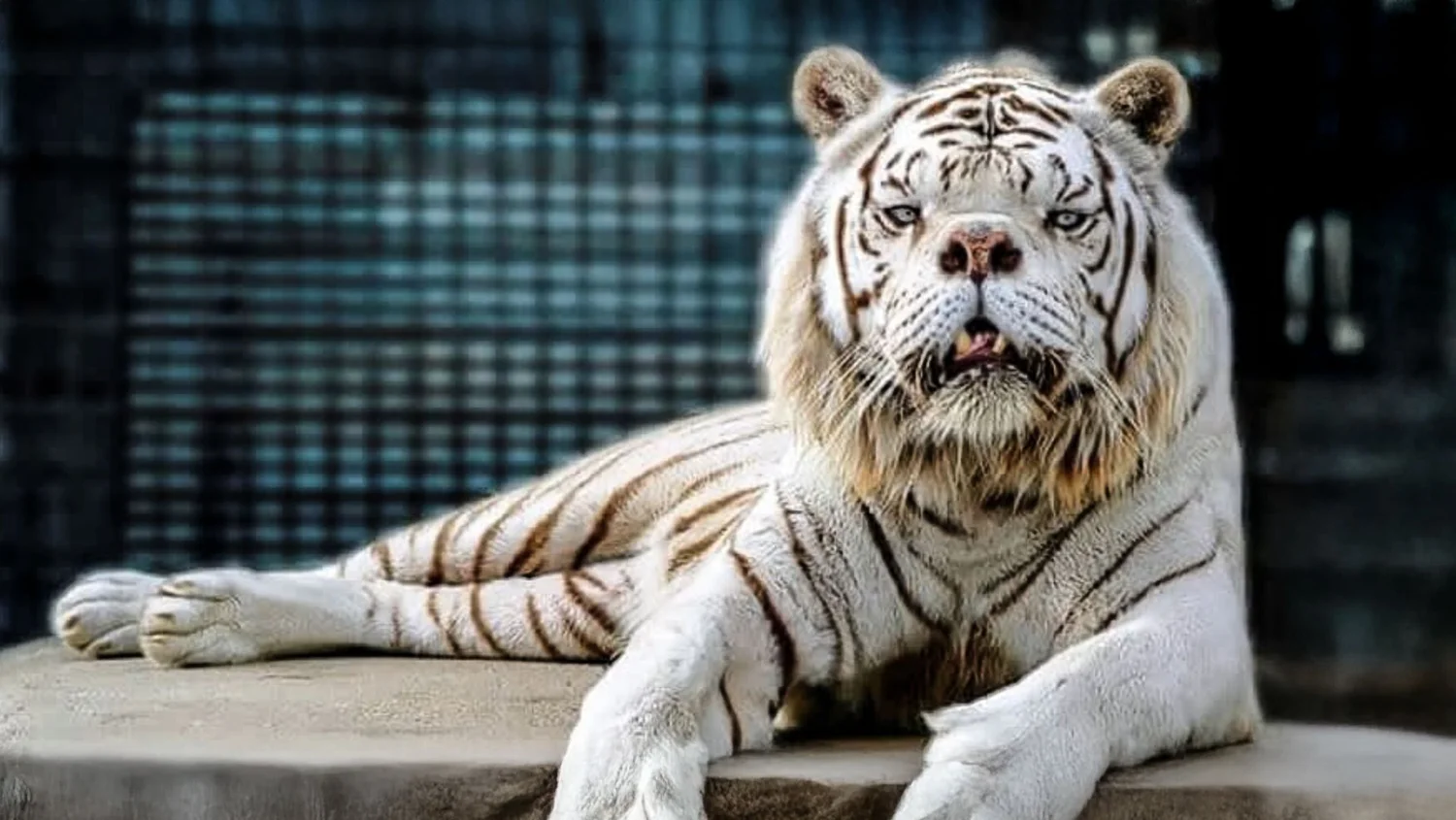
Purebred cats often face genetic health problems. Breeding for specific looks can cause inherited diseases. These include heart problems, breathing issues, and joint pain. Many purebreds have shorter lifespans than mixed-breed cats. These health struggles cause pain and expensive vet treatments.
Overpopulation Crisis
Breeding adds more cats to an already full population. Shelters are often crowded with homeless cats needing homes. Many cats suffer or are euthanized due to lack of space. Breeding increases the number of cats that may not find families. This worsens the animal welfare crisis in many communities.

Credit: www.reddit.com
Health Risks For Cats
Breeding cats often leads to serious health risks that can affect their quality of life and wellbeing. These risks aren’t just minor issues; they can cause lifelong suffering and even shorten a cat’s lifespan. Understanding these dangers can help you make better choices for your feline friend’s health and happiness.
Genetic Disorders
Breeding cats frequently increases the chance of genetic disorders. When cats from the same family line are bred repeatedly, harmful genes become more common. This can lead to problems like heart disease, kidney failure, and joint issues.
Take a friend’s cat, for example, who developed a painful bone condition due to inherited genes. These problems often require ongoing medical care, which can be stressful and expensive. Would you want your cat to face these avoidable health struggles?
Reduced Lifespan
Breeding can also reduce a cat’s lifespan. Cats bred for specific looks or traits may have weaker immune systems or organs. This often means they get sick more easily and don’t live as long as non-bred cats.
Many breeders focus on appearance over health, which can shorten a cat’s life by several years. When you choose to breed, you’re risking your cat’s chance at a full, healthy life. Isn’t it worth protecting their natural vitality instead?
Stress And Poor Living Conditions
Breeding environments often cause significant stress for cats. Many breeders keep cats in overcrowded or dirty spaces without enough social interaction. This leads to anxiety, behavioral problems, and weakened immune systems.
Stress from poor living conditions can cause illnesses that aren’t genetic but just as harmful. Imagine your cat feeling scared and uncomfortable every day—would you accept that for your pet? Ensuring a calm, clean home is key to a cat’s health, something not always possible in breeding situations.
Impact On Animal Shelters
Breeding cats adds pressure on animal shelters. These places already struggle to care for many homeless cats. Overbreeding increases the number of cats needing help. Shelters face challenges that impact their ability to save lives.
Increased Euthanasia Rates
More cats mean shelters run out of space quickly. They must make hard choices about which cats to keep. Sadly, many healthy cats are euthanized. This happens because shelters cannot care for all animals.
Strain On Resources
Shelters have limited funds, food, and staff. Extra cats use more medical care and shelter space. Resources stretch thin, making it harder to provide good care. This affects all animals, not just the new arrivals.
Neglect Of Rescue Cats
With so many cats, some get less attention. Sick or shy cats may be overlooked. This lowers their chance of adoption. Rescue cats deserve love and care but often miss out.
Credit: thelittlecarnivore.com
Environmental Consequences
Breeding cats increases the number of stray animals, which harms local wildlife and ecosystems. Overpopulation leads to more waste and resource use, damaging the environment. This cycle stresses natural habitats and disrupts balance.
Breeding cats can significantly impact the environment. This practice often strains natural resources and disrupts ecosystems. Below, we explore the environmental consequences of breeding cats.Resource Consumption
Breeding cats requires vast resources. They need food, water, and shelter. This consumption places extra demand on local resources. Cat food production also impacts the environment. It involves agriculture and transportation. These activities increase carbon footprints.Waste And Pollution
Breeding cats generates considerable waste. Litter and waste disposal contribute to pollution. Improper disposal harms soil and water sources. Cat waste contains harmful bacteria. This can contaminate water supplies. Litter production also uses natural resources. It contributes to landfill waste.Biodiversity Effects
Breeding cats affects local wildlife. Cats are natural predators. They hunt birds and small animals. This reduces biodiversity in areas. Wildlife populations decline, impacting ecosystems. Cats may transmit diseases to wildlife. This further threatens biodiversity.Alternatives To Breeding
Choosing alternatives to breeding helps reduce cat overpopulation and suffering. Many cats need loving homes without adding more kittens to shelters. These alternatives support animal welfare and promote healthier cat communities.
Adoption Benefits
Adopting a cat saves lives and reduces shelter overcrowding. Adopted cats often receive medical care and vaccinations. It offers a chance to provide a home to cats in need. Adoption also supports ethical treatment of animals.
Supporting Responsible Shelters
Donating or volunteering at shelters helps improve animal care. Shelters focus on rescue and rehabilitation, not breeding. Supporting them encourages better practices for stray and abandoned cats. This creates safer environments and more adoptions.
Spaying And Neutering
Spaying and neutering control cat populations humanely. These procedures prevent unwanted litters and reduce health risks. They also lower aggressive and roaming behaviors in cats. Spaying and neutering improve overall cat well-being and community health.
Credit: pethelpful.com
Legal And Regulatory Issues
Breeding cats might seem like a harmless hobby or a way to make some extra money, but it often runs into serious legal and regulatory problems. These issues can cause harm not only to the cats but also to the people involved and the community. Understanding the legal challenges can help you see why unregulated breeding is risky and why stricter rules are necessary.
Lack Of Oversight
Many regions do not have clear laws or proper enforcement regarding cat breeding. Without oversight, breeders can operate without meeting basic animal welfare standards.
This absence of control means some cats live in poor conditions, suffering from neglect or health problems. If you’ve ever seen a poorly bred kitten, you know the heartbreak that comes from a lack of oversight.
Illegal Breeding Practices
Illegal practices are common in unregulated breeding. These include breeding cats too young, inbreeding, or selling kittens without proper documentation.
Such actions often lead to genetic defects and behavioral issues, which hurt both the cats and their new owners. Have you considered how buying from an unlicensed breeder might be supporting these harmful practices?
Calls For Stricter Laws
Growing awareness about the problems of cat breeding has led to calls for stricter laws. Advocates want mandatory registration, regular inspections, and harsher penalties for violations.
These measures aim to protect cats from exploitation and ensure breeders maintain high standards. If you care about animal welfare, supporting stronger regulations can make a real difference.
Frequently Asked Questions
Why Is Breeding Cats Considered Harmful?
Breeding cats can promote genetic disorders and health problems. It often leads to overpopulation and increases the number of homeless cats. Ethical concerns arise due to poor breeding practices. Responsible pet ownership encourages adoption over breeding to protect cat welfare.
How Does Cat Breeding Affect Animal Shelters?
Cat breeding increases the number of unwanted kittens. Shelters face overcrowding and limited resources. Many bred cats end up abandoned or surrendered. This strains shelter capacities and reduces chances for existing animals to find homes.
What Health Risks Are Linked To Cat Breeding?
Breeding can cause inherited diseases and physical defects. It often reduces genetic diversity, weakening the breed’s overall health. Poor breeding practices increase the risk of infections and abnormalities. Responsible breeding prioritizes health screening and genetic testing.
Can Cat Breeding Contribute To Overpopulation?
Yes, breeding without control leads to more cats than homes. Overpopulation causes many cats to suffer in poor conditions. It also increases euthanasia rates in shelters. Spaying and neutering are effective ways to manage population.
Conclusion
Breeding cats causes many problems for animals and people. It can lead to health issues for cats and increase homeless cat numbers. Many cats wait in shelters for loving homes. Choosing adoption helps save lives and supports animal welfare. Think about the impact before breeding cats.
Kindness and care matter most for every cat’s future.

Leave a Reply