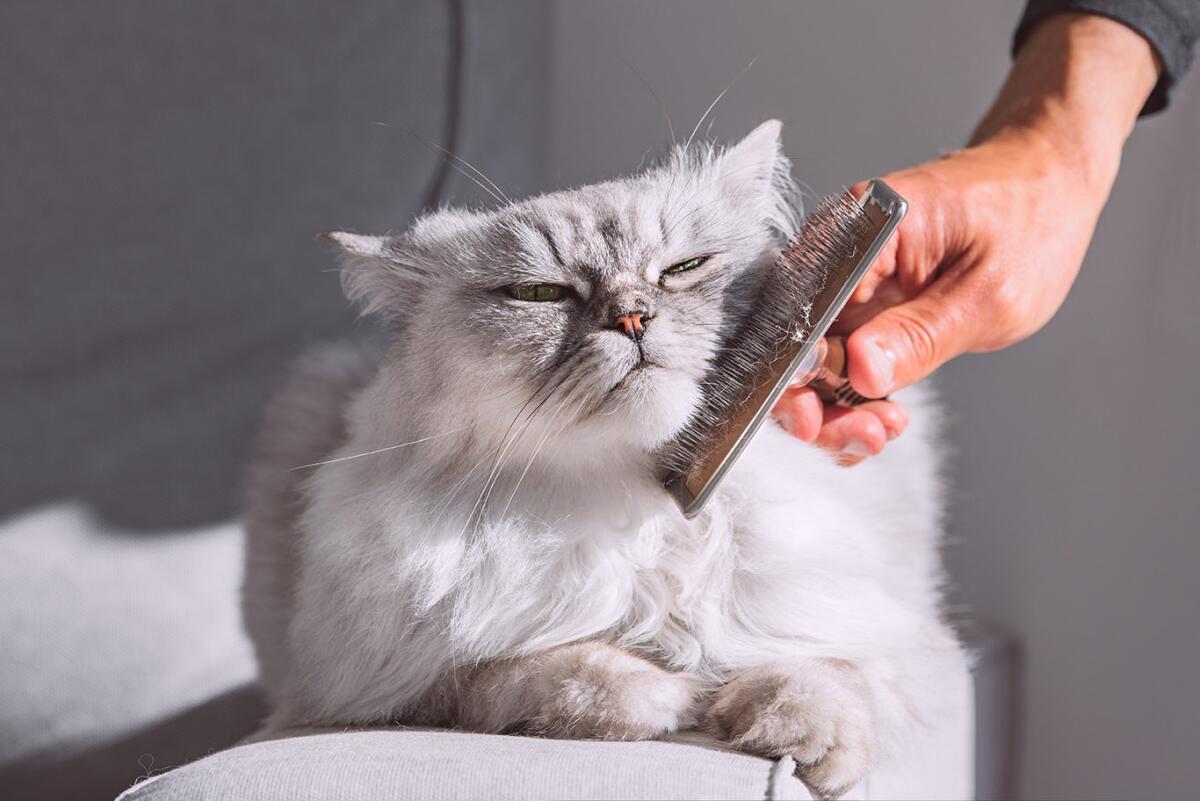
Have you ever wondered if your cat really needs grooming? You might think cats take care of themselves, but there’s more to it than just a quick lick.
Grooming your cat can make a big difference in their health, comfort, and happiness. If you want to keep your furry friend looking and feeling their best, understanding when and why to groom is key. Keep reading to discover the surprising benefits of cat grooming and whether it’s the right choice for your pet.

Credit: www.latimes.com
Benefits Of Cat Grooming
Cat grooming offers many benefits for both cats and their owners. It helps keep your cat healthy and comfortable. Grooming also supports your cat’s natural beauty and hygiene. Regular grooming sessions can prevent common problems and make your cat feel better.
Improved Coat Health
Grooming removes dirt and dead skin from your cat’s coat. It helps spread natural oils that keep fur soft and shiny. A clean coat reduces the risk of skin infections. Healthy fur means a happier cat with less itching and irritation.
Reduced Shedding
Brushing your cat regularly helps catch loose hair before it falls. This reduces the amount of hair around your home. Less shedding means fewer hairballs for your cat. It also keeps your furniture and clothes cleaner.
Prevention Of Matting
Matting happens when fur tangles and clumps together. It can cause pain and skin problems for your cat. Grooming breaks up these knots and stops mats from forming. Regular care keeps your cat’s fur smooth and tangle-free.
Enhanced Bonding Time
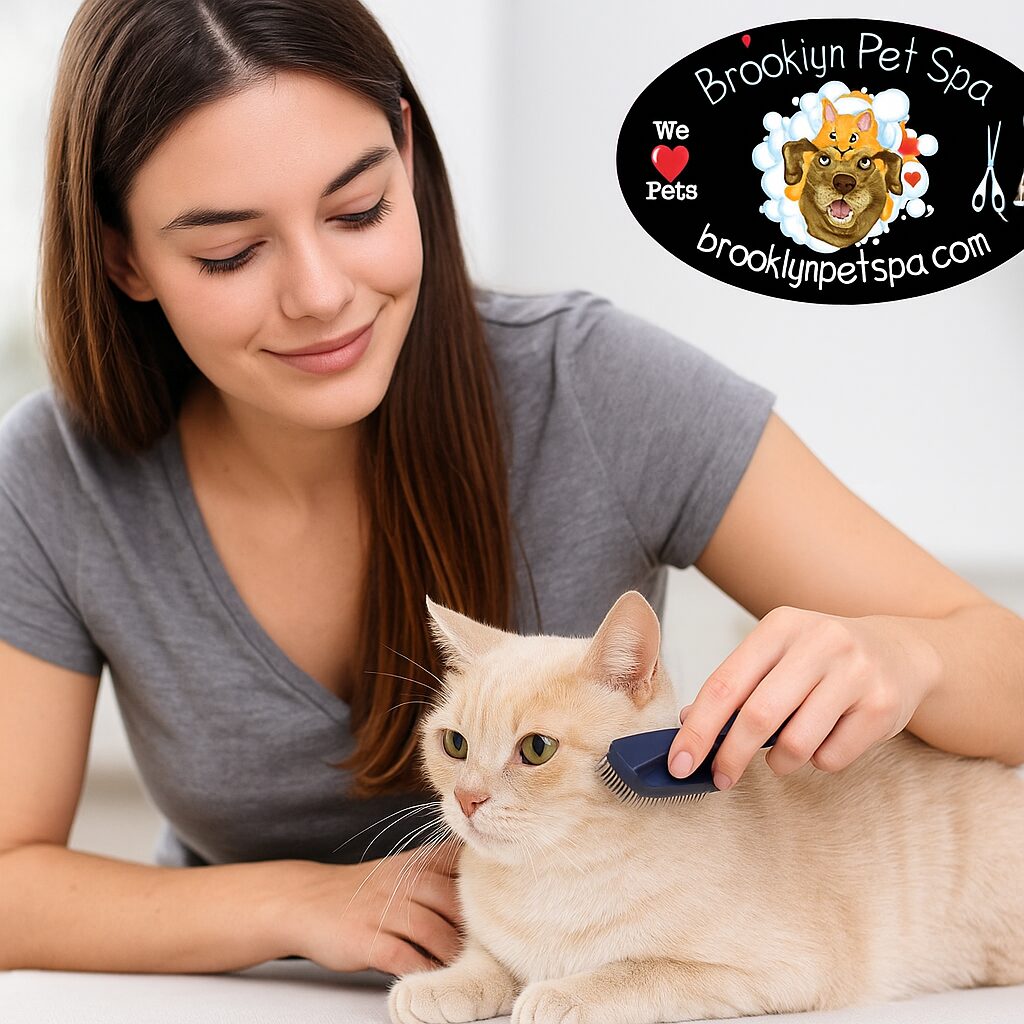
Grooming sessions create quiet moments with your cat. These times build trust and strengthen your relationship. Your cat learns to enjoy being touched and cared for. Grooming helps you understand your cat’s needs better.
Credit: brooklynpetspa.com
Signs Your Cat Needs Grooming
Noticing signs that your cat needs grooming helps keep them healthy and happy. Cats usually groom themselves, but some need extra help. Observing your cat closely can reveal when grooming is necessary. Catching these signs early prevents discomfort and health issues.
Visible Tangles And Mats
Tangles and mats appear when your cat’s fur clumps together. They look messy and can pull on the skin. Mats can cause pain and skin infections if left untreated. Long-haired cats often develop these problems faster. Regular brushing helps stop tangles before they form.
Excessive Shedding
Shedding is normal, but too much means your cat may need grooming. Excess fur can build up on furniture and clothes. It can also cause hairballs and skin irritation. Grooming removes loose fur and reduces shedding around your home. Pay attention to sudden increases in fur loss.
Unpleasant Odor
A bad smell from your cat’s coat can signal poor grooming. Dirt, oils, and oils collect over time and cause odor. Cats who groom less often may smell musty or oily. Grooming cleans the fur and skin, removing dirt and odors. Regular baths or brushing keep your cat fresh.
Scratching And Irritation
Frequent scratching shows your cat may have itchy skin. Irritation can come from dirt, fleas, or dry skin. Grooming helps find the cause and soothes the skin. It removes irritants and spreads natural oils evenly. Watch for redness or bald spots, which need attention.
Types Of Grooming Services
Grooming your cat is more than just keeping them looking neat—it’s a key part of their health and happiness. Different grooming services target specific needs, and understanding these can help you decide what’s best for your feline friend. Each type of grooming plays a unique role, from maintaining fur quality to preventing infections.
Basic Brushing And Combing
Regular brushing removes loose hair and reduces shedding around your home. It also helps prevent mats and tangles, which can be uncomfortable or even painful for your cat. Imagine the relief your cat feels when those stubborn knots disappear—you’ll notice a calmer, more relaxed pet after a good brushing session.
Choose a brush suited to your cat’s fur type. Short-haired cats need different tools than long-haired breeds. You might find that brushing also becomes a bonding moment, turning grooming into a pleasant routine.
Bathing And Drying
Not all cats need frequent baths, but occasional washing can help with dirt, allergens, or skin conditions. Use cat-safe shampoos and warm water to avoid irritation. Have you ever noticed your cat’s coat looking dull or feeling greasy? A bath might be just what they need to refresh their skin and fur.
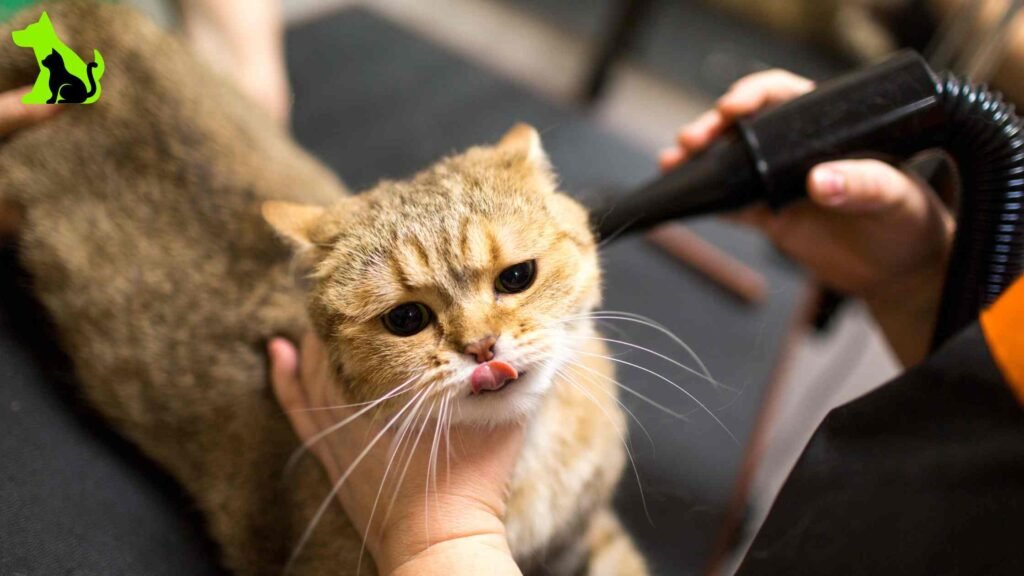
Drying is just as important—wet fur can lead to chills or skin problems. Use a soft towel and, if your cat tolerates it, a low-heat hairdryer. Keep the experience calm; stress during baths can make future grooming harder.
Nail Trimming
Trimming your cat’s nails prevents painful overgrowth and reduces damage to your furniture. If your cat scratches excessively or you notice snagging, it’s time for a trim. You don’t need special tools—just a quality nail clipper designed for pets will do.
Try trimming when your cat is relaxed or sleepy. Reward them afterward to create a positive association. This simple step can save both you and your cat from discomfort and frustration.
Ear And Eye Cleaning
Dirty ears or eyes can signal infections or allergies. Gently wipe your cat’s ears with a vet-approved cleaner and a soft cloth to remove wax and debris. For the eyes, use a damp cotton ball to clear any discharge or tear stains.
Notice any unusual odor, redness, or swelling? These signs mean a vet visit is needed. Keeping these areas clean helps your cat stay comfortable and prevents minor issues from becoming serious.
Credit: hellopetsinc.com
Diy Grooming Tips
Grooming your cat at home can be a rewarding experience for both of you. It helps maintain your cat’s coat and health while strengthening your bond. However, DIY grooming requires the right approach to make it safe and comfortable for your furry friend.
Choosing The Right Tools
Picking the right grooming tools is crucial. Use a brush designed for your cat’s coat type—slicker brushes for long hair and rubber brushes for short hair work well. Nail clippers made specifically for cats prevent accidental cuts and discomfort.
Invest in a small comb to remove tangles gently and grooming wipes for quick cleanups. Using the wrong tools can stress your cat and damage their fur, so choose carefully. Have everything ready before you start to avoid rushing.
Creating A Calm Environment
Setting a peaceful space is key to a smooth grooming session. Pick a quiet room with good lighting where your cat feels safe. Soft background music or gentle talking can soothe your cat during grooming.
Try grooming after playtime when your cat is more relaxed or even sleepy. Avoid forcing your cat; instead, let them explore the tools and get comfortable. Your calm attitude will help your cat stay calm too.
Step-by-step Grooming Process
- Start by brushing gently to remove loose fur and check for mats or skin issues.
- Use the comb to carefully detangle any knots, working from the ends toward the skin.
- Trim nails slowly, clipping only the sharp tips to avoid the quick.
- Wipe your cat’s face and ears with grooming wipes if needed.
Keep sessions short and positive. If your cat resists, stop and try again later. Regular, gentle grooming builds trust and makes future sessions easier.
Handling Difficult Cats
Some cats resist grooming no matter what you try. If your cat struggles, try wrapping them loosely in a towel to keep them calm and prevent scratches. Offering treats during and after grooming can create positive associations.
Breaking grooming into multiple short sessions can also help. If your cat remains very stressed, consider seeking help from a professional groomer or your vet. Your cat’s comfort and safety should always come first.
When To Visit A Professional
Deciding to groom your cat at home or visit a professional can be challenging. While regular brushing helps, some situations demand expert care. Professional groomers handle unique grooming needs effectively and safely.
Medical Grooming Needs
Cats with health issues require special attention. Professional groomers are trained for these situations. They know how to handle cats with skin conditions or allergies. This ensures your cat’s health is not compromised.
Severe Matting Removal
Matted fur is uncomfortable and unhealthy for your cat. Removing severe matting at home can be risky. Professionals use the right tools to remove mats without harming your cat.
Behavioral Challenges
Some cats dislike grooming and can become aggressive. Professional groomers have techniques to calm and manage difficult cats. This reduces stress for both you and your pet.
Special Breed Requirements
Certain breeds need specific grooming methods. Professional groomers understand these unique requirements. They ensure your cat’s coat remains healthy and beautiful.
Common Grooming Mistakes To Avoid
Grooming your cat can strengthen your bond and keep them healthy, but it’s easy to make mistakes that cause more harm than good. Understanding common grooming errors can save your furry friend from stress and discomfort. Are you making any of these mistakes without realizing it?
Over-bathing
Bathing your cat too often strips away natural oils that protect their skin and fur. Cats are generally excellent at grooming themselves, so frequent baths can lead to dryness and irritation.
Think about how often you bathe your cat. Unless they get into something sticky or smelly, a bath every few months is usually enough. Excessive bathing can also increase their anxiety around grooming sessions.
Using Wrong Tools
Using the wrong brushes or combs can hurt your cat or damage their coat. For example, a stiff brush on a long-haired cat might cause tangles to worsen or even scratch their skin.
Choose tools designed specifically for your cat’s fur type. If you’re unsure, ask your vet or a professional groomer for recommendations. Have you noticed your cat flinching or pulling away during grooming? It could be the tools you’re using.
Ignoring Skin Issues
It’s tempting to skip grooming when your cat’s skin looks irritated or flaky, but ignoring these signs can make problems worse. Grooming sessions are a perfect chance to check for lumps, bumps, or parasites like fleas.
If you spot redness, sores, or excessive scratching, consult your vet before continuing regular grooming. Addressing skin issues early prevents infection and keeps your cat comfortable.
Rushing The Process
Trying to finish grooming quickly often leads to missed spots and stressed cats. Cats pick up on your mood—if you’re impatient, they might resist future grooming sessions.
Take your time, use gentle strokes, and reward your cat with treats or praise. Would you prefer a calm, enjoyable grooming experience or a stressful struggle every time? Your patience makes all the difference.
Grooming Frequency Guidelines
Knowing how often to groom your cat can make a big difference in their comfort and health. The right frequency depends on your cat’s coat type, age, and even the time of year. Let’s break down what works best for different cats and situations to help you create a grooming routine that fits your furry friend perfectly.
Short-haired Cats
Short-haired cats usually need less grooming because their fur doesn’t tangle easily. Brushing once a week can help remove loose hairs and reduce shedding. If you notice more hairballs or shedding, increasing grooming to twice a week might be helpful.
Pay attention to your cat’s reaction during grooming. Does she seem to enjoy it, or does she get restless? You might find that short sessions a few times a week keep her happier and cleaner without stressing her out.
Long-haired Cats
Long-haired cats demand more frequent grooming to prevent mats and tangles. Daily brushing is often necessary to keep their coat healthy and shiny. Skipping grooming sessions can quickly lead to uncomfortable knots and even skin problems.
Think about your cat’s personality here. Some long-haired cats tolerate grooming well, while others resist. Using gentle tools and positive reinforcement can make daily grooming a bonding experience rather than a chore.
Senior Cats
Older cats might groom themselves less efficiently because of arthritis or reduced flexibility. This makes regular grooming from you even more important. Try to groom senior cats every other day to help keep their coat clean and skin healthy.
Does your senior cat have sensitive skin or special health issues? Adjust your grooming frequency and tools accordingly to avoid causing discomfort. You might also want to consult your vet for tailored advice.
Seasonal Considerations
Season changes affect your cat’s shedding patterns and grooming needs. In spring and fall, cats usually shed more, requiring more frequent grooming sessions. During these times, brushing your cat several times a week can reduce loose fur and hairballs.
Warmer months might also mean more outdoor dirt and debris in their coat. Regular grooming helps keep your cat clean and comfortable. Have you noticed your cat’s fur changing with the seasons? Adjust your grooming schedule to match those changes for the best care.
Frequently Asked Questions
Why Should I Have My Cat Professionally Groomed?
Professional grooming keeps your cat’s coat healthy and clean. It helps remove mats, reduces shedding, and prevents skin issues. Groomers can also check for parasites and abnormalities, ensuring overall health. Regular grooming supports your cat’s comfort and hygiene, especially for long-haired breeds.
How Often Does My Cat Need Grooming?
Most cats benefit from grooming every 4 to 8 weeks. Long-haired cats require more frequent grooming to prevent mats. Short-haired cats can be groomed less often but still need regular brushing. Frequency depends on your cat’s coat type, age, and health.
Is Grooming Stressful For Cats?
Grooming can be stressful if done improperly or suddenly. Gradual introduction and gentle handling reduce anxiety. Professional groomers are trained to keep cats calm and comfortable. Most cats adjust well to regular grooming with positive reinforcement and patience.
Can Grooming Prevent Hairballs In Cats?
Yes, grooming reduces loose hair your cat ingests during self-cleaning. Regular brushing lowers hairball formation and related digestive issues. Removing excess fur helps keep your cat healthier and more comfortable. Hairball control is a key benefit of consistent grooming.
Conclusion
Grooming your cat helps keep its coat clean and healthy. It also reduces shedding and hairballs. Regular grooming can spot health issues early. Many cats enjoy the attention and care. Choose a professional groomer or learn to do it yourself.
Keep your cat comfortable and safe during grooming. Healthy fur means a happy cat. Consider grooming as part of your pet’s routine care. It benefits both you and your feline friend. Simple steps lead to a cleaner, healthier cat.


Leave a Reply