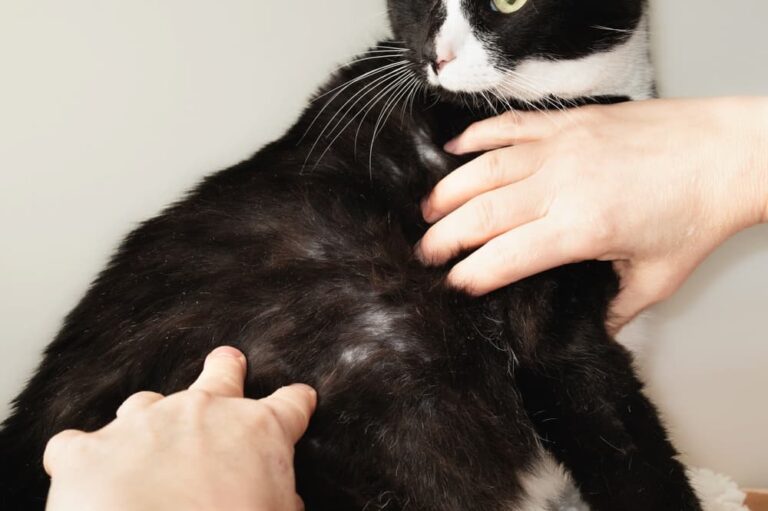
Have you noticed patches of fur missing on your cat and wondered if it could be from over grooming? If your furry friend is spending too much time licking or biting their coat, it might be causing more harm than good.
You might be surprised to learn that over grooming can actually make your cat lose fur, leading to uncomfortable skin and other health issues. Understanding why this happens and what you can do about it is crucial for your cat’s well-being.
Keep reading to discover the signs, causes, and solutions to help your cat feel comfortable and look their best.
Causes Of Over Grooming In Cats
Over grooming in cats is more than just a quirky habit; it can lead to noticeable fur loss and skin damage. Understanding why your cat might be over grooming is key to helping them regain healthy skin and a full coat. The causes can range from emotional to physical, each requiring a different approach to care.
Stress And Anxiety
Cats often groom themselves to soothe stress or anxiety, similar to how humans might bite their nails or pace. Changes in their environment, such as moving to a new home or the arrival of a new pet, can trigger this behavior. Have you noticed your cat grooming more after a stressful event? That could be a sign their nervous system is on high alert.
Allergies And Skin Irritations
Allergies can cause itching that drives your cat to groom excessively. These allergies might be triggered by food, pollen, or household cleaners. If you see redness or inflammation along with fur loss, it’s time to consider if your cat’s environment or diet is the culprit.
Parasites And Infections
Parasites like fleas or mites are common reasons for over grooming in cats. These pests cause intense itching, pushing your cat to scratch and lick their skin relentlessly. If your cat is losing fur in patches and scratching often, a vet check for parasites is essential.
Behavioral Issues
Sometimes, over grooming stems from behavioral issues such as boredom or lack of stimulation. Cats left alone for long periods may turn to grooming as a form of entertainment or comfort. Have you tried providing more playtime or interactive toys? These simple changes can reduce over grooming caused by boredom.
How Over Grooming Leads To Fur Loss
Over grooming in cats is more than just a quirky behavior; it can seriously damage their fur. When your cat licks or scratches too much, it can lead to noticeable fur loss. Understanding how over grooming physically affects your cat’s skin and hair helps you catch problems early and keep your furry friend comfortable.
Physical Damage To Hair Follicles
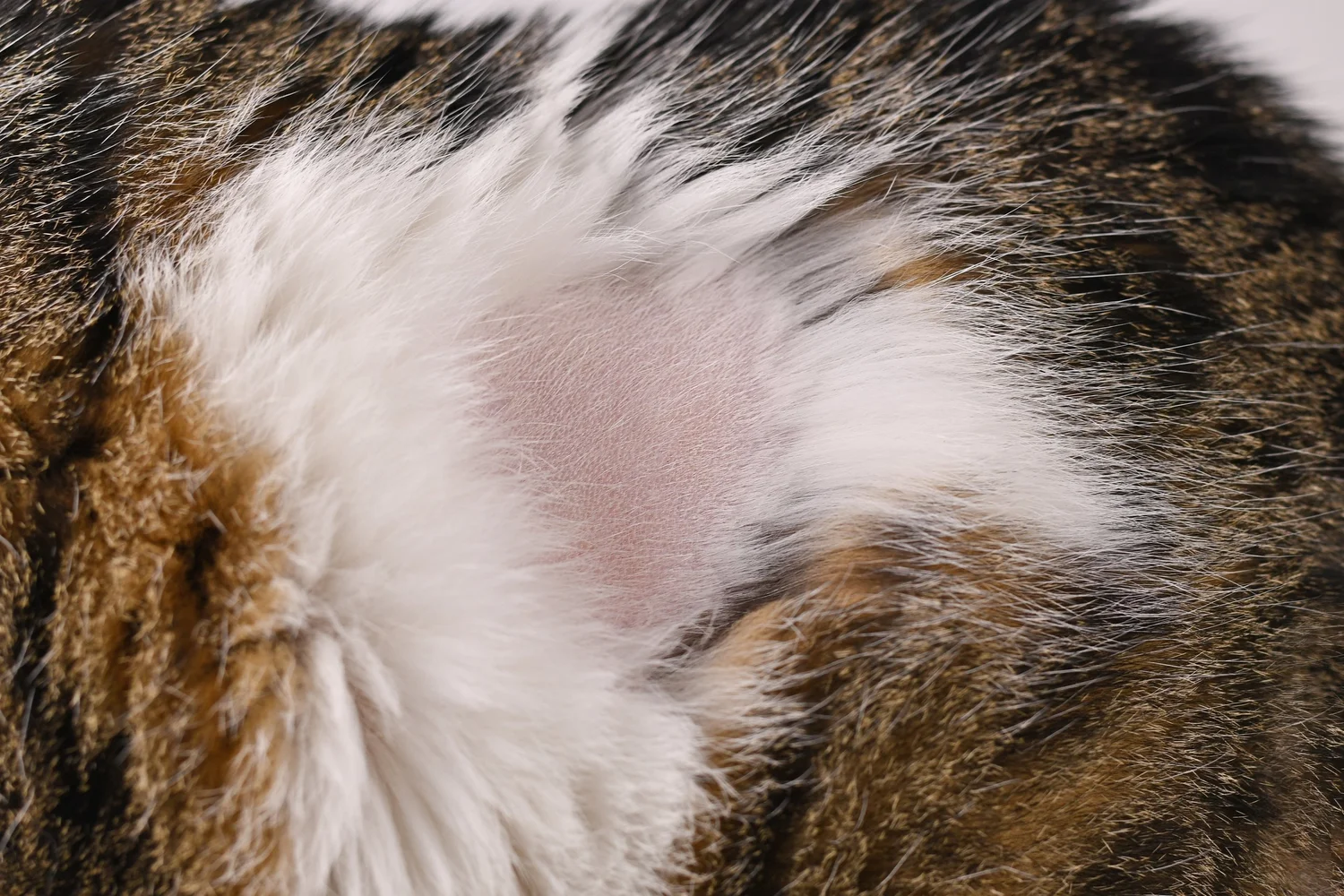
Excessive licking and biting wear down the hair follicles. These tiny structures anchor each hair strand, and constant irritation can weaken them. Once damaged, hair follicles struggle to produce healthy fur, causing patches of thinning or bald spots.
I once noticed my cat had a shiny bald patch on her leg. The vet explained her over grooming was literally hurting her follicles. It made me realize how delicate these structures are and how quickly they can be affected.
Skin Inflammation And Scabs
Over grooming often leads to irritated, inflamed skin. Your cat’s constant licking breaks the skin barrier, creating red, itchy areas. These spots can develop scabs as the skin tries to heal, making the fur fall out around the irritated zones.
If you see scabs or redness, don’t ignore them. They are signs your cat’s skin is stressed and needs attention. Have you checked your cat’s skin closely lately?
Cycle Of Excessive Licking
Once fur loss and skin irritation begin, cats may lick even more to soothe discomfort. This creates a harmful loop—more licking causes more damage, which leads to more licking. Breaking this cycle is key to restoring your cat’s fur and skin health.
Think about what triggers your cat’s licking. Is it stress, allergies, or boredom? Addressing the root cause can stop the cycle before it worsens. What small changes can you make today to help your cat feel better?
Signs Your Cat Is Over Grooming
Cats that groom too much often develop bald patches or thinning fur. Constant licking can cause skin redness and sores. These signs suggest your cat may be losing fur due to over grooming.
Signs Your Cat Is Over Grooming Cats are known for their grooming habits. But sometimes, they might overdo it. Over grooming can lead to several noticeable signs. Being aware of these signs helps you address the issue early.Bald Patches And Thinning Fur
One clear sign is bald patches. You might notice areas with less fur. This often appears on the belly, legs, or sides. Thinning fur indicates frequent grooming in those spots.Red Or Irritated Skin
Over grooming can cause skin irritation. Look for redness or inflammation. The skin might also appear sore or scabby. These signs suggest your cat licks or chews too much.Frequent Licking And Chewing
Watch your cat’s grooming habits. Excessive licking is a red flag. You might see them chewing on their fur. Such behavior could lead to further skin and fur damage.Behavioral Changes
Over grooming might affect your cat’s mood. Notice if they seem more anxious or restless. They might hide more or become less social. These changes often accompany excessive grooming habits.
Credit: www.feliway.co.uk
Health Risks From Over Grooming
Over grooming in cats might seem like a harmless habit, but it can lead to serious health issues. When your cat excessively licks or bites their fur, it can cause more than just bald patches. Understanding the health risks can help you take action before the problem worsens.
Secondary Infections
Continuous licking and biting break the skin’s protective barrier. This opens the door for bacteria and fungi to invade, leading to infections.
Infections can cause redness, swelling, and even pus formation. If you notice these signs, it’s important to get your cat checked by a vet right away.
Ignoring secondary infections can make your cat’s skin condition much worse, sometimes requiring antibiotics or special treatments.
Pain And Discomfort
Over grooming often results in raw, irritated skin. Your cat may feel constant pain or itchiness, which only makes the behavior worse.
It’s a vicious cycle: discomfort leads to more grooming, which increases pain. Watching your cat struggle with this can be heartbreaking.
Have you noticed your cat limping or avoiding touch? These could be signs that the pain is affecting more than just their fur.
Impact On Mental Well-being
Over grooming is often a sign of stress, anxiety, or boredom. This behavior affects your cat’s mental health just as much as their physical health.
Stress-related grooming can isolate your cat from social interactions and playtime. It’s important to address the root cause, not just the symptoms.
How often do you spend quality time engaging your cat? Sometimes, simple changes in environment and routine can reduce this harmful habit.
Preventing And Managing Over Grooming
Over grooming can cause cats to lose fur and harm their skin. Preventing and managing this behavior is key to keeping your cat healthy and comfortable. Understanding the causes and applying the right strategies helps reduce over grooming. This section covers ways to protect your cat from this issue.
Reducing Stress Triggers
Stress often leads cats to groom excessively. Identify what causes your cat anxiety. Common triggers include loud noises, new pets, or changes in routine. Create a calm space where your cat feels safe. Use soft bedding and quiet corners. Maintain a consistent daily schedule to reduce anxiety. Small changes can make a big difference in your cat’s behavior.
Treating Allergies And Parasites
Allergies and parasites cause itching, prompting over grooming. Check for fleas, ticks, or skin irritations regularly. Use vet-recommended treatments to eliminate parasites quickly. Allergies may come from food or environment. Switching to hypoallergenic food or cleaning your cat’s space often helps. Treating these issues stops the itch and reduces grooming.
Environmental Enrichment
Boredom can cause cats to groom more than usual. Provide toys, scratching posts, and climbing areas. Rotate toys to keep your cat interested. Play with your cat daily to boost activity and mental health. A busy cat spends less time over grooming. A stimulating environment supports healthy habits and fur growth.
Consulting A Veterinarian
A vet can diagnose underlying causes of over grooming. They may suggest tests or treatments for skin conditions. Follow their advice carefully for best results. Sometimes, medication or special care is necessary. Regular check-ups help catch problems early. Professional guidance ensures your cat receives proper care and relief.
Credit: www.animalcareclinicjc.com
Treatment Options For Fur Loss
Addressing fur loss from over grooming in cats requires a thoughtful approach tailored to your pet’s specific needs. Effective treatment combines medical care, behavioral adjustments, proper nutrition, and sometimes alternative options. Understanding these treatment avenues can help you make informed decisions that promote your cat’s comfort and fur regrowth.
Medications And Topical Therapies
Sometimes, fur loss is linked to underlying skin issues like allergies or infections. Your vet might recommend medications such as antihistamines or antibiotics to control these problems. Topical creams or sprays can soothe irritated skin and encourage healing.
Applying medicated shampoos regularly can also reduce itching and prevent further damage. Have you noticed if certain products help calm your cat’s skin? Monitoring how your cat responds to treatments can guide adjustments.
Behavioral Therapy
Over grooming often stems from stress or boredom. Providing mental stimulation with toys or interactive play can reduce anxiety-driven grooming. You might want to try puzzle feeders or new toys to keep your cat engaged.
Identifying and minimizing stressors in your cat’s environment can make a big difference. Have you observed when your cat tends to over groom—during loud noises, changes in routine, or after certain interactions? Recognizing triggers is key.
Nutritional Support
A balanced diet rich in essential fatty acids supports healthy skin and fur. Adding omega-3 or omega-6 supplements could improve coat condition and reduce inflammation. Make sure your cat’s food meets all nutritional requirements for skin health.
Sometimes, food allergies cause skin irritation that leads to over grooming. Trying a hypoallergenic diet under your vet’s guidance may help pinpoint issues. Have you considered evaluating your cat’s diet as part of treatment?
Alternative Remedies
Some cat owners find success with natural remedies like aloe vera gel or coconut oil to soothe skin. These options can complement traditional treatments but should be used cautiously to avoid adverse reactions. Always check with your vet before applying anything new.
Acupuncture and herbal supplements have also been explored for reducing stress and improving skin health in cats. Would you be open to discussing these less common therapies with your vet to see if they fit your cat’s situation?
When To Seek Professional Help
Knowing when to seek professional help for your cat’s over-grooming is crucial. Over-grooming can sometimes be more than just a quirky habit; it might signal deeper health or emotional issues. Catching these signs early can prevent serious complications and keep your feline friend comfortable and healthy.
Persistent Hair Loss
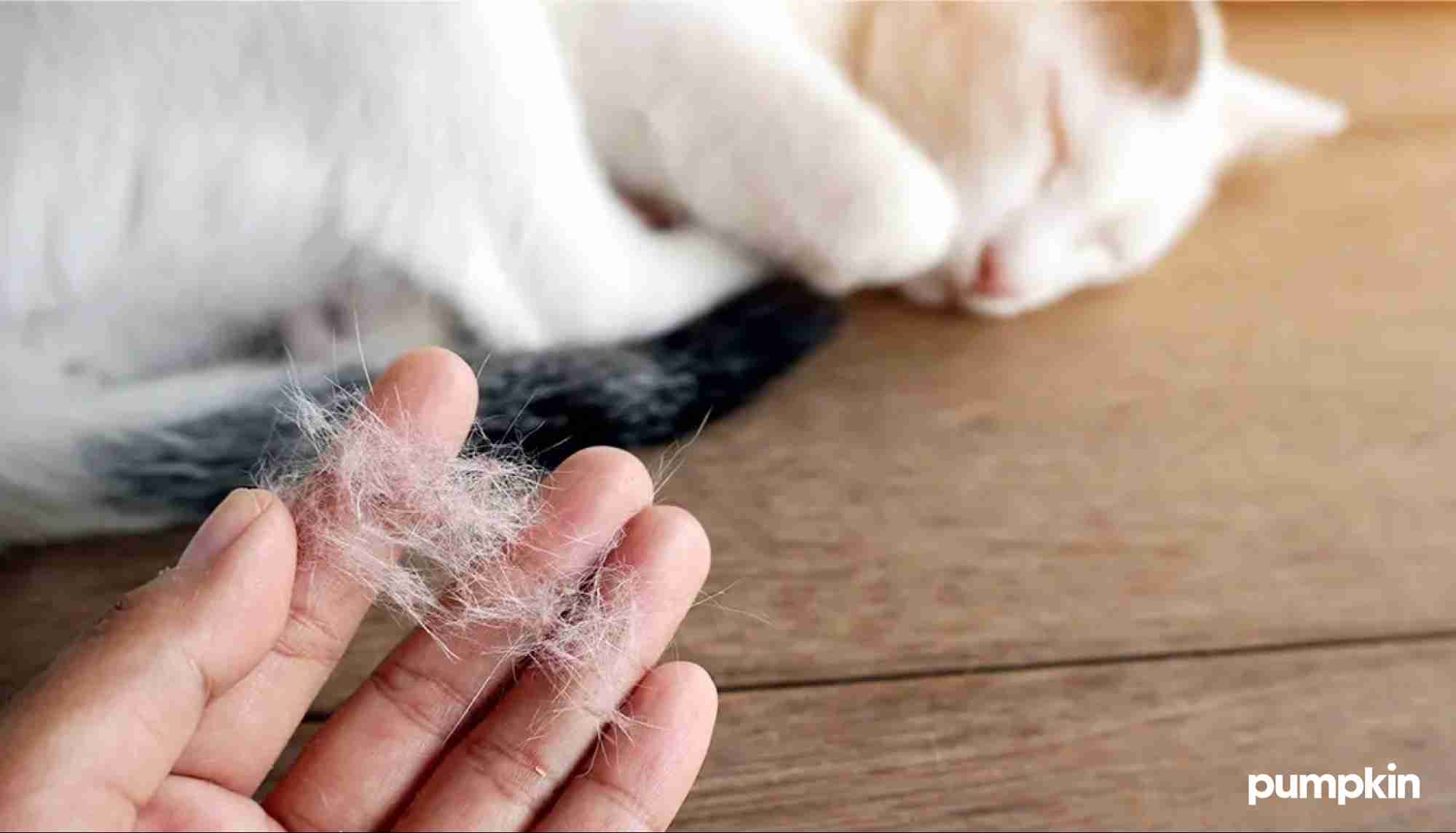
If your cat continues to lose fur despite your efforts to curb over-grooming, it’s time to consult a vet. Hair loss that lasts for weeks or worsens can indicate underlying problems like allergies, parasites, or skin conditions. You might notice bald patches growing larger or new areas affected, which should not be ignored.
Signs Of Infection
Over-grooming can damage your cat’s skin, creating open wounds or sores. Watch closely for redness, swelling, oozing, or a foul smell around these areas. These signs often mean an infection has set in and needs medical treatment. If you see any of these symptoms, don’t delay in getting professional care.
Severe Behavioral Issues
Sometimes, over-grooming is linked to stress, anxiety, or other behavioral problems. If your cat seems restless, hides frequently, or reacts aggressively, these could be clues to emotional distress. A vet or animal behaviorist can help identify triggers and suggest treatment to improve your cat’s well-being.
Credit: www.pumpkin.care
Frequently Asked Questions
Can Over Grooming Cause Cats To Lose Fur?
Yes, excessive grooming can lead to fur loss in cats. It often results from stress, allergies, or skin conditions. Over grooming damages hair follicles, causing bald patches or thinning fur. Identifying the cause helps in treating and preventing further hair loss effectively.
Why Do Cats Groom Themselves Excessively?
Cats groom excessively due to stress, boredom, allergies, or skin irritations. Over grooming is a coping mechanism to relieve discomfort or anxiety. If grooming becomes obsessive, it may indicate underlying health issues requiring veterinary attention for proper diagnosis and treatment.
How To Stop A Cat From Over Grooming?
To stop over grooming, identify and address the root cause, such as allergies or stress. Provide enrichment, reduce anxiety, and maintain proper flea control. Consult a vet for treatment options like medication or behavioral therapy to manage excessive grooming.
Is Fur Loss From Grooming Permanent In Cats?
Fur loss from grooming is usually reversible if the cause is treated early. Once the underlying issue resolves, hair typically regrows over time. Persistent or untreated problems may lead to permanent damage or scarring, preventing hair regrowth.
Conclusion
Cats can lose fur from over grooming. This behavior often signals stress or health issues. Pay attention to changes in your cat’s habits. Offer a calm and safe environment. Consult a vet for proper diagnosis and care. Early action helps your cat feel better fast.
Keep watching your pet’s skin and fur health. Small steps can prevent further hair loss. Your cat’s comfort matters most.

Leave a Reply