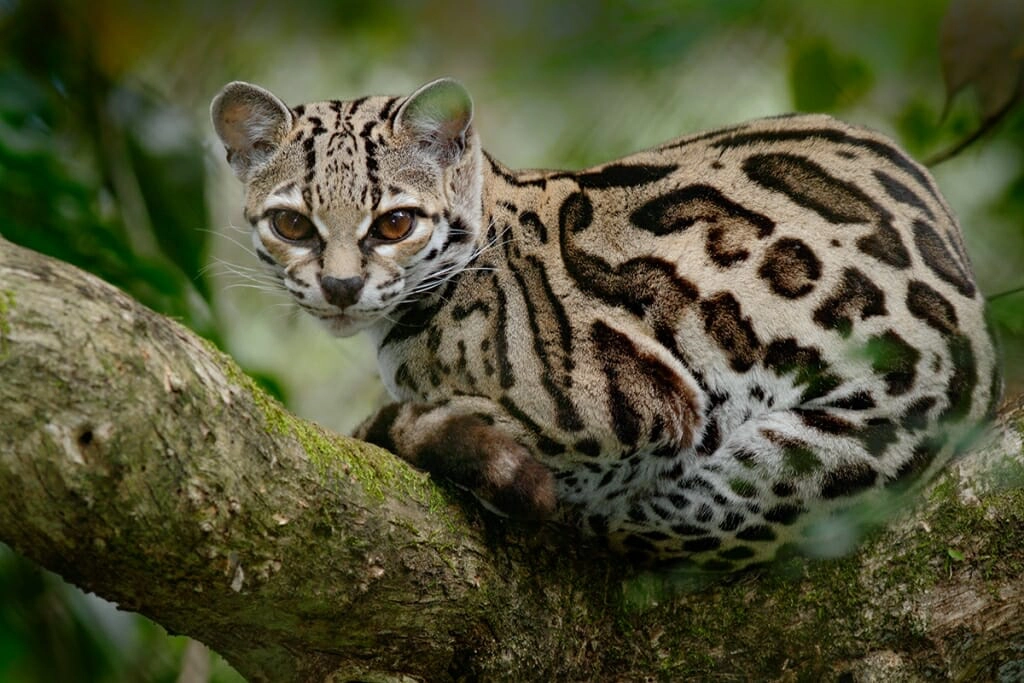
Have you ever wondered just how many cat breeds exist around the world? Whether you’re a cat lover, thinking about adopting, or simply curious, knowing about the variety of cats out there can surprise and delight you.
From fluffy to sleek, tiny to majestic, each breed has its own unique charm. Stick with me, and you’ll discover some fascinating facts that could change the way you see your furry friends forever. Ready to explore the amazing world of cats?
Let’s dive in!
Cat Breed Diversity
Cats come in many shapes, sizes, and colors. This variety is known as cat breed diversity. It shows the wide range of cat types found worldwide. Each breed has unique traits and histories. This diversity makes cats fascinating pets and companions. Understanding how many breeds exist helps appreciate this variety better.
Global Breed Count
The number of recognized cat breeds varies by organization. Some groups list about 40 to 70 breeds. The International Cat Association (TICA) recognizes 73 breeds. The Cat Fanciers’ Association (CFA) lists 44 breeds. These numbers change as new breeds develop or get accepted. Breeds come from natural origins or human breeding efforts.
Factors Influencing Breed Numbers
- Genetic Diversity: Different gene pools create new breed traits.
- Geographic Location: Some breeds develop in specific regions.
- Human Preference: Breeders select traits to create new breeds.
- Recognition Criteria: Organizations have rules to accept breeds.
- Hybrid Breeding: Mixing breeds can form new types.
These factors shape the variety of cat breeds worldwide. Breed diversity grows as breeders explore new traits.
Popular Cat Breeds
Popular cat breeds catch the eye of many pet lovers around the world. They vary not only in appearance but also in personality. Knowing about these breeds helps you find a cat that fits your lifestyle and home.
Top Domestic Breeds
Many cat owners love these well-known breeds for their friendly nature and easy care. The Domestic Shorthair, often called the American Shorthair, is famous for its adaptability and low-maintenance coat. You might be surprised how playful and affectionate they can be.
The Maine Coon is another favorite, known for its large size and gentle temperament. Their thick fur makes them perfect for colder climates. If you want a cat that feels like a loyal companion, this breed could be your match.
Don’t forget the Siamese, with its striking blue eyes and vocal personality. They enjoy interacting with their owners and can even learn tricks. Would a talkative cat add the right energy to your household?
Unique And Rare Breeds
If you want a cat that stands out, rare breeds offer fascinating options. The Sphynx, famous for its lack of fur, surprises many with its warm skin and affectionate behavior. Owning one means regular skin care, but the unique look is worth it for many.
The Norwegian Forest Cat is a rare breed with a thick, water-resistant coat. They love climbing and exploring, making them perfect for active homes with space to roam. Have you ever seen a cat that looks like it belongs in a fairy tale?
Another unusual breed is the Scottish Fold, known for its folded ears. This trait gives them a distinctive, owl-like appearance. However, potential owners should be aware of health issues linked to the ear fold before deciding.
Breed Classification
Cat breeds vary widely, with over 70 recognized types worldwide. Each breed has unique traits and appearances. Exploring breed classification helps understand this diversity.
Understanding cat breed classification can be a fascinating journey into the world of feline diversity. Cats are classified into various breeds based on specific physical and behavioral traits. Whether you’re a seasoned cat owner or considering adopting a new furry friend, diving into breed classifications can enrich your appreciation of these wonderful companions.Pedigreed Vs Non-pedigreed Cats
When you think of cat breeds, you might first consider pedigreed cats. These are cats that have a documented ancestry or lineage, often recognized by cat registries like The International Cat Association (TICA) or the Cat Fanciers’ Association (CFA). Pedigreed cats are bred to maintain specific traits, such as coat color, pattern, or temperament. On the other hand, non-pedigreed cats, also known as domestic cats, don’t have a formal pedigree or breed standard. These cats often have a unique mix of characteristics and are the most common type of cat found in households worldwide. Have you ever wondered what traits your beloved tabby might have inherited from its ancestors?Feline Breed Groups
Feline breeds are often grouped into different categories based on shared features. Some popular breed groups include long-haired, short-haired, and hairless cats. Each group has its own charm and appeal, making them suitable for different lifestyles and preferences. For instance, long-haired breeds like the Persian are known for their luxurious coats and calm demeanor, while short-haired breeds such as the Siamese are appreciated for their sleek appearance and playful nature. Hairless breeds like the Sphynx, though less common, attract those looking for a unique pet experience. Which type of feline companion aligns best with your lifestyle? Exploring these breed classifications can help you make an informed decision and deepen your understanding of the rich tapestry of the cat world.
Credit: www.thewildlifediaries.com
Breed Recognition Bodies
Breed recognition bodies play a key role in defining and standardizing cat breeds. These organizations set the rules and guidelines that decide which cats qualify as official breeds. Their decisions impact breeders, cat shows, and enthusiasts worldwide.
Each body has its own list of recognized breeds, which can vary. This means the total number of recognized cat breeds depends on the organization. Understanding these bodies helps explain why breed counts differ.
International Cat Associations
Several major international associations govern cat breed recognition. The most well-known include:
- The International Cat Association (TICA):Recognizes over 70 breeds with a focus on genetic health and diversity.
- The Cat Fanciers’ Association (CFA):One of the largest, recognizing around 44 breeds, known for strict breed standards.
- Fédération Internationale Féline (FIFe):A European-based group that recognizes 48 breeds and promotes global cat welfare.
- Governing Council of the Cat Fancy (GCCF):Mainly UK-focused, recognizes 41 breeds with detailed breed descriptions.
These associations work independently but sometimes share breed information. Their breed lists reflect regional preferences and breeding goals.
Criteria For Breed Recognition
Breed recognition is a careful, structured process. The main criteria include:
- Distinct Appearance:The breed must have unique physical traits.
- Stable Genetics:Traits must be consistent across generations.
- Health Standards:The breed should be free from serious genetic diseases.
- Breeding Population:There needs to be enough cats to maintain genetic diversity.
- Documentation:Detailed records of lineage and breed history are essential.
Breeders often submit new breeds for evaluation. The process can take years before official recognition is granted.
Factors Affecting Breed Popularity
Breed popularity depends on many factors. These include culture and environment. Understanding these helps explain why some breeds are more common than others. Different places and lifestyles shape which cats people choose to keep. This section explores key influences on breed popularity.
Cultural Preferences
People in different countries like different cat types. Some cultures prefer cats with specific looks or traits. For example, long-haired cats may be popular in colder regions. Some communities value cats with calm personalities. Traditions and history also affect breed choices. Media and celebrities can boost a breed’s fame quickly. People often pick cats that fit their social and family life.
Environmental Adaptations
Climate affects which breeds thrive in an area. Cats with thick fur do better in cold places. Short-haired cats suit warmer climates well. Some breeds are more active and need space to roam. Others adapt well to apartment living. Health issues linked to climate can influence breed survival. Breeders often select traits that match local environments.
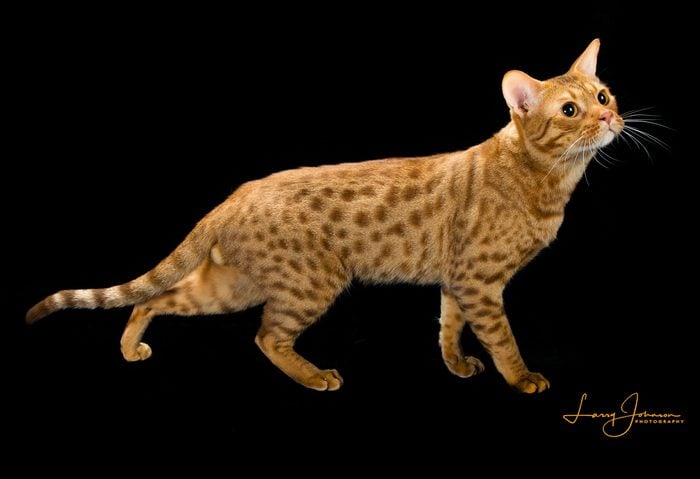
Credit: www.rd.com
How Breeds Evolve
Understanding how cat breeds evolve helps you appreciate the diversity of felines around the world. Breeds don’t just appear overnight; they develop through a mix of human choices and natural forces. This process shapes cats’ appearances, behaviors, and even their health traits over time.
Selective Breeding
Selective breeding happens when people choose specific cats to reproduce based on traits they want to see more of. This can be things like coat color, eye shape, or personality. Breeders carefully mate cats that have these qualities to create kittens with similar features.
You might notice how breeds like the Siamese or Persian have distinct looks because breeders focused on maintaining those characteristics. Sometimes this focus can lead to health issues, so responsible breeders balance appearance with well-being. Have you ever wondered why certain cats have such unique eyes or fur? It’s often the result of many generations of selective breeding.
Natural Selection In Cats
Natural selection plays a big role in how breeds evolve, especially in stray or feral cat populations. Cats that adapt well to their environment survive and pass on their genes. For example, a cat in a cold region might develop a thicker coat over time.
Unlike selective breeding, this process happens without human intervention. Nature favors traits that help cats find food, avoid predators, and thrive in their habitat. Think about outdoor cats you’ve seen—some might look very different from pets because their traits have been shaped by survival needs.
Could your own cat’s behavior and looks be influenced by these natural forces? Paying attention to these details can deepen your connection with your feline friend.
Resources For Cat Breed Information
Finding reliable information about cat breeds can be overwhelming, especially with so many sources available online and offline. Knowing where to look helps you get accurate details about each breed’s characteristics, care needs, and history. It also saves you time and ensures you’re learning from trusted experts.
Online Databases
Online databases are a great starting point for discovering cat breeds. They often provide detailed profiles, including pictures, temperament descriptions, and health information.
Websites like The International Cat Association (TICA) and Cat Fanciers’ Association (CFA) maintain extensive breed lists. These databases are updated regularly, which means you get the latest breed standards and recognition status.
Have you ever noticed how some breeds appear in one database but not in another? This reflects how different organizations recognize breeds differently. Checking multiple sources can give you a fuller picture.
Breed Clubs And Organizations
Breed clubs offer specialized knowledge and community support for specific cat breeds. They often host events, provide breeder referrals, and publish newsletters filled with breed-specific tips.
Joining a breed club can connect you directly with experienced owners and breeders. Their insights into behavior and health issues can be more practical than general information found online.
Imagine having a direct line to someone who has raised your favorite breed for years. That kind of first-hand experience can answer questions you didn’t even know you had.
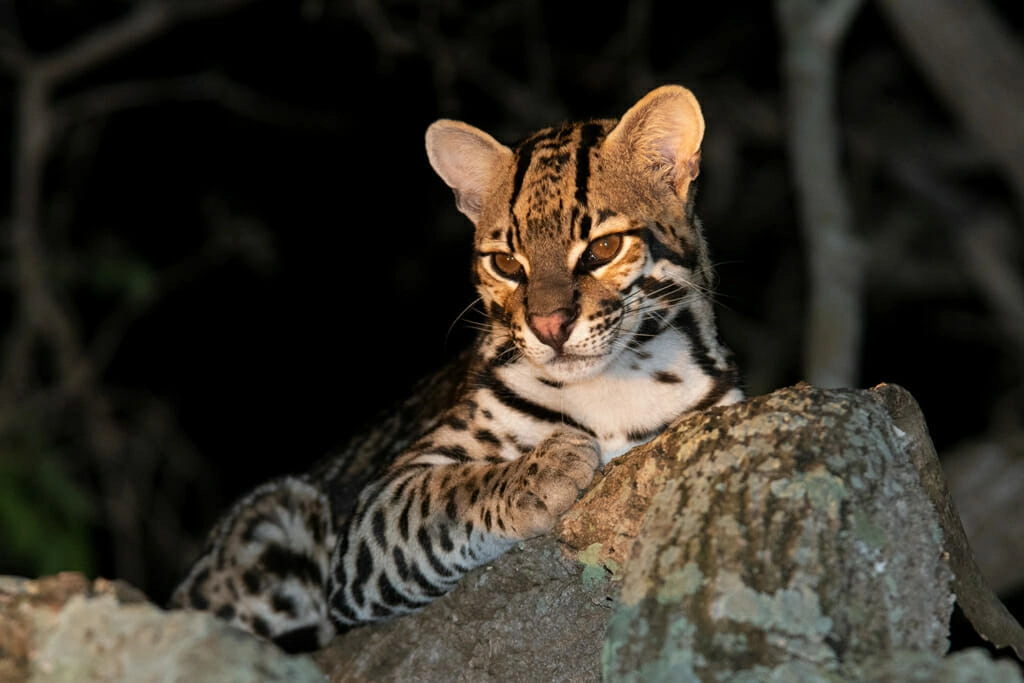
Credit: www.thewildlifediaries.com
Frequently Asked Questions
How Many Cat Breeds Exist Worldwide?
There are approximately 70 to 75 recognized cat breeds worldwide. Different cat associations may list slightly varied numbers. Each breed has unique traits and origins, contributing to the diversity of domestic cats globally.
Which Organization Recognizes The Most Cat Breeds?
The International Cat Association (TICA) recognizes over 70 cat breeds. It is one of the largest and most respected cat breed registries. TICA regularly updates breed standards and promotes cat breed diversity.
What Factors Define A Cat Breed?
A cat breed is defined by distinct physical traits, behavior, and genetics. Breeds have documented lineage and consistent characteristics. These factors help distinguish one breed from another in cat breeding and registration.
Are New Cat Breeds Still Being Developed?
Yes, new cat breeds continue to emerge through selective breeding. Breeders aim to combine traits or revive rare features. This ongoing process increases the variety of recognized cat breeds worldwide.
Conclusion
Cats come in many breeds, each with its own charm. Over 70 recognized breeds exist worldwide today. Each breed has unique looks and personality traits. This variety makes cats special and loved everywhere. Knowing different breeds helps you appreciate cats more.
Whether fluffy or sleek, cats bring joy to many homes. The world of cats is full of surprises and fun. Keep exploring to find your favorite breed. Cats truly make life better.



Leave a Reply