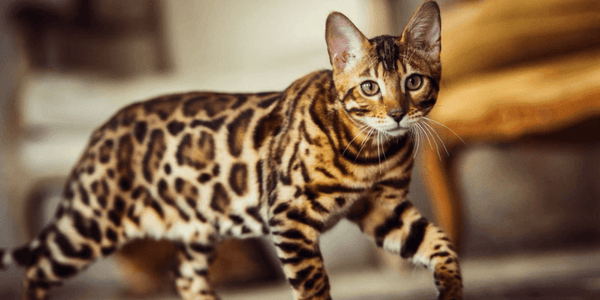
Are you fascinated by the sleek, spotted beauty of Bengal cats? Do you dream of turning that passion into a rewarding hobby or even a business?
Becoming a Bengal cat breeder might be the perfect path for you. But where do you start? What should you know before taking this exciting step? This guide will walk you through everything you need to become a responsible and successful Bengal cat breeder.
Keep reading to discover the secrets that will help you raise healthy, happy kittens and make your breeding experience truly fulfilling.

Credit: bengalcats.ca
Choosing Bengal Cats
Choosing the right Bengal cats is the foundation of a successful breeding program. It’s not just about picking any cat with a beautiful coat. You need to focus on quality, health, and traits that will produce strong, healthy kittens with the signature Bengal look and personality.
Selecting Quality Breeding Cats
Start by researching reputable Bengal breeders and breeders’ lines to understand which cats consistently produce excellent offspring. Look for cats with a stable temperament and strong lineage documented through registration papers.
Visiting breeders or cat shows can help you see potential breeding cats in person. Ask questions about their history, behavior, and how they interact with people and other cats. Your goal is to select cats that not only look great but also have proven genetics behind them.
Traits To Look For
Focus on the Bengal’s distinctive traits, such as a vivid spotted or marbled coat, muscular build, and alert expression. The coat should be dense, soft, and have a glittery shine, which is a hallmark of Bengals.
Don’t overlook personality. Bengals should be active, curious, and confident without being aggressive. You want cats with a balanced temperament that will pass on good social traits to their kittens.
Health Screening Essentials
Health is non-negotiable in breeding. Test for common Bengal genetic conditions like Progressive Retinal Atrophy (PRA) and hypertrophic cardiomyopathy (HCM). Many breeders use DNA tests and heart ultrasounds to confirm health status.
Regular veterinary check-ups and vaccinations are vital. You want to avoid passing any infections or genetic problems to your kittens. Investing time and money here saves heartbreak and costs down the line.

Credit: bengalcats.ca
Setting Up Your Breeding Space
Setting up your breeding space is vital for healthy Bengal cats. The area must be comfortable and secure for both the mother and her kittens. Proper preparation helps reduce stress and supports good care. A well-organized space makes daily tasks easier and keeps your cats safe.
Creating A Safe Environment
Choose a quiet room away from loud noises and heavy foot traffic. The space should have good ventilation but be free from drafts. Ensure windows and doors are secure to prevent escapes. Remove any harmful objects or chemicals from the area. Provide soft bedding where the mother can rest peacefully.
Necessary Supplies And Equipment
- Comfortable nesting boxes for the mother and kittens
- Food and water dishes, easy to clean
- Litter boxes with low sides for easy access
- Heating pads or lamps to maintain warmth
- Scales to monitor kitten growth
- Basic grooming tools like brushes and nail clippers
- Medical supplies for emergencies
Maintaining Cleanliness And Hygiene
Clean the breeding space daily to avoid infections. Replace bedding regularly to keep it fresh and dry. Wash food and water bowls every day. Use pet-safe disinfectants for surfaces. Monitor the mother and kittens for signs of illness. Good hygiene supports healthy growth and reduces risks.
Breeding Process Basics
Understanding the basics of breeding is key to becoming a Bengal cat breeder. Focus on genetics, health, and environment. Carefully plan each breeding cycle to ensure healthy litters and maintain breed standards.
Becoming a Bengal cat breeder is an exciting journey filled with curiosity, anticipation, and a lot of learning. Understanding the breeding process basics is essential to ensure healthy and happy kittens. This section will guide you through the key stages, from timing and mating to pregnancy care and finally, birthing and kitten care.Timing And Mating
The timing of mating is crucial for successful breeding. Female Bengals typically come into heat every two to three weeks, but you’ll want to wait until they are at least a year old before breeding. Look for signs like increased vocalization and affectionate behavior to identify when your cat is in heat. Introduce the male and female in a calm environment. Keep an eye on their interactions. Not all introductions will lead to immediate mating, so patience is key.Pregnancy Care
Once mating is successful, caring for the pregnant queen becomes your top priority. Provide a high-quality diet rich in protein to support her health and the development of her kittens. Frequent vet check-ups will help monitor her progress and address any complications early. Create a quiet, comfortable space for your pregnant cat. This will be her sanctuary for resting and eventually giving birth. Remember, a stress-free environment is crucial for a smooth pregnancy.Birthing And Kitten Care
As the due date approaches, keep an eye on nesting behavior. Your queen will start seeking a cozy spot to birth her kittens. Be ready with clean towels and a warm nesting box. During birthing, stay calm and offer gentle support. Most cats manage on their own, but be prepared to assist if necessary. After birth, ensure each kitten is nursing well. Monitor their weight gain and health closely. A healthy start is vital for their future well-being. What challenges might you face during this process? Share your thoughts and experiences, and let’s learn together.Health And Nutrition
Keeping your Bengal cats healthy starts with understanding their unique nutritional needs and medical care. Their vibrant energy and striking coat reflect how well you manage their diet and health routines. Paying attention to these details not only supports their well-being but also ensures successful breeding outcomes.
Diet For Adult Bengals
Adult Bengals need a diet rich in high-quality protein to maintain their muscle tone and energy. Choose foods with real meat, like chicken or fish, as the first ingredient. Avoid fillers such as corn or soy, which provide little nutritional value and can cause allergies.
Wet food is excellent for hydration, but dry kibble helps keep teeth clean. You can mix both to balance nutrition and dental health. Fresh water should always be available—Bengals are active cats and can dehydrate quickly.
Nutrition For Pregnant And Nursing Cats
Pregnant and nursing Bengals require extra calories and nutrients to support their kittens. Increase their food intake gradually and choose formulas designed for growth or motherhood stages. These foods contain added vitamins, minerals, and fats necessary for healthy development.
Monitor their weight closely—both underfeeding and overfeeding can harm the mother and kittens. Offer small, frequent meals to keep energy levels steady. If you notice any changes in appetite or behavior, consult your vet immediately.
Vaccination And Vet Visits
Regular vet visits are crucial for early detection of health issues. Stay on top of vaccinations to protect your Bengals from common feline diseases. Vaccination schedules may vary, but core vaccines typically include rabies, feline distemper, and respiratory infections.
Keep a detailed health record for each cat, noting vaccination dates and any medical treatments. This record is especially important when breeding to avoid passing on illnesses. How often do you check your cats’ health beyond their vaccinations? Routine check-ups can reveal hidden problems before they escalate.
Socializing Bengal Kittens
Socializing Bengal kittens is a crucial part of raising confident and friendly cats. Early experiences shape their behavior and help them adapt to new situations throughout life. You can make this process smooth by starting early and being consistent with your approach.
Early Handling Techniques
Begin handling Bengal kittens within the first two weeks of their life. Gently hold and stroke them daily to get them used to human touch. This helps reduce fear and builds trust between you and your kittens.
Use soft, calm voices when interacting. Try different types of touch, like gentle petting and light massage, to see what your kittens enjoy. This variety prepares them for future grooming and vet visits.
Introducing To New Environments
Expose your kittens to different rooms and surfaces gradually. Let them explore at their own pace without forcing them into unfamiliar spaces. You want to encourage curiosity, not fear.
Bring in new objects like toys, scratching posts, and soft blankets. These items help kittens feel safe and entertained. Watching their reactions can tell you a lot about their personalities.
Encouraging Healthy Behavior
Reward positive interactions with treats and praise. This reinforces good behavior like using the litter box or playing gently. Avoid harsh punishments; they can create anxiety or aggression.
Set up regular playtime to channel your kittens’ energy. Use interactive toys to stimulate their minds and bodies. Have you noticed how a tired kitten sleeps better and behaves calmer?
Legal And Ethical Considerations
Starting a Bengal cat breeding business requires attention to legal and ethical rules. These rules protect the cats’ health and buyers’ rights. Following these guidelines helps build a good reputation and avoid legal troubles.
Licensing And Permits
Check local laws about animal breeding. Many places require a license or permit to breed cats. This ensures breeders follow health and safety standards. Apply for necessary permits before starting your breeding program. Keep all documents up to date to avoid fines or shutdowns.
Ethical Breeding Practices
Breed cats only with good health and strong genetics. Avoid mating cats with known diseases or bad temperaments. Provide clean, safe living spaces for all cats. Give kittens proper socialization and veterinary care. Stop breeding cats that show health problems. Ethical breeders prioritize the cats’ well-being over profits.
Dealing With Contracts And Sales
Use clear contracts for every sale. Include details about the kitten’s health, vaccinations, and return policies. State buyer responsibilities and breeder guarantees in writing. Make sure buyers understand all contract terms before signing. Contracts protect both the breeder and the buyer. Keep copies of all agreements for your records.
Marketing Your Bengal Cats
Marketing your Bengal cats effectively helps you reach the right buyers quickly. It builds trust and shows your passion for the breed. Good marketing highlights your cats’ unique qualities and health care. It can also grow your reputation as a responsible breeder.
Building An Online Presence
Create a simple website to show your Bengal cats and their stories. Use clear photos and details about each cat’s personality and health. Share updates regularly to keep visitors interested. Social media platforms can help you connect with cat lovers worldwide. Post pictures, videos, and tips about Bengal cats. Respond to questions fast to build good relationships.
Finding Reputable Buyers
Focus on buyers who care about Bengal cats’ well-being. Ask questions about their home and experience with pets. Offer advice on caring for Bengals to show your support. Avoid selling to people who want cats only for breeding or selling. Encourage buyers to visit and meet your cats before deciding. This helps ensure your cats go to loving homes.
Pricing And Negotiation Tips
Set prices based on your cats’ pedigree, health, and care costs. Research prices from other Bengal breeders for fair comparison. Be clear about what the price includes, like vaccinations or microchips. Stay firm but polite during negotiations to keep respect. Offer payment options or deposits to secure serious buyers. Avoid lowering prices too much to maintain your cats’ value.

Credit: www.outdoorbengal.com
Troubleshooting Common Issues
Troubleshooting common issues is essential for anyone breeding Bengal cats. Challenges can arise from health, breeding, or behavior. Early detection and quick action keep the cats safe and healthy. Understanding typical problems helps in making better decisions and providing the best care.
Health Problems In Bengals
Bengal cats may face some specific health concerns. Regular vet check-ups help catch problems early. Common issues include:
- Hypertrophic Cardiomyopathy (HCM) – a heart disease
- Progressive Retinal Atrophy (PRA) – affects eyesight
- Patellar Luxation – knee joint problems
- Feline Infectious Peritonitis (FIP) – a viral disease
Keeping vaccinations updated and monitoring their behavior aids health. Healthy diet and clean environment reduce risks too.
Breeding Challenges
Breeding Bengals can be tricky. Not all cats breed easily. Some common challenges include:
- Difficulty in mating or infertility
- Pregnancy complications like miscarriage
- Small litter sizes or weak kittens
- Genetic health issues passed to kittens
Work with experienced vets to manage these risks. Proper timing and careful selection of breeding pairs improve success.
Handling Behavioral Concerns
Bengal cats are active and intelligent. Behavioral problems may arise without proper attention. Watch for:
- Excessive scratching or biting
- Destructive behavior in the home
- Aggression toward humans or other pets
- Stress or anxiety signs
Provide toys, exercise, and social interaction daily. Training and patience shape positive behavior. Seek advice from cat behavior experts if needed.
Continuing Education And Networking
Continuing education and networking play vital roles in becoming a successful Bengal cat breeder. These efforts help you gain new knowledge, connect with experts, and stay informed about best practices. They improve your breeding skills and ensure the health and quality of your cats.
Joining Breeder Associations
Breeder associations offer valuable resources and support. Members share advice, breeding tips, and health information. Associations often provide access to exclusive workshops and seminars. Joining one builds credibility and trust with other breeders and buyers.
Attending Cat Shows And Events
Cat shows are perfect for meeting experienced breeders and judges. These events let you observe top Bengal cats and learn judging standards. You can network with breeders from different regions. Shows also help you promote your cats and gain feedback.
Staying Updated On Breeding Trends
Breeding trends and techniques change over time. Staying updated helps you improve your breeding program. Read breeder magazines, newsletters, and online forums regularly. Follow new research on Bengal cat genetics and health. This knowledge keeps your breeding ethical and modern.
Frequently Asked Questions
What Qualifications Are Needed To Breed Bengal Cats?
To breed Bengal cats, you need knowledge of genetics and cat health. Experience in cat care and breeding ethics is essential. Joining a Bengal cat breeder club can provide valuable guidance. Proper certifications and licenses may be required depending on your location.
How Do I Start A Bengal Cat Breeding Business?
Start by researching Bengal cat standards and reputable breeders. Acquire healthy, pedigreed Bengals for your breeding program. Create a safe, clean environment for cats. Register your cattery and market responsibly through websites and social media.
What Are Common Bengal Cat Health Concerns?
Bengal cats may face hypertrophic cardiomyopathy and progressive retinal atrophy. Regular vet check-ups and genetic testing help prevent these issues. Proper diet and exercise maintain their health and longevity.
How Do I Ensure Ethical Bengal Cat Breeding?
Focus on the cats’ health and welfare. Avoid inbreeding and screen for hereditary diseases. Provide loving homes for kittens and support new owners. Transparency and honesty build breeder reputation.
Conclusion
Becoming a Bengal cat breeder takes care and patience. Learn about their needs and health first. Find good cats with strong traits to breed. Keep your cats safe and happy every day. Talk to other breeders and join groups for support.
Always follow local rules and laws for breeding. This work needs time, love, and attention. Enjoy watching your cats grow and thrive. Breeding Bengals can be a rewarding journey. Stay committed and keep learning as you go.

Leave a Reply