Have you ever watched your cat spend hours licking its fur, while your dog seems content to skip this routine altogether? You might wonder, why do cats groom themselves so much, but dogs don’t?
Understanding this difference can change how you care for your pets and improve their health and happiness. Keep reading, and you’ll discover surprising reasons behind these behaviors that will help you connect with your furry friends on a whole new level.

Credit: www.oliverpetcare.com
Cat Grooming Habits
Cats are known for their fastidious grooming habits. They spend a large part of their day cleaning themselves. Grooming is not just about looking good. It also keeps cats healthy and comfortable.
How Cats Groom Themselves
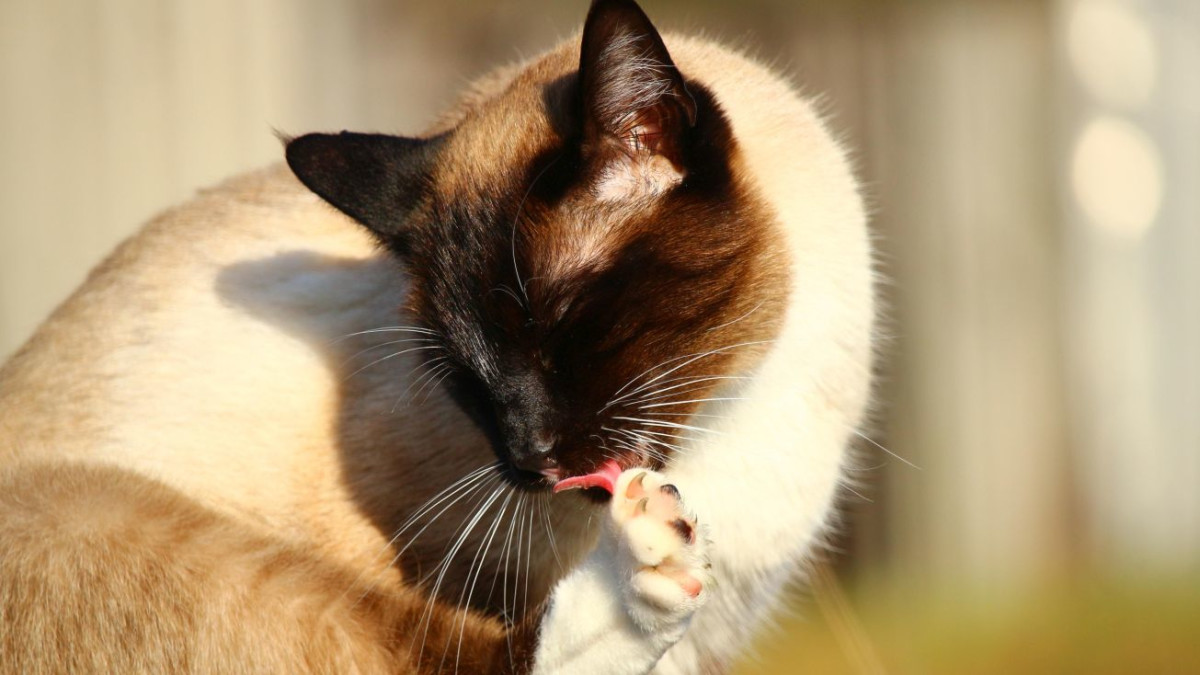
Cats use their tongues, teeth, and paws to groom. Their tongues have tiny, hook-like structures. These hooks help remove dirt and loose fur. Cats lick their fur carefully, reaching many spots. They also nibble gently to clean tough areas. Paws act like washcloths, moistening and wiping their faces.
Benefits Of Self-grooming For Cats
- Removes dirt and parasites from fur
- Helps regulate body temperature
- Stimulates blood flow to the skin
- Reduces stress and calms the cat
- Prevents matting and tangling of fur
Grooming keeps cats feeling fresh and relaxed. It also helps them stay alert and healthy.
Role Of Tongue And Claws In Grooming
The tongue’s rough texture scrapes away dirt and loose fur. It also spreads natural oils that keep the fur shiny. Claws help cats scratch hard-to-reach areas. Scratching removes dead skin and loose fur. Together, the tongue and claws work as an effective cleaning system.
Dog Grooming Behavior
Understanding dog grooming behavior reveals interesting contrasts with cats. Unlike cats, dogs rarely groom themselves by licking or cleaning their fur. This difference is rooted in their biology, instincts, and social habits, which shape how they keep clean and healthy.
Why Dogs Rarely Groom Themselves
Dogs don’t groom themselves as meticulously as cats because their tongues are rougher and less suited for detailed cleaning. Their grooming instincts focus more on occasional licking rather than constant maintenance.
Also, dogs rely heavily on their humans for grooming tasks such as bathing and brushing. This dependence on external care means they don’t develop the same self-cleaning habits cats have.
How Dogs Stay Clean
Dogs use different strategies to stay clean, including rolling in dirt or grass, which might seem counterintuitive. This behavior masks their scent and can help remove loose fur or parasites.
Regular baths and brushing by owners play a major role in keeping dogs clean. Additionally, their skin produces oils that protect their coat and prevent dryness.
Have you noticed how your dog often shakes vigorously after getting wet? This natural action helps remove excess water and dirt efficiently.
Influence Of Breed On Grooming
Breed greatly influences a dog’s grooming needs and habits. Some breeds, like Poodles and Shih Tzus, require frequent professional grooming to maintain their coats.
Others, such as short-haired breeds like Beagles, need minimal grooming and can stay clean with occasional brushing. Understanding your dog’s breed helps you provide the right grooming routine.
Have you observed how your dog’s grooming needs differ from others? Recognizing these differences ensures you keep your pet comfortable and healthy.
Evolutionary Roots
Understanding why cats groom themselves and dogs do not requires a look at their evolutionary past. Grooming habits link closely to how these animals adapted to survive. Both species evolved different behaviors to meet their needs and challenges in the wild.
Ancestral Grooming Patterns
Cats descend from solitary hunters. Their ancestors depended on stealth and cleanliness to avoid predators and catch prey. Grooming helped remove scent and dirt, keeping them hidden in their environment.
Dogs evolved from pack animals. Their ancestors relied on social bonds and cooperation. Grooming was less critical for individual survival, so it became more about social interaction than self-cleaning.
Survival Benefits Of Grooming In Cats
Grooming keeps cats’ fur clean and free from parasites. It also regulates body temperature and aids in healing wounds. This behavior helped cats stay agile and healthy in harsh conditions.
By licking themselves, cats remove loose fur and dirt. This reduces the chance of infection and skin problems. Grooming also spreads natural oils, which protect their fur from water and cold.
Different Survival Strategies In Dogs
Dogs use other methods to stay clean and healthy. They shake off dirt, roll in grass, or rub against surfaces. Their social nature means pack members often help each other with grooming.
Dogs rely more on their sense of smell and social cues for survival. Their thick coats and outdoor activities require less frequent self-cleaning. Instead, they depend on group living for protection and care.
Social And Psychological Factors
Social and psychological factors play a big role in why cats groom themselves and dogs do not. Grooming is more than just cleaning. It helps animals feel calm and connect with others. These behaviors show how animals think and interact.
Grooming As A Social Activity
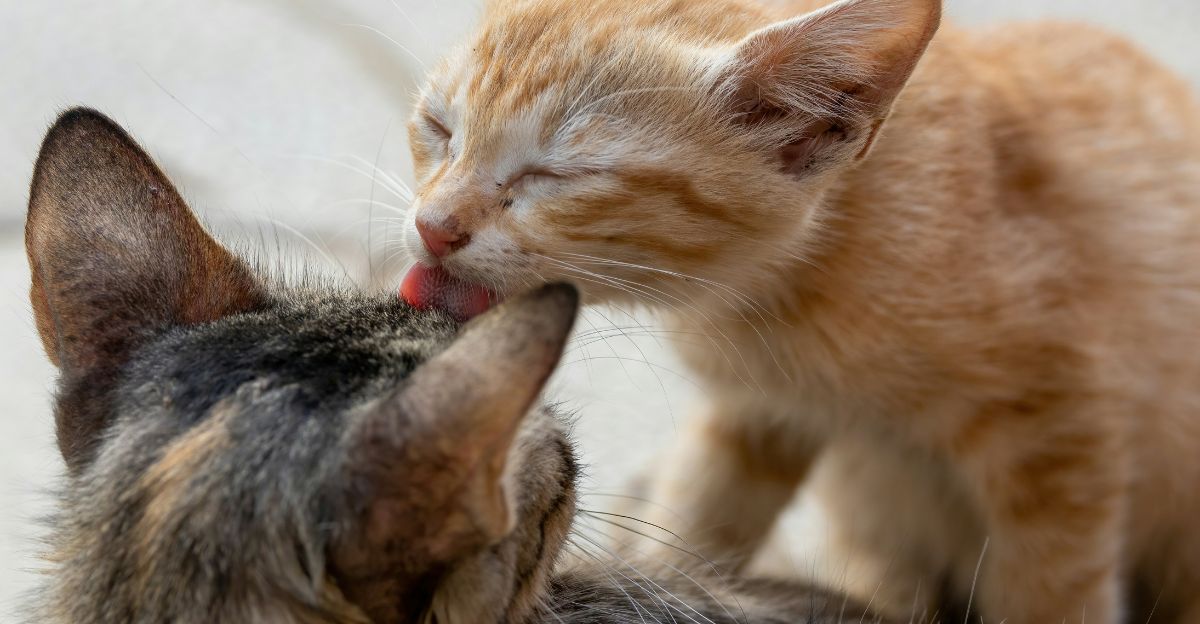
Cats often groom each other to build trust and show friendship. This activity is called allogrooming. It helps keep peace in groups and reduces fights. Dogs rarely groom each other. They use play and body language to bond instead.
Stress And Grooming In Cats And Dogs
Grooming helps cats calm down when they feel stressed. Cats lick their fur to soothe themselves. Dogs may lick, but usually it is less about stress relief. Dogs use other ways like panting or seeking attention to manage stress.
Bonding Through Grooming
Cats bond strongly through grooming. Mothers groom kittens to comfort and clean them. Cats also groom close friends to strengthen their bond. Dogs show affection by licking faces and wagging tails, not by grooming fur.
Health Implications
Cats groom themselves to keep clean and remove dirt, which helps prevent infections. Dogs rely more on their owners for cleaning and have different skin oils that protect them. Grooming habits affect their health and comfort in unique ways.
Cats and dogs have distinct grooming habits, and these behaviors have specific health implications. While cats are well-known for their meticulous grooming routines, dogs often rely on humans for assistance. Understanding these differences can help you better care for your pet’s health and well-being.Grooming And Parasite Control
Cats naturally groom themselves to control parasites. Their rough tongues act like a comb, removing loose hair and dirt, which can minimize the risk of fleas and other pests. On the other hand, dogs may not groom as frequently, making them more reliant on regular baths and treatments to keep parasites at bay.Skin And Coat Health
Regular grooming helps cats maintain healthy skin and coats. By distributing natural oils, they keep their fur shiny and skin moisturized. Dogs, however, need your help to achieve similar benefits; brushing them regularly can help distribute oils and remove dead skin cells, promoting a healthy coat.When Lack Of Grooming Signals Health Issues
A sudden stop in grooming can indicate health problems in cats. Issues like obesity, arthritis, or dental pain may prevent them from cleaning themselves. For dogs, a neglected appearance or excessive scratching might signal allergies or skin conditions. Observing these signs early can ensure timely veterinary care. Have you ever noticed changes in your pet’s grooming habits? It might be time to give them a closer look and a helping hand. Regular attention to their grooming needs can prevent potential health issues and keep them feeling their best.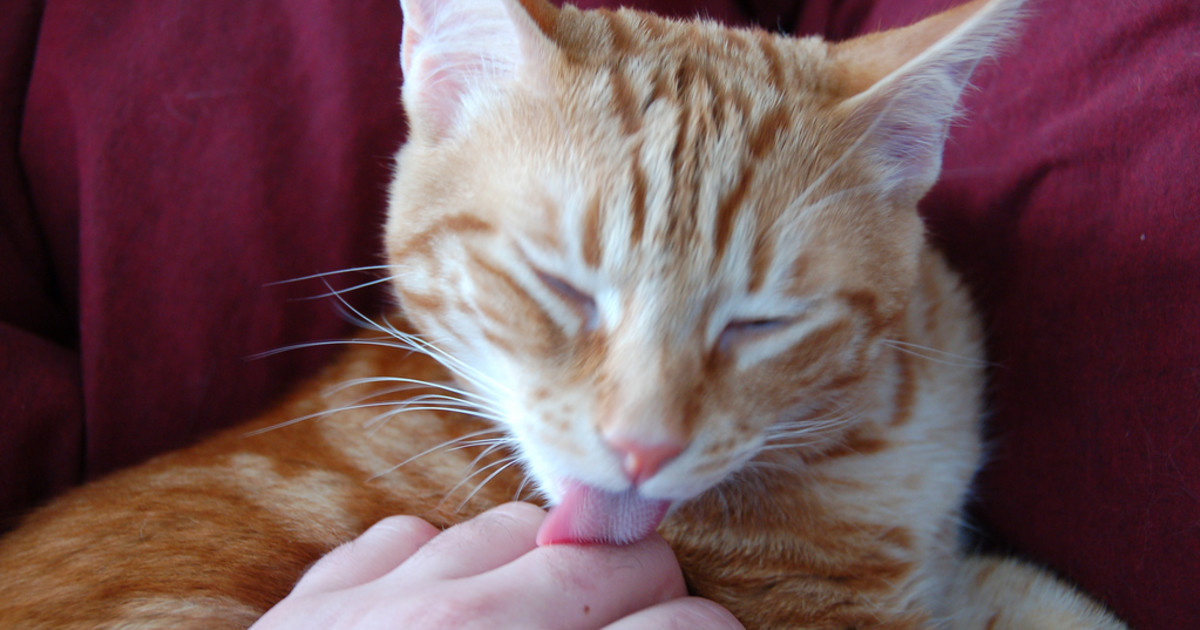
Credit: pethelpful.com
Owner’s Role In Pet Grooming
Pet grooming is not just about keeping your furry friends looking good—it’s a vital part of their health and happiness. While cats naturally groom themselves, dogs often depend on you to maintain their cleanliness. Understanding your role in pet grooming helps you support your pet’s well-being and strengthens the bond you share.
Helping Dogs Stay Clean
Dogs don’t groom themselves as meticulously as cats. This means they rely on you to remove dirt, loose hair, and prevent matting. Regular brushing keeps their coat healthy and reduces shedding around your home.
Bathing your dog on a schedule suitable for their breed and lifestyle also keeps their skin balanced and free from irritations. Pay attention to areas like ears and paws, which can collect debris and cause infections if neglected.
Encouraging Healthy Grooming Habits In Cats
Even though cats groom themselves, they benefit from your help, especially if they have long fur or health issues. Brushing your cat regularly prevents hairballs and reduces shedding, which can make your home cleaner.
Offering a calm environment during grooming can encourage your cat to enjoy the process. Notice if your cat shows signs of stress or discomfort, and adjust your approach to keep grooming a positive experience.
Tools And Techniques For Effective Grooming
Choosing the right tools can make grooming easier for both you and your pet. For dogs, a slicker brush or a deshedding tool works well for most coat types. Cats often prefer softer brushes or combs that gently untangle fur.
Using gentle, slow strokes helps your pet relax and trust the grooming session. Try to groom your pet in a quiet, comfortable spot to minimize distractions and create a routine they look forward to.
Have you noticed how your pet reacts during grooming? Observing their behavior can guide you in improving your technique and making grooming a bonding moment rather than a chore.

Credit: www.reddit.com
Frequently Asked Questions
Why Do Cats Groom Themselves Frequently?
Cats groom to clean fur, remove parasites, and regulate body temperature. It also reduces stress and strengthens their bond with their environment.
Why Don’t Dogs Groom Themselves Like Cats?
Dogs lack the flexible tongues cats have for grooming. They rely more on licking wounds and social grooming rather than daily self-cleaning rituals.
How Does Grooming Benefit A Cat’s Health?
Grooming removes dirt and loose fur, preventing skin infections. It also helps distribute natural oils, keeping the coat shiny and healthy.
Can Dogs Be Trained To Groom Themselves?
Dogs cannot groom like cats due to anatomy. However, owners can train dogs for regular brushing to maintain coat cleanliness and health.
Conclusion
Cats clean themselves to stay healthy and comfortable. Grooming helps them remove dirt and parasites. Dogs rely more on humans or water baths for cleaning. Their different behaviors come from instincts and body needs. Understanding these habits helps pet owners care better.
Both animals show love and trust in their own ways. Knowing why cats groom and dogs don’t makes us appreciate them more. Simple habits reveal a lot about their nature. Caring for pets means respecting their unique ways.

Leave a Reply