Do you have a longhaired cat and wonder how to keep their coat looking soft and beautiful? Grooming a longhaired cat can seem tricky, but it doesn’t have to be a struggle.
With the right tips and a little patience, you can make grooming a simple and even enjoyable part of your routine. You’ll discover easy steps to prevent mats, reduce shedding, and keep your cat comfortable and happy. Ready to become your cat’s grooming hero?
Let’s get started!

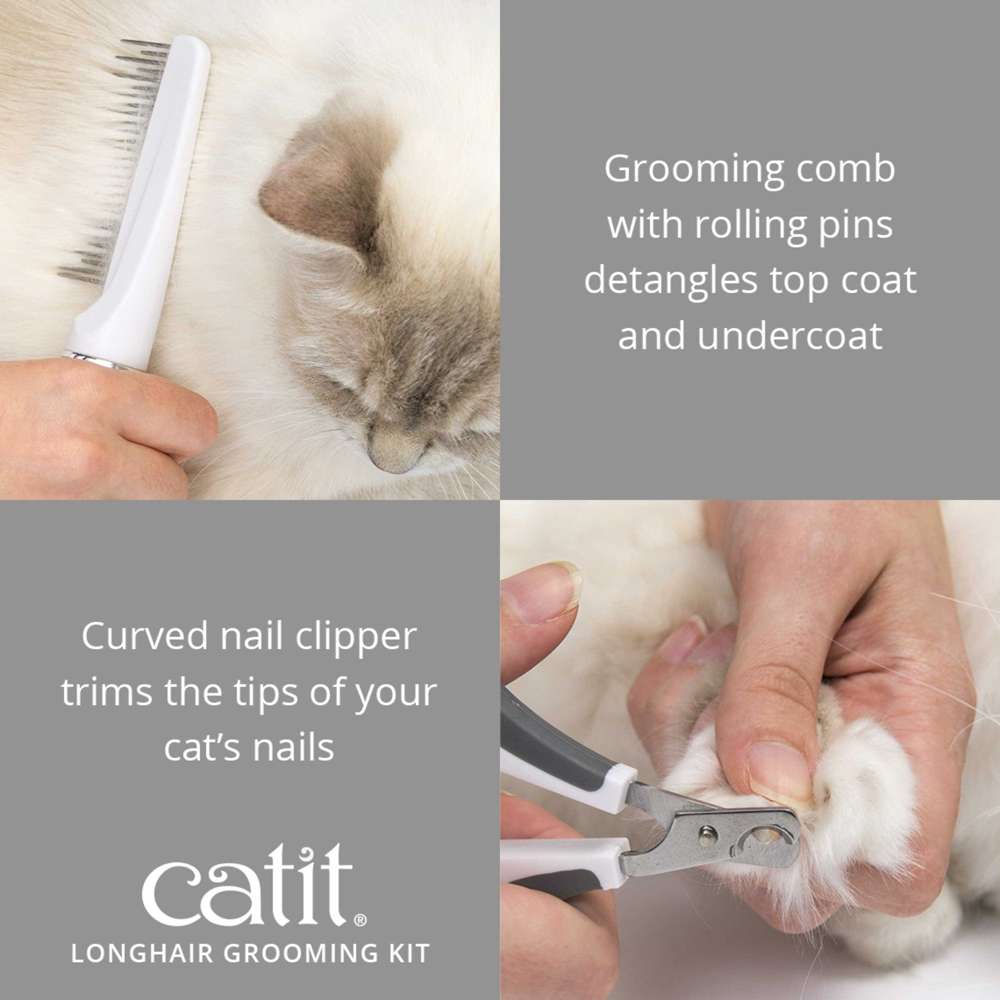
Credit: catit.ca
Choosing The Right Tools
Choosing the right tools is key to making grooming a longhaired cat easier for both you and your feline friend. The right equipment not only helps keep your cat’s coat healthy but also reduces stress during grooming sessions. Have you ever struggled with a brush that just didn’t work well? Picking the right one can change your entire grooming experience.
Brush Types For Longhair Cats
Not all brushes are made equal, especially for longhaired cats. A slicker brush with fine, short wires works wonders to remove loose fur and prevent matting without pulling on your cat’s skin. You might also try a pin brush, which helps smooth the coat and is gentle enough for sensitive areas.
Think about your cat’s comfort as you choose. Does your cat have sensitive skin? A softer brush could be better. Do you need to tackle thick undercoat? A brush designed for deep grooming will save you time and frustration.
Combs And Dematting Tools
Combs are perfect for spotting tangles and working through mats. Look for a wide-toothed comb to gently separate knots without hurting your cat. Dematting tools, like mat splitters or rake combs, help break down stubborn mats safely.
Have you noticed mats forming behind your cat’s ears or under the legs? These tools can target those tricky spots. Always use dematting tools carefully to avoid pulling on the skin and causing discomfort.
Additional Grooming Supplies
Beyond brushes and combs, keep nail clippers, grooming scissors, and pet-safe wipes handy. Longhaired cats often get fur between their paw pads that needs trimming. Nail clippers help keep their claws at a comfortable length, reducing accidental scratches during grooming.
Pet wipes are great for quick cleanups between baths and help keep your cat’s coat fresh. What small tools could you add to your grooming kit to make your sessions smoother and safer?
Preparing Your Cat For Grooming
Preparing your longhaired cat for grooming is important for a smooth experience. Cats can feel stressed or scared if not ready. Preparation helps your cat stay calm and makes grooming easier. It also protects your cat’s skin and fur from damage. Start by setting up the right environment and learning how to handle your cat gently. Knowing when and how often to groom will keep your cat happy and healthy.
Creating A Calm Environment
Choose a quiet room without loud noises or distractions. Soft lighting helps your cat relax. Use a comfortable surface like a soft towel or blanket for grooming. Keep grooming tools nearby to avoid interruptions. Speak in a gentle, soothing voice to reassure your cat. Let your cat explore the area before starting. Calm surroundings reduce anxiety and help your cat enjoy grooming.
Handling Techniques
Handle your cat with care and patience. Use slow movements to avoid startling your cat. Support your cat’s body gently but firmly. Use one hand to hold your cat, the other to groom. Avoid pulling on fur or skin. Watch your cat’s reactions to know when to pause. Use treats and praise to reward good behavior. Gentle handling builds trust and makes grooming less stressful.
Timing And Frequency
Pick a time when your cat is calm or sleepy. Avoid grooming right after meals or playtime. Short sessions of 5 to 10 minutes work best. Groom your cat regularly to prevent mats and tangles. Most longhaired cats need grooming at least three times a week. Increase frequency if your cat sheds heavily or spends time outdoors. Consistent grooming keeps your cat’s coat healthy and shiny.
Brushing Techniques
Brushing your longhaired cat is more than just a grooming task—it’s a chance to bond and keep their coat healthy. Effective brushing techniques help remove loose fur and prevent painful mats from forming. Let’s look at ways to brush your cat carefully and confidently.
Step-by-step Brushing Process
Start by choosing a brush designed for longhair cats, like a slicker brush or a wide-toothed comb. Begin brushing gently from the head, moving toward the tail to follow the natural fur direction.
Use short, soft strokes and be consistent but gentle to avoid hurting your cat. Pay close attention to areas where fur is thickest, such as the belly and behind the ears.
Check your cat’s reaction frequently—if they seem uncomfortable, slow down or take a break. This helps build trust and makes future grooming easier.
Dealing With Tangles And Mats
Tangles and mats need careful handling to avoid hurting your cat. Use your fingers to gently loosen small knots before brushing them out.
If a mat is stubborn, try a dematting tool or a pair of blunt-nosed scissors—but only if you feel confident. Never pull hard; instead, work patiently to break the mat apart bit by bit.
Regular brushing reduces mats, but if your cat develops large mats, consider professional grooming help. Have you noticed certain spots on your cat’s coat that tangle more often?
Tips For Sensitive Areas
Areas like behind the ears, under the chin, and around the belly are often sensitive. Approach these spots with extra care and use a softer brush or your fingers if needed.
Try distracting your cat with treats or gentle petting while brushing these areas. This creates a positive experience and helps your cat stay calm.
If your cat resists, stop and try again later—forcing can create fear and make grooming a struggle. What small changes can you make to ease your cat’s discomfort during brushing?
Bathing Longhaired Cats
Bathing longhaired cats requires gentle care and patience. Use lukewarm water and a mild cat shampoo to avoid skin irritation. Brush their fur thoroughly before and after the bath to prevent tangles and mats.
Bathing Longhaired Cats Grooming a longhaired cat can sometimes feel like a daunting task, especially when it comes to giving them a bath. These elegant felines require a bit more attention to maintain their luxurious coats. However, with the right approach, bathing your longhaired cat can become a manageable and even enjoyable routine. Are you ready to dive into the sudsy world of cat baths and emerge with a clean, happy kitty?When To Bathe Your Cat
Not every cat needs frequent baths. Longhaired breeds are often meticulous groomers, so you should only bathe them when necessary. Keep an eye out for a greasy coat, dirt accumulation, or if they’ve encountered something particularly smelly or sticky. Consider your cat’s lifestyle. Indoor cats might need fewer baths than their outdoor counterparts. Always gauge your cat’s tolerance and stress levels; bathing should never be a traumatic experience for them.Safe Bathing Practices
Safety and comfort are key when bathing your cat. Use a gentle, pet-safe shampoo specifically designed for cats. Human shampoos can irritate their skin. Gather all your supplies before starting the bath. This includes towels, a non-slip mat, and maybe even a few treats to reward your feline friend. Ensure the water is warm, not hot, and fill the tub or sink with just a few inches of water. During the bath, speak soothingly to your cat. Use a cup or handheld sprayer to gently wet their fur, taking care to avoid their face and ears. A personal tip: I always keep a favorite toy nearby to help distract my cat during the process.Drying And Aftercare
Once the bath is complete, wrap your cat in a soft, absorbent towel. Gently pat them dry, being careful not to rub too vigorously which can tangle their long fur. Consider using a hairdryer on the lowest setting if your cat is comfortable with it. Always keep the dryer at a safe distance and move it continuously to prevent overheating any one spot. After drying, brush their coat to prevent matting. Regular brushing after baths can help keep their fur in top condition. What strategies will you employ to ensure your cat’s bathing experience is as stress-free as possible?Trimming And Nail Care
Trimming and nail care are vital parts of grooming a longhaired cat. Proper care keeps your cat healthy and comfortable. It also prevents mats and injuries. Regular attention to nails and fur around sensitive areas improves your cat’s quality of life.
Clipping Nails Safely
Use a sharp, small pet nail clipper for best results. Hold your cat’s paw gently but firmly. Avoid cutting too close to the pink area, called the quick. The quick contains nerves and blood vessels. Cutting it causes pain and bleeding. Trim only the sharp tip of each nail. Reward your cat with treats to create positive experiences.
Trimming Fur Around Problem Areas
Focus on areas where fur mats easily, like behind the ears and under the legs. Use blunt-tipped scissors to avoid injury. Comb the fur first to find knots and tangles. Cut small sections carefully, following the fur’s natural direction. Keep the fur short near the rear to maintain hygiene. Check these areas regularly to prevent matting.
Avoiding Common Mistakes
- Do not rush; go slow to avoid accidents.
- Never cut nails too short or you may hurt your cat.
- Avoid using human nail clippers; they can split or crush nails.
- Do not trim fur too close to the skin to prevent irritation.
- Stay calm and gentle to keep your cat relaxed.
Maintaining Coat Health
Maintaining your longhaired cat’s coat health goes beyond just brushing. The right care starts from within and includes regular health checks and smart habits to prevent common problems like hairballs. Keeping your cat’s fur shiny and tangle-free requires consistent attention to diet, hydration, and overall wellness.
Diet And Hydration Tips
Your cat’s coat reflects what they eat and drink. High-quality food rich in omega-3 and omega-6 fatty acids supports a glossy, healthy coat.
- Look for cat foods with fish oil or flaxseed oil for natural shine.
- Include wet food in their diet to boost hydration, especially if your cat doesn’t drink much water.
- Fresh, clean water should always be available to keep their skin and fur hydrated from the inside out.
I noticed a big difference in my cat’s fur after switching to a diet with added fish oil—his coat became noticeably softer and less prone to mats.
Regular Vet Checkups
Regular vet visits help catch underlying health issues that can affect your cat’s coat. Skin infections, allergies, and parasites often show up as coat problems first.
Ask your vet to check for fleas, mites, or fungal infections during routine exams. These can cause excessive scratching and hair loss if untreated.
Don’t overlook dental health either; poor teeth can affect your cat’s appetite, indirectly harming coat quality.
Preventing Hairballs
Longhaired cats are prone to hairballs because they ingest loose fur when grooming. Hairballs can cause discomfort and digestive issues.
- Brush your cat daily to remove loose hair before they swallow it.
- Use hairball control treats or foods formulated to reduce hairball formation.
- Encourage regular play and exercise to help fur pass naturally through the digestive system.
Have you noticed your cat coughing or gagging? That might be a sign of hairballs starting to form. Addressing this early can prevent bigger problems down the line.
Dealing With Grooming Challenges
Grooming a longhaired cat can be rewarding but also challenging. You might face resistance, skin problems, or moments when you’re unsure if the situation needs expert attention. Understanding how to handle these obstacles helps keep your cat comfortable and their coat healthy.
Handling Uncooperative Cats
Not every cat enjoys being groomed, especially if they’re not used to it. Try breaking grooming sessions into short, calm intervals instead of long sessions that cause stress.
Use gentle strokes and speak softly to soothe your cat. Sometimes, wrapping them gently in a towel can help keep them still without causing panic.
Have you noticed your cat’s favorite time or place for grooming? Using that can make a big difference. Remember to reward them with treats or playtime afterward to create positive associations.
Recognizing Skin Issues
While grooming, pay close attention to your cat’s skin. Look for redness, bumps, dry patches, or excessive dandruff. These signs could indicate allergies, infections, or parasites like fleas.
Longhaired cats are prone to mats that trap dirt and moisture, which can lead to skin irritation. Regularly part the fur to check the skin underneath.
If your cat scratches or licks a spot repeatedly, it’s a signal to inspect that area closely. Early detection of skin problems makes treatment easier and prevents discomfort.
When To Seek Professional Help
If your cat’s fur is severely matted or if grooming causes distress that you can’t manage, it’s time to call a professional groomer or vet. Professionals have the right tools and experience to handle tough grooming situations safely.
Also, if you spot wounds, sores, or persistent skin issues during grooming, ask your vet for advice. They can rule out infections or underlying health conditions.
Would you rather risk injury or stress to your cat, or get expert help that makes grooming easier for both of you? Sometimes, reaching out is the best choice for your longhaired companion’s well-being.

Credit: catit.ca

Credit: catit.ca
Frequently Asked Questions
How Often Should I Groom A Longhaired Cat?
Longhaired cats need grooming at least 3-4 times weekly. Regular brushing prevents mats, reduces shedding, and keeps their coat healthy. Consistent grooming also helps detect skin issues early and strengthens your bond with your cat.
What Tools Are Best For Grooming Longhaired Cats?
Use a wide-toothed comb, slicker brush, and grooming scissors. These tools help remove tangles, loose hair, and prevent mats. A de-shedding tool can also reduce shedding effectively without hurting your cat’s delicate skin.
How Do I Prevent Mats In A Longhaired Cat’s Fur?
Brush your cat regularly, especially in problem areas like behind ears and under legs. Use detangling spray if needed. Check daily for early signs of mats and gently work them out before they worsen.
Can Grooming Help Reduce Longhaired Cat Shedding?
Yes, grooming removes loose hair and decreases shedding around your home. Regular brushing also distributes natural oils, keeping fur shiny and healthy. Bathing occasionally can further reduce shedding and keep your cat comfortable.
Conclusion
Grooming a longhaired cat takes patience and care every day. Regular brushing stops mats and keeps fur soft. Use gentle tools to avoid hurting your cat. Watch your cat’s skin for any problems. Make grooming time calm and fun for both of you.
Small steps make a big difference in your cat’s comfort. Healthy fur shows a happy cat. Keep up with grooming to enjoy a clean, beautiful pet.


Leave a Reply