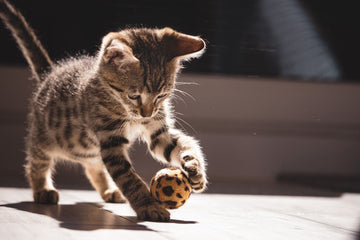
Are you wondering if the toys you give your cat are truly safe? You want your furry friend to have fun, but you also want to keep them out of harm’s way.
It’s easy to assume all cat toys are harmless, but some can actually pose hidden risks. Knowing which toys are safe can protect your cat from choking, poisoning, or injury. You’ll discover what to look for when choosing cat toys, how to spot dangerous ones, and simple tips to keep playtime both exciting and safe.
Keep reading to make sure your cat’s toys are as safe as they are entertaining.

Credit: www.amazon.ca
Types Of Cat Toys
Cat toys come in many shapes and styles. Each type offers different ways to keep cats active and happy. Choosing the right toy depends on your cat’s personality and needs. Some toys encourage play and exercise, while others help with chewing or mental stimulation. Understanding the types helps you find safe options for your feline friend.
Interactive Toys
Interactive toys involve you and your cat playing together. These toys often move or make sounds to catch your cat’s attention. Examples include feather wands, laser pointers, and puzzle feeders. They keep cats mentally and physically engaged. Regular play with interactive toys helps reduce boredom and stress.
Chewable Toys
Chewable toys satisfy a cat’s natural urge to bite and chew. These toys are usually made from safe rubber or soft materials. They help keep teeth clean and gums healthy. Some chew toys contain catnip to make them more attractive. Always check for small parts that could be swallowed.
Electronic Toys
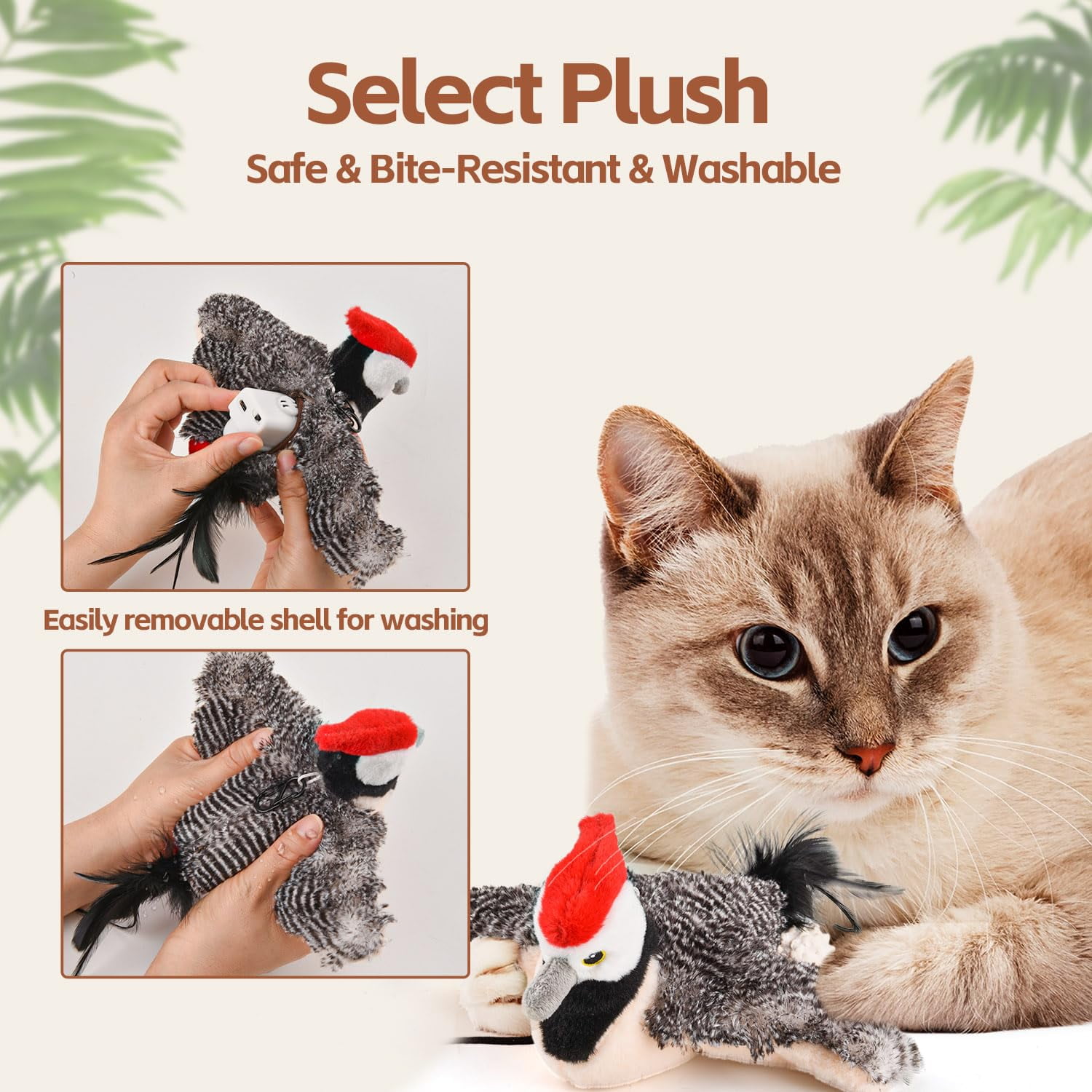
Electronic toys move or make noise on their own. They can mimic small animals or insects to attract cats. These toys encourage chasing and pouncing. Battery-operated balls or robotic mice fall into this category. Make sure electronic toys are sturdy and free from loose parts.
Diy Cat Toys
DIY cat toys are simple to make at home using safe materials. Common items include cardboard boxes, paper bags, and yarn balls. These toys can be fun and inexpensive. Always supervise your cat with DIY toys to avoid choking hazards. Creativity and care make DIY toys a great choice.

Credit: www.amazon.com
Common Hazards In Cat Toys
Cat toys bring joy and exercise to your feline friend. Yet, some toys may hide dangers. Knowing common hazards helps keep your cat safe during playtime.
Inspect toys carefully before giving them to your cat. Watch for signs of wear and damage. Understanding these risks lets you choose safer options.
Choking Risks
Small toys or parts can block your cat’s throat. Cats often chew or swallow pieces. Toys that are too tiny pose a high choking risk. Always select toys sized for your cat’s mouth.
Toxic Materials
Certain plastics, paints, or fabrics contain harmful chemicals. Cats may lick or bite these materials. Toxic substances can cause illness or allergies. Look for non-toxic, pet-safe labels on toys.
Sharp Edges
Broken or poorly made toys may have sharp edges. These can cut your cat’s mouth or paws. Inspect toys regularly and discard damaged ones. Choose toys made from soft or rounded materials.
Small Parts Detachment
Loose buttons, feathers, or bells can detach during play. Cats may swallow or choke on these pieces. Check that all parts are firmly attached. Avoid toys with easily removable elements.
Safe Toy Materials
Cat toys made from non-toxic, durable materials keep your pet safe during play. Avoid small parts that can break off and cause choking hazards. Choosing safe materials helps protect your cat’s health and happiness.
Choosing the right materials for your cat’s toys is crucial to ensure their safety and well-being. Cats are naturally curious creatures, often exploring their world through play. However, not all toys are created equal, and it’s essential to be informed about the materials used in these toys. By understanding which materials are safe, you can make better choices for your feline friend.Non-toxic Plastics
When selecting plastic toys for your cat, prioritize those made from non-toxic materials. Look for BPA-free and phthalate-free labels, as these chemicals can be harmful if ingested. Consider toys that are specifically designed for pets, as they undergo stricter safety checks.Natural Fibers
Natural fibers like cotton, wool, and hemp are excellent choices for cat toys. These materials are typically safe and can withstand the playful antics of your cat. Additionally, they are often more environmentally friendly and biodegradable, making them a great choice for eco-conscious pet owners.Durable Rubber
Rubber toys are popular due to their durability and flexibility. Opt for high-quality, durable rubber that is free from harmful chemicals. These toys not only last longer but also provide a satisfying texture for your cat to chew on, keeping them entertained for hours.Avoiding Harmful Dyes
Brightly colored toys can be appealing, but it’s essential to ensure the dyes used are safe. Avoid toys with artificial dyes that might leach chemicals when chewed or licked. Seek out toys colored with natural or food-grade dyes to prevent any potential health risks. In your quest for the perfect toy, what materials do you prioritize for your cat? Remember, the right choice can significantly impact their health and happiness.Signs Of Unsafe Toys
Recognizing the signs of unsafe cat toys is essential to protect your furry friend from harm. Toys can quickly become hazardous if they show damage or cause unusual reactions in your cat. Keeping an eye on these warning signs helps you decide when it’s time to replace or remove a toy.
Wear And Tear
Toys that are frayed, torn, or have loose parts can pose a choking hazard. Chewed edges or missing stuffing are clear indicators that the toy is breaking down. Have you noticed bits of fabric or stuffing around your cat’s play area? This is a sign the toy is no longer safe to use.
Unusual Cat Behavior
If your cat suddenly avoids a favorite toy or shows signs of distress while playing, it’s a red flag. Watch for coughing, gagging, or pawing at the mouth after playtime. These behaviors might mean the toy is irritating their throat or causing discomfort.
Damage To Toy Components
Broken bells, sharp edges, or detached strings can injure your cat. Small parts that come off easily can be swallowed and cause internal damage. Check your cat’s toys regularly to ensure all pieces are firmly attached and intact before letting your cat play.
Maintaining Toy Safety
Keeping your cat’s toys safe is essential for their health and happiness. Toys that are broken, dirty, or improperly stored can lead to choking hazards, infections, or damage to your cat’s teeth. You might not notice small tears or grime buildup, but these issues can escalate quickly.
Regular Inspection
Take a moment to check your cat’s toys often. Look closely for loose parts, frayed strings, or cracks in plastic. These small damages can cause choking or swallowing risks.
If you spot anything unsafe, remove the toy immediately. Have you ever found a toy your cat loved suddenly become dangerous? It happens more often than you think.
Cleaning Practices
Keeping toys clean stops germs from spreading and keeps your cat healthy. Soft toys can usually be washed in warm, soapy water, then rinsed thoroughly. Hard toys can be wiped down with pet-safe disinfectants.
Try to clean toys at least once a week, especially if your cat drools or shares toys with other pets. Have you noticed your cat avoiding a toy? It might be dirty or smell off to them.
Proper Storage
Store toys in a dry, clean place to avoid mold and dirt buildup. Use containers with lids or dedicated baskets to keep toys organized and protected. Avoid leaving toys scattered where they can get stepped on or damaged.
Have you thought about rotating toys? Keeping some tucked away and swapping them out can keep your cat interested and ensure older toys get a break to dry and air out properly.
Choosing Age-appropriate Toys
Choosing age-appropriate toys is key to your cat’s safety and happiness. Different life stages bring different needs and play styles. Toys should match your cat’s energy, size, and skill level. This keeps playtime fun and prevents injuries or boredom.
Kittens Vs Adult Cats
Kittens are curious and full of energy. They need small, lightweight toys to chase and bat around. Soft balls, feather wands, and plush mice work well. These toys help develop their hunting skills and coordination.
Adult cats enjoy more challenging toys. Puzzle feeders, laser pointers, and sturdy wand toys keep them active. Toys should be durable enough to withstand stronger bites and paws. They help maintain fitness and mental sharpness.
Senior Cat Considerations
Senior cats move slower and tire quickly. Toys should be gentle and easy to handle. Soft, lightweight toys are perfect for short play sessions. Interactive toys that stimulate the mind without much physical effort also work well.
Comfort and safety matter most for older cats. Avoid small parts they could swallow. Choose toys that encourage gentle activity and reduce stress.
Benefits Of Safe Play
Safe play with cat toys offers many benefits for your feline friend. It keeps cats healthy and happy. Toys designed with safety in mind protect cats from harm. This encourages cats to stay active and engaged without risks.
Here are key benefits of safe play for cats:
Physical Exercise
Safe toys help cats move their bodies often. Playing keeps muscles strong and joints healthy. Exercise helps control weight and prevents health problems. Active cats burn extra energy and avoid boredom. Safe toys encourage chasing, jumping, and pouncing safely.
Mental Stimulation
Safe toys challenge a cat’s mind. Puzzle toys and interactive items keep cats thinking. Mental activity reduces stress and anxiety in cats. It also helps prevent destructive behaviors. Safe play encourages curiosity and problem-solving skills.
Strengthening Bond
Playing with safe toys builds trust between you and your cat. Shared playtime creates positive feelings and fun memories. It helps cats feel loved and secure. Safe toys allow gentle interaction without injuries. This strengthens your emotional connection daily.
When To Replace Cat Toys
Knowing when to replace your cat’s toys is essential for keeping playtime safe and enjoyable. Over time, toys can become worn out or damaged, posing risks to your feline friend. Paying attention to certain signs and guidelines helps you decide the right moment to refresh your cat’s collection.
Signs Of Wear
Look closely at your cat toys for any tears, loose parts, or missing pieces. Frayed fabric or exposed stuffing can be dangerous if swallowed.
If you notice any small parts coming off, it’s time to toss the toy. Even minor damage can turn into a choking hazard or cause internal blockages.
Behavioral Changes
Has your cat stopped showing interest in a particular toy? Sometimes boredom signals it’s time for a new one.
On the other hand, if your cat becomes overly aggressive with a toy, it might indicate frustration due to damage or lack of stimulation.
Pay attention to how your cat interacts with their toys to catch these subtle clues.
Manufacturer Recommendations
Check the packaging or product description for any guidance from the manufacturer on toy lifespan.
Some toys specify how often they should be replaced to maintain safety and hygiene. Follow these instructions to avoid risks.
Remember, even the sturdiest toys won’t last forever, so regular inspection and replacement are key.
Credit: www.walmart.ca
Frequently Asked Questions
Are Cat Toys Safe For All Cat Breeds?
Yes, most cat toys are safe for all breeds. However, always check the toy’s size and material to suit your cat’s size and play style.
What Materials Make Cat Toys Unsafe?
Cat toys with small parts, toxic dyes, or fragile components can be unsafe. Avoid toys that your cat can easily chew and swallow.
How Can I Ensure My Cat Toy Is Safe?
Choose toys made from non-toxic, durable materials. Regularly inspect for damage and remove broken pieces to prevent choking or injury.
Can Homemade Cat Toys Be Dangerous?
Homemade toys can be safe if made with pet-safe materials. Avoid strings or small parts that may cause choking or ingestion hazards.
Conclusion
Cat toys can be safe when chosen carefully. Pick toys made from non-toxic materials. Avoid small parts that cats might swallow. Always watch your cat while playing. Toys help keep cats active and happy. Replace worn or broken toys quickly.
Regular checks prevent accidents and injuries. Safe play builds trust and fun moments. Keep your cat’s health and safety first. Playtime should be a joyful, worry-free experience.

Leave a Reply