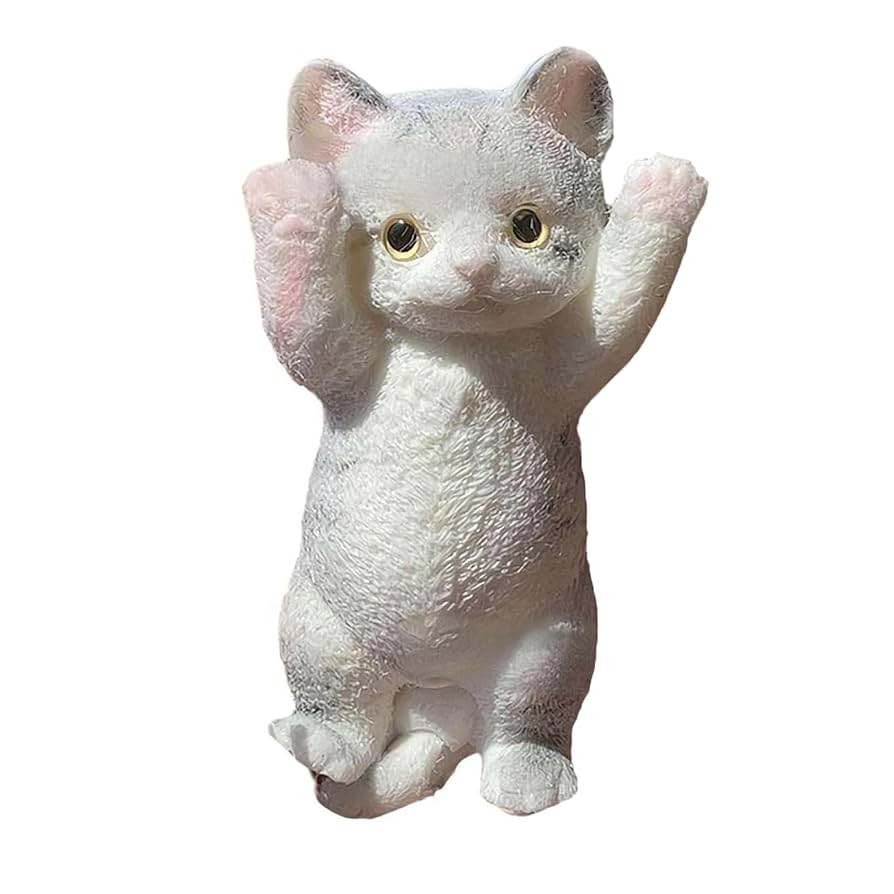
Have you ever noticed your cat playing with sticky toys and wondered if they might be harmful? As a pet owner, your cat’s safety is always your top priority.
Sticky toys can seem harmless, but could they actually be toxic to your furry friend? Understanding the risks and knowing what to watch for can protect your cat from unexpected health problems. Keep reading to discover the truth about sticky toys and learn how to keep your beloved pet safe and happy.
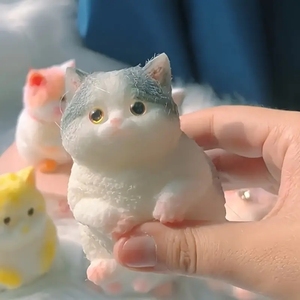
Credit: www.alibaba.com
What Are Sticky Toys
Sticky toys are a unique type of cat toy designed to catch and hold a cat’s attention. These toys have a sticky or tacky surface that allows them to cling to walls, floors, or furniture. Cats enjoy batting, scratching, and pouncing on these toys as they try to catch them.
They come in different shapes and sizes, often made of soft, flexible materials. The stickiness helps the toy stay in place for a while, making playtime more interactive and fun. Sticky toys can encourage exercise and mental stimulation for indoor cats.
Materials Used In Sticky Toys
Sticky toys are usually made from silicone, rubber, or soft plastic. These materials create the tacky surface that sticks to smooth places. Some toys use a mild adhesive or gel-like coating to enhance stickiness. The materials need to be safe for cats to chew and scratch.
How Sticky Toys Work
The sticky surface helps the toy attach to flat surfaces without falling off easily. Cats try to pull or bat the toy loose, which keeps them entertained. This interaction mimics hunting behavior and keeps cats active. Sticky toys can be placed on walls, windows, or floors for varied play.
Common Designs Of Sticky Toys
- Sticky balls that roll but stick briefly
- Sticky mice or bugs with flexible tails
- Sticky pads with small feathers or strings
- Sticky shapes that stick to windows for climbing cats
Each design aims to engage cats through texture and movement. The sticky surface adds a challenge and excitement to playtime.
Common Ingredients In Sticky Toys
Sticky toys for cats often contain a mix of ingredients designed to make them fun and appealing. However, understanding what’s inside these toys is crucial to ensure they don’t pose health risks to your furry friend. Let’s break down the common ingredients you might find in sticky toys and consider their safety.
Adhesives And Glues
Sticky toys rely on adhesives to create their tacky texture. Many of these adhesives are made from synthetic polymers, which can include substances like polyvinyl acetate or rubber-based glues.
While these materials are generally safe when dry, they can be harmful if ingested in large amounts. Have you ever wondered what happens if your cat chews off a sticky patch? It’s something to watch closely.
Plasticizers And Softening Agents
To keep the toy flexible and sticky, manufacturers add plasticizers such as phthalates or other chemicals. These substances make the material less brittle and more enjoyable to play with.
Unfortunately, some plasticizers have been linked to health concerns in pets, including hormonal imbalances. Knowing which toys use safer alternatives can help you avoid potential risks.
Colorants And Dyes
Bright colors attract cats to toys, but these colors come from chemical dyes. Some dyes are safe, but others may contain heavy metals or toxic compounds.
Have you noticed your cat licking colorful sticky toys excessively? This behavior might increase their exposure to harmful dyes. Checking for non-toxic certifications can be a smart move.
Fragrances And Flavorings
To make sticky toys more enticing, some are infused with scents or flavors like catnip oil or synthetic aromas. While natural catnip is harmless, synthetic additives can sometimes cause allergic reactions.
It’s worth asking if your cat shows signs of irritation after playing with scented toys. Your vet can help determine if a specific ingredient might be the culprit.
Fillers And Stabilizers
Fillers such as talc or calcium carbonate keep the toy’s shape and texture consistent. Stabilizers prevent the ingredients from separating over time.
Though generally inert, some fillers can be harmful if ingested in large quantities. Observing how your cat interacts with the toy can help prevent accidental ingestion.
Toxic Chemicals Found In Sticky Toys
Sticky toys might seem like harmless fun for your cat, but they often contain chemicals that could be harmful. Understanding which toxic substances lurk in these toys helps you make safer choices. Let’s look at some common toxic chemicals found in sticky toys and why they matter to your cat’s health.
Phthalates: Hidden Hazards In Flexible Plastics
Phthalates are chemicals used to make plastics soft and flexible. They are common in sticky toys because they help maintain the toy’s stretchy texture. However, phthalates can interfere with your cat’s hormone system and cause health problems over time.
Have you ever noticed your cat licking or chewing a sticky toy for long periods? This increases exposure to phthalates, which can leach out and be ingested. Choosing toys labeled phthalate-free reduces this risk significantly.
Lead And Heavy Metals: Toxic Residues From Cheap Manufacturing
Some sticky toys contain lead or other heavy metals as part of their coloring or manufacturing process. Lead poisoning in cats can cause vomiting, seizures, and even death if exposure is high. Unfortunately, these metals are not always visible or easy to detect.
Buying toys from reputable brands that test for heavy metals is essential. You might wonder, how often do you check the toy’s quality? It’s a good habit to inspect toys regularly and replace any that look worn or suspicious.
Formaldehyde And Other Volatile Organic Compounds (vocs)
Formaldehyde and VOCs are chemicals that can off-gas from sticky toys, especially when new. These compounds may irritate your cat’s respiratory system, causing coughing or sneezing. Long-term exposure can lead to more severe health issues.
Ventilate your home well when introducing new toys, and consider washing them if the material allows. Your cat’s comfort and safety depend on the air quality around them as much as the toy itself.
Bisphenol A (bpa): A Common Endocrine Disruptor
BPA is often found in plastics and can mimic hormones in your cat’s body. This disruption can affect reproduction, growth, and behavior. Sticky toys made from BPA-containing plastics pose a hidden danger during playtime.
Look for BPA-free labels or opt for natural material toys. Have you checked the packaging of your cat’s toys recently? Staying informed helps you protect your pet from these invisible threats.
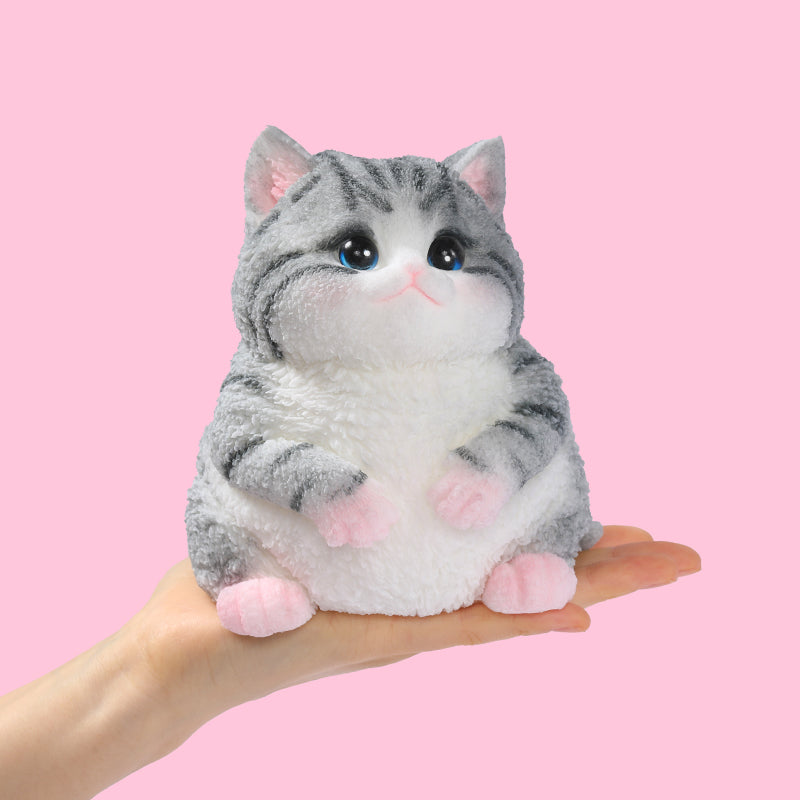
Credit: www.fufusquishy.com
How Sticky Toys Affect Cat Health
Sticky toys can sometimes contain harmful chemicals that may hurt cats if chewed or swallowed. Cats playing with these toys risk skin irritation, digestive problems, or poisoning. Choosing safe, non-toxic toys helps protect your cat’s health and well-being.
Sticky toys often captivate our feline friends with their bright colors and intriguing textures. But have you considered how these toys might affect your cat’s health? While they might seem harmless, sticky toys can pose unexpected health risks to your beloved pet. Understanding how these toys impact your cat’s well-being can help you make safer choices for their playtime.Short-term Symptoms
If your cat ingests or chews on a sticky toy, you may notice immediate reactions. Cats could experience mild symptoms like drooling, vomiting, or diarrhea. You might dismiss these as minor, but they indicate your pet’s body is reacting to something foreign. Pay attention to changes in your cat’s behavior. Is your usually energetic kitty suddenly lethargic? Such shifts might signal a negative reaction to a sticky toy. Quick observation can prevent minor symptoms from escalating.Long-term Health Risks
Repeated exposure to sticky toys can lead to more serious health issues. Over time, chemicals in these toys can accumulate in your cat’s system. This buildup can affect vital organs like the liver and kidneys. You may wonder if all sticky toys carry these risks. Not all do, but it’s crucial to check labels for non-toxic materials. Investing in safer alternatives ensures your cat’s long-term health isn’t compromised.Signs Your Cat Is Poisoned
Sticky toys can pose a hidden danger to cats. Toxic substances in these toys may cause poisoning. Detecting poisoning early can save your cat’s life. Watch closely for unusual behaviors or physical signs. Acting fast is crucial if you notice symptoms.
Changes In Behavior
Poisoned cats often act restless or confused. They may hide more than usual or seem unusually tired. Sudden aggression or irritability can also appear. These changes can happen quickly and without warning.
Digestive Problems
Vomiting and diarrhea are common signs of poisoning. Your cat may refuse to eat or drink. Look for drooling or excessive licking of the mouth. These signs indicate discomfort and possible toxin ingestion.
Breathing Difficulties
Breathing may become fast, shallow, or labored. You might hear wheezing or coughing sounds. Your cat could seem weak or dizzy. Breathing issues require immediate veterinary attention.
Physical Symptoms
- Swelling of the face, paws, or mouth
- Seizures or tremors
- Excessive drooling or foaming at the mouth
- Uncoordinated movements or collapse
Eye And Nose Signs
Red or watery eyes can appear suddenly. Your cat’s nose may run or bleed. Squinting or rubbing the eyes frequently is a warning. These symptoms often accompany toxic exposure.
Safe Alternatives To Sticky Toys
Sticky toys can pose health risks to cats due to harmful chemicals. Choosing safe alternatives keeps your cat happy and healthy. These toys avoid toxic materials and encourage natural play. Cats need toys that stimulate their senses and keep them active.
Natural Fiber Toys
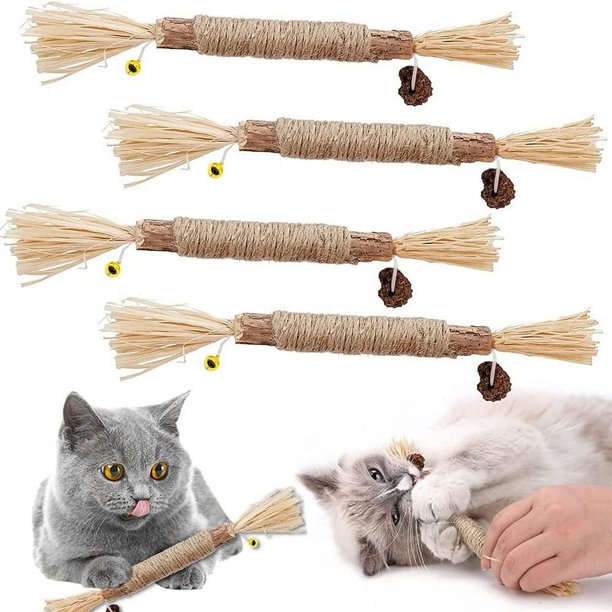
Toys made from cotton, wool, or sisal are safe choices. These materials are non-toxic and gentle on paws. Cats enjoy scratching and biting natural fibers. Such toys break down safely if chewed or torn.
Interactive Puzzle Toys
Puzzle toys engage cats mentally and physically. They hide treats or small toys inside compartments. Cats use their paws and brains to solve puzzles. This type of play reduces boredom and stress.
Feather And Wand Toys
Feather toys mimic prey and attract cats’ attention. Wand toys let you control play distance safely. These toys promote exercise and bonding time. Choose feathers securely attached to avoid swallowing hazards.
Soft Plush Toys
Plush toys offer comfort and safe chewing options. Look for those filled with catnip or made from hypoallergenic materials. They provide a cuddly experience without toxic chemicals. Make sure seams are strong to prevent stuffing exposure.
Diy Cat Toys
Simple homemade toys can be safe and fun. Use paper balls, cardboard boxes, or fabric scraps. Always check materials for safety and avoid small parts. DIY options save money and let you customize playtime.
Preventing Exposure To Toxic Toys
Keeping your cat safe from toxic sticky toys means staying alert and making smart choices. Toxic materials can cause serious health problems, so it’s crucial to prevent your furry friend from coming into contact with harmful substances. Let’s look at ways you can protect your cat while still letting them enjoy playtime.
Identify And Avoid Hazardous Materials
Check the label of every toy before buying it. Avoid toys made with chemicals like phthalates, lead, or BPA, which are often found in sticky or rubbery toys. If you’re unsure about the materials, choose toys made from natural or non-toxic components instead.
I once brought home a sticky toy that looked fun but noticed my cat kept sneezing and pawing at her mouth. After switching to a non-toxic, fabric-based toy, she was much happier and healthier. Have you ever seen your cat react strangely to a new toy?
Regularly Inspect Toys For Wear And Tear
Sticky toys can break down over time, releasing harmful bits that your cat might swallow. Take a few minutes each week to check for cracks, peeling, or sticky residue. Toss out any toy that shows signs of damage to avoid accidental ingestion of toxic fragments.
Store Toys Safely When Not In Use
Keeping toys out of reach when your cat isn’t playing helps prevent constant exposure to sticky materials. Store them in a clean box or drawer, away from heat and sunlight, which can degrade the toy’s material and increase toxicity risks. This also encourages your cat to enjoy their toys only during supervised play.
Choose Interactive Play Over Sticky Toys
Engage your cat with toys that don’t rely on sticky surfaces, such as feather wands, laser pointers, or crinkle balls. These toys promote exercise and mental stimulation without exposing your cat to harmful substances. Could switching to safer toys improve your cat’s overall well-being?
Consult Your Veterinarian About Toy Safety
If you suspect your cat has been exposed to toxic materials, don’t wait to get advice from your vet. They can offer guidance on symptoms to watch for and recommend safe alternatives. Your vet’s insights can help you make better choices for your cat’s playtime and health.
What To Do If Your Cat Eats Sticky Toys
If your cat has gotten hold of sticky toys, it’s natural to worry about potential toxicity and what to do next. Sticky toys often contain adhesives or materials that may not be safe if ingested. Acting quickly and calmly can make a big difference in keeping your feline friend safe.
Recognize The Signs Of Toxicity Or Distress
Watch your cat closely for unusual behavior such as vomiting, excessive drooling, coughing, or difficulty breathing. Changes in appetite or energy levels can also indicate a problem. If you notice any of these signs, it’s important to respond immediately.
Contact Your Veterinarian Immediately
Reach out to your vet for professional advice as soon as possible. Describe what your cat has eaten and how much. Your vet may ask you to bring your cat in or monitor symptoms at home depending on the severity.
Prevent Further Access To Sticky Toys
Remove all sticky toys and similar items from your cat’s reach. Cats are curious and persistent, so secure these toys in drawers or closed containers. This simple step can prevent future emergencies.
Keep Your Cat Calm And Hydrated
Stress can worsen your cat’s condition, so try to keep your pet calm and comfortable. Offer fresh water to help flush out any toxins, but don’t force your cat to drink. Hydration supports recovery and overall health.
Monitor Your Cat’s Behavior After The Incident
Even if your cat seems fine initially, keep a close eye on eating habits, litter box use, and activity levels for a few days. Delayed symptoms can appear after ingestion. If anything seems off, don’t hesitate to call your vet again.
Credit: www.walmart.ca
Frequently Asked Questions
Are Sticky Toys Safe For Cats To Play With?
Sticky toys can pose risks if ingested or chewed. Some may contain harmful chemicals or adhesives. Always check product labels and supervise playtime to ensure your cat’s safety.
What Chemicals In Sticky Toys Harm Cats?
Sticky toys may contain adhesives, plasticizers, or toxic dyes. These substances can cause digestive issues or allergic reactions if ingested by cats. Choose non-toxic, pet-safe toys to avoid health risks.
How Can Sticky Toys Affect A Cat’s Health?
Ingesting sticky toy parts can cause choking or intestinal blockage. Toxic chemicals can lead to poisoning or skin irritation. Monitor your cat and remove damaged toys promptly.
Are There Safer Alternatives To Sticky Cat Toys?
Yes, opt for natural fiber or fabric toys without adhesives. Toys made from organic materials or specifically labeled pet-safe are safer. Regularly inspect toys for wear and tear to prevent hazards.
Conclusion
Sticky toys can pose risks if cats chew or swallow pieces. Always check toy labels for safe materials. Watch your cat during playtime to spot any issues early. Choose toys designed specifically for cats to reduce danger. Keep small or sticky items out of reach to avoid choking.
Your cat’s safety matters most when picking toys. Safe play leads to happy, healthy pets. Stay informed and cautious to protect your furry friend.

Leave a Reply