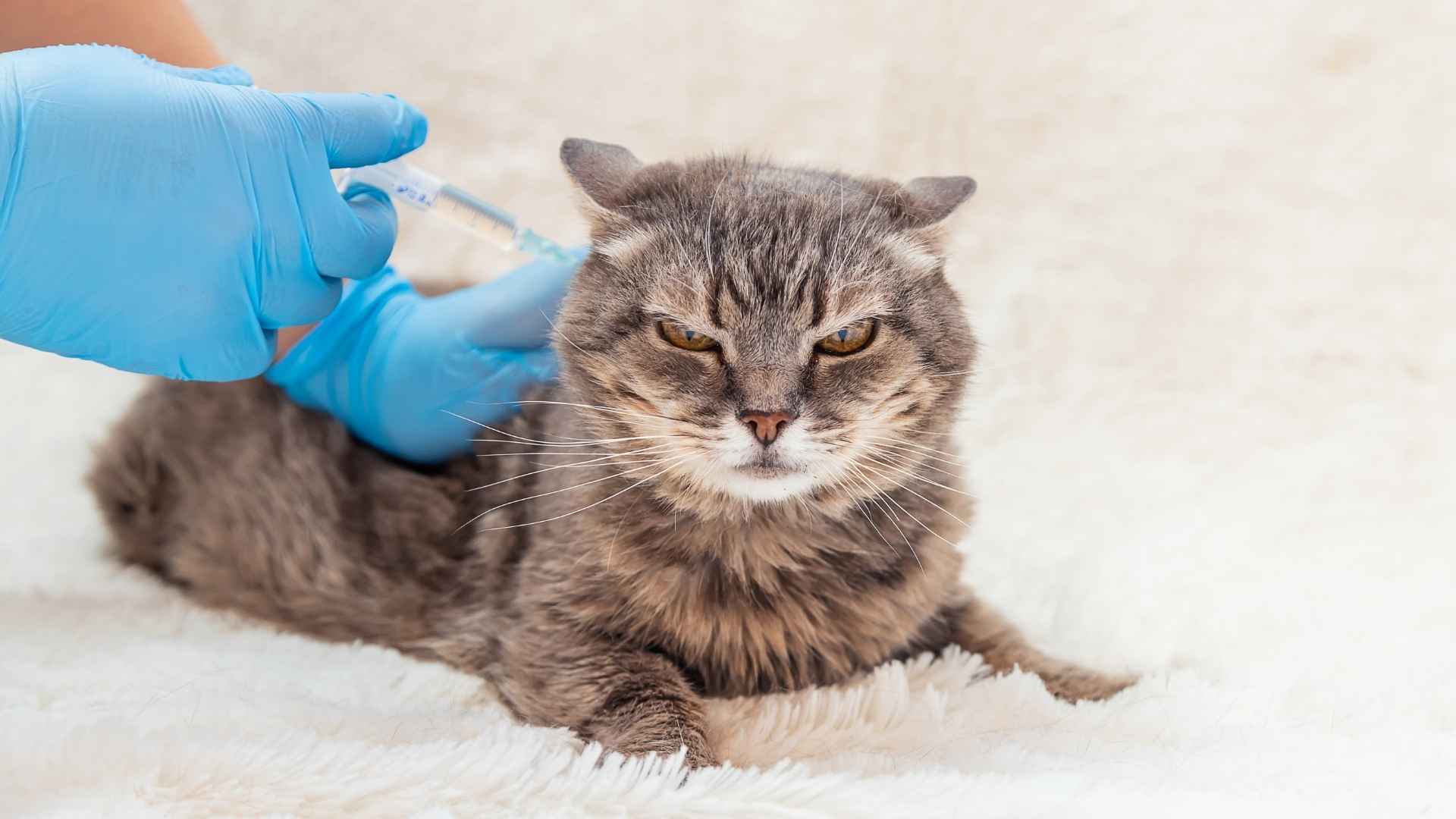
Have you ever wondered if your cat’s breed could affect their health? When it comes to kidney disease, some cats are more at risk than others.
Knowing which breeds are more vulnerable can help you protect your furry friend before problems start. You’ll discover which cat breeds are more likely to develop kidney issues and what signs to watch for. By the end, you’ll feel confident in keeping your cat’s kidneys healthy and strong.
Keep reading to learn what every cat owner needs to know!
Kidney Disease In Cats
Kidney disease in cats is a serious health issue that many pet owners face. It affects how well your cat’s kidneys filter waste and maintain fluid balance. Understanding this condition can help you spot problems early and ensure your furry friend gets the care they need.
Common Types Of Kidney Disease
There are two main types of kidney disease in cats: acute and chronic. Acute kidney disease happens suddenly and can sometimes be reversed with prompt treatment. Chronic kidney disease (CKD), however, develops slowly over time and is irreversible.
CKD is the most common form, especially in older cats. It damages kidney tissues gradually, reducing their ability to function properly. Some breeds, like Persians and Abyssinians, may be more prone to CKD, making breed awareness important for early detection.
Symptoms To Watch For
Kidney disease doesn’t always show obvious symptoms early on. Watch for increased thirst and urination, which are often the first signs. Your cat might also lose weight, vomit, or have a poor appetite.
Behavior changes like lethargy or hiding can also indicate kidney trouble. If you notice any of these signs, a vet visit is crucial. Early diagnosis can slow the disease’s progress and improve your cat’s quality of life.
Impact On Cat Health
Kidney disease affects more than just waste filtration. It disrupts the balance of minerals and fluids in your cat’s body. This imbalance can cause high blood pressure, anemia, and weak bones.
The disease also lowers your cat’s energy and overall well-being. Without proper management, it can lead to severe complications and shorten your cat’s lifespan. What steps can you take today to protect your cat’s kidney health?

Credit: worldanimalfoundation.org
Genetic Factors In Cat Breeds
Understanding how genetics affect kidney health in cats can help you take better care of your furry friend. Some breeds have a natural tendency toward kidney problems due to their genetic makeup. Recognizing these risks early allows you to monitor and manage your cat’s health more effectively.
How Genetics Influence Kidney Health
Genes play a crucial role in determining your cat’s vulnerability to kidney disease. Certain inherited conditions can weaken kidney function over time. This means that even with a healthy lifestyle, some cats might still develop kidney issues because of their DNA.
Genetic mutations can lead to abnormal kidney structure or function. These changes often go unnoticed until symptoms appear, which is why knowing your cat’s breed history is important. Have you ever wondered if your cat’s breed could predict future health challenges?
Breed-specific Vulnerabilities
Some cat breeds are more prone to kidney disease than others due to inherited traits. For example, Persians are known to have a higher risk of polycystic kidney disease (PKD), a condition causing cysts to form in the kidneys. This genetic disorder can lead to kidney failure if not monitored carefully.
Maine Coons also face a risk of kidney disease, often linked to familial renal disease. Scottish Folds and Abyssinians show increased susceptibility to renal issues as well. Knowing these breed-specific risks can guide you in scheduling regular vet checkups and early testing.
- Persian:High risk of polycystic kidney disease (PKD)
- Maine Coon:Prone to familial renal disease
- Scottish Fold:Increased kidney vulnerability
- Abyssinian:Susceptible to renal problems
By understanding your cat’s genetic risks, you can be proactive. Would you consider genetic testing or breed-specific screenings to safeguard your cat’s kidney health?
High-risk Cat Breeds
Certain cat breeds face a higher risk of kidney disease. Understanding these breeds can help in monitoring and managing their health. Early detection is key to providing the best care. Here are some high-risk cat breeds to be aware of:
Persian Cats
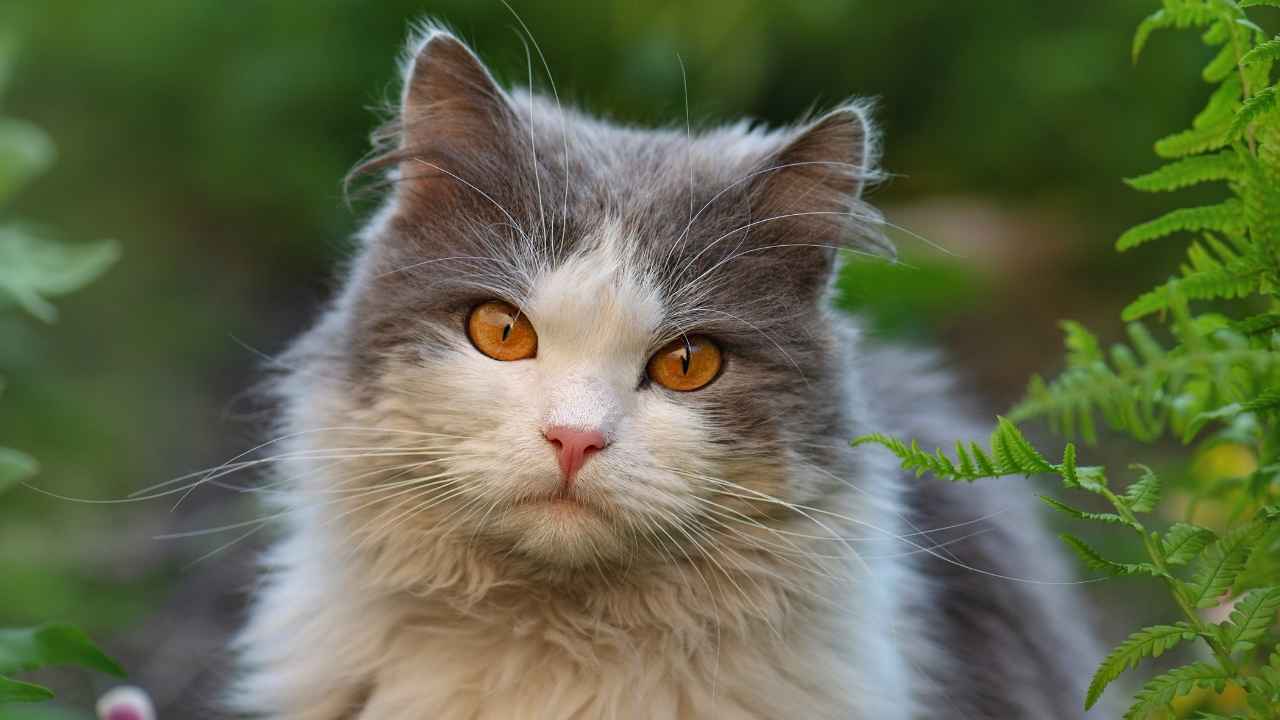
Persian cats are known for their luxurious coats. Unfortunately, they are prone to kidney issues. Polycystic kidney disease is common in this breed. Regular vet check-ups can help manage the risk.
Siamese Cats
Siamese cats have a distinct appearance and vocal nature. They are also susceptible to kidney disease. Their genetic makeup makes them more vulnerable. Close monitoring of their health is essential.
Maine Coon Cats
The Maine Coon is a large and friendly breed. Despite their robust size, they can develop kidney problems. They require careful attention to diet and regular health screenings.
Ragdoll Cats
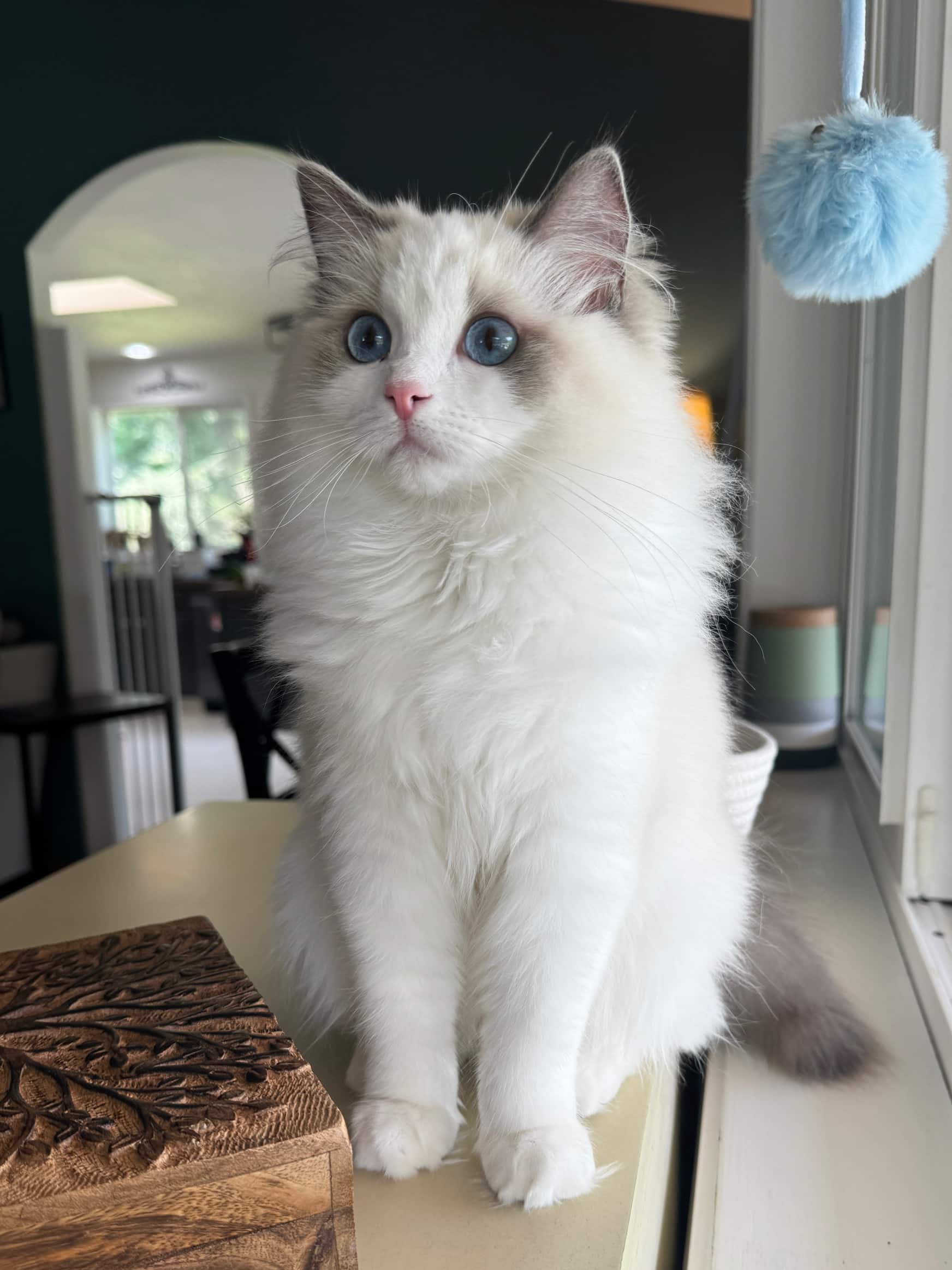
Ragdolls are gentle giants with a relaxed demeanor. They face a higher risk of kidney disease. Regular hydration and a balanced diet are crucial for their well-being.
Abyssinian Cats
Abyssinians are active and playful. They may be prone to kidney issues. A proactive approach to their health can improve their quality of life.
Credit: worldanimalfoundation.org
Environmental And Lifestyle Risks
Kidneys are vital organs that filter waste and maintain your cat’s overall health. Some breeds may have a genetic predisposition to kidney disease, but environmental and lifestyle factors often play a bigger role in how the disease develops. Understanding these risks can help you protect your furry friend and catch problems early.
Diet And Hydration
What your cat eats and drinks directly impacts kidney health. Cats on dry food only might not get enough water, which can strain their kidneys over time. Adding wet food or encouraging water intake with fountains or flavored water can make a big difference.
Think about your own habits: do you drink enough water daily? Cats need hydration just as much as you do. Too much protein or certain additives in some commercial foods may also worsen kidney stress, so choose diets formulated specifically for kidney support if your cat is at risk.
Stress And Living Conditions
Stress is more than an emotional issue for cats—it affects their physical health, including kidney function. Cats living in noisy, crowded, or unstable environments show higher stress levels, which can accelerate kidney problems.
Have you noticed your cat hiding or becoming less active after changes at home? These can be signs of stress. Providing a calm, quiet space and consistent routines helps reduce stress and supports kidney health.
Preventive Care Strategies
Regular vet visits are crucial in spotting kidney issues early. Blood tests and urine analysis can detect kidney problems before symptoms appear, giving you a head start on treatment.
Vaccinations, parasite control, and dental care also contribute to a healthy immune system, indirectly protecting kidneys. Ask your vet about supplements like omega-3 fatty acids, which may benefit kidney health in susceptible breeds.
Could small changes in your cat’s daily routine prevent serious kidney disease? Paying attention to diet, stress, and preventive care might just extend your cat’s life and happiness.
Diagnosing Kidney Disease Early
Detecting kidney disease in cats early can make a significant difference in managing the condition and improving your pet’s quality of life. The challenge is that symptoms often appear only after considerable kidney damage has occurred. Understanding how to spot the disease early through regular monitoring and testing is crucial, especially for breeds prone to kidney problems.
Regular Vet Check-ups
Scheduling routine vet visits is essential for catching kidney disease before it worsens. During these visits, your vet can perform physical exams and discuss any subtle changes in your cat’s behavior or health. Early signs are easy to miss at home, but vets know what to look for and can act quickly.
Have you noticed your cat drinking more water or losing weight? These could be early warning signs worth mentioning during a check-up.
Diagnostic Tests
Blood and urine tests are key tools vets use to identify kidney issues early on. Blood tests check for creatinine and blood urea nitrogen (BUN) levels, which rise when kidneys aren’t working well. Urinalysis helps assess how well the kidneys concentrate urine, another early indicator of kidney health.
Don’t wait for obvious symptoms to run these tests—regular screening can reveal problems before your cat feels sick.
Monitoring High-risk Breeds
Certain breeds like Persians, Abyssinians, and Siamese cats are more vulnerable to kidney disease. If you own one of these breeds, you should be extra vigilant. Keep a closer eye on their health, and insist on more frequent vet visits and testing.
Tracking your cat’s water intake, appetite, and litter box habits can give you clues between vet visits. Would you be able to spot subtle changes if you knew what to look for?
Managing Kidney Disease In Cats
Managing kidney disease in cats requires careful attention and ongoing care. Early detection helps slow the disease’s progress. Cats with kidney problems need special treatment to stay comfortable. Regular vet visits are essential to monitor health and adjust care plans. Understanding treatment options and lifestyle changes can improve a cat’s well-being significantly.
Treatment Options
Treatment focuses on supporting kidney function and reducing symptoms. Vets may prescribe medication to control blood pressure or reduce protein loss in urine. Fluids can be given under the skin to prevent dehydration. Some cats benefit from supplements that support kidney health. Regular blood tests help track disease progression and treatment effectiveness.
Dietary Adjustments
Diet plays a key role in managing kidney disease. Feeding a special kidney diet helps reduce waste buildup in the blood. These diets often have less protein and phosphorus. Cats may need food with added omega-3 fatty acids to reduce inflammation. Fresh water should always be available to keep cats hydrated.
Supporting Quality Of Life
Comfort and happiness matter most in managing kidney disease. Provide a quiet, warm place for rest. Keep litter boxes clean and easily accessible. Monitor appetite and behavior for changes. Offer gentle affection and attention to reduce stress. Small daily routines help maintain normalcy and improve mood.
Credit: worldanimalfoundation.org
Frequently Asked Questions
Which Cat Breeds Are Most Prone To Kidney Disease?
Persian, Maine Coon, Abyssinian, and Siamese cats show higher kidney disease risk. Genetics and breed-specific traits contribute to this susceptibility.
How Can I Detect Kidney Disease In Susceptible Cats Early?
Watch for increased thirst, frequent urination, weight loss, and lethargy. Early vet check-ups and blood tests help with timely diagnosis.
Are Purebred Cats More Likely To Develop Kidney Issues?
Yes, purebred cats often have inherited risks, making them more vulnerable to kidney problems than mixed breeds.
Can Diet Prevent Kidney Disease In High-risk Cat Breeds?
A balanced diet low in phosphorus and protein helps support kidney health. Consult your vet for breed-specific dietary advice.
Conclusion
Certain cat breeds face higher risks of kidney disease than others. Knowing these breeds helps you watch your pet’s health closely. Early check-ups can catch problems before they worsen. Feeding a balanced diet supports kidney health. Regular vet visits keep your cat happy and safe.
Taking simple steps makes a big difference in their life. Care and attention can help your cat live longer. Kidney disease is serious but manageable with the right approach. Stay informed and act early to protect your feline friend.

Leave a Reply