
Have you ever wondered if certain cat breeds can only be female? It might surprise you to learn that some breeds rarely, or even never, have male cats.
Understanding why this happens can change the way you see your furry friend and help you make smarter choices if you’re thinking of adopting. You’ll discover which breeds are affected and the fascinating reasons behind it. Keep reading—you’re about to unlock secrets every cat lover should know!
Male Cats And Genetics
Understanding why certain cat breeds cannot be male involves diving into the fascinating world of genetics. Male cats inherit their gender and many physical traits through their chromosomes, which play a significant role in breed characteristics. Knowing how these genetic factors work can help you recognize why some breeds are predominantly or exclusively female.
Basics Of Cat Chromosomes
Cats have 38 chromosomes in total, arranged in pairs. Among these, two are sex chromosomes that determine the cat’s gender. Females have two X chromosomes (XX), while males have one X and one Y chromosome (XY).
This simple difference in chromosomes controls much more than just gender. It influences coat color patterns, certain breed traits, and even some health issues. For example, the famous calico and tortoiseshell coat colors almost always appear in females because the genes for these colors are carried on the X chromosome.
How Gender Is Determined
Gender in cats is determined by the combination of sex chromosomes they inherit from their parents. The mother always provides an X chromosome, but the father can pass on either an X or a Y chromosome. If the kitten receives an X from the father, it will be female (XX). If it receives a Y, it will be male (XY).
This genetic setup explains why some coat colors and patterns are rarely seen in male cats. For example, male calicos are extremely rare because they would need an unusual XXY chromosome set to display the calico pattern. Such genetic variations are exceptions and often come with health complications.
Have you ever noticed how certain cats in your neighborhood all share similar colors or patterns but are mostly female? That’s genetics at work, shaping the diversity of our feline friends in ways you might not expect.

Credit: www.thepioneerwoman.com
Breeds Without Male Cats
Some cat breeds rarely have male individuals due to unique genetic traits. These breeds often show a strong link between coat color and gender. Understanding these patterns helps explain why male cats are almost absent in certain breeds. Genetics play a key role in these unusual cases.
The Case Of Calico And Tortoiseshell Cats
Calico and tortoiseshell cats have distinct coat colors. Their fur shows a mix of black, orange, and white patches. This pattern is tied to the X chromosome in their DNA. Female cats have two X chromosomes, allowing this color mix.
Male cats usually have one X and one Y chromosome. This limits their coat color options. As a result, calico and tortoiseshell males are very rare. Most cats with these colors are female.
Why Male Calicos Are Rare
Male calicos happen when genetic mutations occur. These males have an extra X chromosome (XXY). This condition is called Klinefelter syndrome in cats. It causes these males to be mostly sterile and unhealthy.
This genetic setup explains why male calicos are uncommon. The chance of a male cat having the calico pattern is about 1 in 3,000. This rarity makes male calicos special and unusual in the cat world.
Genetic Mutations Affecting Gender
Certain cat breeds rarely produce male offspring due to genetic mutations affecting their gender. These mutations influence how sex chromosomes develop, making males uncommon or absent in some breeds. Understanding this helps explain why some cats are almost always female.
Genetic mutations can influence the gender of cats. These rare changes can disrupt normal development. They sometimes result in unexpected gender traits. One fascinating example is Klinefelter Syndrome in cats.Klinefelter Syndrome In Cats
Klinefelter Syndrome is a genetic condition. It affects the chromosomes of male cats. Normally, male cats have XY chromosomes. But those with Klinefelter Syndrome have an extra X chromosome, making it XXY. This additional chromosome alters physical and behavioral traits.Impact On Male Cat Development
Male cats with Klinefelter Syndrome may look different. They often have a more feminine appearance. This includes softer fur and wider hips. These cats might also experience health issues. They can have problems with fertility and bone density. Behavioral changes are common too. These cats may be less active or more docile. Understanding these effects helps in caring for affected cats.Breed-specific Genetic Traits
Breed-specific genetic traits shape many characteristics in cats. These traits affect appearance, behavior, and even gender possibilities. Some breeds have unique genetic markers that influence which genders appear more often or if males are rare or absent. Understanding these traits helps explain why certain breeds may lack male cats.
Unique Traits In Certain Breeds
Some cat breeds carry unique genetic traits that limit male births. For example, the calico and tortoiseshell coat patterns almost always appear in female cats. This is because the genes for these colors are linked to the X chromosome. Male cats have only one X chromosome, so they rarely show these patterns.
Breeds like the Japanese Bobtail and Manx can also show gender-linked traits. Certain physical features may be more common in females due to breed genetics. These traits create noticeable differences between male and female cats of the same breed.
How Genetics Influence Coat Color And Gender
Coat color genes are often tied to the sex chromosomes in cats. Females have two X chromosomes, while males have one X and one Y chromosome. The presence of two X chromosomes allows females to express more complex color patterns.
This genetic setup explains why some colors, such as calico or tortoiseshell, appear almost exclusively in females. Male cats with these colors are rare and usually sterile. This occurs because they have an unusual genetic condition with an extra X chromosome (XXY).
Understanding these genetic influences clarifies why some breeds have very few or no male cats of certain colors.
Exceptions And Rare Cases
While certain cat breeds are almost exclusively female or male due to genetic factors, there are fascinating exceptions and rare cases that challenge these norms. These anomalies remind us that nature doesn’t always follow strict rules, and understanding them can deepen your appreciation of feline genetics.
Male Cats With Uncommon Coat Patterns
Most male cats cannot have a tortoiseshell or calico coat because the genes responsible are linked to the X chromosome, and males typically have only one X chromosome. However, rare male cats can display these coat patterns due to genetic quirks like Klinefelter’s syndrome, where a male cat has an extra X chromosome (XXY).
I once met a male calico cat named Jasper. His unique coat made him a local celebrity because such males are so unusual. Jasper’s condition didn’t affect his health but made him a perfect example of how genetic exceptions happen in real life.
Genetic Anomalies Explained
Genetic anomalies occur when there is an unusual combination or mutation in a cat’s chromosomes. These can include:
- XXY chromosomes in males, leading to tortoiseshell or calico patterns.
- Chimerism, where two embryos fuse, resulting in a cat with two different sets of DNA.
- Mutation in coat color genes that allow rare patterns in males.
Such genetic anomalies are rare but important to recognize. They show that although breed standards and genetics predict most outcomes, nature sometimes creates exceptions that break the mold. Have you ever encountered a cat with a pattern or trait that made you question what you thought you knew about feline genetics?
Implications For Cat Breeders
Understanding which cat breeds cannot be male has important effects on your breeding plans. This knowledge helps you avoid unexpected outcomes and focus your efforts where they matter most. Being aware of these implications ensures you breed responsibly and maintain healthy, diverse bloodlines.
Breeding Challenges
Some cat breeds have genetic traits linked to sex chromosomes, making male individuals extremely rare or non-viable. This can cause frustration when trying to produce males for certain breed standards or show requirements.
For example, breeds like the calico or tortoiseshell almost exclusively appear as females due to X-linked coat color genes. If you are aiming to breed males with specific markings, you might face repeated failures.
Have you ever wondered how this affects your breeding timeline? It means you may need to increase the number of breeding pairs or shift focus to different breeds to achieve your goals.
Genetic Testing And Selection
Using genetic testing can save you time and resources by identifying the sex-linked traits early on. This helps you select the right cats for breeding and avoid investing in kittens unlikely to meet your criteria.
Tests can reveal carriers of certain traits and clarify whether a male kitten will express the desired genes. This is especially helpful for breeds prone to sex-linked traits or health issues.
By applying genetic selection, you can improve your chances of producing healthy males and females that fit the breed standard. Are you ready to integrate genetic tools into your breeding strategy for better results?
Future Research In Cat Genetics
The future of cat genetics holds exciting possibilities, especially when it comes to understanding which breeds can or cannot be male. Research is steadily uncovering the genetic factors that determine a cat’s sex and breed characteristics. This ongoing work could change how we think about feline genetics and breeding practices.
Advances In Genetic Studies
Recent advances in DNA sequencing technology allow scientists to analyze cat genomes faster and with greater accuracy. This helps identify specific genes linked to sex determination and breed traits. For example, researchers are examining how certain mutations might prevent male offspring from developing in some breeds.
These studies also use gene editing tools to test hypotheses about sex-linked traits. As a cat owner, you might wonder how this knowledge could affect breed selection or health screening in the near future.
Potential Discoveries Ahead
Future research may reveal unknown genetic patterns explaining why some breeds rarely produce male kittens. This could lead to new breeding strategies that ensure healthier litters with balanced sex ratios.
Moreover, understanding these genetic mechanisms might help manage inherited disorders linked to sex chromosomes. Imagine being able to predict and avoid health issues before they appear in your cat’s lineage.
What questions do you have about your cat’s breed and genetic makeup? The answers could be closer than you think, thanks to ongoing genetic research.

Credit: www.toe-beans.com
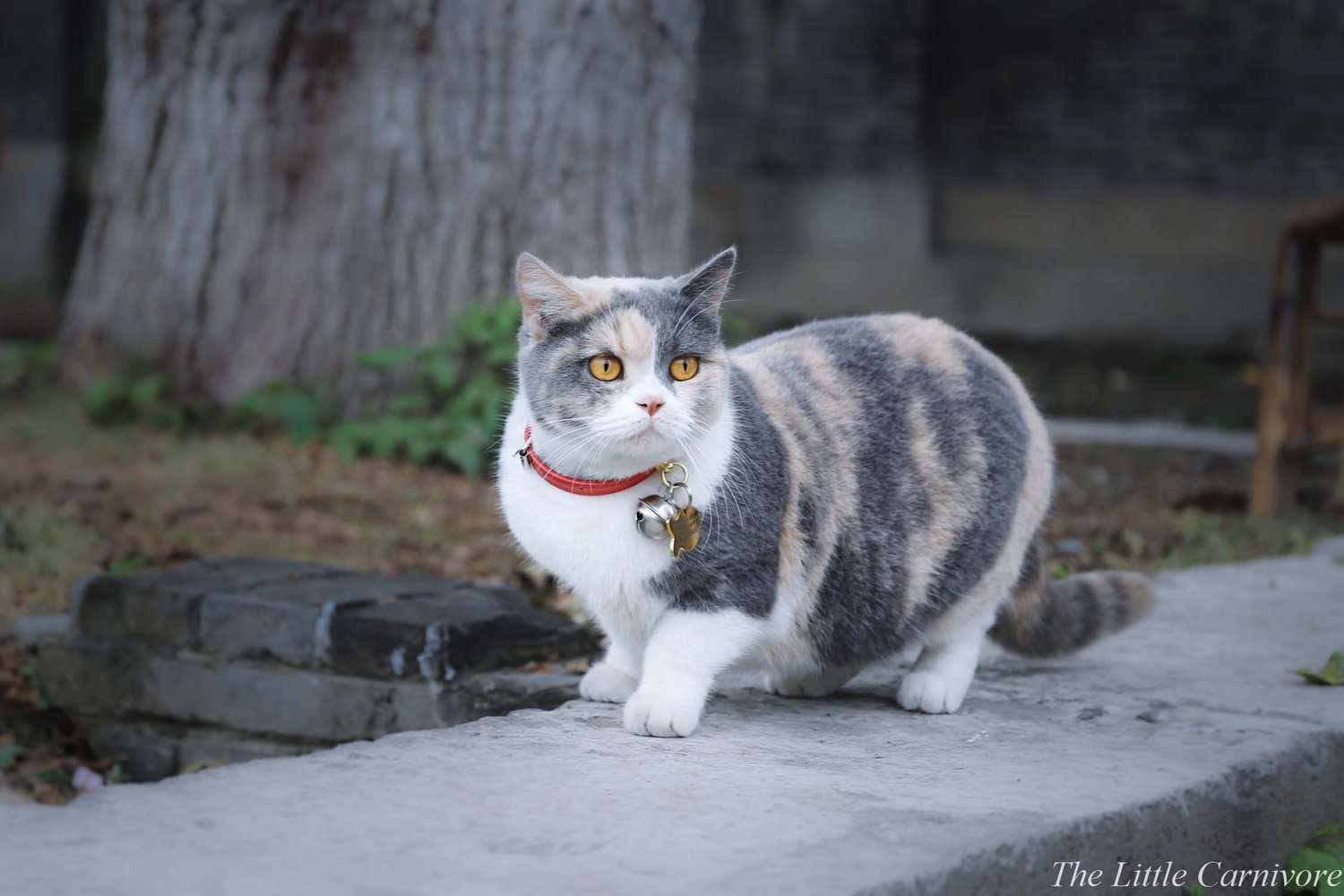
Credit: thelittlecarnivore.com
Frequently Asked Questions
Which Cat Breeds Cannot Be Male?
No cat breed is exclusively female. All breeds can have male and female cats. Some coat colors linked to gender appear more in females due to genetics.
Why Are Some Cat Colors Mostly Female?
Colors like calico and tortoiseshell usually appear in females. This is due to genes on the X chromosome. Males have one X and one Y chromosome.
Can Male Cats Be Calico Or Tortoiseshell?
Male calico or tortoiseshell cats are very rare. They usually have genetic anomalies like Klinefelter syndrome (XXY chromosomes). This makes them mostly sterile.
Are There Breeds With Mostly Female Cats?
No breed is genetically restricted to females. However, coat color patterns linked to females may appear more in certain breeds, but males still exist.
Conclusion
Certain cat breeds rarely or never appear as males due to genetics. This fact helps breeders and pet lovers understand cat traits better. Knowing which breeds are mostly female guides better care and expectations. Every cat is unique, but breed patterns give useful clues.
Remember, love and care matter most, no matter the breed or gender. Choose a cat that fits your home and heart. Enjoy the special bond with your feline friend every day.

Leave a Reply