If you have an unaltered cat, you might be wondering what to do next. Breeding your cat can be exciting but also comes with important responsibilities.
You want to make sure you’re making the right choices for your cat’s health and well-being. You’ll discover the key steps to take, how to prepare, and what to expect from breeding your unaltered cat. Keep reading to learn everything you need to know before moving forward.
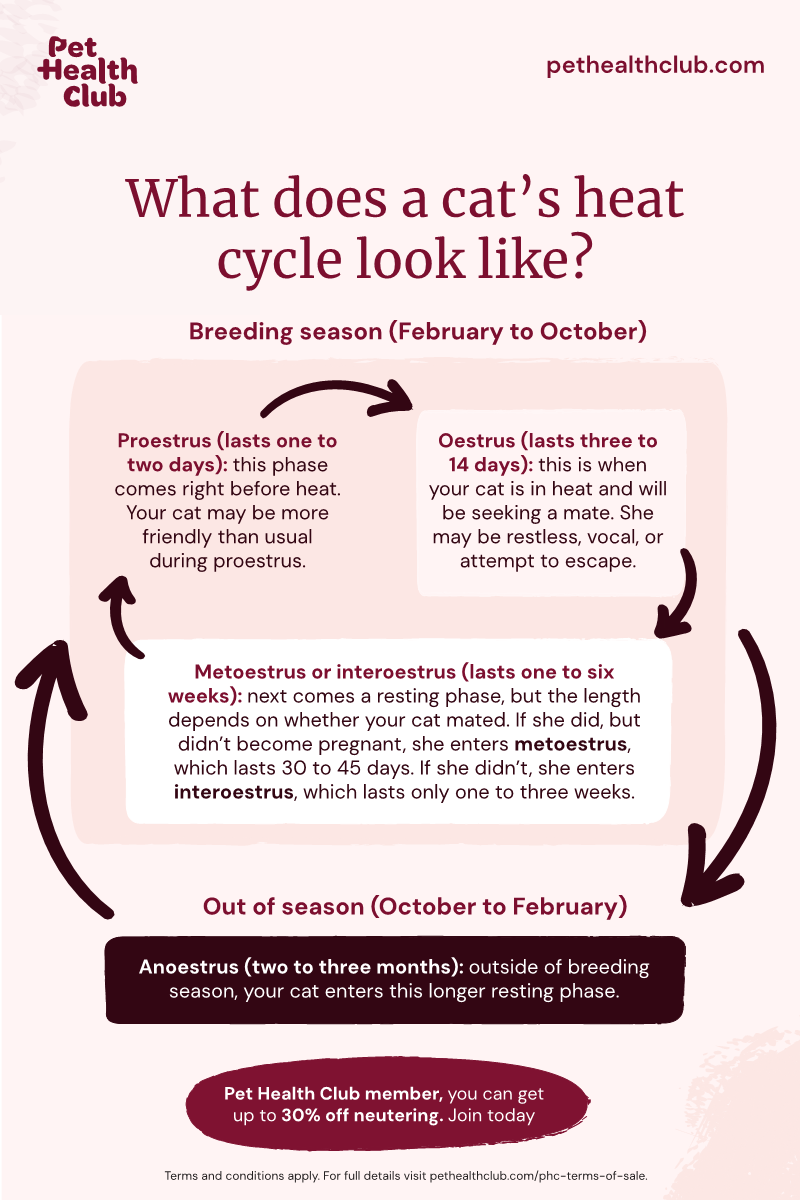
Credit: www.pethealthclub.com
Preparing Your Cat For Breeding
Preparing your cat for breeding is essential for a healthy pregnancy and strong kittens. It helps ensure your cat is in the best condition before mating. Careful preparation reduces risks and promotes successful breeding outcomes.
Health Checkups And Vaccinations
Schedule a vet visit to check your cat’s overall health. The vet will test for diseases and parasites. Update all vaccinations to protect your cat and her future kittens. Regular health checks prevent complications during pregnancy.
Nutrition And Diet Adjustments
Feed your cat a balanced diet rich in proteins and nutrients. Increase calorie intake slightly to support reproductive health. Offer high-quality cat food designed for adult cats. Avoid sudden changes in diet to keep your cat comfortable.
Creating A Comfortable Environment
Set up a quiet, warm space for your cat to relax. Provide a clean litter box and fresh water nearby. Minimize stress by keeping other pets away during breeding. A calm environment helps your cat feel safe and ready.
Choosing The Right Mate
Choosing the right mate is a key step in breeding unaltered cats. It affects the health and traits of future kittens. Careful selection leads to better offspring and maintains breed quality. Consider several important factors before making a choice.
Assessing Compatibility
Compatibility goes beyond looks. Observe behavior to ensure both cats get along well. Stress or aggression can harm breeding success. Look for calm and friendly interactions. Physical compatibility also matters. Size and age should be suitable for safe mating.
Evaluating Genetic Health
Genetic health determines the wellbeing of kittens. Check medical history for inherited diseases. Use genetic testing to identify potential risks. Avoid breeding cats that carry harmful genes. This lowers chances of passing diseases to offspring.
Selecting Based On Breed Standards
Breed standards describe ideal physical and personality traits. Choose a mate that meets these standards closely. This helps preserve breed characteristics. Compare coat color, eye shape, and body structure. Also, consider temperament traits typical for the breed.
Timing The Breeding Process
Timing plays a crucial role when breeding an unaltered cat. Understanding the right moments can increase the chances of a successful mating and healthy kittens. Paying close attention to your cat’s natural cycles and behaviors will help you act promptly and confidently.
Recognizing Heat Cycles
Female cats go into heat several times a year, typically starting around six months old. These cycles usually last about a week and repeat every two to three weeks if the cat does not mate.
Look for signs like increased vocalization, restlessness, and affectionate behavior. Your cat may also assume a mating position by raising her hindquarters and moving her tail to the side.
Optimal Breeding Windows
The best time to breed your cat is during the peak of her heat cycle, usually between the second and fifth day. This period maximizes fertility and receptiveness to mating.
Try to introduce the male cat during this window. Early or late attempts may result in missed opportunities or unsuccessful breeding.
Signs Of Readiness
Besides heat behaviors, watch for physical signs like swollen vulva and clear vaginal discharge. These are strong indicators your cat is ready to breed.
Sometimes, cats may reject the male if they aren’t fully ready. Patience here is key—forcing the process can cause stress and harm to both cats.
Have you noticed subtle changes in your cat’s behavior that signal her readiness? Observing closely can make all the difference in timing the breeding process right.
Managing The Mating Process
Managing the mating process with unaltered cats requires careful attention and patience. It’s not just about bringing two cats together and hoping for the best. You need to actively guide their interactions, address any behavioral issues, and make sure both cats stay safe throughout the process.
Supervising Interactions
Never leave the cats alone during their first meetings. Watch how they communicate—tail movements, vocalizations, and body language can tell you if they’re comfortable or stressed. If you notice signs of aggression or fear, separate them immediately and try again later.
Introduce them in a neutral space to avoid territorial disputes. Sometimes, letting them sniff each other through a barrier first can help build curiosity without direct contact. You want their initial experience to be as positive as possible.
Handling Behavioral Challenges
Expect some hissing, growling, or chasing—this is normal in cat courtship. However, if the behavior escalates to biting or prolonged aggression, it’s time to intervene. Calmly separate them and give each cat a break.
Use calming pheromone sprays or diffusers to reduce stress. Patience is key here; forcing the process often leads to setbacks. Consider consulting a vet or a feline behaviorist if problems persist.
Ensuring Safety For Both Cats
Safety comes first. Make sure both cats are healthy and up to date on vaccinations before any mating attempts. Parasites and diseases can spread easily during close contact.
Remove sharp objects or anything that could cause injury in the mating area. Keep a first aid kit nearby just in case. Always monitor their physical condition after interactions to catch any signs of injury or distress early.
Post-breeding Care
After your unaltered cat has been bred, the care you provide can make a huge difference in her health and the well-being of her future kittens. This period requires close attention and adjustments to her daily routine. Let’s explore how to support your cat through this important time.
Monitoring For Pregnancy
Keep a close eye on your cat for signs of pregnancy. Look for changes like increased appetite, a softer belly, and behavioral shifts such as seeking more affection or becoming more reserved.
Regularly check her weight and body condition. If you notice anything unusual, such as lethargy or lack of appetite, contact your vet immediately. Early detection of any problems can prevent complications later on.
Adjusting Care For Expecting Cats
Your cat’s nutritional needs will change as she carries kittens. Switch to high-quality kitten food to provide extra calories and essential nutrients that support fetal development.
Create a calm, comfortable environment with a quiet space where she can rest undisturbed. Avoid stressful situations and limit interactions with unfamiliar pets or people. This helps keep her stress levels low, which is crucial for a healthy pregnancy.
Preparing For Kittens
Get a nesting box ready about a week before the expected birth. Use soft blankets or towels that can be easily cleaned. Place it in a warm, quiet corner where your cat feels safe.
Gather supplies like clean towels, a heating pad, and the vet’s contact information for emergencies. Are you prepared for the unexpected? Having these items ready can make a big difference during delivery.
Common Breeding Challenges
Breeding unaltered cats can bring health and behavior challenges. Careful planning and veterinary advice help ensure safe mating and healthy kittens. Understanding your cat’s needs reduces stress and improves breeding success.
Breeding unaltered cats can be a rewarding yet challenging endeavor. As you embark on this journey, being aware of potential obstacles can prepare you for what lies ahead. By understanding these common breeding challenges, you can ensure a smoother experience for both you and your feline friends.Dealing With Rejection Or Aggression
It’s not uncommon for cats to reject or show aggression towards potential mates. This can stem from a variety of factors including stress, environmental changes, or simply incompatibility. To mitigate these issues, ensure your cats are introduced in a calm, neutral space. Monitor their interactions closely and be prepared to separate them if aggression occurs. Patience is key; sometimes it takes multiple introductions for cats to become comfortable with each other.Handling Infertility Issues
Infertility can be a frustrating hurdle in cat breeding. It can arise from age, health issues, or genetic factors. Regular veterinary check-ups are crucial to identify any underlying health problems that may affect fertility. A balanced diet and proper exercise can also play a significant role in maintaining reproductive health. If infertility persists, consider consulting a specialist for further guidance.Recognizing And Addressing Health Concerns
Health concerns can complicate the breeding process and affect the wellbeing of your cats. Conditions such as infections or genetic disorders need prompt attention. Be vigilant about any changes in behavior, appetite, or physical appearance. Early detection and treatment can make a significant difference. Keep your cats’ vaccinations up-to-date and maintain regular vet visits to ensure they’re in top condition. Breeding cats is not just about expanding your feline family; it’s about ensuring the health and happiness of your pets. What challenges have you faced in your breeding journey, and how did you overcome them?Ethical Considerations In Breeding
Breeding an unaltered cat carries important ethical responsibilities that affect not just your pet, but the wider feline community. Understanding these responsibilities helps ensure that your breeding decisions support the health and well-being of cats overall.
Ethical breeding means prioritizing quality of life and preventing harm. It challenges you to think about long-term effects, like the impact on overpopulation and the health of offspring. How will your choices today shape the future of the cats you bring into the world?
Avoiding Overbreeding
Overbreeding leads to too many cats without homes, increasing the risk of neglect and abandonment. You must resist the temptation to breed your cat repeatedly or without clear purpose.
Set strict limits on how often your cat breeds and carefully select mates based on health and temperament. This reduces the chance of producing kittens that struggle with illness or behavior problems.
Promoting Responsible Breeding Practices
Responsible breeding requires thorough health checks before mating. Testing for genetic diseases and ensuring vaccinations are up to date protects both parents and kittens.
Keep detailed records of your cat’s health history and traits. Share this information openly with potential buyers to build trust and help them care for their new pet properly.
Considering Adoption Alternatives
Before deciding to breed, ask yourself if adoption might be a better path. Shelters are full of cats needing loving homes—choosing adoption can save lives.
If you want to support the breed you love, consider fostering or volunteering with rescue groups. You can make a meaningful difference without contributing to overpopulation.

Credit: dremmanuelfontaine.com
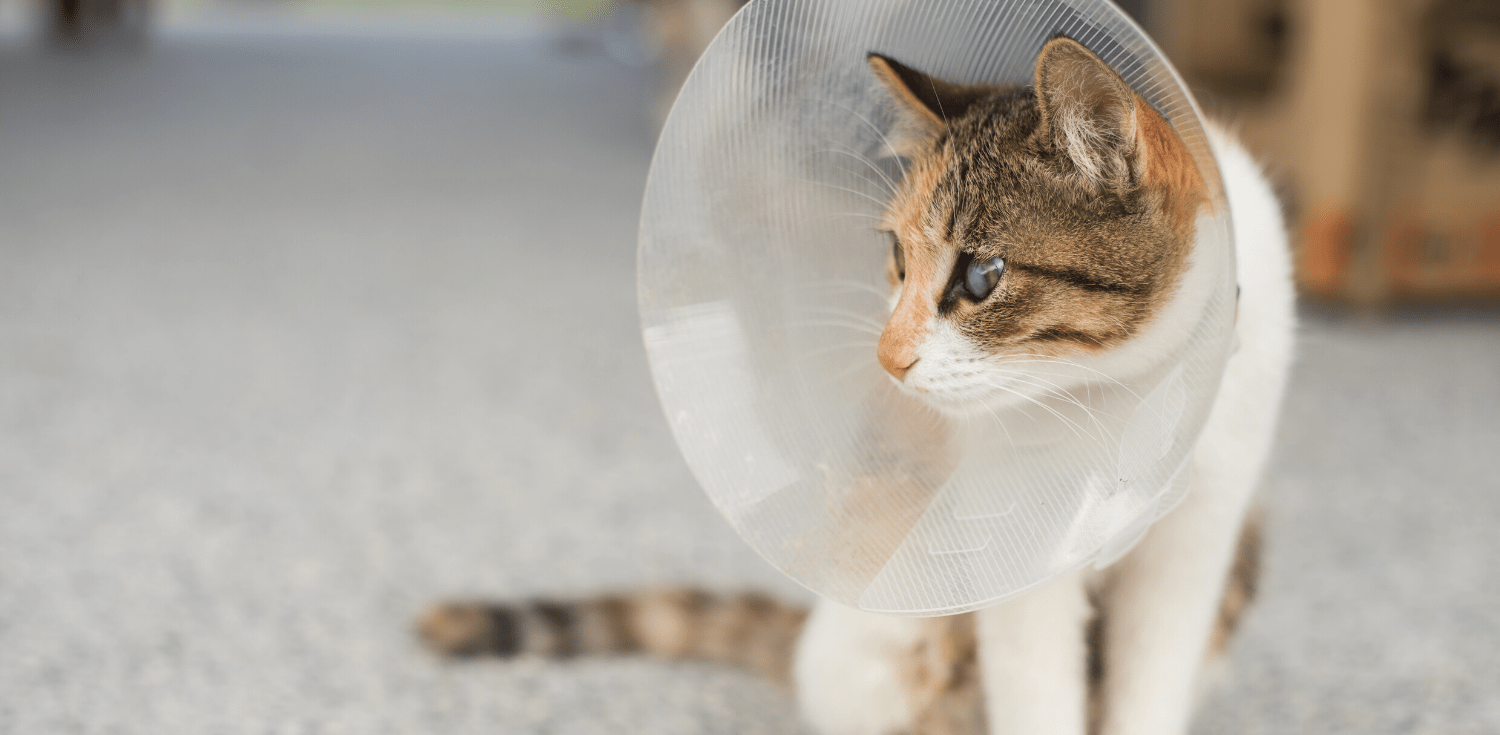
Credit: spayct.org
Frequently Asked Questions
What Is An Unaltered Cat In Breeding Terms?
An unaltered cat is a cat that has not been spayed or neutered. It retains full reproductive ability. This status is essential for natural breeding practices.
How To Prepare An Unaltered Cat For Breeding?
Ensure your cat is healthy and vaccinated. Provide proper nutrition and regular veterinary checkups. Monitor her heat cycles and behavioral signs carefully.
When Is The Best Time To Breed An Unaltered Cat?
The optimal breeding time is during the cat’s heat cycle. This typically occurs every two to three weeks in females. Breeding should be planned with a veterinarian’s guidance.
What Are The Risks Of Breeding Unaltered Cats?
Breeding can lead to health complications, stress, and overpopulation. It increases the risk of genetic defects. Responsible breeding practices minimize these risks.
Conclusion
Taking care of an unaltered cat for breeding needs planning. Know your cat’s health and breed traits well. Provide a safe and clean space for mating. Monitor the cat’s behavior and health closely. Consult a vet to avoid health problems.
Responsible breeding helps keep cats healthy and happy. Breeding takes time, patience, and care. Always think about the future kittens’ well-being. This approach makes breeding safe and successful.

Leave a Reply