Are you curious about which cat breeds live the longest? If you want your furry friend to stay by your side for many happy years, knowing which breeds tend to have longer lifespans can make all the difference.
Imagine having more time to share cuddles, play, and create memories with your beloved cat. You’ll discover the cat breeds known for their impressive longevity and what makes them special. Keep reading to find out how you can choose a cat that’s not just a pet, but a lifelong companion.
Credit: www.freemalaysiatoday.com
Factors Influencing Cat Longevity
Many factors affect how long a cat lives. These factors work together to shape a cat’s health and lifespan. Understanding them helps cat owners give their pets the best care possible.
Genetics And Breed Traits
Genetics play a big role in cat longevity. Some breeds naturally live longer than others. For example, Siamese cats often live into their late teens or early twenties. Certain breeds may have inherited health issues that shorten life. Knowing a cat’s breed traits helps predict possible health problems.
Diet And Nutrition
A balanced diet supports a cat’s overall health. High-quality food provides essential nutrients. Poor diet can lead to obesity and diseases. Fresh water is also important for kidney health. Feeding cats according to their age and size improves their lifespan.
Healthcare And Vet Visits
Regular vet visits catch health problems early. Vaccinations protect cats from common diseases. Dental care prevents infections that affect overall health. Parasite control keeps cats safe from worms and fleas. Timely treatment of illnesses can extend a cat’s life.
Living Environment
Safe, stress-free environments help cats live longer. Indoor cats often live longer than outdoor cats. Outdoor cats face dangers like accidents and predators. Clean living spaces reduce the risk of infections. Providing mental and physical stimulation keeps cats active and healthy.

Credit: manilastandard.net
Top 10 Long-lived Cat Breeds
Choosing a cat breed that tends to live longer can make a big difference in your companionship and care experience. Some breeds naturally have longer lifespans, giving you more years of joy and memories. Here’s a look at the top 10 long-lived cat breeds and what makes each one special in terms of longevity.
Siamese
Siamese cats often live into their late teens and sometimes early twenties. Their slender, muscular build contributes to their agility and overall health. Owners often report Siamese cats staying active and playful well into old age.
Burmese
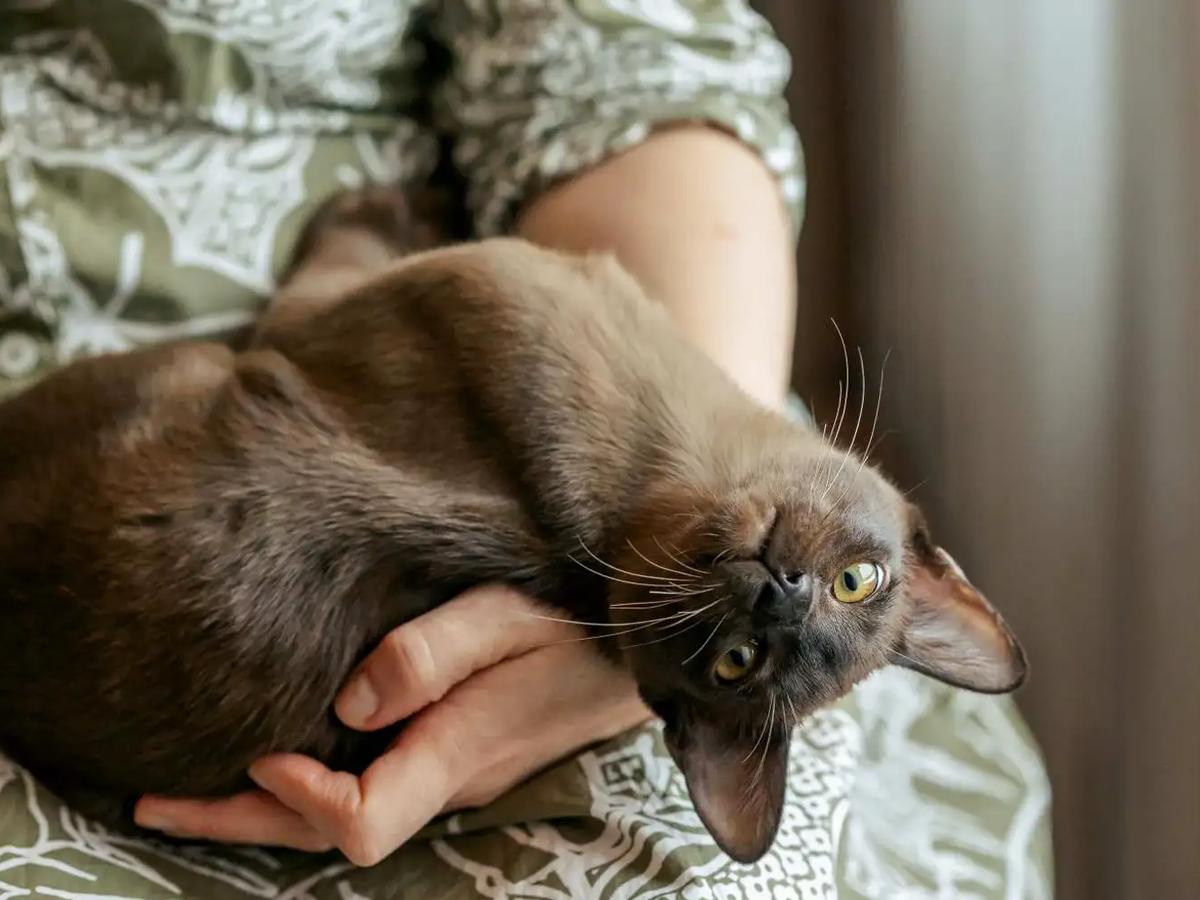
Burmese cats are known for their affectionate nature and impressive longevity, often reaching 18 to 20 years. Their sturdy bodies and strong immune systems help them resist common feline illnesses. Have you noticed how their social personality seems to keep them mentally sharp?
Russian Blue
The Russian Blue is a quiet and healthy breed, with many living beyond 15 years. Their dense coat and calm demeanor make them low-stress companions. Stress reduction can play a big role in extending your cat’s lifespan—does your cat have a peaceful environment?
Ragdoll
Ragdolls are large and gentle cats that commonly live 15 to 20 years. Their laid-back attitude means they avoid risky behaviors that could shorten their life. Keeping your Ragdoll indoors can add years to their life by preventing accidents and disease.
Maine Coon
Maine Coons are among the largest domestic cats but often live 12 to 15 years or more. Their robust genetics and friendly nature keep them thriving. Regular vet check-ups are key, especially for this breed, to catch any health issues early.
Sphynx
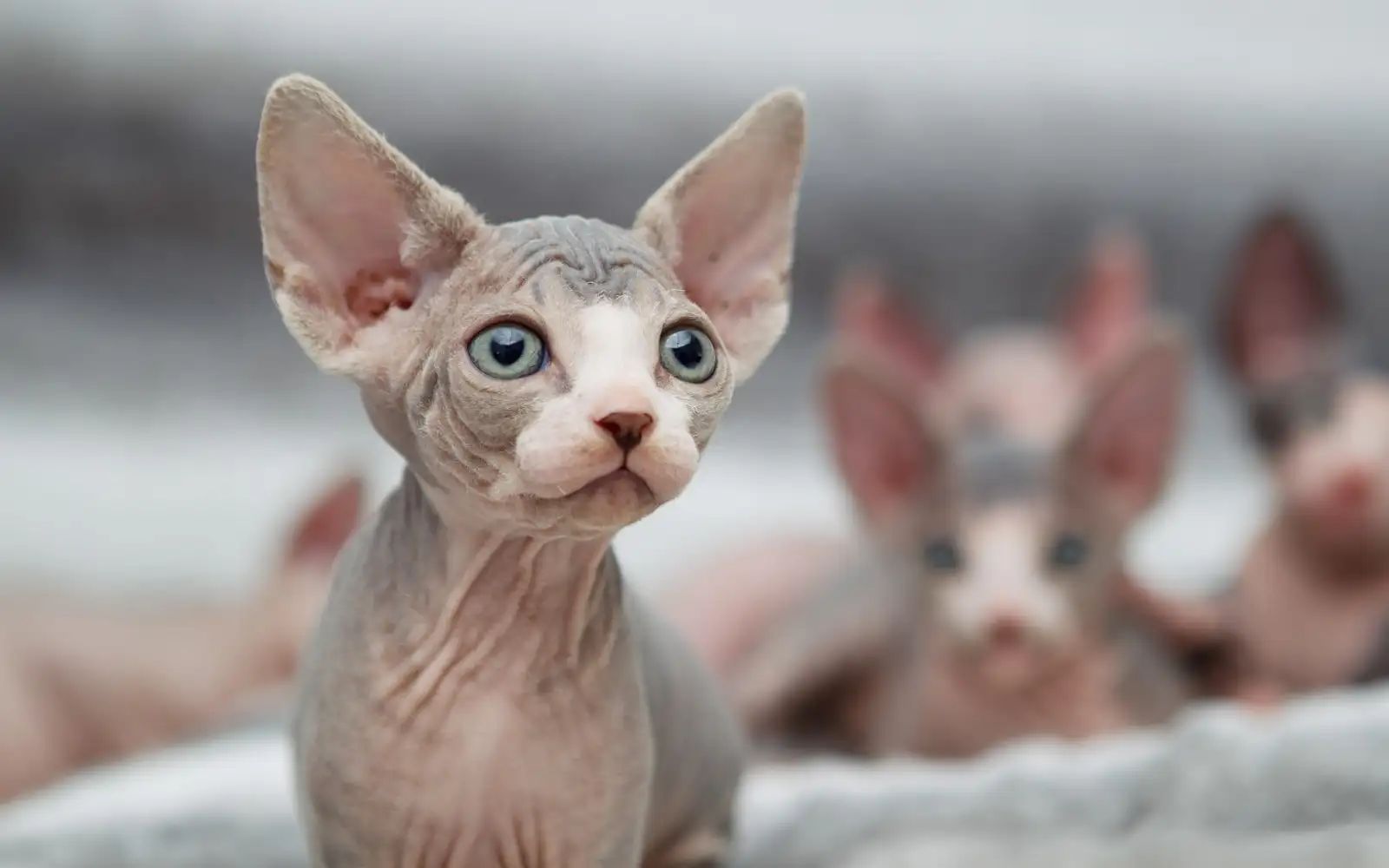
Sphynx cats, despite their unique appearance, tend to live 14 to 16 years. Their lack of fur means you need to keep them warm and clean, which can prevent skin problems. Did you know that their high metabolism can contribute to a longer, healthier life?
Balinese
Balinese cats, a close relative of the Siamese, often enjoy lifespans of 15 to 20 years. Their active and intelligent nature keeps them engaged and healthy. Mental stimulation through play might just be a secret to their longevity.
Birman
Birmans typically live 12 to 16 years and are known for their gentle and sociable personalities. Their moderate activity level supports a balanced lifestyle. How often do you interact with your cat? Regular bonding can boost their well-being.
Oriental Shorthair
Oriental Shorthairs usually live 12 to 15 years. Their sleek bodies and lively spirits help keep them fit. Providing a stimulating environment can prevent boredom and related health issues.
Domestic Shorthair
Domestic Shorthairs are mixed-breed cats that often live 15 years or more. Their diverse genetics contribute to fewer inherited diseases. Have you ever noticed how some mixed breeds show surprising resilience compared to purebreds?
Longevity Tips For Cat Owners
Certain cat breeds, like Siamese and Burmese, tend to live longer than others. Choosing these breeds may increase your pet’s lifespan and happiness. Regular care also helps cats stay healthy and live well.
Cats bring joy and companionship to many homes. Ensuring they live long, healthy lives is a priority for cat owners. Some cat breeds are known for their impressive lifespans. But longevity often depends on care and lifestyle. By focusing on key areas, cat owners can enhance their pets’ lives.Regular Exercise And Play
Exercise keeps your cat fit and active. It helps prevent obesity and related diseases. Encourage daily play with toys like feathers or laser pointers. Climbing trees and scratching posts keep cats engaged. Regular activity supports strong muscles and joints.Balanced Diet Choices
Nutrition plays a vital role in a cat’s health. Choose high-quality cat food with essential nutrients. Avoid overfeeding to prevent weight gain. Fresh water should be available at all times. A balanced diet supports a healthy immune system.Routine Health Screenings
Regular vet visits catch health issues early. Schedule annual check-ups and vaccinations. Keep up with flea and tick prevention. Dental care is also important for overall health. Screenings help ensure your cat’s long-term well-being.Stress Reduction Strategies
Cats can be sensitive to stress. Create a calm environment with safe spaces to retreat. Maintain a consistent routine to reduce anxiety. Use calming pheromones or music if needed. Stress management promotes a longer, happier life for your cat.Signs Of Aging In Cats
As cats grow older, their bodies and minds change in many ways. Recognizing these signs helps owners provide better care. Understanding aging signs lets you support your cat’s health and happiness.
Changes In Mobility
Older cats often move slower or less than before. Jumps may become shorter or less frequent. Stiffness or limping can appear, especially after rest. These changes show their joints and muscles weaken with age.
Diet And Appetite Shifts
Appetite may decrease or become picky over time. Some cats eat less due to dental pain or digestion issues. Others may drink more water or lose weight. Adjusting food type and amount can help maintain nutrition.
Behavioral Adjustments
Senior cats may seek more quiet or solitude. They might sleep longer or hide more often. Vocalization can increase, showing confusion or discomfort. Changes in activity or social habits reflect their aging brain and body.
Health Monitoring
Regular vet visits become crucial for aging cats. Watch for signs like weight loss, lumps, or breathing changes. Early detection of illness improves treatment success. Keep track of any new symptoms or behaviors daily.
Credit: twocrazycatladies.com
Frequently Asked Questions
Which Cat Breed Has The Longest Lifespan?
The Siamese cat breed often lives the longest, typically reaching 15 to 20 years. Their healthy genetics and active nature contribute to their longevity.
Do Indoor Cats Live Longer Than Outdoor Cats?
Yes, indoor cats generally live longer because they face fewer risks like accidents and diseases. Indoor cats can live up to 15 years or more.
How Can I Help My Cat Live Longer?
Provide a balanced diet, regular vet check-ups, and a safe environment. Mental stimulation and exercise also boost your cat’s lifespan and quality of life.
Are Mixed Breed Cats Healthier And Longer-lived?
Mixed breed cats often have fewer genetic issues and can live longer than purebreds. Their diverse genes contribute to better overall health.
Conclusion
Choosing a cat breed with a longer lifespan helps you enjoy more happy years. Some breeds naturally live longer, but good care matters most. Feeding well, regular vet visits, and love keep cats healthy. Every cat is unique and can surprise you.
Remember, a happy cat often lives longer. Think about both breed and care when picking your pet. Your time together will be full of joy and memories.


Leave a Reply