Have you ever wondered what breed your cat really is? Knowing your cat’s breed can help you understand their behavior, health needs, and personality better.
But with so many cat types out there, it’s not always easy to tell. You’ll discover simple ways to identify your cat’s breed without any confusion. By the end, you’ll feel confident recognizing the unique traits that make your furry friend special.
Keep reading, and unlock the mystery behind your cat’s origins!
Recognizing Cat Breed Traits
Recognizing your cat’s breed traits can be both fun and revealing. Each breed carries distinct features that make them unique, from how they look to how they behave. Understanding these traits helps you connect better with your feline friend and even anticipate their needs and quirks.
Common Physical Features
Look closely at your cat’s body shape, size, and facial structure. Some breeds like the Siamese have a slender, elongated body and striking blue almond-shaped eyes. Others, such as the Maine Coon, are large and muscular with tufted ears and bushy tails.
Notice the ears, eyes, and nose shapes too. Rounded ears may hint at breeds like the Scottish Fold, while large, pointed ears can indicate Oriental breeds. These physical clues give you solid hints about your cat’s background.
Behavioral Characteristics
How your cat acts can tell you a lot about its breed. Some breeds, like the Ragdoll, are known for being relaxed and affectionate, often going limp when you pick them up. Others, such as the Abyssinian, are highly active and curious, always exploring their environment.
Does your cat love water or avoid it? Turkish Vans often enjoy playing in water, which is quite unusual for cats. Observing your cat’s habits and energy levels can narrow down possible breeds.
Coat Patterns And Colors
Coat patterns can be a major giveaway of your cat’s breed. Tabby stripes are common but specific patterns like the ticked coat of the Abyssinian or the pointed pattern of the Siamese stand out. Some breeds have unique colors too, like the blue-gray coat of the Russian Blue.
Is your cat’s fur long or short? Persian cats have long, flowing coats, whereas British Shorthairs sport dense, plush fur. Paying attention to these details helps you identify your cat’s heritage more accurately.
Using Visual Guides
Visual guides help identify your cat’s breed by comparing looks. They focus on physical traits like fur patterns, body shape, and ear type. These guides make breed identification easier for beginners and cat lovers.
Using images and charts allows you to spot similarities quickly. Seeing clear examples helps you match your cat’s features with known breeds. Visual tools also highlight unique traits that words might miss.
Breed Comparison Charts
Breed comparison charts list common cat breeds side by side. They show key features such as:
- Coat length and color
- Eye shape and color
- Body size and shape
- Ear type and position
Charts often include short descriptions for each breed. They help narrow down options fast. You can spot the closest match by checking traits one by one.
Photographic References
Photographic references display clear pictures of each breed. These images reveal details like:
- Facial structure
- Fur texture
- Posture and movement
High-quality photos allow you to compare your cat’s look directly. You may notice subtle details that guide your guess. Use multiple photos from different angles for best results.
Dna Testing For Cats
Curious about the lineage of your feline friend? DNA testing for cats has become a fascinating tool for pet owners eager to uncover the mystery behind their pet’s breed. Just like in humans, these tests can reveal a wealth of genetic information about your cat. But how exactly do these tests work, and what can they tell you about your beloved pet?
How Dna Tests Work
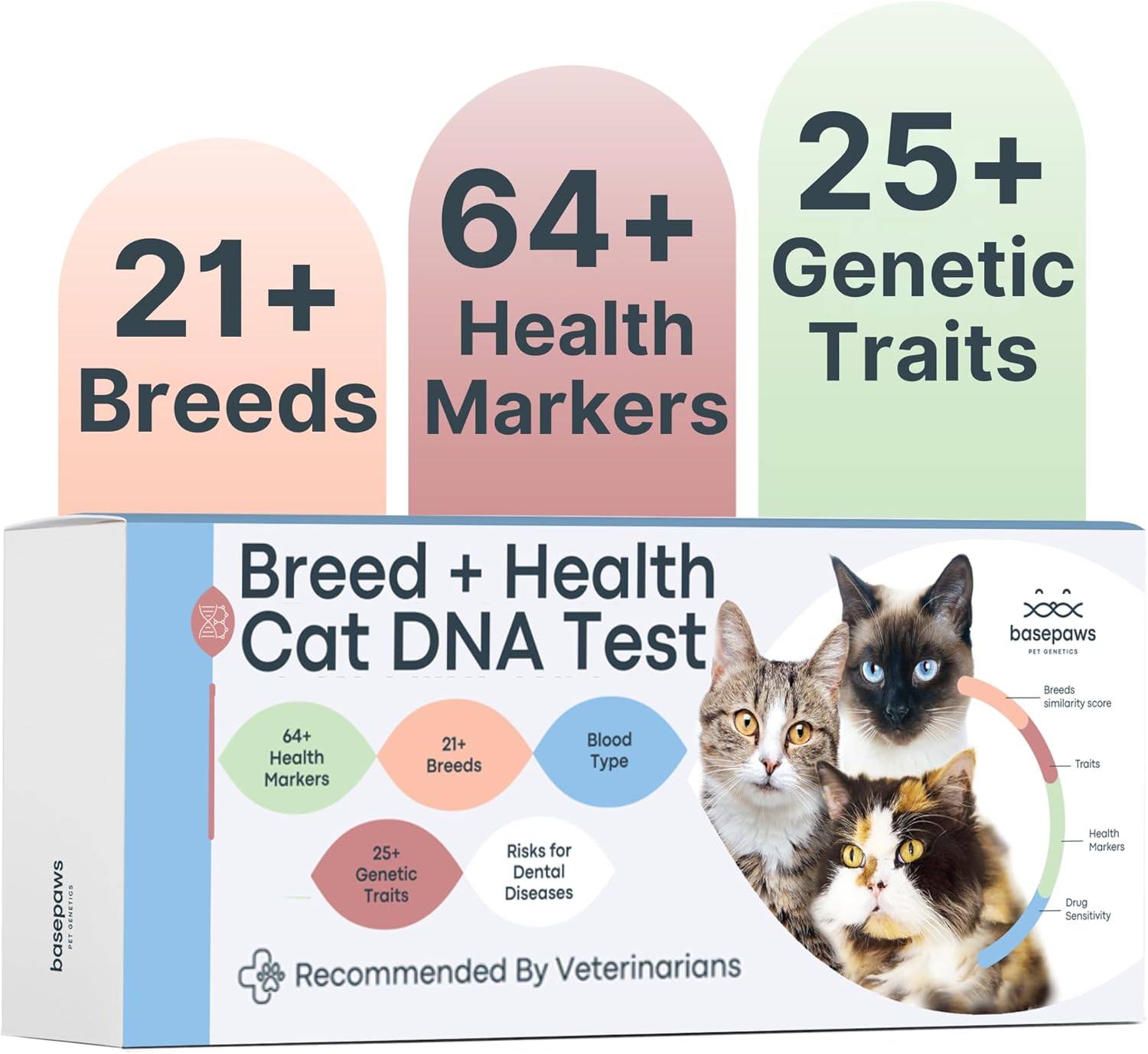
Cat DNA tests work by analyzing your cat’s genetic material to identify specific breed markers. The process is simple: you collect a sample of your cat’s DNA, usually through a cheek swab, and send it to a lab. There, technicians examine the sample for genetic markers that are unique to different breeds.
The results are then compared against a database of known breed markers. This comparison helps identify the likelihood of your cat having ancestry from certain breeds. It’s a fascinating process that taps into the intricate world of genetics.
Popular Dna Test Kits
Several companies offer reliable and easy-to-use DNA test kits for cats. These kits typically include everything you need to collect a sample and return it to the lab. Some popular options include:
- Basepaws:Known for its comprehensive analysis, Basepaws provides insights into your cat’s breed, health, and traits.
- Wisdom Panel:While traditionally known for dog DNA tests, they now offer feline testing with a focus on breed identification.
- CatDNAtest.org:Offers a simple test focused primarily on breed identification.
Choosing the right kit depends on what you’re most interested in discovering about your cat. Some kits offer more detailed health insights, while others focus solely on breed identification.
Interpreting Test Results
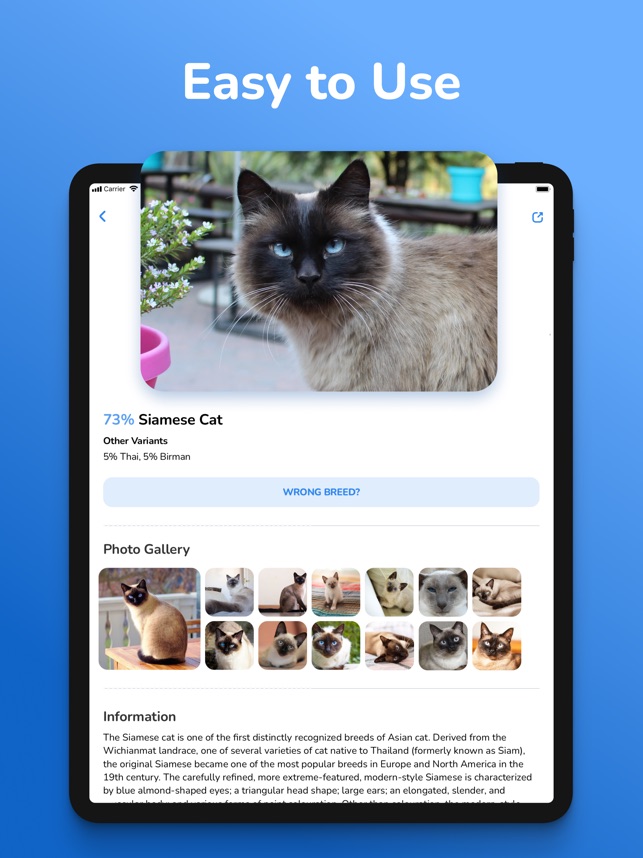
Once you’ve received your test results, interpreting them can be both exciting and a little overwhelming. Most reports will provide a percentage breakdown of your cat’s breed composition. You’ll see which breeds make up your cat’s genetic makeup and in what proportions.
These results can help you understand your cat’s behaviors and traits better. For example, if your cat has a significant percentage of Siamese, you might notice their social and vocal nature. Interpreting these results can deepen your bond with your pet by providing insights into their unique needs and personality.
Have you ever considered what breeds might be hidden in your cat’s family tree? DNA testing opens a window into your pet’s past, enriching your understanding of their present.
Credit: www.rover.com
Consulting Cat Experts
Knowing your cat’s breed can help you understand its behavior and health needs. Experts have the knowledge and tools to identify breeds accurately. Consulting cat experts offers reliable insights beyond guesswork. Their experience helps uncover your cat’s true breed mix.
Veterinarians’ Insights
Veterinarians see many cats and know breed traits well. They examine physical features and health patterns to suggest possible breeds. Vets can also recommend genetic testing for clear results. Their advice helps you care for your cat better based on breed.
Breed Specialists
Breed specialists focus on specific cat breeds. They know each breed’s unique traits, colors, and behaviors. Specialists can compare your cat to breed standards and identify matches. They often work with breeders and can guide you in understanding your cat’s heritage.
Cat Shows And Clubs
Cat shows gather many breeds in one place. You can meet experts and breeders who know breed details well. Clubs often have resources and breed profiles to help owners learn. Attending shows or joining clubs connects you to a community that shares breed knowledge.
Identifying Mixed Breeds
Identifying mixed breed cats can feel like detective work. These cats often carry traits from multiple breeds, making it tricky to pinpoint their exact lineage. Still, understanding their features helps you appreciate their unique personality and care needs better.
Traits Of Hybrid Cats
Hybrid cats show a mix of characteristics from two or more breeds. You might notice a Siamese’s slender body paired with the thick coat of a Maine Coon. Their eyes, fur patterns, and even behavior can blend traits in unexpected ways.
Look closely at features like:
- Coat type and pattern:Is it short, long, curly, or spotted?
- Body shape:Are they stocky, slender, or muscular?
- Facial structure:Do they have a flat face, pointed ears, or a broad nose?
Observing these traits can give you clues about the breeds in your cat’s background. Have you noticed your cat acting in ways typical of certain breeds? Behavior can be as telling as looks.
Challenges In Mixed Breed Identification
Pinpointing the exact breeds in a mixed cat can be frustrating. Many traits overlap between breeds, and genetics can blur clear lines. Even experts sometimes struggle to identify mixed breeds without DNA testing.
Another challenge is that some traits are dominant while others hide, making certain breed markers invisible. This means your cat might carry genes from a breed without showing obvious signs.
Have you tried guessing your cat’s breed only to find conflicting information online? It’s a common experience. Instead of stressing over exact breeds, focus on what makes your cat special and how to care for them best.
Credit: apps.apple.com
Tracking Cat Ancestry
Tracking your cat’s ancestry helps reveal its breed background. Knowing where your cat comes from adds to your bond. It also helps understand your cat’s behavior and health needs.
Several resources can provide clues about your cat’s lineage. These include documents and stories from previous owners or breeders.
Adoption Paperwork Clues
Adoption papers often contain breed information. Shelters may list the cat’s breed or mix. Look for descriptions or official breed names. Sometimes, the paperwork includes photos or vet records. These details give hints about your cat’s origins.
Breeder Records
Breeders keep detailed records of a cat’s lineage. They track parent cats and show pedigrees. Ask the breeder for documents if available. These records verify purebred status and breed history. They often include certificates and registration numbers.
Family History Stories
Stories from previous owners can reveal breed clues. They may share how the cat was found or raised. Family tales might include traits or behaviors linked to certain breeds. These stories add personal context to your cat’s ancestry.
Maintaining Cat Health And Care
Understanding your cat’s breed can give you valuable clues about their health and care needs. Each breed comes with its own set of traits and potential health risks, so knowing these details helps you provide the best care possible. Paying attention to breed-specific needs can improve your cat’s quality of life and catch problems early.
Breed-specific Health Issues
Certain cat breeds are prone to specific health problems. For example, Persian cats often face respiratory issues due to their flat faces, while Maine Coons may develop hip dysplasia or heart disease.
Knowing your cat’s breed helps you watch for symptoms early. Regular vet check-ups tailored to these risks can catch problems before they worsen. Are you familiar with the common ailments linked to your cat’s breed?
Tailored Nutrition
Nutrition needs can vary by breed. Some active breeds like the Abyssinian require more protein and calories, while less active breeds might need a diet lower in fat.
Adjusting your cat’s food based on their breed can support healthy weight and energy levels. Consider consulting your vet to find the best diet plan that fits your cat’s unique needs. What type of food does your cat thrive on?
Activity And Environment Needs
Activity levels differ widely among breeds. Siamese cats are often highly energetic and need plenty of playtime, while British Shorthairs tend to be more laid-back and enjoy calm environments.
Matching your home and playtime activities to your cat’s breed keeps them happy and mentally stimulated. Providing climbing spaces or quiet resting spots can make a big difference. How does your cat respond to their current environment?

Credit: apps.apple.com
Frequently Asked Questions
How Can I Identify My Cat’s Breed Visually?
Look at your cat’s size, fur length, color patterns, and facial features. Compare these traits with common breed characteristics. Visual cues help narrow down possible breeds but may not be conclusive without further testing.
What Are The Best Methods To Determine Cat Breed?
Use DNA testing kits for accurate breed identification. Additionally, consult a veterinarian or cat breed expert. Combining visual inspection and genetic testing provides the most reliable results.
Can Mixed-breed Cats Have Identifiable Traits?
Yes, mixed-breed cats often show traits from multiple breeds. These traits can include coat color, ear shape, or body type. Identifying dominant characteristics can hint at their breed ancestry.
How Accurate Are Cat Dna Tests For Breed Identification?
Cat DNA tests are about 90-95% accurate. They analyze specific genetic markers linked to breeds. However, rare or new breeds may be less represented, affecting precision.
Conclusion
Knowing your cat’s breed helps you understand its behavior better. You can learn about its health needs and personality traits. Simple steps like observing looks and asking a vet can guide you. DNA tests give clear answers but are not always needed.
Each cat is unique, no matter the breed. Enjoy your pet and cherish the special bond you share. Your cat’s story is part of what makes it special. Keep exploring and caring for your furry friend every day.


Leave a Reply