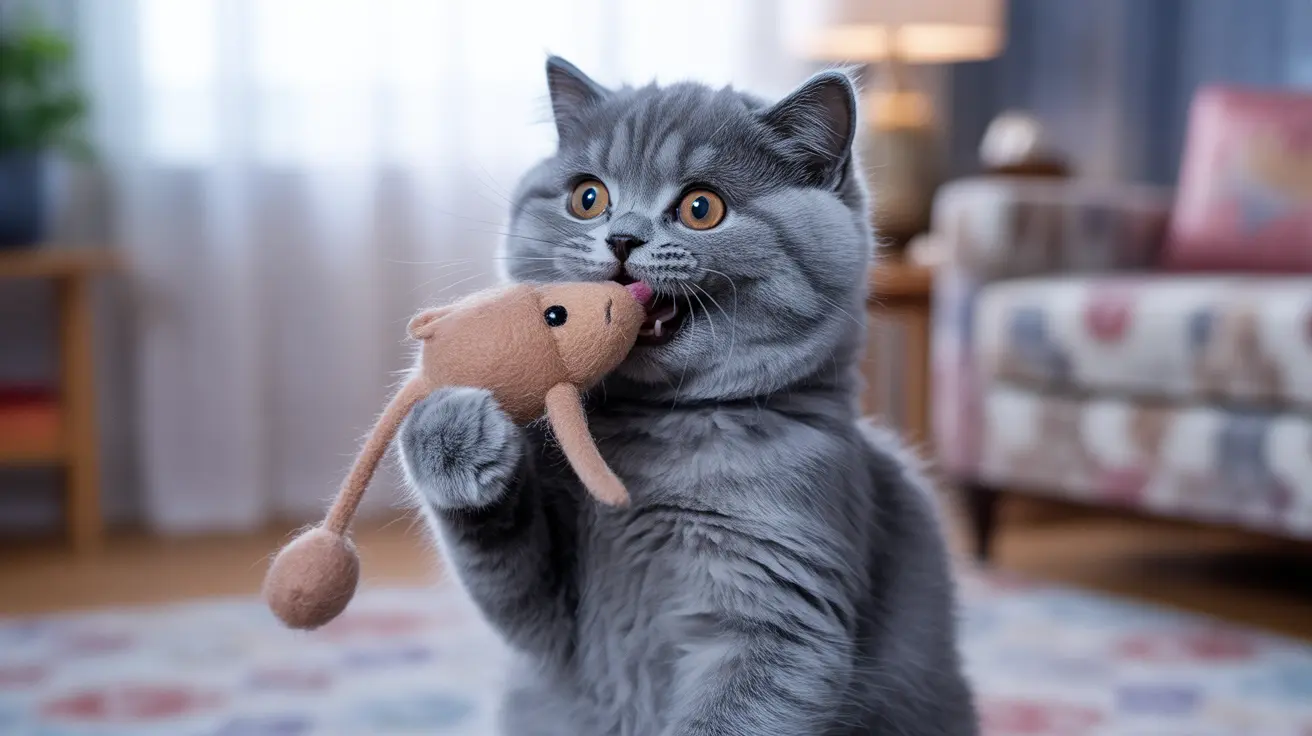
Have you ever noticed your cat meowing loudly when playing with a toy and wondered why? It’s not just random noise—it’s your cat trying to tell you something.
Understanding this behavior can deepen the bond between you and your furry friend. You’ll discover the surprising reasons behind those loud meows and learn how to respond in ways that make playtime even more fun for both of you. Keep reading to unlock the secret language of your cat’s meows!
Cat Vocalizations And Play
Cat vocalizations play a key role in how your furry friend interacts during playtime. When your cat meows loudly while engaging with a toy, they are not just making noise—they are communicating with you and expressing their excitement or frustration. Understanding these sounds can help you strengthen your bond and make play sessions more enjoyable for both of you.
Types Of Cat Meows
Cats use different types of meows to convey various messages. Some common meows you might hear during play include:
- Short, sharp meows:These often signal excitement or a call to keep playing.
- Long, drawn-out meows:Your cat might use these when they are frustrated or want more attention.
- Repeated meows:This can indicate eagerness or impatience, especially if the toy is just out of reach.
Have you noticed how your cat’s meows change depending on the toy or the type of play? Paying attention to these variations can reveal what your cat enjoys most.
How Cats Communicate During Play
During play, your cat’s vocalizations are part of a larger communication system that includes body language and behavior. Meowing loudly can show excitement, but it can also mean your cat is trying to tell you something specific, like “I want you to throw the toy again” or “I’m ready for a break.”
Sometimes, a loud meow signals frustration if your cat can’t catch the toy easily. Watching their tail flicks, ear positions, and eye movements alongside the meows can give you clearer clues about their feelings.
Next time your cat meows loudly while playing, try responding by changing how you play or offering a different toy. Do you think your cat’s vocal messages could guide you to better playtime experiences?

Credit: www.kittyhelpdesk.com
Reasons For Loud Meowing With Toys
Cats often meow loudly while playing with toys for various reasons. These sounds show their feelings and thoughts during playtime. Understanding why your cat meows loudly helps you connect better with them. It also lets you know if they are happy, excited, or frustrated. Each cat has a unique way of expressing itself, especially with toys involved.
Expressing Excitement And Joy
Many cats meow loudly to show excitement. Playtime triggers their natural joy and energy. Loud meows can mean they are having fun. The toy becomes a source of great interest. This vocal expression enhances their playful mood.
Seeking Attention From Owners
Cats use loud meows to get your attention. They want you to join their play or notice their actions. This vocalization can be a way to say, “Look at me!” Your response encourages more interaction and bonding.
Mimicking Hunting Behavior
Meowing loudly can mimic hunting calls. Cats instinctively use sounds during stalking or capturing prey. Toys act as pretend prey in their game. The loud meow adds realism to their hunting play.
Frustration Or Overstimulation
Sometimes, loud meowing signals frustration or too much excitement. If a toy is hard to catch, cats may feel annoyed. Overstimulation from long play sessions also causes vocal outbursts. Recognizing this helps you calm your cat down.
Impact Of Toy Type On Meowing
Certain toys can trigger loud meowing because they excite a cat’s hunting instincts. Toys that mimic prey often make cats vocalize more as they play. This behavior shows their strong interest and natural response to the toy’s movement or sound.
Cats often meow loudly with toys, sparking curiosity in their owners. The type of toy can greatly influence a cat’s vocal behavior. Different toys engage a cat’s senses in unique ways, impacting their reactions and vocalizations. Understanding how toy types affect meowing can help you choose the best toys for your feline friend.Interactive Vs. Passive Toys
Interactive toys often require a cat to engage actively. These toys simulate hunting and capture, triggering natural instincts. Cats may meow loudly during play due to excitement or frustration. The chase and challenge thrill them. On the other hand, passive toys do not require much effort. They include items like balls or plushies that cats can bat around. These toys might lead to less vocalization as they don’t stimulate a cat’s instincts in the same way.Noise And Movement Effects
Toys that make noise or move can captivate a cat’s attention. Sounds like crinkles or squeaks mimic prey, exciting your cat. Movement, such as a toy darting across the floor, can prompt loud meowing. This noise and movement combination can simulate a hunt. It drives your cat to vocalize as if communicating with prey or expressing excitement. Cats often meow to express feelings during play.
Credit: moderncat.com
Age And Personality Factors
Age and personality play a huge role in why your cat might meow loudly when playing with a toy. Different life stages and temperaments shape how cats express themselves. Understanding these factors can help you respond better to your cat’s unique way of communicating.
Kittens Vs. Adult Cats
Kittens are naturally more vocal and curious. They often meow loudly to get your attention or to express excitement during playtime. Their meows can be a way of saying, “Look at me!” or “Let’s keep playing!”
Adult cats, on the other hand, tend to be more reserved with their vocalizations. If an adult cat meows loudly with a toy, it might be a sign of intense focus or a strong desire to engage. Sometimes, older cats use louder meows when they want you to join the fun or when they feel particularly stimulated.
Individual Cat Temperaments
Every cat has a unique personality that influences how they react to toys. Some cats are naturally chatty and will meow loudly as part of their playful behavior. Others might be quieter, using body language more than vocal sounds.
Think about your cat’s usual behavior outside of playtime. Is your cat generally vocal or calm? If your cat usually stays quiet but suddenly meows loudly with a toy, it might be a sign of excitement or even frustration. Have you noticed if your cat’s loud meowing changes depending on the toy? This can tell you a lot about their preferences and moods.
How To Respond To Loud Meowing
Responding to your cat’s loud meowing during play helps build better communication. Understanding why your cat vocalizes can improve your interactions. You can guide your cat to enjoy playtime calmly and happily.
Encouraging Positive Play
Use toys that engage your cat’s natural hunting skills. Move toys slowly to keep your cat interested but not overstimulated. Praise your cat softly when it plays quietly. Avoid rewarding loud meows with attention. This teaches your cat that calm play gets your focus.
Managing Excessive Vocalization
Ignore loud meows to prevent encouraging the behavior. Give your cat breaks during play to reduce excitement. Provide enough physical and mental exercise daily to lower excess energy. Use a calm voice to distract your cat from loud meowing. Create a quiet space where your cat can relax after play.
Enhancing Bonding Through Play
Spend regular time playing with your cat to strengthen your bond. Use play sessions to learn your cat’s communication style. Offer gentle petting and soft words after play to show affection. Notice your cat’s body language to better understand its needs. Play builds trust and makes your cat feel secure.
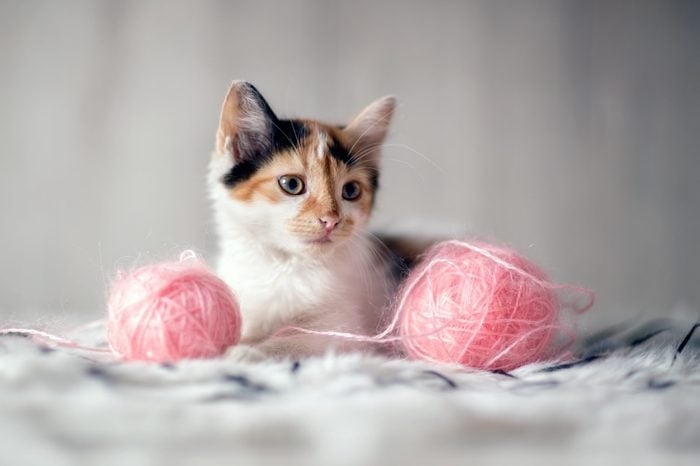
Credit: www.rd.com
Frequently Asked Questions
Why Does My Cat Meow Loudly With A Toy?
Cats meow loudly with toys to express excitement or frustration. They use vocalization to engage and communicate during playtime. Loud meowing can also signal their hunting instincts being triggered by the toy.
Is Loud Meowing Normal During Cat Playtime?
Yes, loud meowing is normal when cats play. It shows their enthusiasm and mimics hunting behavior. It’s a healthy sign of active engagement and stimulation.
How Can I Reduce My Cat’s Loud Meowing With Toys?
Offer interactive toys and play regularly to reduce loud meowing. Provide mental and physical stimulation to satisfy their hunting instincts. Avoid overstimulation to prevent frustration-driven meows.
Does Loud Meowing Mean My Cat Wants Attention?
Often, yes. Cats meow loudly to gain your attention during play. They may want you to join or encourage their activity with the toy.
Conclusion
Cats meow loudly with toys to show excitement or ask for attention. They use sounds to communicate their feelings. Your cat may want you to play more or share their joy. Watching your cat’s behavior helps you understand their needs better.
Enjoy these moments to build a stronger bond with your pet. Keep offering fun toys and time together. This simple act makes your cat happy and loved.

Leave a Reply