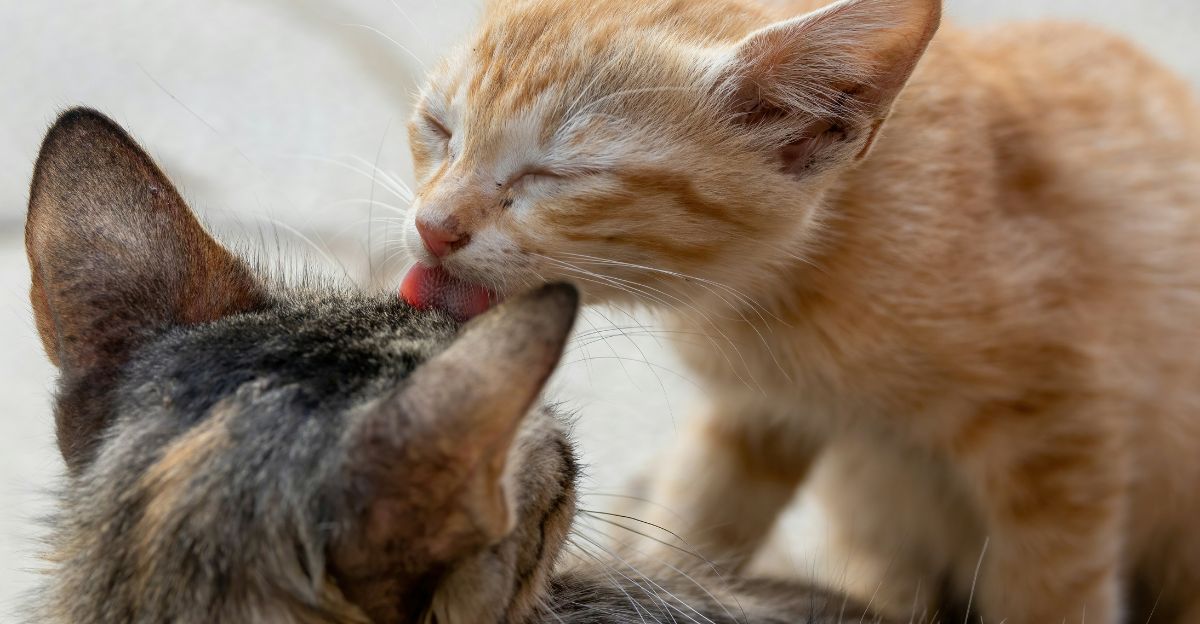
Have you ever watched two cats sitting close together, gently licking each other’s fur? It might seem like a simple, sweet moment, but there’s a lot more going on beneath the surface.
When cats groom each other, they are not just keeping clean—they’re building trust, showing affection, and strengthening their bond. If you’ve ever wondered why your cats spend so much time on this behavior or what it means for their relationship, you’re about to discover the fascinating reasons behind it.
Keep reading, and you’ll see your feline friends in a whole new light.

Credit: basepaws.com
Social Grooming In Cats
Cats are known for their fastidious grooming habits. But they do not only groom themselves. Cats often groom each other in a behavior called social grooming. This act involves one cat licking or cleaning the fur of another. Social grooming is a common sight among cats living together or close friends.
This behavior goes beyond cleanliness. It helps cats communicate and maintain bonds. Understanding social grooming reveals much about cat relationships and their social nature.
Purpose Of Mutual Grooming
Mutual grooming helps cats keep clean hard-to-reach spots. Cats often lick each other’s heads, necks, and ears. These areas are difficult for a cat to groom alone.
Cleaning each other also removes dirt and loose fur. It reduces parasites like fleas. This shared grooming supports overall health.
Besides hygiene, grooming serves as a calming activity. It lowers stress and creates a peaceful environment. Cats feel safer and more relaxed during grooming sessions.
Bond Strengthening Behavior
Social grooming builds and strengthens bonds between cats. It shows trust and friendship. Cats rarely groom strangers or cats they dislike.
This behavior helps maintain peace in a group. It reduces tension and avoids fights. Grooming creates a sense of belonging and teamwork.
During grooming, cats exchange scents. This scent mixing helps identify group members. It promotes group unity and cooperation.
Techniques Cats Use
Cats use several distinct techniques when grooming each other, which serve both practical and social purposes. These behaviors help them stay clean and strengthen bonds within their group. Understanding these techniques can give you a glimpse into how cats communicate and care for one another.
Licking Patterns
Licking is the most common grooming technique cats use on each other. They carefully lick areas that are hard to reach, like the head and neck, using their rough tongues to remove dirt and loose fur.
Have you noticed how cats sometimes lick in short, rhythmic bursts? This pattern helps them clean efficiently without overdoing it. The timing and pressure also show trust and affection between the cats.
Nuzzling And Pawing
Nuzzling is another grooming behavior where cats gently rub their heads or cheeks against each other. This action spreads their scent, reinforcing group identity and comfort.
Pawing accompanies nuzzling, where a cat softly taps or kneads another’s fur before licking. This helps loosen debris and prepares the fur for a thorough cleaning.
Have you seen your cats do this and wondered why they don’t just lick right away? Pawing helps them work like a brush, making grooming more effective and enjoyable.
Benefits For Cats
Cats grooming each other helps remove dirt and loose fur while strengthening their bond. This social behavior also reduces stress and keeps them clean and healthy.
Cats grooming each other is more than just a cute display of affection; it offers several benefits that contribute to their well-being. Watching your cats engage in this behavior can be heartwarming, but have you ever wondered why they do it? Grooming is an essential part of their social structure and offers practical benefits that every cat owner should appreciate.Hygiene And Health
When cats groom each other, they’re helping maintain cleanliness. They remove dirt, loose hair, and even parasites from areas that are hard to reach. This mutual grooming can lead to fewer health issues like skin irritations and infections.Stress Reduction
Grooming is a soothing activity that helps reduce stress in cats. The rhythmic motions and gentle touch release endorphins, making them feel calm and content. Have you noticed how your cats are more relaxed after a grooming session? It’s a natural stress reliever for them.Scent Sharing
Grooming each other helps cats share their unique scent, strengthening their social bonds. This scent sharing creates a sense of unity and belonging within their group. It’s fascinating to think that through grooming, your cats are reinforcing their family ties and establishing trust.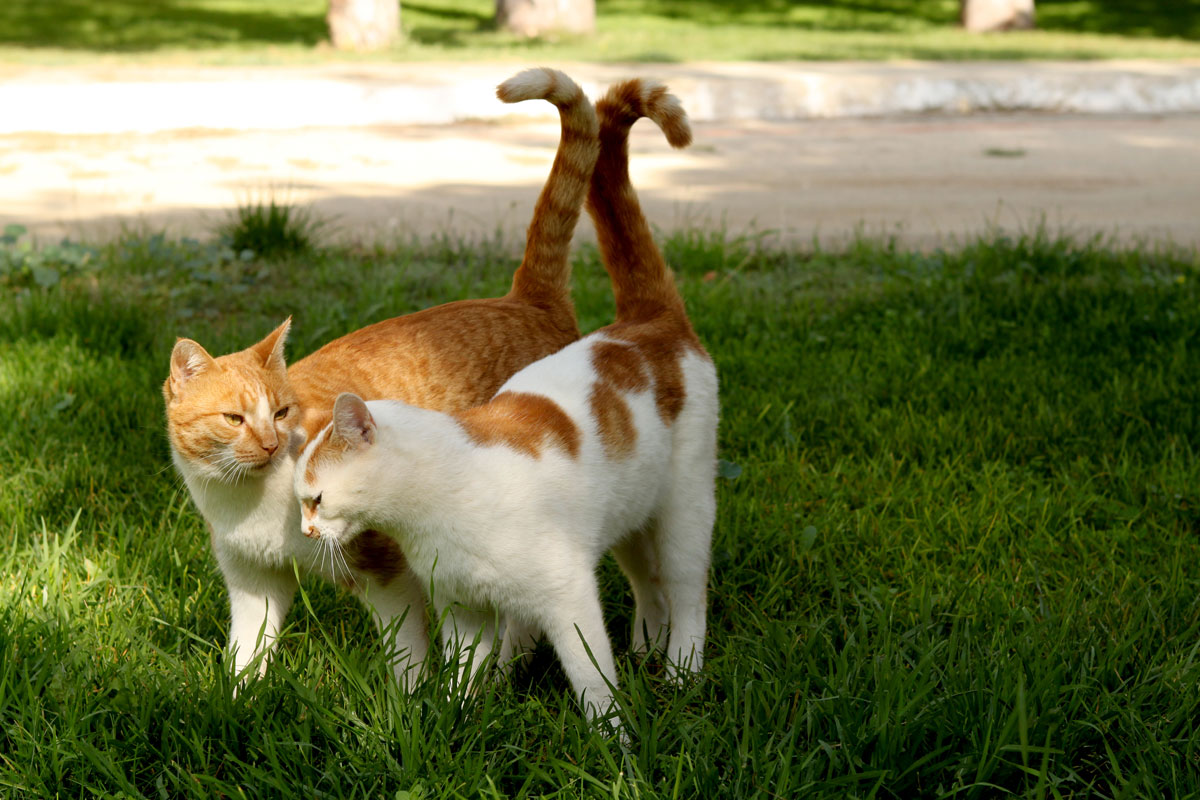
Credit: www.companionanimalpsychology.com
When Grooming Goes Beyond
Sometimes, cat grooming can cross the line from friendly bonding to behavior that signals something more. When grooming goes beyond the usual gentle licks, it might indicate stress, health issues, or social tension among your feline friends. Understanding these signs helps you know when to step in and support your cats.
Signs Of Over-grooming
Over-grooming happens when a cat licks itself or others excessively, causing skin irritation or hair loss. You might notice bald patches, redness, or scabs on their fur. This behavior can be a response to anxiety, allergies, or pain.
If you spot your cat repeatedly grooming a particular area or seem restless afterward, take note. Over-grooming is not just a grooming habit—it’s a cry for help.
Grooming As A Dominance Display
Grooming isn’t always a sign of affection. Sometimes, one cat grooms another to show dominance or control. This can look like one cat licking another more often, especially in multi-cat households.
Have you seen one cat insistently grooming a more submissive one, even when the other tries to move away? That’s a power play. Watching their body language can help you tell if it’s mutual care or a dominance display.
Factors Influencing Grooming
Grooming between cats is more than just a hygiene routine; it’s a complex social behavior influenced by several factors. Understanding what affects this interaction can help you better interpret your cats’ relationships and well-being. Let’s look at some key influences that shape how and when cats groom each other.
Age And Relationship
Age plays a big role in how cats groom each other. Younger cats often receive more grooming from older cats, especially from their mothers or close companions. This grooming helps build trust and strengthens bonds.
As cats grow older, their grooming habits may change. Senior cats might groom less due to health issues or lower energy levels. Have you noticed if your older cat still grooms its friends, or has it become more independent?
The type of relationship also matters. Cats that share a strong bond, like siblings or long-term housemates, groom each other more frequently. This behavior reinforces their social connection and reduces tension.
Environment And Stress Levels
The environment your cats live in can greatly impact grooming behavior. In calm, safe spaces, cats feel relaxed and are more likely to groom each other. If the environment is noisy or unpredictable, grooming may decrease.
Stress is a major factor. Cats under stress might avoid grooming or even stop being groomed by others. Changes like moving to a new home, introducing a new pet, or loud noises can increase stress and reduce grooming.
Watch for signs of stress in your cats, such as hiding or aggressive behavior. Encouraging a peaceful environment could help restore their grooming habits and improve their overall happiness.
How To Encourage Mutual Grooming
Encouraging mutual grooming between cats can strengthen their bond and improve their overall well-being. It’s a natural behavior that helps cats feel safe and cared for. To foster this behavior, you need to create the right environment and introduce your cats thoughtfully.
Creating A Calm Space
Your home should feel like a safe haven for your cats. Loud noises or sudden movements can stress them out and discourage grooming. Try to keep the space quiet and peaceful, especially during their interaction times.
Provide cozy spots where cats can relax together without feeling threatened. Soft blankets or cat beds placed near each other invite closeness. Have you noticed how your cats behave differently in calm versus noisy areas?
Also, avoid overcrowding the space with too many toys or distractions. A simple environment helps cats focus on each other. You might be surprised how much a quiet corner can change their behavior.
Introducing Cats Properly
Introducing cats slowly is key to encouraging grooming. Sudden meetings can cause anxiety and prevent any friendly interaction. Start by letting them sniff each other’s scent through a door or a baby gate.
Next, allow short, supervised visits where they can observe one another without pressure. Praise calm behavior and offer treats to build positive associations. Have you ever seen cats start grooming after just a few gentle meetings?
Be patient and don’t rush the process. Some cats need days or even weeks before they feel comfortable enough to groom each other. Watching their body language closely will help you know when to give them more time or when to encourage more interaction.

Credit: catcuddlezone.com
Frequently Asked Questions
Why Do Cats Groom Each Other Regularly?
Cats groom each other to strengthen social bonds and show affection. This behavior also helps keep their fur clean and free from parasites. Mutual grooming reduces stress and promotes a sense of security within the group, making it vital for their social well-being.
How Do Cats Choose Grooming Partners?
Cats typically groom close family members or trusted friends. They select partners based on trust, familiarity, and social hierarchy. Grooming reinforces alliances and reduces tension, helping maintain peaceful relationships in multi-cat households or colonies.
What Body Parts Do Cats Groom Each Other?
Cats commonly groom the head, neck, and ears of their companions. These areas are hard to reach alone. Grooming also includes the face and shoulders, helping cats stay clean and comfortable while showing care.
Can Mutual Grooming Prevent Fleas And Ticks?
Yes, mutual grooming helps remove fleas, ticks, and dirt from fur. It enhances hygiene by physically removing parasites. Grooming also spreads natural oils, protecting the skin and coat from infestations and infections.
Conclusion
Cats groom each other to build trust and stay clean. This behavior helps them share scents and bond closely. Grooming also keeps their fur free from dirt and pests. Watching cats groom shows their caring nature and social ties. Understanding this helps us appreciate how cats express friendship.
Next time you see cats grooming, remember it’s their way to connect. This simple act means a lot in their world. It shows love and teamwork among cats every day.

Leave a Reply