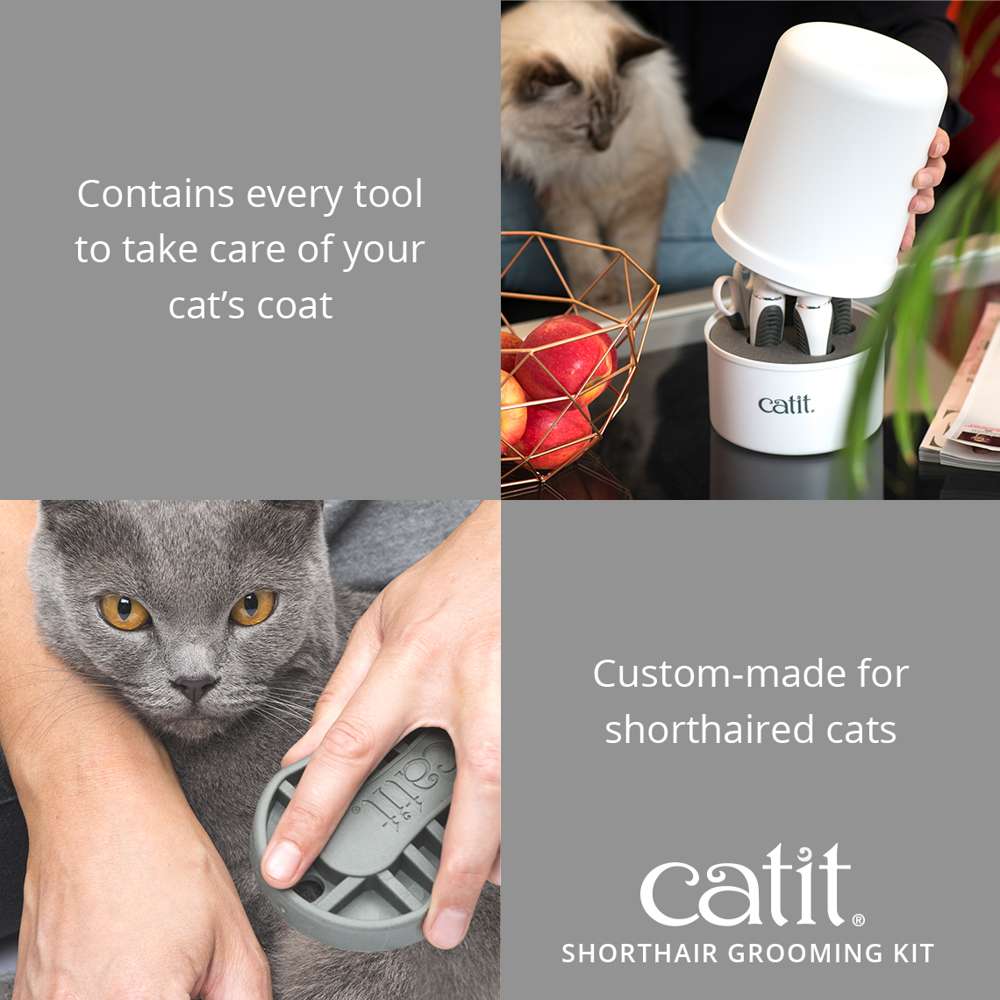
Are you wondering if your short-haired cat really needs grooming? It’s easy to think that because their fur is short, they don’t require much care.
But the truth might surprise you. Taking care of your cat’s coat is more than just keeping them looking good—it affects their health and happiness too. If you want to make sure your furry friend stays comfortable and healthy, keep reading.
You’ll discover simple grooming tips that can make a big difference for your short-haired cat.
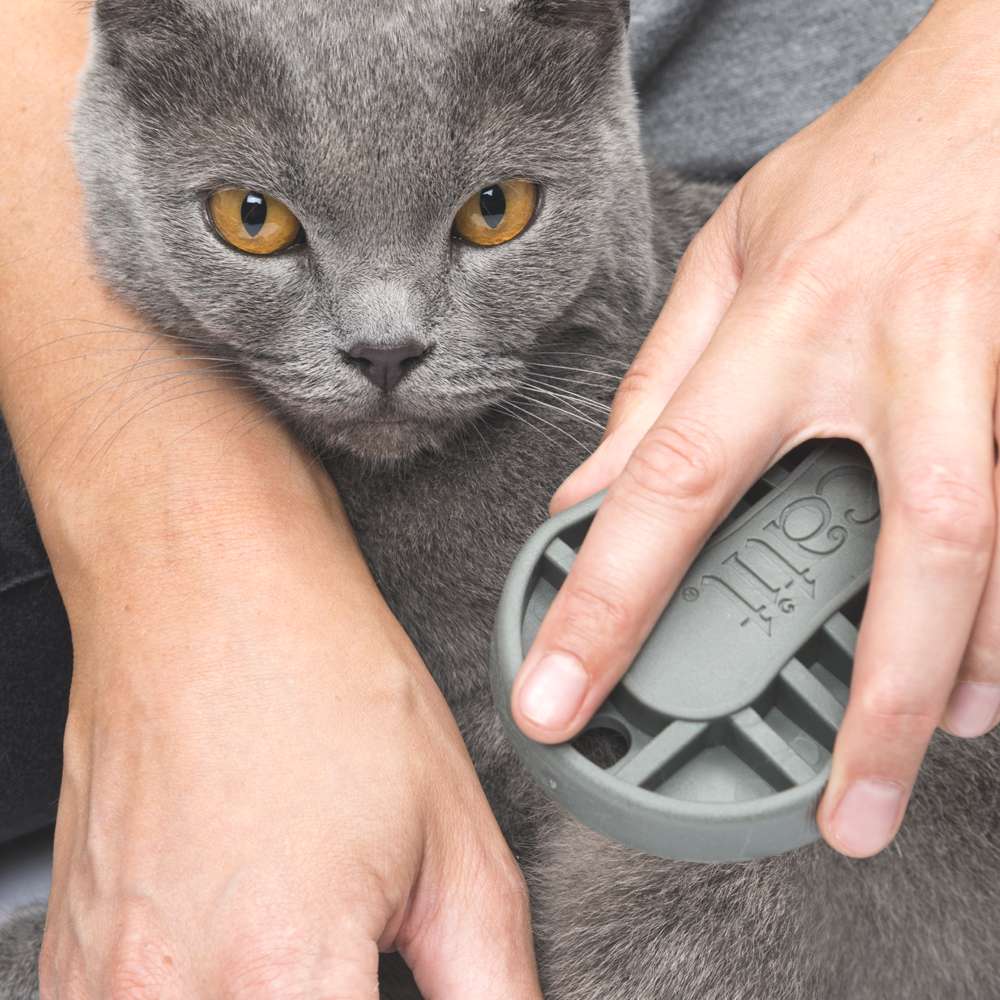
Credit: catit.ca
Short Hair Cat Grooming Basics
Short-haired cats often appear low-maintenance at first glance, but grooming plays a key role in their health and happiness. Understanding the basics of short hair cat grooming helps you spot issues early and keeps your feline friend comfortable. Let’s dive into what you really need to know to care for your short-haired cat’s coat and skin.
Why Grooming Matters
Grooming does more than just keep your cat looking neat. It removes loose fur, reducing hairballs and preventing matting—even short hair can tangle if neglected.
Regular brushing also stimulates blood flow and distributes natural oils, which keeps the coat shiny and healthy. Plus, grooming sessions are a great way to check for lumps, bumps, or parasites that might need vet attention.
Have you noticed your cat grooming less or more than usual? This can be a sign of stress or health problems worth investigating.
Common Misconceptions
Many believe short-haired cats don’t need grooming at all. While they require less effort than long-haired breeds, skipping grooming entirely can lead to skin issues and discomfort.
Another myth is that cats groom themselves enough. Although cats are fastidious, they can miss spots or have difficulty cleaning as they age or if they gain weight.
Think about how often your cat sheds and how much fur you find on your clothes. Those loose hairs need a helping hand to keep your home and your cat clean.

Credit: www.latimes.com
Benefits Of Grooming Short Haired Cats
Grooming your short-haired cat might seem unnecessary at first glance, but it offers several surprising benefits. Taking the time to groom can improve your cat’s comfort and health. It also strengthens the bond between you and your furry friend.
Reducing Shedding
Even short-haired cats shed, sometimes more than you expect. Regular brushing helps catch loose hairs before they fall onto your furniture or clothes. This simple habit keeps your home cleaner and reduces the amount of hair your cat ingests while self-grooming.
Have you noticed how much hair ends up in your vacuum? A quick daily brush can cut down on this significantly.
Preventing Hairballs
Hairballs can be a nasty surprise for both you and your cat. When cats groom themselves, they swallow loose hairs, which can form clumps in their stomach. Brushing removes much of this loose hair, lowering the chances of hairballs developing.
By spending just a few minutes grooming, you help your cat avoid uncomfortable hairball symptoms like coughing or vomiting.
Maintaining Skin Health
Grooming stimulates your cat’s skin and spreads natural oils, keeping their coat shiny and skin healthy. It also gives you a chance to check for lumps, bumps, or parasites early. Catching problems early means quicker treatment and less stress for your cat.
Have you ever found a small bump or a tick during grooming? It’s a good reminder that these moments are more than just about looks—they’re about health.
Grooming Tools For Short Hair Cats
Grooming tools make caring for short-haired cats easier and more effective. These tools help remove loose hair and keep the coat shiny. They also reduce shedding and prevent hairballs. Choosing the right tools ensures your cat stays comfortable and clean.
Brush Types
Soft-bristle brushes work well for short hair. They gently remove dirt and loose fur. Slicker brushes have fine wires to catch loose hairs. They help keep the coat smooth and healthy. Rubber brushes are good for massaging the skin. They stimulate natural oils and improve coat shine.
Combs And Gloves
Combs with wide and narrow teeth help remove tangles and loose hair. They reach deeper than brushes. Grooming gloves have rubber tips to catch shedding hair. They allow you to groom while petting your cat. Gloves are gentle and make grooming less stressful.
Nail Clippers
Nail clippers keep your cat’s claws trimmed. Short nails prevent scratching furniture and skin. Use clippers designed for cats for safety. Trim nails carefully to avoid hurting the quick. Regular nail care helps your cat stay comfortable and healthy.
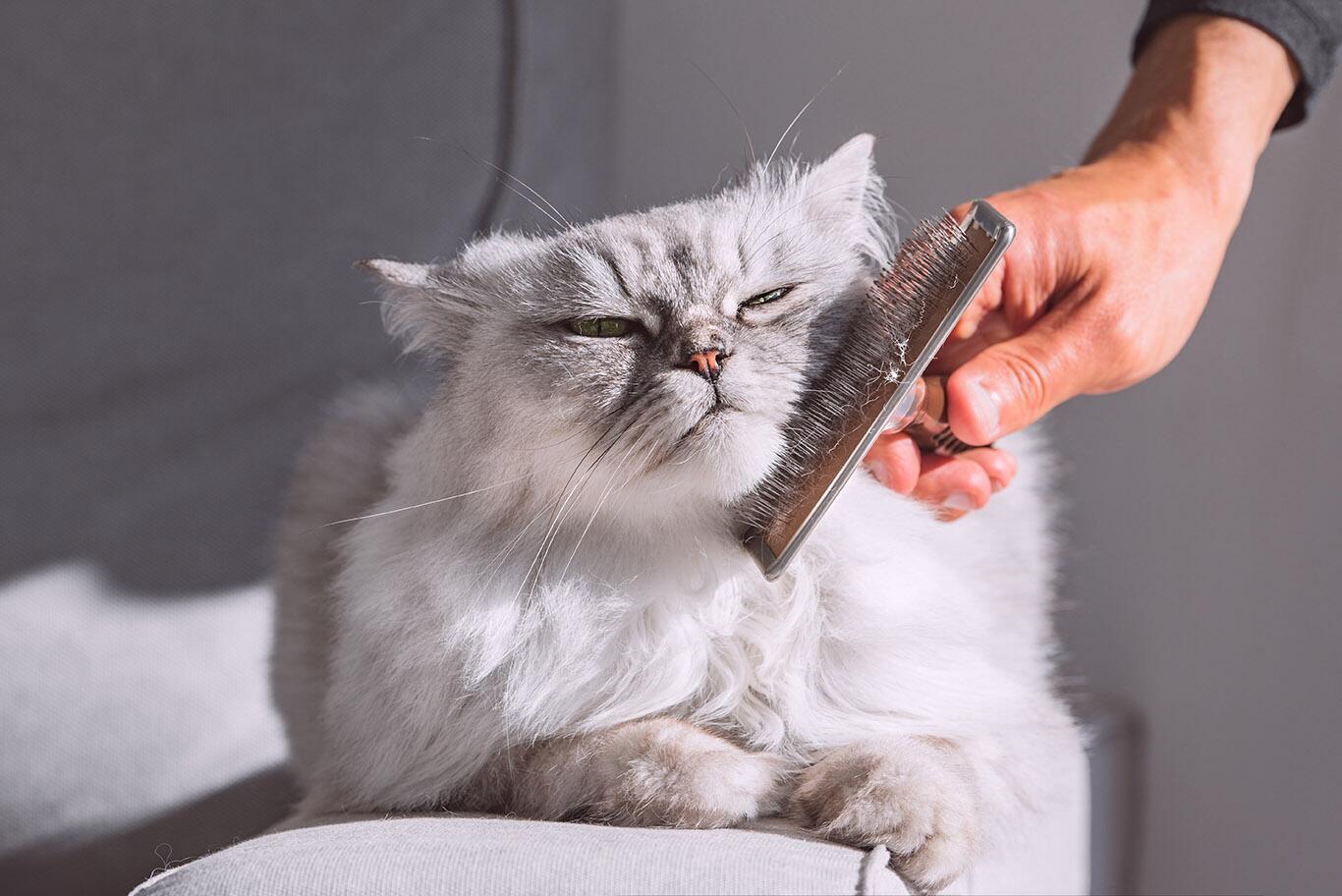
Credit: www.latimes.com
Grooming Frequency And Techniques
Short-haired cats might seem low-maintenance, but they benefit from regular grooming. Grooming helps remove loose hair and reduces shedding. It also promotes healthy skin and fur. Regular grooming sessions can strengthen the bond between you and your feline friend.
How Often To Groom
Short-haired cats need grooming once a week. This frequency helps keep their coat clean and shiny. Regular grooming prevents matting and reduces hairballs. It also allows you to check for skin issues or parasites.
Step-by-step Grooming Process
- Start with a gentle brush to remove loose fur.
- Use a comb to tackle any tangles or knots.
- Check ears for dirt and clean with a damp cloth.
- Trim nails using cat-specific clippers to avoid splitting.
- Finish by wiping fur with a damp cloth for a polished look.
Handling Grooming Resistance
Some cats may resist grooming. Start with short sessions to build trust. Use treats and praise to make the experience positive. If your cat is anxious, try grooming when they are relaxed. Patience and consistency will help your cat adjust to the routine.
Bathing Short Haired Cats
Bathing short haired cats might not be a frequent task, but it’s important to know when and how to do it properly. Unlike long-haired cats, short-haired breeds usually keep themselves clean, yet there are moments when a bath becomes necessary. Understanding the right timing, techniques, and products can make the experience smoother for both you and your feline friend.
When To Bathe
Short haired cats generally don’t need regular baths. Their natural grooming habits usually keep their coat clean and healthy. However, baths are helpful if your cat gets into something sticky, smelly, or potentially harmful.
Think about your cat’s lifestyle—do they spend time outdoors or have skin conditions? Occasional bathing can help with allergies, flea treatments, or dirt buildup. If your cat seems unusually greasy or dirty, that’s also a sign to consider a bath.
Bathing Tips
Prepare everything before starting: use lukewarm water and keep towels nearby for drying. Speak softly and move calmly to avoid stressing your cat. You can use a cup or gentle sprayer to wet the fur instead of a strong stream of water.
Focus on the body, avoiding the face and ears. Use your fingers to massage shampoo gently into the fur, then rinse thoroughly. Dry your cat promptly with a soft towel and keep them warm afterward to prevent chills.
Products To Use
Choose shampoos specifically made for cats, as human products can irritate their skin. Look for gentle, hypoallergenic formulas without harsh chemicals or fragrances. Some brands offer shampoos that target fleas, sensitive skin, or moisturizing needs.
- Avoid using dish soap or other household cleaners.
- Consider waterless or dry shampoos for quick clean-ups.
- Consult your vet if your cat has a skin condition before trying new products.
Have you noticed your cat’s reaction to baths? Sharing your experience can help others find the best way to keep their short haired cats clean and comfortable.
Health Issues Linked To Grooming
Grooming plays a crucial role in maintaining your short-haired cat’s health. Neglecting grooming can lead to several health issues that might not be obvious at first. Paying attention to grooming habits helps prevent skin problems, controls parasites, and manages allergies effectively.
Skin Problems
Even short-haired cats can develop skin issues if grooming is skipped. Dirt, dead skin cells, and oils build up and clog pores, causing irritation or infections. Regular brushing removes these impurities and helps you spot unusual bumps or redness early.
Have you ever noticed your cat scratching more than usual? This could signal a skin problem that grooming might help prevent or catch sooner. Keeping their coat clean reduces the risk of hot spots and dandruff, which can become painful if ignored.
Parasite Prevention
Parasites like fleas and ticks can hide easily in your cat’s fur, even if it’s short. Grooming helps you check for these pests before they cause serious health issues such as anemia or skin infections. Brushing also dislodges eggs and larvae, lowering the chance of infestations.
Parasite prevention is more than just using treatments; it’s about regular monitoring. When you groom your cat, you build a habit that keeps parasites in check and your cat comfortable. Have you checked under your cat’s collar or behind the ears lately?
Allergy Management
Some cats suffer from allergies that cause itchy skin or sneezing fits. Grooming helps remove allergens like pollen, dust, and dander from their fur, reducing their exposure. This can ease symptoms and improve their overall comfort.
If your cat often rubs their face or paws, allergies might be the culprit. Regular grooming sessions give you a chance to rinse away irritants and keep your home environment cleaner. How often do you groom your cat to help manage their allergies?
Grooming Tips For Different Cat Personalities
Grooming short-haired cats depends on their unique personalities. Each cat reacts differently to grooming sessions. Tailoring your approach helps keep grooming calm and effective.
Shy Or Nervous Cats
Shy cats need gentle and slow grooming. Start with short sessions to avoid stress. Use soft brushes and speak softly. Let the cat sniff tools before touching. Create a quiet space with no distractions. Reward calm behavior with treats or gentle petting. Patience is key to build trust over time.
Active And Playful Cats
Active cats may resist grooming due to high energy. Use quick, efficient strokes to finish grooming faster. Turn grooming into a game by using interactive brushes. Schedule sessions when the cat is tired after play. Keep tools handy to avoid long pauses. Praise and small treats encourage cooperation. Regular grooming helps reduce shedding and matting.
Senior Cats
Older cats need extra care during grooming. Their skin may be sensitive or dry. Use soft brushes to avoid irritation. Check for lumps, bumps, or skin changes. Groom in a warm, comfortable area to relax them. Watch for signs of discomfort and stop if needed. Frequent grooming helps maintain coat health and comfort.
Frequently Asked Questions
Do Short-haired Cats Need Regular Grooming?
Yes, short-haired cats need regular grooming to remove loose fur and reduce shedding. It also helps prevent hairballs and keeps their coat healthy.
How Often Should I Groom My Short-haired Cat?
Groom your short-haired cat once or twice a week. This frequency removes dead hair and distributes natural oils for a shiny coat.
Can Grooming Prevent Skin Problems In Short-haired Cats?
Regular grooming helps spot skin issues early. It prevents dirt buildup and reduces the risk of infections or irritations in short-haired cats.
What Grooming Tools Work Best For Short-haired Cats?
Use a soft-bristle brush or grooming glove for short-haired cats. These tools gently remove loose hair without irritating their skin.
Conclusion
Short-haired cats still need regular grooming to stay healthy. Brushing helps remove loose fur and reduce shedding. It also keeps their skin clean and prevents hairballs. Grooming strengthens the bond between you and your cat. Simple care routines make a big difference in their comfort.
Don’t skip grooming, even if their coat is short. A little effort keeps your cat happy and well. Caring for your pet’s coat shows love and attention. Small daily habits create a healthier life for your cat.


Leave a Reply