
Have you ever wondered whether dogs or cats come in more breeds? If you’re curious about which furry friend offers a wider variety of shapes, sizes, and personalities, you’re in the right place.
Understanding the difference can help you appreciate your pet’s unique traits even more. Keep reading to discover surprising facts that might change the way you see your favorite animal—and maybe even help you choose your next companion.
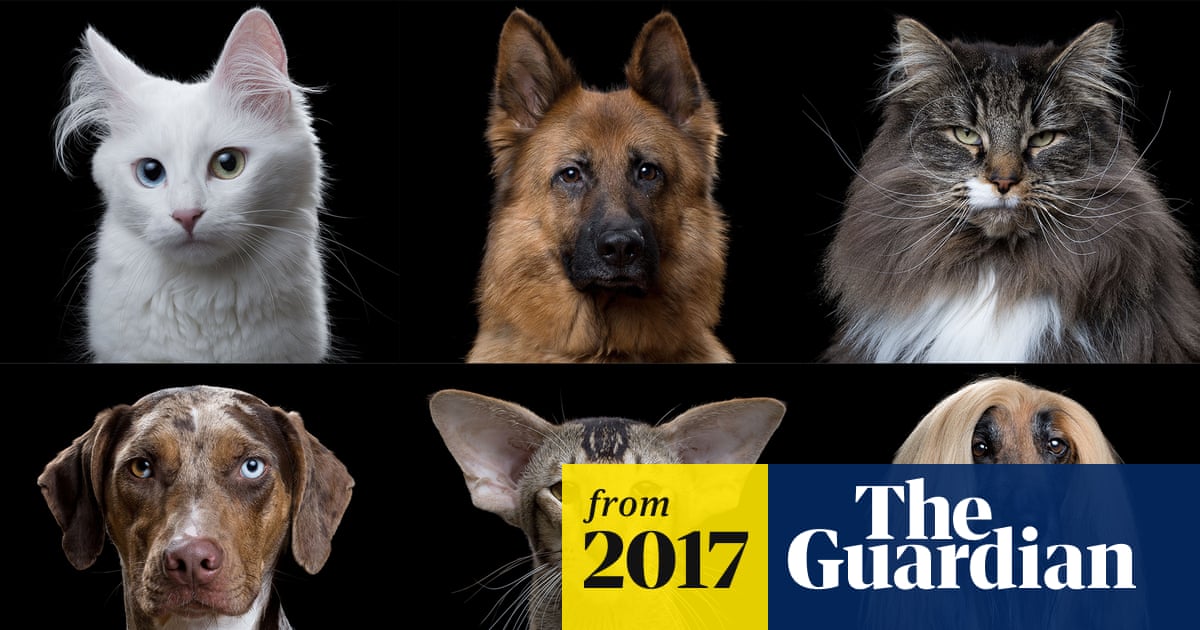
Credit: www.theguardian.com
Breed Counts Compared
Comparing the number of dog breeds to cat breeds reveals interesting differences. Both animals have diverse types, but their breed counts vary significantly. Understanding these numbers helps pet lovers appreciate the variety in each species.
Number Of Dog Breeds
Dogs have a vast number of recognized breeds worldwide. The American Kennel Club lists over 200 dog breeds. Other organizations like the Fédération Cynologique Internationale recognize even more.
This large number comes from thousands of years of breeding for specific traits. Dogs were bred for work, size, coat, and behavior. This created a wide variety of breeds suited for different tasks and climates.
Number Of Cat Breeds
Cats have fewer recognized breeds compared to dogs. The Cat Fanciers’ Association recognizes about 45 breeds. Other cat organizations list around 70 breeds worldwide.
Cats have been bred less intensively for specific traits than dogs. Most cat breeds are defined by coat patterns, colors, and slight body shape differences. Cats’ natural diversity is smaller than dogs’ due to their history.
Factors Influencing Breed Numbers
- Human breeding goals differ: dogs bred for work, cats mainly for companionship.
- Dogs have longer breeding history with humans, leading to more breeds.
- Genetic diversity is wider in dogs due to varied roles and environments.
- Cat breeding focuses more on appearance than behavior or work traits.
- Breed recognition standards vary between dog and cat organizations.
Origins Of Dog Breeds
The origins of dog breeds trace back thousands of years. Dogs evolved alongside humans. Their diversity comes from various needs and environments. Each breed has a unique story shaped by history and human choice.
History Of Dog Domestication
Dogs were the first animals to be domesticated. This happened over 15,000 years ago. Early humans tamed wolves for protection and hunting. Over time, these wolves changed into early dogs. They adapted to human life and tasks.
Different groups of people shaped dogs for specific roles. This led to many types of dogs. Each group bred dogs to fit local climates and jobs. This long process created the wide range of dog breeds today.
Purpose-driven Breeding
Breeding focused on traits that helped with specific tasks. Some dogs became hunters, others herders or guards. People selected dogs with desired skills and looks. These choices increased traits useful for work or style.
Examples include:
- Hunting dogs with strong noses and speed
- Herding dogs with intelligence and obedience
- Guard dogs with size and courage
This purposeful breeding increased breed variety. It also made dogs more suited to human needs.
Breed Classification
Dog breeds are grouped by shared traits and history. Organizations like kennel clubs classify breeds worldwide. The main groups include:
- Sporting dogs
- Hound dogs
- Working dogs
- Terriers
- Toy dogs
- Non-sporting dogs
- Herding dogs
Classification helps people understand breed traits. It guides training and care for each type. This system shows the rich variety within the dog world.
Origins Of Cat Breeds
The world of cat breeds is as mysterious as it is fascinating. While dogs often steal the spotlight with their vast array of breeds, cats offer a rich tapestry of history and evolution. Understanding the origins of cat breeds can provide insights into their unique characteristics and behaviors.
Domestication Timeline
Cats were domesticated around 9,000 years ago in the Near East. Unlike dogs, which were bred for specific tasks, cats naturally gravitated towards human settlements. Their domestication was primarily driven by their ability to control pests, rather than human intervention.
Over time, cats adapted to living closely with humans, leading to the development of distinct breeds. However, this process was much slower compared to dogs, as cats retained their wild instincts longer.
Natural Vs. Selective Breeding
Cats experienced a mix of natural and selective breeding. Early cat breeds were shaped by their environment, leading to natural variations. These variations were often the result of climate and geography.
In contrast, selective breeding gained popularity only in the past few centuries. Breeders began to intentionally select traits, leading to the creation of specific breeds like the Siamese or Persian. This shift allowed for more rapid development of distinctive features and temperaments.
Breed Categories
Today, cat breeds are generally categorized into three main groups:
- Natural Breeds:Developed without human intervention, these include breeds like the Maine Coon and the Norwegian Forest Cat.
- Hybrid Breeds:These result from crossing domestic cats with wild species, such as the Bengal.
- Established Breeds:These are selectively bred for specific traits, like the Sphynx or Scottish Fold.
Each category offers unique traits and characteristics. Have you ever wondered which category your furry friend falls into?
Understanding the origins of cat breeds not only enriches your knowledge but also enhances your connection with your pet. The next time you observe your cat’s behavior, think about the historical tapestry that shaped those traits.

Credit: worldanimalfoundation.org
Breed Diversity And Traits
Breed diversity and traits reveal a lot about how dogs and cats differ beyond just appearance. Understanding these differences helps you choose a pet that fits your lifestyle and personality. The variety in breeds also shows how humans have shaped these animals for specific roles and environments.
Physical Characteristics In Dogs
Dogs come in an astonishing range of sizes and shapes. From tiny Chihuahuas weighing just a few pounds to massive Great Danes that can tower over you, the diversity is striking.
Coat types vary widely too—smooth, curly, long, or wiry. Colors and patterns can be solid, spotted, or mixed, adding to their uniqueness.
Think about your own experience with dogs. Have you noticed how different a Border Collie looks compared to a Bulldog? These physical traits often link to the breed’s original purpose, like herding or guarding.
Physical Characteristics In Cats
Cats have less extreme physical variety compared to dogs but still show notable differences across breeds.
Size ranges from the small Singapura to the large Maine Coon. Fur length and texture also vary, from the sleek Siamese to the fluffy Persian.
Cat colors and patterns include solid, tabby, calico, and pointed. These features may not be as pronounced as in dogs, but they still help define each breed’s identity.
Behavioral Differences Across Breeds
Behavioral traits vary more in dogs than in cats. Dogs often display breed-specific behaviors tied to their original jobs, such as retrievers loving to fetch or terriers being energetic diggers.
Cats tend to have more subtle behavioral differences. Some breeds like the Siamese are highly vocal and social, while others like the British Shorthair are more reserved.
Have you noticed how your dog’s breed influences their energy levels and social needs? Understanding these behavioral traits can improve how you train and bond with your pet.
Breed Recognition Organizations
Breed recognition organizations play a key role in defining and standardizing what makes each dog or cat breed unique. These groups set the rules and guidelines that breeders follow to maintain breed purity. Understanding these organizations helps you see why dogs have many more officially recognized breeds than cats.
Major Dog Breed Registries
Dog breed registries are numerous and global, reflecting the long history of dog breeding across cultures. The American Kennel Club (AKC) is one of the most well-known, recognizing over 190 breeds. Similarly, the United Kennel Club (UKC) and the Fédération Cynologique Internationale (FCI) each maintain extensive breed lists worldwide.
These organizations not only register breeds but also hold dog shows and competitions that promote breed standards. This encourages breeders to maintain specific traits, leading to a wide variety of distinct dog breeds. Have you ever noticed how different a Border Collie looks and behaves compared to a Bulldog? These registries help keep those differences clear and consistent.
Major Cat Breed Registries
Cat breed registries are fewer and generally recognize fewer breeds compared to dog registries. The Cat Fanciers’ Association (CFA) recognizes around 44 breeds, while The International Cat Association (TICA) lists close to 70. These numbers are significantly smaller than dog breed lists.
Cat breed standards often focus on coat patterns, colors, and temperament rather than physical structure alone. This narrower scope means fewer distinct breeds get official recognition. If you’ve ever met a Siamese cat and a Maine Coon, you’ve seen the range—but it’s still less extensive than what dogs offer.
How Breeds Get Recognized
Recognition of a new breed is a detailed and often lengthy process. Breeders must provide proof that the breed consistently produces specific traits over several generations. This involves submitting detailed pedigrees, health records, and sometimes genetic testing.
Breed clubs often form to support new breeds and push for recognition by major organizations. Without such clubs, it’s tough for a breed to gain official status. Think about how much dedication it takes to raise dogs or cats that meet strict standards before an organization even considers recognizing them.
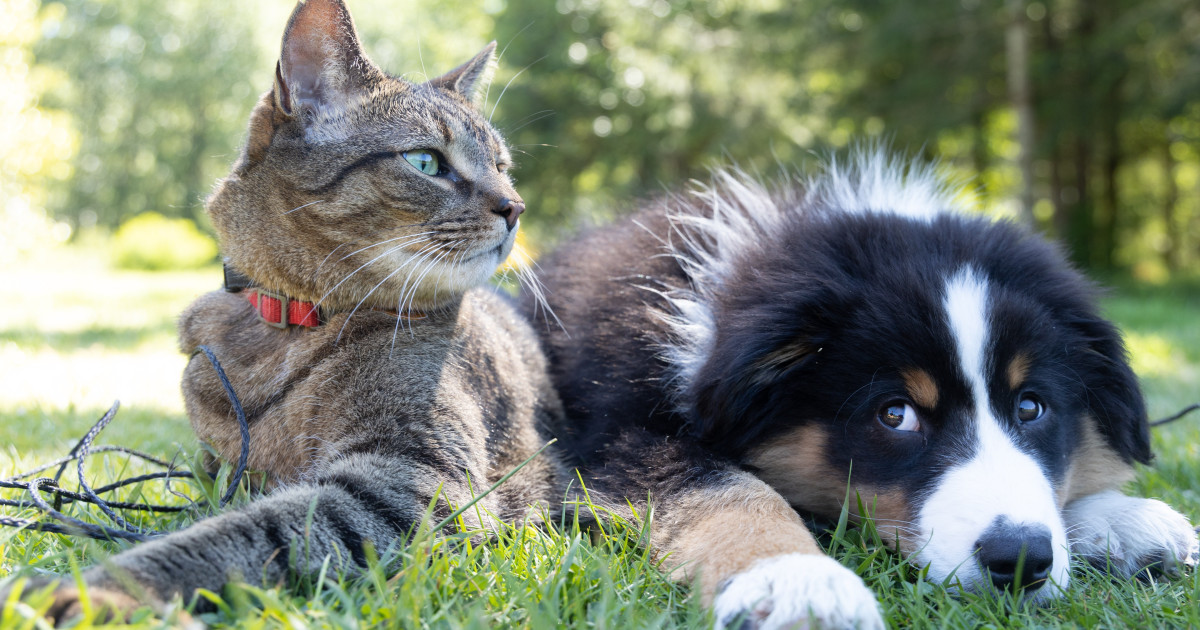
Credit: pethelpful.com
Surprising Breed Facts
Discovering surprising facts about dog and cat breeds can change how you view your furry friends. There’s more variety in both species than you might think. This section reveals some of the rarest breeds and the unusual traits that make them stand out.
Rare Dog Breeds
Did you know some dog breeds are so rare that you might never see one in person? The Norwegian Lundehund, for instance, has extra toes and incredible flexibility to climb cliffs. Another rare breed, the Azawakh, is known for its slim build and speed, originally bred by nomads in Africa.
These dogs often have unique histories and special needs. If you encounter one, it’s a chance to learn about how diverse dog breeds really are. Would you be interested in caring for a dog with such uncommon traits?
Rare Cat Breeds
Cats also have their share of rare breeds. The Sokoke cat, native to Kenya, has a distinct spotted coat that looks like it belongs in a rainforest. Another rare feline, the Kurilian Bobtail, is famous for its short, fluffy tail and excellent hunting skills.
These breeds often come with unique personalities and care requirements. Knowing about them might inspire you to look beyond common breeds when choosing a pet. Have you ever thought about adopting a cat that’s truly one of a kind?
Unusual Breed Traits
Breed traits can be surprising and sometimes quite practical. For example, the Basenji dog is known as the “barkless dog” because it makes yodel-like sounds instead of typical barking. On the cat side, the Scottish Fold has ears that fold forward, giving it a distinctive appearance and a gentle temperament.
These traits affect how the animals behave and interact with their owners. Understanding these can help you decide which breed fits your lifestyle best. What unique trait would you want in your next pet?
Frequently Asked Questions
Do Dogs Have More Breeds Than Cats?
Yes, dogs have significantly more breeds than cats. There are over 340 recognized dog breeds worldwide. In comparison, cats have around 70 recognized breeds. This diversity in dogs is due to extensive breeding for various traits and functions.
Why Do Dogs Have More Breed Variety Than Cats?
Dogs have been selectively bred for specific tasks like herding, hunting, and guarding. This selective breeding increased their breed variety. Cats were mainly bred for companionship, resulting in fewer breeds. Thus, functional needs drove the greater diversity in dog breeds.
How Many Cat Breeds Exist Compared To Dogs?
There are about 70 recognized cat breeds globally. In contrast, dog breeds number over 340. This difference reflects dogs’ long history of diverse working roles. Cats have fewer breeds because their breeding focused on appearance and personality.
Are Dog Breeds More Diverse Than Cat Breeds?
Yes, dog breeds show more diversity in size, shape, and behavior. Cat breeds tend to have less variation, focusing on coat patterns and colors. This diversity in dogs results from breeding for various practical purposes over centuries.
Conclusion
Dogs have more breeds than cats, and this is clear. Each dog breed shows unique traits and sizes. Cats have fewer breeds but show great variety too. Both animals make wonderful pets with special qualities. Choosing between them depends on your lifestyle and preference.
Understanding breed differences helps in making better pet choices. Both dogs and cats bring joy and companionship. The diversity in dog breeds is truly impressive. Cats offer charm with fewer but distinct breeds. Both animals deserve love and care from us.



Leave a Reply