Have you ever wished your cat could take better care of its own grooming? Imagine less hair on your clothes and a happier, healthier pet who feels great every day.
Teaching your cat to groom itself might sound tricky, but with the right steps, you can help your furry friend develop good habits that last a lifetime. In this guide, you’ll discover simple, effective tips that make grooming easier for both you and your cat.
Ready to see your cat shine from head to tail? Keep reading to learn how!

Credit: paw-swing.com
Benefits Of Self-grooming
Teaching your cat to groom itself offers many benefits. It helps keep your cat clean and healthy. Self-grooming also improves your cat’s mood and behavior. It reduces the time and effort you spend on grooming. These benefits support a happier, healthier pet and a smoother owner experience.
Health Advantages
Self-grooming helps remove dirt and loose fur. It prevents skin infections and matting. Grooming also spreads natural oils across the coat. This keeps fur shiny and soft. Cats that groom themselves often have fewer health problems. Their skin stays healthier and more comfortable.
Behavioral Improvements
Grooming is a natural stress reliever for cats. It helps calm them during anxious moments. Cats that groom regularly tend to be more relaxed. Grooming also boosts their confidence and reduces bad behaviors. A calm cat is a happy cat.
Reduced Grooming Effort For Owners
When cats groom themselves, owners spend less time brushing. It cuts down on hairballs and shedding around the house. Owners avoid frequent baths and cleaning sessions. Teaching self-grooming means less hassle and more free time. It is a win for both cats and owners.
Recognizing Grooming Behaviors
Recognizing grooming behaviors helps you understand your cat’s self-care habits. Cats groom themselves to stay clean and healthy. Watching these behaviors can reveal if your cat is grooming properly or needs help.
Normal Grooming Patterns
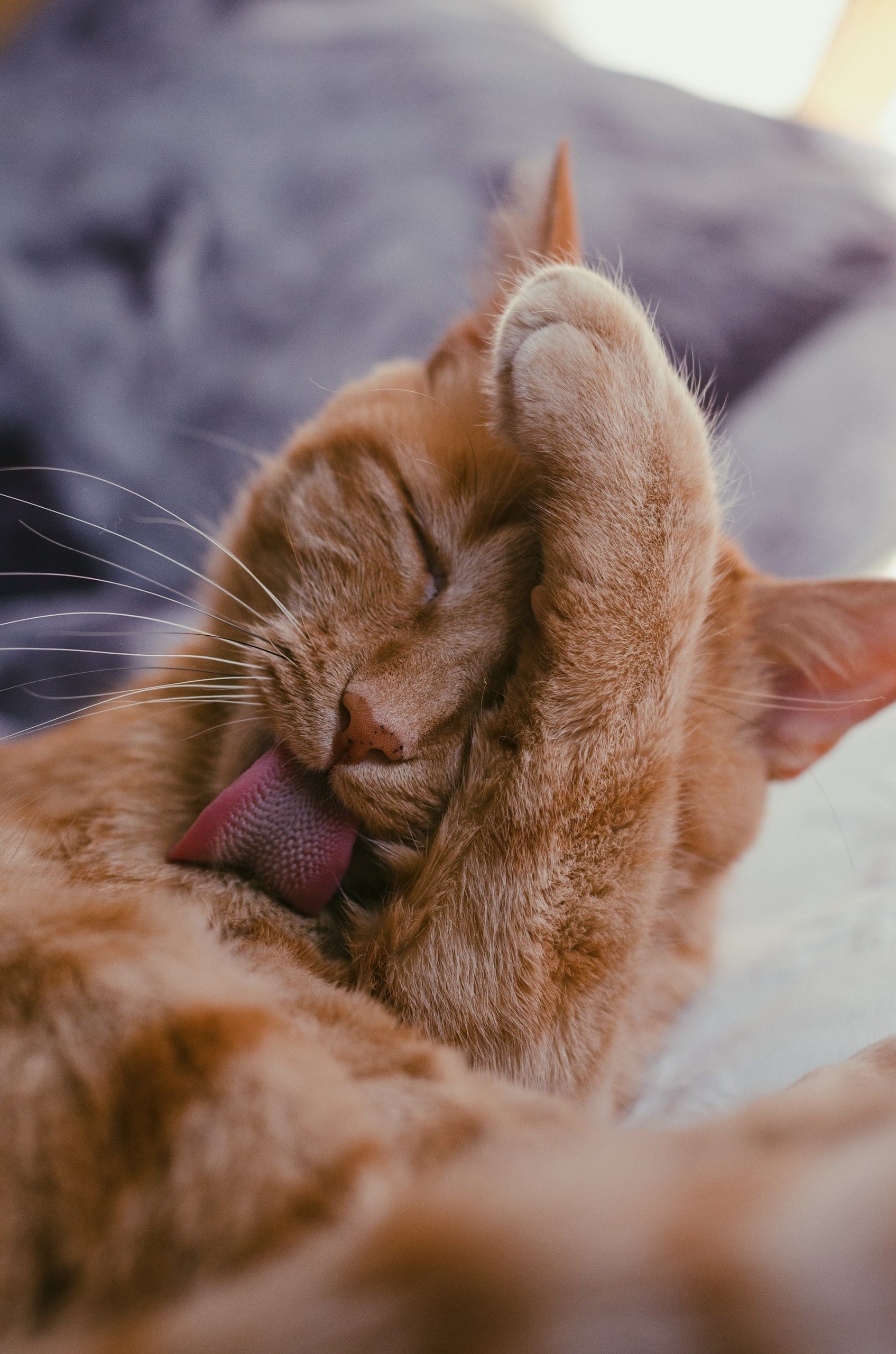
Cats usually groom several times a day. They lick their fur to remove dirt and loose hair. Grooming often involves:
- Licking front paws and rubbing them on the face
- Cleaning ears and neck areas
- Using their tongue to smooth fur
- Stretching and grooming after naps
These actions keep their coat shiny and skin healthy. Grooming also calms cats and reduces stress.
Signs Of Grooming Issues
Watch for changes in grooming habits. Problems may include:
- Excessive licking or biting of certain spots
- Bald patches or scabs on the skin
- Mattes or tangled fur that won’t smooth out
- Bad odor or oily coat
- Reluctance to groom or appear dirty
These signs can indicate stress, skin problems, or illness. Early detection helps keep your cat healthy.
Creating A Grooming-friendly Environment
Create a calm space with soft lighting and quiet sounds to help your cat feel safe. Provide clean brushes and gentle tools nearby for easy grooming practice. A stress-free area encourages your cat to learn self-grooming naturally.
Creating a grooming-friendly environment helps your cat feel comfortable. Cats are naturally clean animals. They usually groom themselves, but some need guidance. A supportive environment encourages them to groom more frequently. Below are some tips to create this setting.Providing Proper Tools
Start by gathering the right grooming tools. A soft brush is essential. It removes loose fur gently. Choose a comb for tangles, especially if your cat has long hair. Use a nail clipper designed for cats. It keeps their claws neat. Regular grooming tools help your cat adapt to grooming routines.Setting A Comfortable Space
Create a calm grooming area. Choose a quiet corner with little distractions. Ensure the space is clean and safe. Place a soft mat or towel for comfort. This spot should be familiar and welcoming. Your cat will associate it with positive experiences. A comfortable space makes grooming a pleasant routine.Encouraging Grooming Habits
Encouraging your cat to groom itself not only helps keep it clean but also strengthens your bond. Cats naturally groom, but some may need a little nudge to develop good habits. By gently guiding your cat, you can promote self-care that lasts a lifetime.
Using Positive Reinforcement
Reward your cat immediately when you notice it grooming. A small treat or gentle praise can motivate your cat to repeat the behavior.
Try to catch those moments when your cat starts licking or cleaning itself. Then, offer a favorite snack or soft petting to create a positive connection with grooming.
Have you noticed how your cat reacts to treats? Use that to your advantage by timing rewards precisely after grooming sessions. This shows your cat that self-care leads to good things.
Establishing A Routine
Cats thrive on routine. Pick consistent times each day to encourage grooming, such as after meals or playtime.
Use gentle reminders like brushing or soft strokes before your cat begins its grooming. This helps your cat associate these moments with relaxation and care.
Try setting a daily schedule and observe how your cat responds. Does it start grooming more regularly? Consistency can make grooming a natural part of your cat’s day.
Helping Cats Overcome Grooming Challenges
Helping cats overcome grooming challenges requires patience and understanding. Some cats may feel scared or stressed by grooming. Others might struggle due to age or weight. Supporting your cat gently can make a big difference. Creating a calm environment helps them feel safe. Recognizing their limits prevents frustration and builds trust. Let’s explore ways to assist cats facing grooming difficulties.
Addressing Fear And Anxiety
Fear often stops cats from grooming well. Loud noises or sudden movements can cause stress. Use a soft voice and slow actions around your cat. Offer treats and praise during grooming sessions. Create a quiet, cozy space where your cat feels secure. Avoid forcing grooming; let your cat take breaks. Using calming sprays or pheromones may reduce anxiety.
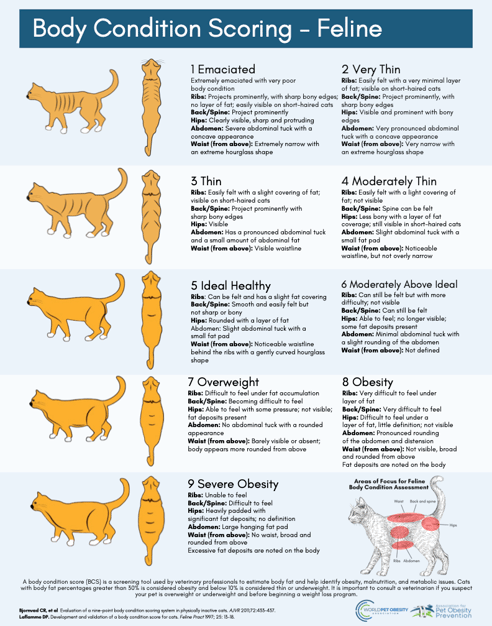
Dealing With Overweight Or Elderly Cats
Overweight cats may find grooming hard due to limited flexibility. Elderly cats often have weaker muscles and joints. Help by gently brushing areas they can’t reach. Use a soft brush to avoid hurting sensitive skin. Make grooming sessions short but frequent. Watch for signs of discomfort or pain. Consult a vet for advice on special grooming tools or routines.
Credit: pethelpful.com
When To Seek Veterinary Advice
Knowing when to seek veterinary advice is crucial while teaching your cat to groom itself. Some issues may seem minor but could signal deeper health problems. Recognizing the right time to consult a vet can save your cat discomfort and prevent more serious conditions.
Signs Of Skin Problems
Watch for redness, swelling, or sores on your cat’s skin. Persistent scratching or biting at certain spots often indicates irritation or infection. If you notice flaky patches, hair loss, or unusual lumps, these are clear signs your cat needs professional care.
Keep an eye on any changes in your cat’s coat too. A dull or greasy fur can mean underlying issues like allergies or parasites. If regular grooming doesn’t improve your cat’s skin condition, it’s time to visit the vet.
Behavioral Changes Related To Grooming
Has your cat suddenly stopped grooming itself or is over-grooming certain areas? Both changes can point to physical or emotional problems. You might see your cat hiding more or acting restless, which often accompanies discomfort from grooming difficulties.
Notice if your cat shows signs of pain when you touch them or tries to avoid you during grooming sessions. These behaviors suggest something is wrong beyond simple laziness or fussiness. Asking your vet can help identify issues like arthritis or anxiety affecting your cat’s grooming habits.
Credit: www.preventivevet.com
Frequently Asked Questions
How Can I Encourage My Cat To Groom Itself?
Provide a clean, calm environment and regular grooming sessions. Reward your cat with treats and praise to build positive habits. Use gentle brushing to help your cat feel comfortable and encourage self-grooming.
What Tools Help Teach Cats To Groom Properly?
Use soft brushes, grooming gloves, and combs designed for cats. These tools stimulate grooming instincts and make the process enjoyable. Regular use helps cats become familiar with grooming routines.
How Long Does It Take For Cats To Learn Self-grooming?
Most cats naturally groom themselves from a young age. Teaching takes patience and consistency, usually a few weeks. Regular positive reinforcement speeds up the learning process.
Can Grooming Prevent Health Problems In Cats?
Yes, grooming removes dirt, loose hair, and prevents matting. It reduces the risk of skin infections and hairballs. Regular grooming supports overall cat health and comfort.
Conclusion
Teaching your cat to groom itself takes time and patience. Start with small steps and praise often. Cats learn best in calm and safe settings. Watch your cat’s comfort and adjust your approach. Regular grooming helps your cat stay clean and healthy.
Your care builds trust and makes grooming easier. Keep routines simple and consistent every day. Enjoy the bonding moments while helping your cat. Small efforts lead to big rewards in your cat’s health. Keep practicing, and your cat will feel more confident.


Leave a Reply