If you have a playful cat at home, you’ve probably noticed how much they love feather toys. But have you ever stopped to wonder, can cats safely eat feather toys?
It’s a question every cat owner should ask. Understanding the risks and benefits can protect your furry friend from harm. Keep reading to discover what you need to know to keep your cat happy and safe while playing.
Credit: www.barkandwhiskers.com
Feather Toys And Cats
Feather toys have long been a favorite among cat owners looking to keep their furry friends entertained and active. These toys tap into a cat’s natural hunting instincts, providing both mental stimulation and physical exercise. But what exactly makes feather toys so irresistible to cats, and what types are available for you to try at home?
Why Cats Love Feather Toys
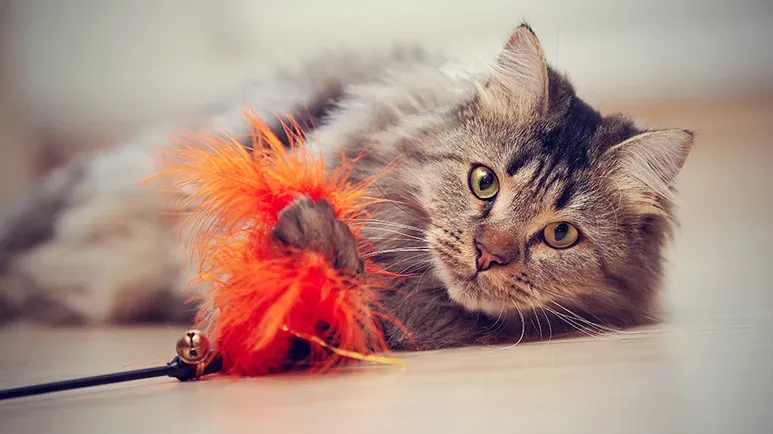
Cats are natural hunters, and feathers mimic the movement and texture of birds, a common prey. This triggers their predatory instincts, encouraging stalking, pouncing, and batting behaviors. You might notice your cat’s eyes light up and their focus sharpen when you wave a feather toy around.
Many cat owners, myself included, have seen how a simple feather wand can turn a lazy afternoon into a mini workout session for their cat. The unpredictability of the feather’s fluttering motion keeps your cat engaged and curious. Have you noticed how even the most aloof cats can’t resist chasing feathers?
Common Types Of Feather Toys
- Feather Wands:Long sticks with feathers attached at the end, perfect for interactive play that strengthens your bond.
- Feather Balls:Small balls covered in feathers that cats can bat around and chase independently.
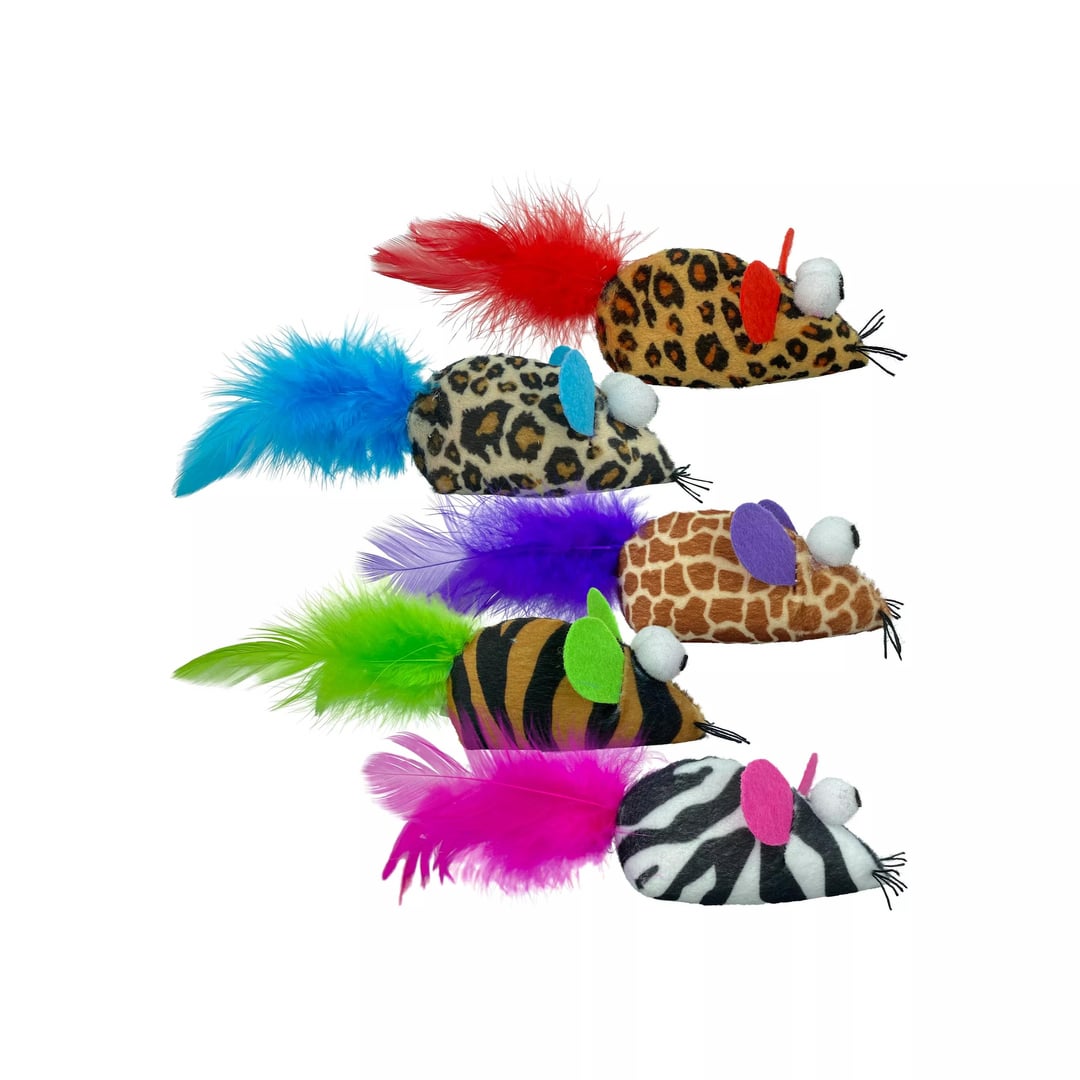
- Feather Mice:Plush toys with feather tails, combining soft textures with the allure of feathers.
- Catnip Feather Toys:Feather toys infused with catnip to increase attraction and excitement.
Each type offers a slightly different experience for your cat. Feather wands allow you to control the game, while feather balls and mice offer solo entertainment. Have you tried mixing these types to see which your cat prefers?
Health Risks Of Feather Toys
Feather toys can seem like the perfect plaything for your cat, but they carry hidden health risks you should know about. These toys might look harmless, but they can lead to serious problems if your cat chews off and swallows the feathers or other parts. Understanding these risks can help you make safer choices for your furry friend’s playtime.
Choking Hazards
Feathers and small parts can easily break off during play. If your cat swallows these pieces, they could get stuck in the throat, causing choking. Cats often get excited during play and may not chew carefully, increasing this risk.
Have you ever noticed your cat coughing or pawing at their mouth after playing? These signs might mean something is stuck and you should act quickly to prevent a serious emergency.
Digestive Issues
Swallowed feathers don’t always pass smoothly through the digestive system. They can cause blockages or irritation in your cat’s stomach or intestines. This may lead to vomiting, loss of appetite, or even require surgery in severe cases.
Watch for signs like repeated vomiting or lethargy after play sessions. Your cat might be trying to tell you that something isn’t right inside.
Allergic Reactions
Some cats are sensitive to feathers or the dyes used in feather toys. Exposure can cause itching, redness, or swelling around the mouth or paws. In rare cases, it can even trigger respiratory issues like sneezing or coughing.
If your cat starts scratching more or seems irritated after playing, consider whether feather toys might be the cause. Switching to hypoallergenic alternatives could improve their comfort significantly.
Safety Tips For Feather Toys
Cats should not eat feather toys as swallowing feathers can cause choking or stomach problems. Always supervise playtime and choose safe, sturdy toys to protect your pet. Regularly check toys for damage to avoid accidental ingestion.
Feather toys can provide endless fun for cats. But safety is crucial to prevent harm. This guide offers essential safety tips for these popular playthings.Choosing Safe Feather Toys
Select toys made from durable materials. Avoid sharp or loose parts. Ensure the feathers are securely attached. Opt for non-toxic materials to protect your cat’s health. Check labels for safety certifications.Supervised Playtime
Always supervise your cat during play. Remove toys if they show signs of wear. Supervision prevents ingestion of small parts. It also ensures a safer play environment. Engage with your cat to make playtime interactive.Inspecting Toys Regularly
Regularly check toys for damage. Look for frayed edges or missing parts. Replace damaged toys immediately. This prevents potential choking hazards. Keeping toys in good condition ensures a safe play experience.Alternatives To Feather Toys
Feather toys can be risky for cats if swallowed. Many cat owners seek safer options to keep their pets happy and healthy. Several alternatives provide fun and safe play without the dangers of loose feathers. These alternatives also help satisfy your cat’s hunting instincts and keep them active.
Non-toxic Cat Toys
Choose toys made from safe, non-toxic materials. Look for products labeled specifically for cats. Common materials include soft rubber, felt, and natural fibers. These toys reduce the risk of poisoning or choking.
- Rubber balls
- Felt mice
- Cotton or wool balls
- Catnip-filled toys
Diy Safe Toys
Make your own toys at home using simple, safe items. Use clean paper, fabric scraps, or cardboard. Avoid small parts that can break off and be swallowed. Homemade toys can be fun and budget-friendly.
- Paper balls from recycled paper
- Fabric strips tied into knots
- Cardboard boxes for hiding and pouncing
- Empty toilet paper rolls as tunnels
Interactive Play Options
Engage your cat with interactive toys that encourage movement. Use wand toys with ribbons or soft ends. Laser pointers can also stimulate chasing instincts safely. Rotate toys often to keep your cat interested.
- Wand toys with ribbons or feathers (securely attached)
- Laser pointers used briefly
- Automated moving toys
- Puzzle feeders for mental stimulation
Expert Advice On Feather Toys
Feather toys are popular for cat playtime. They mimic birds and trigger hunting instincts. Experts share key advice on their safe use. Understanding this helps keep cats happy and safe during play.
Veterinarian Recommendations
Veterinarians advise close supervision when cats play with feather toys. Feathers can come loose and cause choking or digestive problems. Choose sturdy toys with securely attached feathers. Regularly inspect toys for damage and replace if worn out. Avoid toys with small parts that cats can swallow.
Behavioral Insights
Feather toys stimulate a cat’s natural hunting behavior. They encourage exercise and mental engagement. Some cats may bite or swallow feathers out of excitement. This can lead to health issues. Observing your cat’s play style helps decide if feather toys suit them. Rotate toys to keep interest high and reduce boredom.
When To Avoid Feather Toys
Do not use feather toys with kittens under six months old. Their teeth and digestive systems are delicate. Avoid if your cat has a history of eating non-food items. Feather toys can worsen this behavior. Skip feather toys if your cat shows signs of allergies or skin irritation. Always prioritize your cat’s safety and comfort.

Credit: www.amazon.ca

Credit: www.amazon.ca
Frequently Asked Questions
Can Cats Safely Chew On Feather Toys?
Cats can chew feather toys, but supervision is essential. Swallowed feathers may cause choking or digestive issues. Always check toys for loose parts and replace damaged ones to keep your cat safe during playtime.
Are Feather Toys Harmful If Ingested By Cats?
Ingesting feathers can cause blockages or stomach upset in cats. Small amounts might pass, but large pieces risk serious health problems. Consult a vet immediately if your cat swallows feathers.
How Do Feather Toys Benefit A Cat’s Health?
Feather toys stimulate hunting instincts and provide mental exercise. They encourage physical activity, reducing boredom and stress. These toys help keep cats agile and entertained, promoting overall well-being.
What Materials Are Safer Than Feather Toys For Cats?
Soft plush, rubber, and fabric toys are safer alternatives. These materials reduce choking risks and are durable for rough play. Choose toys designed specifically for cats’ safety and enjoyment.
Conclusion
Cats enjoy feather toys for fun and exercise. Keep an eye on small feathers that may come loose. Swallowing feathers can cause choking or stomach issues. Choose sturdy toys made for cats to stay safe. Always check toys regularly for damage or wear.
Let your cat play but watch closely to prevent harm. Safe play helps keep your cat happy and healthy. Feather toys can be great if used with care. Your cat will thank you for safe and fun playtime.

Leave a Reply