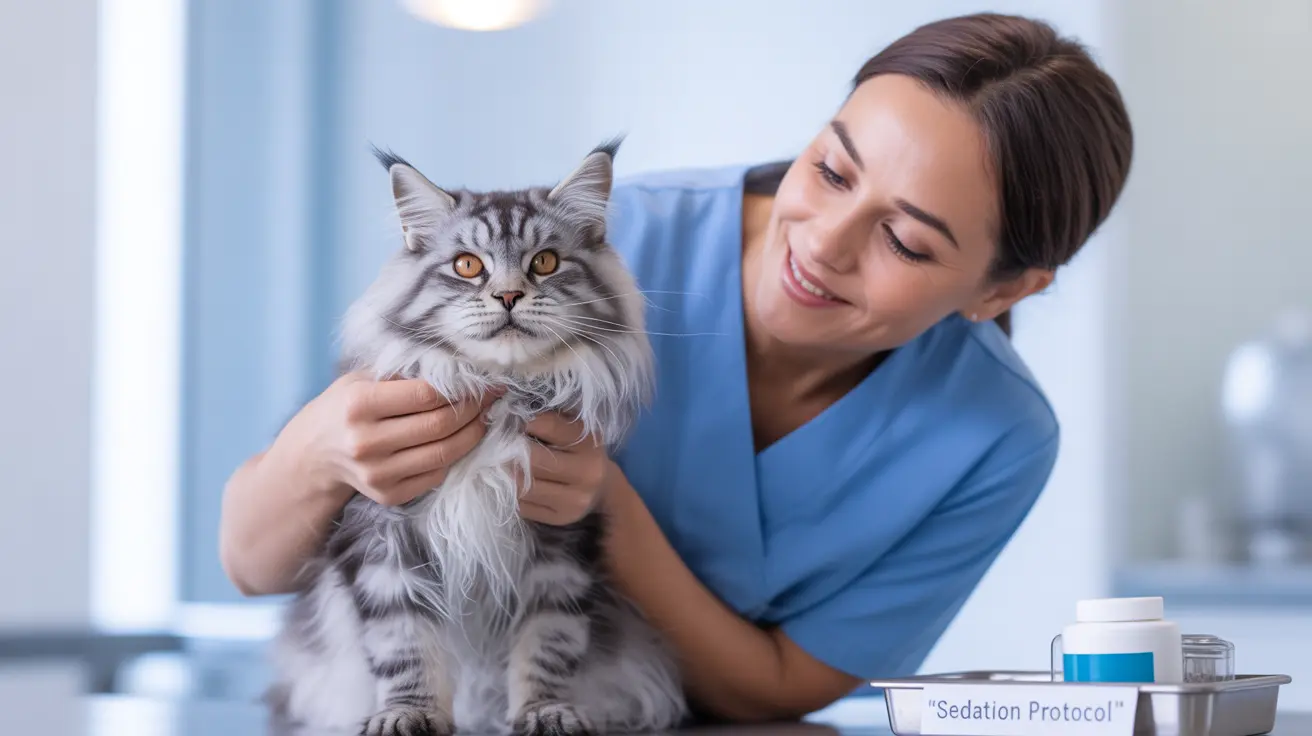
Grooming your cat can be a real challenge, especially when they’re anxious or restless. You want to keep your furry friend calm and safe, but how can you do that without a trip to the vet?
If you’ve ever asked yourself, “How can I sedate my cat at home for grooming? ” You’re not alone. Finding gentle, effective ways to relax your cat during grooming can make a huge difference for both of you. You’ll discover practical tips and safe methods to help your cat stay calm, making grooming easier and less stressful.
Keep reading to learn how to create a peaceful grooming experience for your beloved pet.
Reasons To Sedate Cats For Grooming
Grooming your cat is essential for their health and comfort, but sometimes it’s not an easy task. Some cats get extremely anxious or aggressive during grooming, making the experience stressful for both of you. Sedating your cat at home can help manage these challenges safely, ensuring grooming is done properly without causing harm or distress.
Common Grooming Challenges
Many cats resist grooming due to fear or past negative experiences. They might scratch, bite, or run away, which puts both the cat and owner at risk of injury. Cats with thick fur or mats can be particularly difficult to groom because brushing or cutting tangled hair can be painful for them.
Some cats have medical conditions like arthritis or skin sensitivity that make grooming uncomfortable. Others become so stressed that grooming triggers behavioral issues, leading to avoidance or aggression. Have you ever struggled to trim your cat’s nails because they just wouldn’t stay still? You’re not alone.
Benefits Of Sedation
Sedation helps calm your cat, making grooming safer and more comfortable. It reduces anxiety and movement, allowing you to groom more thoroughly without rushing or causing discomfort. This can prevent injuries from scratches or bites and avoid accidental cuts on the cat’s skin.
When your cat is relaxed, you can focus on removing mats, trimming nails, or cleaning ears effectively. Sedation also helps cats with medical issues tolerate grooming sessions that might otherwise be too painful. Imagine being able to groom your cat calmly at home, saving trips to the vet or professional groomer.
Is sedation the right choice for your cat? Consider how stressful grooming is for both of you and whether sedation could improve the experience safely. Remember, it’s always important to consult your vet before sedating your cat at home.
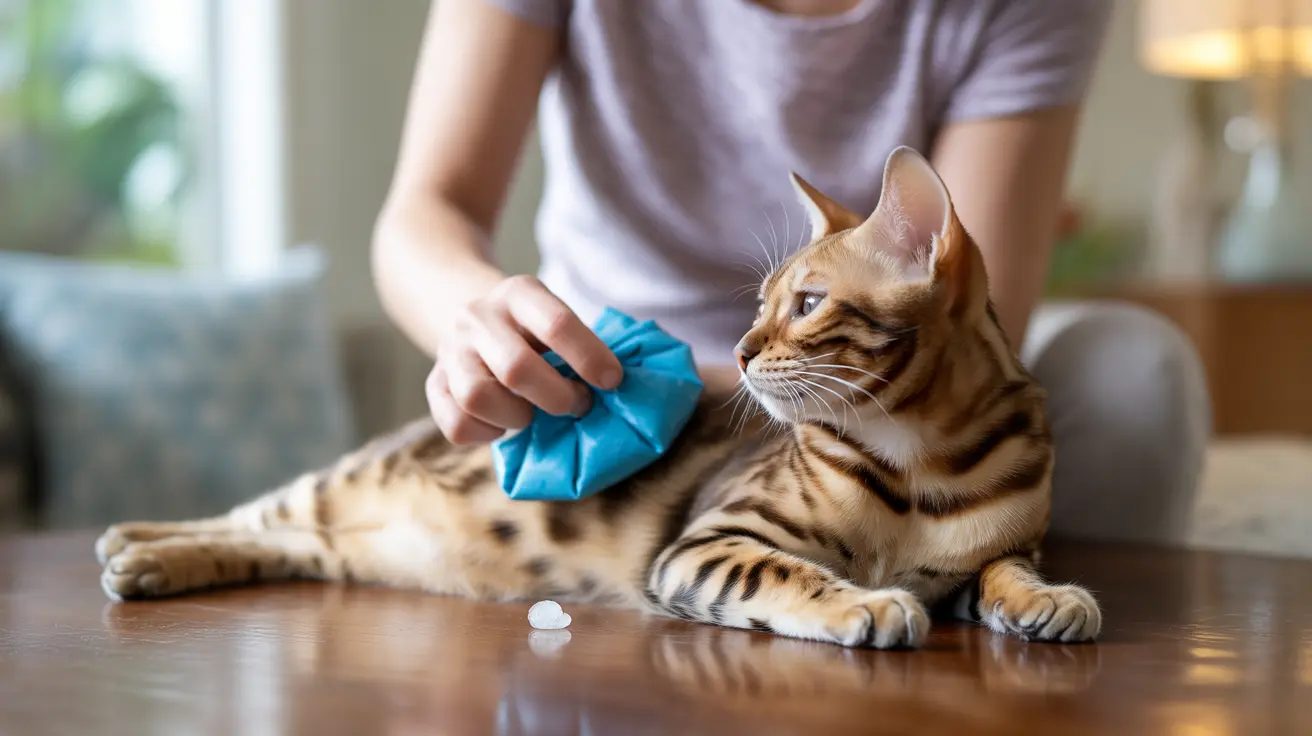
Credit: www.petscare.com
When To Avoid Sedation
Sedating your cat for grooming might seem like a quick fix, but it’s important to recognize situations when sedation could do more harm than good. Not every cat is a good candidate for sedation, and knowing when to avoid it can protect your pet’s health and wellbeing. Understanding the risks and exploring safer options can save you and your furry friend from unnecessary stress.
Health Risks And Concerns
Some cats have underlying health issues that make sedation dangerous. Conditions like heart disease, respiratory problems, kidney or liver issues can cause serious complications during sedation.
Older cats are often more sensitive to sedatives. Even if your cat seems healthy, an unknown condition might increase the risk of adverse effects.
Have you ever wondered if your cat’s current medications might clash with sedatives? Always consult your vet before giving any sedative at home.
Alternative Solutions
If sedation feels risky, try calming your cat with non-drug methods first. Gentle brushing, soft music, or pheromone sprays can sometimes reduce anxiety during grooming.
Breaking the grooming into short, manageable sessions can also help. Give your cat breaks and plenty of rewards to create a positive experience.
Have you thought about professional groomers or vets? They have experience and tools to handle difficult cats safely without sedation.
Safe Sedation Methods
Using natural calming sprays or pheromone diffusers can help relax your cat during grooming. Gentle handling and a quiet environment also reduce stress effectively. Always consult a vet before trying any sedatives at home.
Safe sedation methods ensure your cat stays calm during grooming. This helps both you and your cat have a stress-free experience. Using the right sedation methods protects your cat’s health and well-being. Let’s explore some safe ways to sedate your cat at home.Veterinary-approved Medications
Consult your vet for the right medication. Vets can prescribe sedatives suitable for cats. They consider your cat’s weight and health condition. Always follow the vet’s instructions carefully. This ensures your cat is safe and relaxed during grooming.Natural Sedatives And Remedies
Some natural sedatives can help calm your cat. Herbal remedies, like chamomile or valerian, are popular. They have calming effects on cats. CBD oil is another option that can promote relaxation. Always check with a vet before trying new remedies. They can advise on safe doses for your cat.
Credit: www.yahoo.com
Preparing Your Cat For Sedation
Preparing your cat for sedation is crucial for a safe grooming session at home. This stage helps reduce stress and ensures your cat stays healthy throughout the process. Proper preparation leads to smoother sedation and less risk of complications.
Setting Up A Calm Environment
Create a quiet space free from loud noises and sudden movements. Use soft lighting to help your cat feel relaxed. Remove other pets and distractions from the area. Keep familiar toys or blankets nearby to comfort your cat. Speak in a gentle, soothing voice to build trust.
Monitoring Health Before Grooming
Check your cat’s vital signs before sedation. Look for signs like steady breathing and clear eyes. Avoid sedation if your cat shows signs of illness or distress. Ensure your cat has eaten and hydrated well earlier in the day. Consult a vet if you notice unusual behavior or symptoms.
Administering Sedatives At Home
Administering sedatives at home can help calm your cat during grooming. It reduces stress and makes the process safer for both you and your pet. Always consult a vet before giving any sedative. Use only vet-approved medications and follow instructions carefully. Proper care ensures your cat’s comfort and safety.
Proper Dosage Guidelines
Correct dosage depends on your cat’s weight, age, and health. Never guess the amount. Follow the vet’s prescription exactly. Use a proper measuring tool like a syringe or dropper. Avoid giving sedatives too close to feeding time. Monitor your cat after administration to check their reaction.
Signs Of Over-sedation
Watch for unusual drowsiness or difficulty waking your cat. Slow or shallow breathing needs immediate attention. If your cat cannot stand or walk, it may be too sedated. Excessive drooling or vomiting are warning signs. Contact your vet if you notice any of these symptoms. Acting fast can prevent serious harm.
Post-grooming Care
Post-grooming care is important after sedating your cat for grooming. Cats need gentle attention as they recover from sedation. Proper care helps avoid stress and health issues. Watch your cat closely for any unusual signs. Create a calm space for rest. Keep your cat warm and comfortable.
Recovery Tips
- Place your cat in a quiet, safe area away from noise.
- Offer fresh water once your cat is fully awake.
- Do not feed immediately; wait until your cat is alert.
- Monitor breathing and movement for normal patterns.
- Keep your cat indoors to prevent accidents or escapes.
- Speak softly and avoid sudden movements around your cat.
- Check the skin and fur for any irritation or cuts.
- Remove grooming tools and supplies to avoid stress.
When To Seek Veterinary Help
Contact your vet if your cat shows signs of distress. Symptoms include:
- Difficulty breathing or rapid breathing
- Excessive drooling or vomiting
- Severe lethargy or unresponsiveness
- Swelling or bleeding at grooming sites
- Shaking or seizures
- Refusal to eat or drink after several hours
Early vet care can prevent serious complications. Always keep emergency numbers handy. Your cat’s safety is the top priority after sedation.
Preventing Future Grooming Stress
Keeping your cat calm during grooming helps reduce future stress. Avoiding fear and anxiety makes grooming easier for both of you. Building positive grooming experiences creates trust and comfort. Start early and stay consistent to help your cat accept grooming as normal.
Regular Grooming Habits
Brush your cat gently every few days. Short sessions work better than long ones. Use soft brushes and calm tones to relax your cat. Check for mats and dirt without pulling on the fur. Reward your cat with treats or petting after each session. This helps your cat see grooming as a positive event.
Behavioral Training Techniques
Train your cat to tolerate grooming tools slowly. Let your cat sniff and explore brushes before use. Use treats to encourage calm behavior during grooming. Stop if your cat shows signs of stress. Practice handling your cat’s paws and ears regularly. This reduces fear of touch during grooming. Patience and gentle touch build your cat’s confidence over time.

Credit: www.reddit.com
Frequently Asked Questions
How Can I Safely Sedate My Cat For Grooming?
Consult your vet before sedating your cat at home. Use only vet-approved sedatives. Follow dosage instructions carefully to avoid risks.
Are Natural Sedatives Effective For Calming Cats During Grooming?
Natural sedatives like chamomile or valerian can help. They are milder but may not work for all cats. Always check with your vet first.
What Are The Risks Of Sedating Cats At Home?
Home sedation risks include overdose, allergic reactions, and respiratory issues. Always use medications prescribed by a vet. Never sedate without professional advice.
Can I Use Over-the-counter Medications To Sedate My Cat?
Do not use over-the-counter human medications on cats. They can be toxic. Always rely on vet-prescribed sedatives for safety.
Conclusion
Sedating your cat at home needs care and safety first. Always check with your vet before using any sedatives. Use gentle methods and keep your cat calm during grooming. Watch for signs of stress or discomfort closely. A calm cat makes grooming easier and safer.
Remember, your cat’s health and comfort come before all. Take your time and be patient throughout the process. Safe grooming helps keep your cat happy and healthy.


Leave a Reply