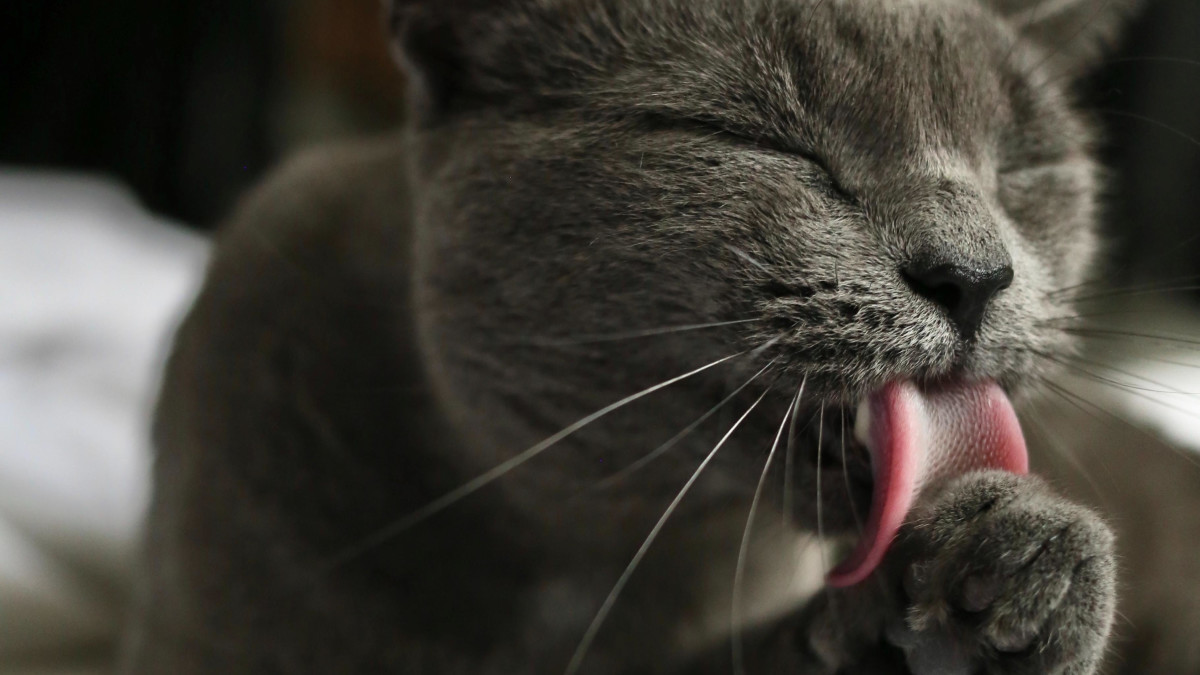
Have you ever noticed your cat licking itself more than usual? You might wonder, why do cats excessively groom?
While a little grooming is normal, too much can be a sign something is wrong. Understanding why your furry friend spends so much time cleaning can help you keep them happy and healthy. You’ll discover the surprising reasons behind excessive grooming and what you can do to help your cat feel better.
Keep reading—your cat’s well-being depends on it.

Credit: www.reddit.com
Reasons For Excessive Grooming
Excessive grooming in cats can signal various underlying issues. It may point to physical discomfort or emotional distress. Understanding why cats groom too much helps in addressing the root cause.
Stress And Anxiety Triggers
Stress makes cats groom more than usual. Changes in routine or new pets can cause anxiety. Grooming serves as a way to calm down. Cats may lick or chew their fur to reduce tension.
Allergies And Skin Conditions
Allergies often cause itching and irritation. Cats with allergies scratch and lick their skin frequently. Common allergens include food, dust, and pollen. Skin conditions like dermatitis also lead to excessive grooming.
Parasites And Infections
Parasites such as fleas cause intense itching. Cats bite and lick to relieve discomfort. Bacterial or fungal infections can also trigger grooming. These infections make the skin sore and itchy.
Behavioral And Environmental Factors
Some cats groom out of boredom or habit. Lack of stimulation can lead to overgrooming. Environmental changes like moving or loud noises add stress. Grooming becomes a repetitive behavior to cope.
Signs To Watch For
Excessive grooming in cats can signal more than just a desire to stay clean. It’s important to spot the signs early to help your furry friend avoid discomfort or underlying health issues. Here’s what you should look out for to understand if your cat’s grooming habits have gone too far.
Physical Symptoms
Watch for bald patches or thinning fur, which often mean your cat is licking or biting the same area repeatedly. Redness, swelling, or scabs can indicate irritation or infection caused by over-grooming. You might also notice dry or flaky skin, suggesting your cat’s skin barrier is compromised.
Changes In Behavior
If your cat starts grooming more frequently than usual, especially during times of stress or anxiety, this could be a warning sign. You may see your cat becoming more withdrawn or restless, pacing around or hiding more often. Pay attention if grooming becomes a compulsive behavior that interrupts eating, playing, or sleeping.
Areas Commonly Affected
Some spots are more prone to excessive grooming, like the belly, legs, and tail base. Cats often focus on these areas if they feel itchy or uncomfortable. Check these zones regularly for signs of over-grooming, even if your cat seems otherwise healthy.
Health Implications
Excessive grooming in cats can signal health problems like allergies, skin infections, or stress. Over-grooming may cause hair loss and skin wounds, requiring prompt attention from a vet. Understanding these signs helps keep cats healthy and comfortable.
Cats groom themselves often, but excessive grooming can signal health issues. This behavior might cause various problems, affecting your cat’s health and comfort. It’s vital to understand these issues and take action.Skin Damage And Hair Loss
Excessive grooming can lead to skin damage. Cats may lick and bite themselves too much. This can cause redness and irritation. Over time, hair loss might occur in affected areas. Patches of bald spots can appear on your cat’s body. These spots are usually easy to notice. Hair loss may lead to further problems if not addressed. Skin damage might make your cat uncomfortable or sore.Secondary Infections
Damaged skin is prone to infections. Bacteria can enter through open wounds caused by grooming. These infections may cause further irritation and discomfort. Signs of infection include swelling and discharge. It’s important to monitor your cat’s skin closely. Early detection helps prevent severe infections. Consult a veterinarian if you suspect an infection.Impact On Overall Well-being
Excessive grooming affects your cat’s well-being. It can cause stress and anxiety. Cats may become obsessed with grooming, ignoring other activities. They might stop playing or interacting with family members. This behavior can lead to a decline in their mental health. A stressed cat can become withdrawn or aggressive. Addressing the cause of excessive grooming can improve their quality of life.
Credit: www.reddit.com
Diagnosing The Cause
Excessive grooming in cats can signal various health or behavioral issues. Diagnosing the cause helps find the right treatment. Careful examination and testing reveal the underlying problem. This process involves checking physical health, allergies, and behavior patterns. Each step gathers clues to understand why a cat grooms too much.
Veterinary Examinations
A thorough veterinary exam is the first step. The vet checks the cat’s skin, coat, and overall health. They look for wounds, parasites, or infections. Blood tests may be done to detect internal problems. This exam rules out medical causes that trigger excessive grooming.
Allergy Testing
Allergies often cause itching and discomfort. Allergy tests identify specific triggers like food or environmental factors. Tests include skin prick or blood tests. Knowing allergens helps manage symptoms through diet or environment changes. This reduces the cat’s need to groom excessively.
Behavioral Assessments
Stress and anxiety can lead to over-grooming. Behavioral assessments observe the cat’s environment and routines. Experts look for signs of boredom or fear. Changes in the home or new pets can affect behavior. Identifying stressors helps create a calmer setting for the cat.
Treatment Options
Excessive grooming in cats needs careful attention and proper treatment. Treatment options depend on the cause of the behavior. Some cats need medical care, while others benefit from changes at home. Sometimes, training can help reduce stress that leads to over-grooming.
Medical Interventions
Veterinarians may prescribe medications to treat infections or allergies. Anti-inflammatory drugs can reduce itching and discomfort. In some cases, antibiotics or antifungal treatments are necessary. Parasite control, like flea treatment, helps stop constant itching. Regular check-ups ensure the treatment works well and the cat improves.
Environmental Changes
Creating a calm and safe space helps cats feel secure. Reducing loud noises and sudden movements lowers stress levels. Providing toys and scratching posts keeps cats busy and distracted. Keeping a clean litter box and feeding area supports comfort. Adding more hiding spots allows cats to rest peacefully.
Behavioral Therapy
Behavioral therapy focuses on reducing anxiety and stress. Techniques include positive reinforcement for calm behavior. Interactive play sessions help release built-up energy. Pheromone diffusers mimic natural cat scents to create relaxation. Consulting a cat behaviorist offers personalized advice and plans.
Preventing Excessive Grooming
Preventing excessive grooming in cats is essential to keep them healthy and happy. Over-grooming can cause skin problems and stress for your pet. Understanding ways to reduce this behavior helps improve their quality of life.
Stress Reduction Techniques
Cats often groom too much due to stress or anxiety. Providing calm and quiet spaces helps them feel safe. Playtime and gentle petting can relax your cat. Using pheromone diffusers may also reduce nervousness. Consistent routines give cats a sense of security.
Regular Health Checks
Health problems can cause your cat to groom excessively. Regular visits to the vet catch skin issues or allergies early. Parasites like fleas make cats scratch and lick more. Keep vaccinations and parasite control up to date. Early treatment stops grooming from becoming a habit.
Creating A Comfortable Environment
A comfortable home reduces stress and grooming urges. Provide soft bedding and warm resting spots. Keep litter boxes clean and in quiet areas. Avoid loud noises and sudden changes around your cat. Enrich the space with toys and climbing areas to keep them busy.

Credit: medium.com
Frequently Asked Questions
Why Do Cats Groom Themselves Excessively?
Cats groom excessively to clean their fur, remove parasites, and regulate body temperature. Stress, allergies, or skin conditions can also cause over-grooming. It’s a natural behavior but may signal health issues if extreme.
Can Excessive Grooming Indicate Cat Stress?
Yes, excessive grooming often signals stress or anxiety in cats. It helps them calm down but can lead to bald spots or skin irritation. Identifying and reducing stressors is important for your cat’s well-being.
How Does Grooming Affect A Cat’s Health?
Grooming maintains a cat’s coat cleanliness, removes dirt, and stimulates circulation. Proper grooming prevents skin infections and controls parasites like fleas. Over-grooming, however, can cause skin damage and discomfort.
When Should I Worry About My Cat’s Grooming Habits?
If grooming causes bald patches, sores, or bleeding, consult a vet. Excessive grooming may indicate allergies, infections, or emotional distress. Early intervention ensures better treatment and recovery.
Conclusion
Cats groom to stay clean and healthy. Excessive grooming may signal stress or illness. Watch your cat’s behavior closely. Provide a calm, safe environment for your pet. Consult a vet if grooming seems extreme. Understanding your cat helps improve its well-being.
Keep your furry friend happy and comfortable. Simple care makes a big difference. Trust your instincts and act when needed. Your cat’s health is worth attention and love.

Leave a Reply