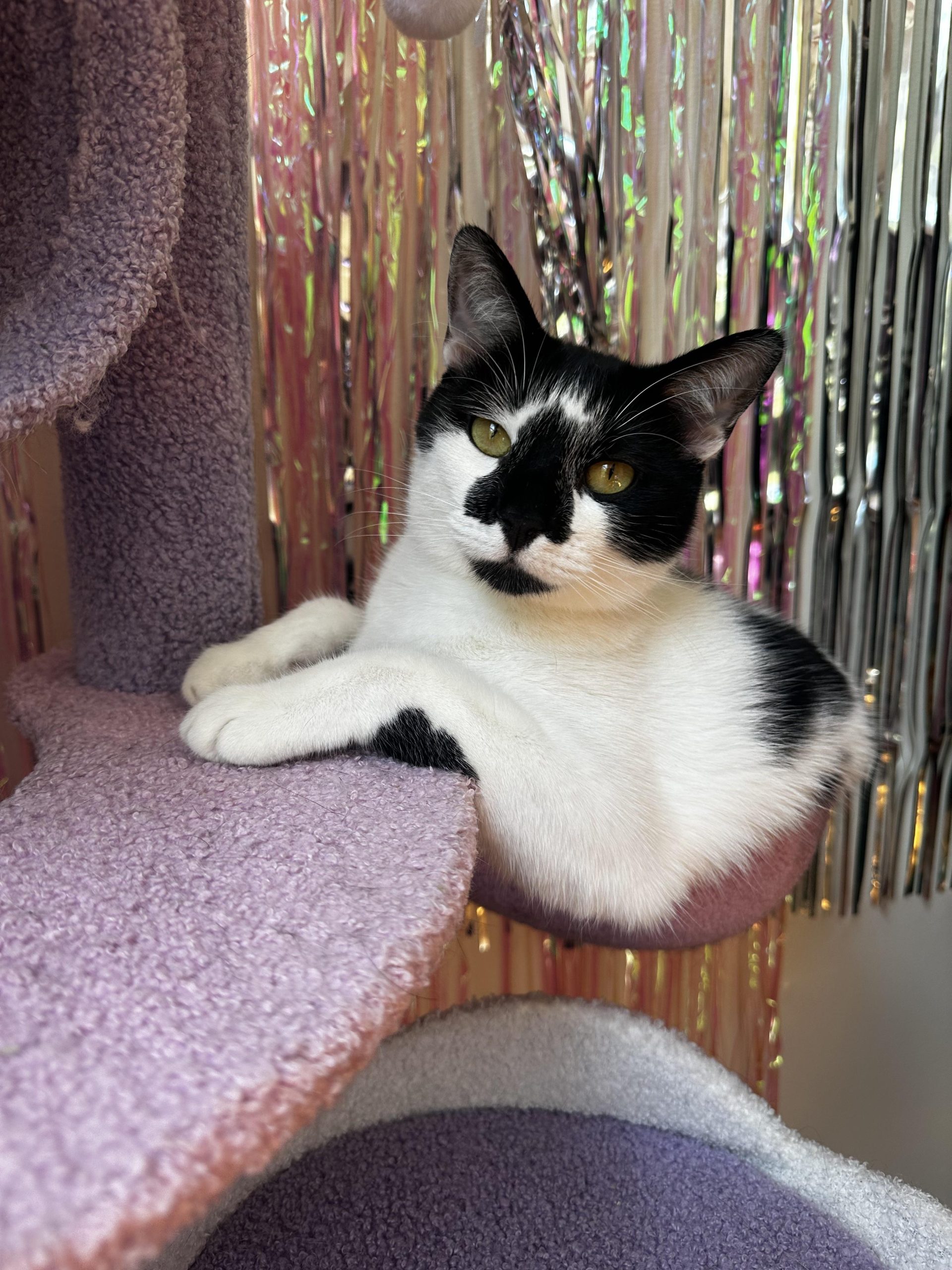
Have you ever looked at your cat and wondered, “What breed is my cat?” You’re not alone.
Knowing your cat’s breed can reveal surprising facts about their personality, health, and behavior. Imagine understanding your furry friend better, from their playful quirks to their unique needs. You’ll discover simple ways to identify your cat’s breed and uncover the secrets behind those adorable eyes.
Keep reading, and you’ll feel closer to your cat than ever before.

Credit: www.reddit.com
Cat Breed Basics
Understanding the basics of cat breeds helps identify your feline friend’s background. Each breed has unique features and behaviors. Knowing these can deepen your bond with your cat and help meet their needs better.
Common Cat Breed Groups
Cats are often grouped by shared traits and origins. Here are some common groups:
- Domestic Shorthair and Longhair:Mixed breeds with varied looks and personalities.
- Persian and Exotic:Known for their fluffy coats and calm nature.
- Siamese and Oriental:Sleek bodies and vocal personalities.
- Maine Coon and Norwegian Forest:Large size and thick fur for cold climates.
- Bengal and Ocicat:Wild-looking spots and energetic behavior.
Traits That Define Breeds
Each breed has traits that make it special. These include:
- Coat Type:Short, long, curly, or hairless.
- Color Patterns:Solid, tabby, spotted, or pointed.
- Size and Build:Small and sleek or large and muscular.
- Personality:Playful, shy, vocal, or independent.
- Activity Level:Calm lap cat or energetic hunter.
Recognizing these traits helps you understand your cat’s breed and care needs better.

Credit: www.rd.com
Physical Features To Check
Identifying your cat’s breed often starts with observing its physical traits closely. These features can give you strong clues about your feline’s heritage and help you narrow down the possibilities. Paying attention to specific details like coat patterns, body shape, and eye characteristics can make the process both fun and insightful.
Coat Patterns And Colors
Look carefully at your cat’s fur pattern and color. Cats can have solid colors, stripes, spots, or patches, and each pattern often links to particular breeds.
- Tabby patternsfeature stripes or swirls and are common in breeds like the Maine Coon and American Shorthair.
- Colorpoint patternshave darker colors on the ears, face, paws, and tail, typical of Siamese or Himalayan cats.
- Solid colorssuch as black, white, or gray may point to breeds like the Russian Blue or Bombay.
Did you know that some breeds even have unique coat textures? For example, the Cornish Rex has soft, curly fur, which stands out from most cats.
Body Shape And Size
Assess your cat’s overall body build. Is it slender, muscular, or stocky? Size and shape can tell you a lot about breed tendencies.
- Slender and long-bodied catsoften belong to breeds like the Siamese or Oriental Shorthair.
- Large and muscular catsmight be Maine Coons or Ragdolls, known for their size.
- Compact and round-shaped catscould be British Shorthairs or Scottish Folds.
Notice your cat’s tail too—is it bushy, long, or short? Tail shape can be a subtle but revealing clue.
Eye Shape And Color
Pay attention to your cat’s eyes—their shape and color can be distinctive markers.
- Almond-shaped eyes are typical in breeds like the Siamese.
- Round eyes might indicate breeds such as the Persian or British Shorthair.
- Eye color varies widely, from deep blue to vibrant green or golden hues.
Have you noticed if your cat’s eyes change color as they grow? Some kittens’ eyes shift shades, giving you extra information about their breed as they mature.
Behavior And Personality Clues
Understanding your cat’s behavior and personality can offer insights into its breed. Different breeds exhibit unique traits and behaviors. Observing these clues can help narrow down your cat’s possible lineage.
Activity Levels
Some cats are very active and playful. Breeds like the Bengal are known for their high energy. They love to climb and explore. Other breeds, like the Persian, prefer lounging and are more laid-back. Observe how much your cat moves around during the day. This can be a strong indicator of its breed.
Social Tendencies
Cats have varying social preferences. Siamese cats, for instance, are often social and enjoy human interaction. They might follow you around the house. On the other hand, some breeds like the Russian Blue are more reserved. They may choose to stay in quieter spaces. Pay attention to how your cat interacts with people and other animals.
Vocalization Patterns
Listen to how your cat communicates. Some breeds, like the Siamese, are known for being talkative. They often meow loudly to express themselves. Breeds such as the Maine Coon have a softer, more gentle voice. Observe the frequency and tone of your cat’s vocalizations. This can offer clues about its breed origins.

Credit: www.reddit.com
Using Technology To Identify Breeds
Trying to figure out your cat’s breed can feel like solving a puzzle. Luckily, technology makes this task easier and more accurate than ever. From simple apps on your phone to advanced DNA tests, you have powerful tools at your fingertips to learn more about your furry friend’s background.
Dna Testing Kits
DNA testing kits offer a detailed look at your cat’s genetic makeup. You collect a small sample, usually a cheek swab, and send it to a lab for analysis. The results reveal not just the breed, but also health risks and traits linked to your cat’s genes.
Many cat owners find this approach eye-opening. One user discovered their seemingly ordinary tabby had a hidden lineage connected to a rare breed. Imagine uncovering a family secret about your pet with just a simple test!
These kits typically take a few weeks for results. While they can be pricier than other options, the depth of information is worth it if you want a clear picture of your cat’s heritage.
Mobile Apps For Cat Identification
Mobile apps use your smartphone’s camera and AI technology to identify cat breeds. You simply snap a photo of your cat, and the app compares it to a database of breeds to give you a likely match.
Apps like these are convenient and quick. They’re great if you want instant answers or a starting point before diving deeper with DNA tests.
However, keep in mind that lighting, angle, and photo quality can affect accuracy. Still, many users enjoy the fun of guessing their cat’s breed and learning about different types through these apps.
Have you tried any of these technologies? What surprising breed did you discover in your cat’s background?
When Mixed Breeds Are Likely
Mixed breed cats are common, especially if your feline friend came from a shelter or a rescue. These cats don’t belong to just one pure breed but show characteristics from multiple breeds, which can make identifying their background tricky. You’re more likely to have a mixed breed cat if there’s no pedigree or if the cat has been around other cats of different breeds.
Traits Of Mixed Breed Cats
Mixed breed cats often have a unique look, combining features from various breeds. You might notice varied fur patterns, colors, and textures that don’t match any single breed standard. Their personalities can be just as diverse, ranging from playful and outgoing to shy and calm.
Because they inherit traits from different breeds, mixed breed cats can be healthier and more adaptable. This genetic variety often means fewer inherited diseases compared to purebreds. Have you seen your cat display surprising traits that don’t fit one breed? That’s a classic sign of mixed heritage.
Common Mixed Breed Combinations
Some mixed breeds appear more often due to the popularity and availability of certain breeds. For example, a Domestic Shorthair mixed with a Siamese often results in cats with striking blue eyes and sleek bodies. Another frequent mix is between Maine Coon and Domestic Longhair, creating larger cats with fluffy tails and tufted ears.
- Domestic Shorthair + Tabby:Common and versatile, with a variety of coat patterns.
- Siamese + Domestic Shorthair:Blue eyes and slender frame are typical.
- Maine Coon + Domestic Longhair:Larger size and luxurious fur.
- Persian + Domestic Longhair:Round face with a thick, soft coat.
Identifying your cat’s mixed breed can be a fun puzzle. What traits stand out to you? Sometimes, a simple DNA test can give you clear answers, helping you understand your cat better and care for them in the best way possible.
Resources For Breed Identification
Finding out your cat’s breed can be exciting. It helps you understand their traits and health needs. Many tools and experts can help identify your cat’s breed with ease.
Breed identification is not always simple. Cats often share similar looks across breeds. Using trusted resources gives you clearer answers.
Cat Breed Registries
Breed registries keep detailed records of purebred cats. They offer official breed standards and descriptions. These organizations help confirm a cat’s breed with accuracy.
Popular registries include:
- The Cat Fanciers’ Association (CFA)
- The International Cat Association (TICA)
- The Fédération Internationale Féline (FIFe)
These registries provide photos, breed histories, and recognition rules. They are great for matching your cat’s traits to known breeds.
Online Breed Databases
Many websites list cat breeds with pictures and key features. These databases allow you to compare your cat’s look to breed profiles. Some include quizzes and image uploads for identification help.
These tools are easy to use and accessible anytime. They offer quick insights without needing expert visits.
Examples include:
- Animal Planet’s Cat Breed Guide
- Petfinder’s Cat Breeds Directory
- CatTime Breed Encyclopedia
Veterinarian Insights
Veterinarians often recognize breed traits during check-ups. They use experience and knowledge of feline genetics. Vets can suggest breed possibilities based on physical features and behavior.
They may recommend genetic testing for clear results. This testing looks at DNA markers linked to breeds. Genetic tests offer the most precise breed identification.
Consulting a vet adds professional advice to your breed search. It ensures your cat’s health and breed info are both covered.
Frequently Asked Questions
How Can I Identify My Cat’s Breed At Home?
You can observe physical traits like size, fur pattern, and eye color. Online cat breed guides help match features. DNA tests offer precise breed identification for mixed or unknown cats.
What Are Common Traits Of Popular Cat Breeds?
Siamese cats are vocal and social. Maine Coons are large with tufted ears. Persians have long fur and calm personalities. Recognizing traits aids breed guessing.
Can Dna Tests Accurately Determine Cat Breeds?
Yes, DNA tests analyze genetic markers to identify breeds. They provide detailed ancestry and health information. These tests are reliable for mixed or unknown breed cats.
Why Is Knowing My Cat’s Breed Important?
Breed knowledge helps understand behavior, health risks, and care needs. It guides diet, exercise, and veterinary care. This ensures a happy, healthy pet life.
Conclusion
Discovering your cat’s breed can be fun and rewarding. Each breed has its own traits and charm. Knowing your cat’s breed helps understand its behavior and needs. You can provide better care and a happy home. Take your time learning about different breeds.
Your cat is unique, no matter the breed. Enjoy the journey of getting to know your furry friend better. Every cat deserves love and attention. Keep exploring and caring for your special companion.


Leave a Reply