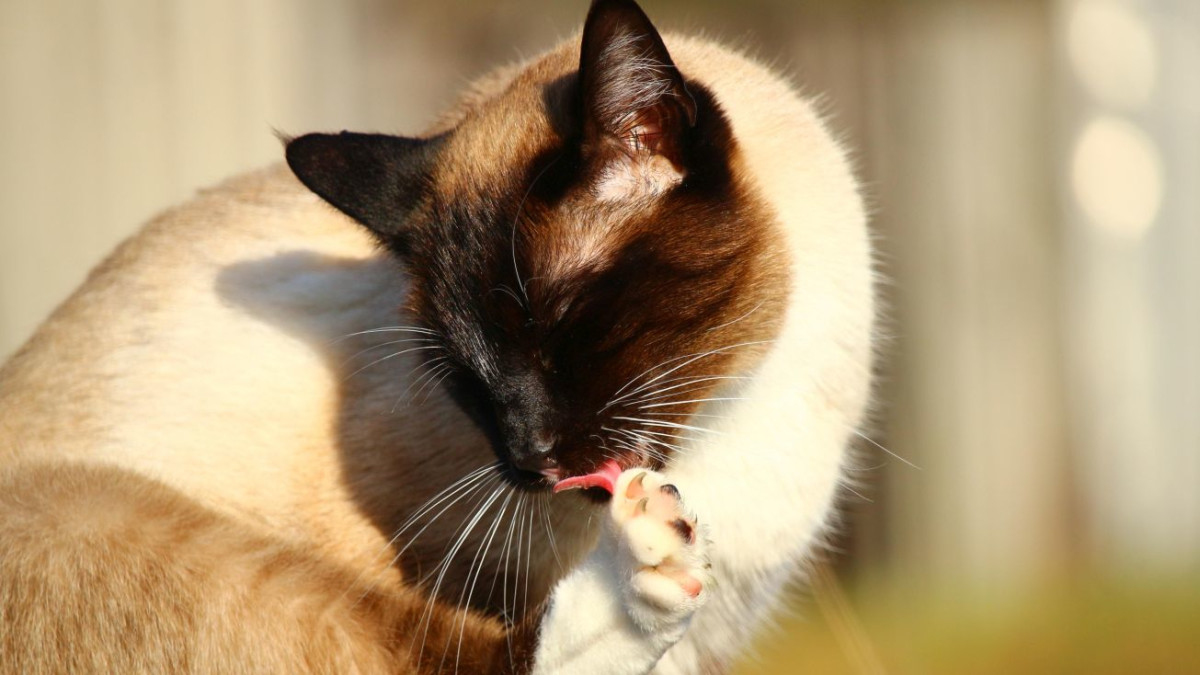
Have you ever noticed your cat licking itself more than usual? You might wonder, “Why does my cat over groom?”
It’s not just a quirky habit—over grooming can signal something important about your cat’s health and happiness. Understanding why your feline friend spends so much time grooming can help you spot problems early and keep your cat comfortable and content.
Let’s explore the surprising reasons behind this behavior and what you can do to help your furry companion feel their best.
Causes Of Over Grooming
Over grooming in cats happens for many reasons. It is more than just cleaning. Cats may groom too much because of physical or emotional problems. Understanding the causes helps to find the right help. Here are common reasons why cats over groom.
Stress And Anxiety Triggers
Stress can make cats lick or bite their fur more than usual. Changes like moving homes or new pets cause anxiety. This leads to over grooming as a way to calm down. Boredom or lack of attention also triggers this behavior.
Allergic Reactions
Cats can have allergies to food, pollen, or dust. Allergies cause itchy skin and discomfort. To relieve the itch, cats groom excessively. Allergies often lead to bald patches from constant licking.
Parasite Infestations
Parasites like fleas or mites irritate the skin. Cats try to remove the pests by grooming too much. The bites cause redness and sores. Without treatment, over grooming worsens the skin condition.
Skin Infections
Bacterial or fungal infections cause pain and itchiness. Infected areas become sore and inflamed. Cats lick these spots to ease discomfort. This makes the infection worse and spreads it.
Pain And Discomfort
Injuries or arthritis cause localized pain. Cats groom the painful area frequently. This is their way to soothe the pain. Over grooming may hide the real cause of pain.
Behavioral Issues
Some cats develop grooming habits that become compulsive. This is a behavior problem, not a physical one. It may start from stress and turn into a habit. Professional help is needed to treat this issue.
Signs To Watch For
Over grooming in cats can cause serious skin problems. It is important to spot signs early. Watch closely for changes in your cat’s skin and behavior. These signs help identify the problem before it worsens.
Bald Patches And Sores
Bald patches appear when cats lick or bite fur too much. These bare spots can be small or large. Sores may develop from constant licking and scratching. These wounds often look red and raw.
Excessive Licking Patterns
Notice if your cat licks one area repeatedly. Licking for long times or often is a warning. It might target paws, belly, or legs. Excessive licking causes fur loss and skin damage.
Changes In Behavior
Over grooming can make cats restless or anxious. They may hide or seem tense more than usual. Some cats become more aggressive or irritable. These behavior shifts signal discomfort or stress.
Skin Redness And Irritation
Red, inflamed skin shows irritation from over grooming. The area may feel warm or swollen. Skin might look shiny or scaly too. This redness often causes itching and pain.
Diagnosing The Problem
Cats may groom too much due to stress, allergies, or skin problems. Watching their behavior helps identify the cause. A vet’s checkup can find hidden health issues.
Diagnosing the Problem When cats over groom, it can signal deeper issues. Identifying the root cause helps in finding the right solution. Diagnosing the problem involves several steps. Understanding these steps guides pet owners in addressing their cat’s needs effectively.Veterinary Examination
A vet visit is crucial for over grooming cats. The vet checks for health issues. This examination includes a thorough physical check-up. It helps rule out medical conditions.Skin Tests And Allergy Screening
Skin tests identify allergies in cats. Allergies can cause excessive grooming. Vets may recommend allergy screenings. These tests pinpoint specific allergens affecting your cat.Behavioral Assessment
Behavioral assessments help understand a cat’s mental health. Stress or anxiety often leads to over grooming. Observing behavior changes is essential. Vets assess if stressors affect the cat’s grooming habits. Understanding these diagnostic steps aids in tackling over grooming. Each step provides insights into possible solutions. Addressing the root cause ensures a happier, healthier cat.:strip_icc()/spruce-pets-cat-bathroom-7b6ae6d8f3d940b9a82141be03734144.png)
Credit: www.thesprucepets.com
Effective Treatment Options
Effective treatment options for cats that over groom focus on addressing the root causes and providing relief to your feline friend. Over grooming can lead to skin damage, infections, and emotional stress. Understanding practical and targeted treatments can help you restore your cat’s comfort and well-being.
Medications And Topicals
Medications often play a crucial role in calming skin irritation and preventing infections caused by excessive grooming. Your vet might recommend anti-inflammatory drugs or antibiotics if there’s a bacterial or fungal infection. Topical creams and sprays can soothe itching and promote healing directly on the affected areas.
Have you noticed your cat scratching more after a bath or certain treatments? Some topical solutions are designed to reduce sensitivity, making your cat more comfortable during recovery.
Parasite Control
Parasites like fleas and mites are common triggers for over grooming. Regular parasite control helps eliminate the itching that pushes your cat to lick or bite its fur. Use vet-approved flea preventatives consistently to keep parasites at bay.
Checking your cat’s fur regularly for signs of parasites can save you from a bigger grooming problem. Could your cat’s behavior be a hint about hidden pests?
Dietary Adjustments
Nutrition impacts skin health and can reduce inflammation that leads to over grooming. Adding omega-3 fatty acids or switching to hypoallergenic diets may improve your cat’s coat condition. Your vet can guide you on the best dietary changes based on your cat’s specific needs.
Sometimes, food allergies cause itching and discomfort. Have you considered if your cat’s food could be part of the grooming issue?
Behavioral Therapy
Stress and anxiety often cause cats to over groom as a coping mechanism. Behavioral therapy, including gentle training and positive reinforcement, can help manage these triggers. Identifying stress sources and gradually desensitizing your cat can reduce the urge to groom excessively.
What activities does your cat find relaxing? Introducing calming routines could be a game changer in stopping over grooming.
Environmental Enrichment
Boredom and lack of stimulation lead some cats to groom themselves too much. Adding toys, scratching posts, and interactive play sessions can redirect their energy. A stimulating environment keeps your cat mentally and physically engaged.
Have you noticed your cat over grooming more on quiet days? Creating a lively space might be the key to breaking the habit.
Preventing Over Grooming
Preventing over grooming in cats is essential for their well-being. Over grooming can cause skin damage and discomfort. It often signals underlying issues that need attention. Taking steps to prevent this behavior helps keep your cat healthy and happy.
Reducing Stress Factors
Stress is a common cause of over grooming in cats. Creating a calm environment helps reduce stress. Keep a consistent routine to make your cat feel secure. Provide quiet spaces where your cat can relax. Avoid loud noises and sudden changes in the home.
Regular Parasite Prevention
Parasites like fleas can cause itching and lead to over grooming. Use vet-recommended flea treatments regularly. Check your cat’s fur for signs of parasites often. Clean bedding and living areas to prevent infestations. Early parasite control stops skin irritation before it starts.
Maintaining Skin Health
Healthy skin reduces the need for excessive grooming. Feed a balanced diet rich in omega fatty acids. Bathing cats occasionally with gentle shampoos helps maintain skin moisture. Avoid harsh chemicals or products that irritate the skin. Regular vet check-ups catch skin problems early.
Providing Mental Stimulation
Boredom can cause cats to groom too much. Offer toys that engage your cat’s mind and body. Play interactive games to keep your cat active and happy. Rotate toys to keep things interesting. Mental stimulation distracts your cat from over grooming behaviors.

Credit: www.reddit.com
When To Seek Help
Knowing when to seek help for a cat that over grooms is very important. Over grooming can cause skin problems and pain. Sometimes, it points to deeper health or emotional issues. Acting early can stop further harm and help your cat feel better quickly.
Persistent Symptoms
Watch for grooming that lasts more than a week. If your cat keeps licking or biting the same spot, it needs attention. Persistent symptoms may mean allergies, infections, or parasites. Do not ignore constant grooming. It shows your cat is uncomfortable and needs care.
Worsening Skin Condition
Look for redness, swelling, or hair loss on your cat’s skin. Open sores or scabs are signs of trouble. If the skin looks worse over time, get help fast. Worsening skin can lead to infections and more pain. Early treatment helps the skin heal and prevents serious problems.
Behavioral Changes
Notice if your cat acts differently. Changes like hiding, aggression, or restlessness can signal stress. Stress often causes over grooming. Behavioral changes mean your cat might need more than just skin treatment. A vet can check for anxiety or medical issues causing the behavior.

Credit: basepaws.com
Frequently Asked Questions
Why Do Cats Over Groom Themselves Excessively?
Cats over groom due to stress, anxiety, allergies, or skin irritation. Excessive grooming can indicate underlying health or emotional issues needing attention.
Can Over Grooming Harm My Cat’s Skin Or Fur?
Yes, over grooming can cause hair loss, skin sores, and irritation. It weakens the skin’s barrier and increases infection risks.
How Can I Stop My Cat From Over Grooming?
Identify and treat underlying causes like allergies or stress. Provide enrichment, reduce anxiety, and consult a vet for proper diagnosis and treatment.
Is Over Grooming A Sign Of Cat Anxiety?
Yes, over grooming often signals anxiety or stress in cats. Behavioral changes and environmental factors commonly trigger this compulsive habit.
Conclusion
Cats over groom for many reasons, including stress and health issues. Watching your cat closely helps spot changes early. Gently help your cat by reducing stress and visiting a vet. Remember, patience and care make a big difference. Your cat’s comfort matters most.
Keep grooming habits healthy and your cat happy. Small actions protect your cat’s skin and fur. Stay aware, act quickly, and support your furry friend every day.

Leave a Reply