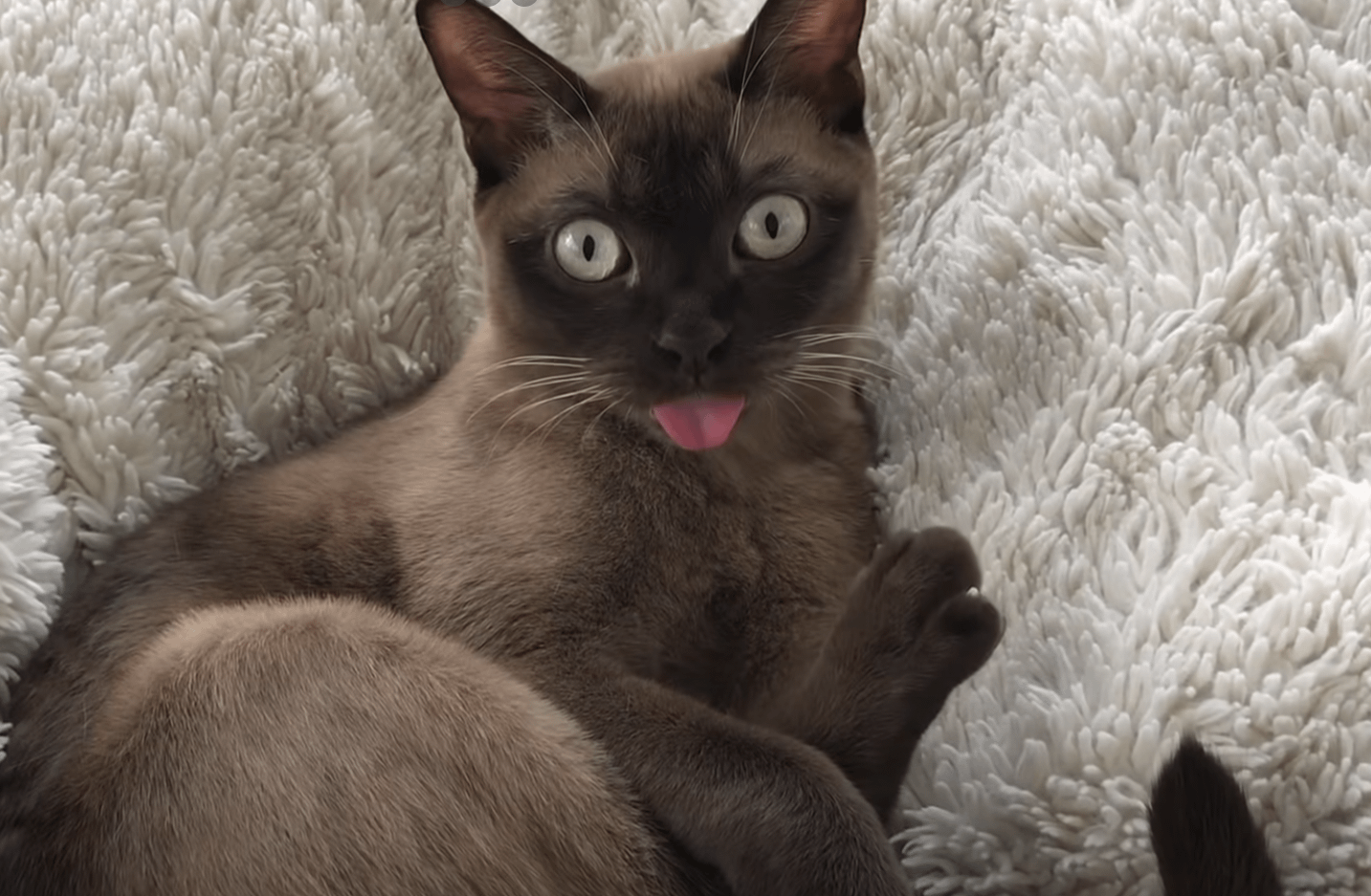
Have you ever wondered why your cat suddenly becomes so loud when grooming? You’re not alone.
That surprising noise can catch you off guard and make you curious about what’s really going on. Is your cat in pain? Or is it just a normal part of their behavior? Understanding why your furry friend gets noisy during grooming will help you connect better with them and ensure they’re happy and healthy.
Keep reading to discover the reasons behind your cat’s loud grooming sessions and what you can do about it.
Cat Grooming Sounds
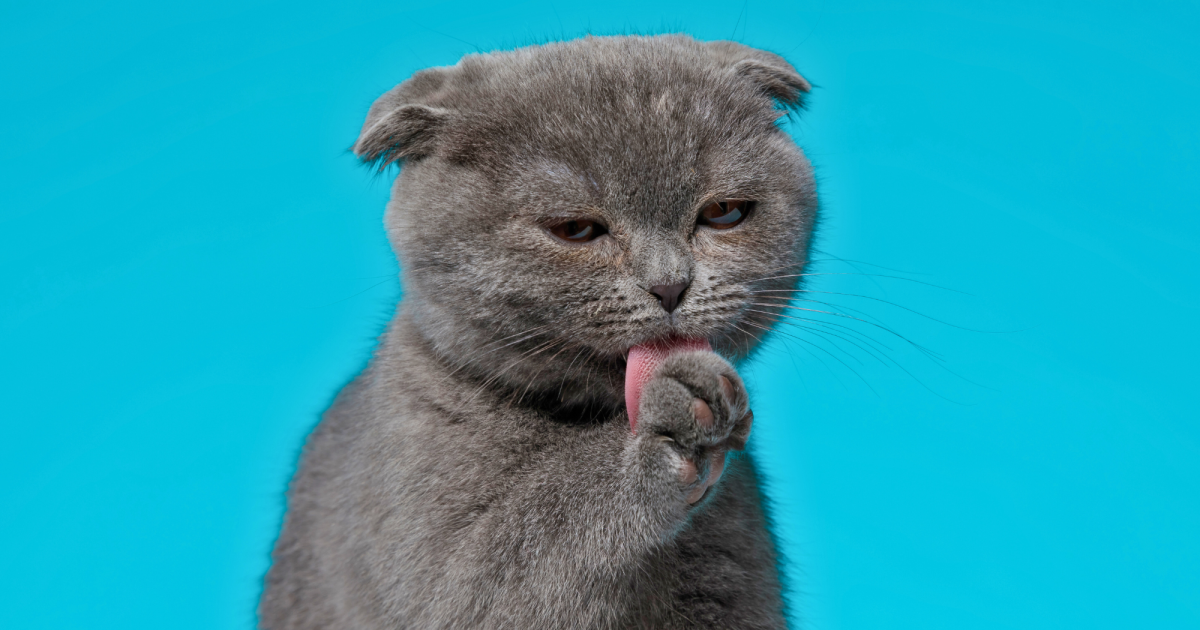
Have you ever noticed your cat making a surprising amount of noise while grooming? These sounds are not just random; they serve as a way for your cat to express itself. Understanding these grooming noises can help you better connect with your furry friend and notice if anything unusual is happening.
Common Noises During Grooming
Cats produce a variety of sounds when grooming, and each has its own meaning. You might hear:
- Purring:Often signals contentment and relaxation as your cat cleans itself.
- Chirping or Chattering:Sometimes cats make these sounds when they’re focused or mildly frustrated while grooming hard-to-reach spots.
- Meowing or Soft Yowling:This can indicate discomfort or an attempt to get your attention during grooming.
- Snorting or Huffing:These noises might happen if your cat feels irritated or if there’s something caught in their fur.
Pay attention to the context and how often these sounds occur. Is your cat grooming loudly every time, or only when stressed or in pain?
How Cats Communicate Through Sounds
Grooming sounds are more than just background noise; they are a form of communication. Your cat uses these noises to tell you about its emotional state.
For example, if your cat purrs while grooming, it’s usually a sign of happiness and comfort. On the other hand, loud meowing or yowling might mean your cat is experiencing discomfort or anxiety.
Have you noticed your cat’s grooming noises change after a vet visit or when introducing a new pet? These sound shifts can be clues about how your cat feels about its environment.
Reasons For Loud Grooming
Cats sometimes make loud sounds while grooming. This behavior can surprise many owners. Understanding why cats are noisy during grooming helps us care better for them.
Several reasons explain the loud grooming noises. It can be a way to calm themselves or show happiness. Sometimes, cats seek your attention. Other times, loud grooming signals discomfort or health issues.
Self-soothing Behavior
Loud grooming often helps cats relax. The repetitive licking and sounds calm their nerves. This habit is like a human taking deep breaths when stressed. It provides comfort during anxious moments or changes in the environment.
Expressing Contentment
Cats can purr, meow, or make other sounds when happy. Loud grooming noises may show they feel safe and satisfied. The sounds come from pleasure while cleaning themselves. It reflects a positive mood and well-being.
Attention Seeking
Sometimes, cats want your focus. Loud grooming can be a trick to get you to notice them. They may combine noises with eye contact or body language. This behavior invites interaction or petting from you.
Health Issues And Discomfort
Loud grooming might indicate pain or irritation. Cats may lick loudly if they have skin problems or injuries. Ear infections, allergies, or parasites cause discomfort too. Watch for other signs like redness or swelling. A vet visit is important if you suspect health problems.
Breed And Personality Factors
Certain cat breeds are naturally more vocal, which can make grooming sounds louder. Personality also plays a role; some cats express comfort or stress through noise while grooming. This behavior varies widely between individual cats.
Understanding why your cat is so loud during grooming might seem puzzling at first. However, breed and personality factors can greatly influence your feline’s vocal behavior. Some cats are naturally more vocal due to their breed, while others might have unique personality traits that make them chatty during grooming sessions.Vocal Breeds
Certain cat breeds are known for their vocal nature. Siamese cats, for instance, are infamous for their chatter and can often be heard vocalizing during grooming. Similarly, the Burmese and the Sphynx are quite expressive. If your cat belongs to one of these breeds, their vocal grooming sessions might be perfectly normal. Have you noticed your cat’s meows change in pitch? It could indicate they are communicating specific feelings, similar to how we change our tone when excited or annoyed.Individual Temperament
Every cat has a unique temperament that can affect how they react during grooming. Some cats might be more anxious or sensitive, causing them to vocalize more. Others might simply enjoy the interaction and express their contentment through sound. Consider if your cat is vocal in other situations too. Do they meow when hungry or seeking attention? If so, their grooming noises might be just another form of communication. Understanding your cat’s breed and individual personality can help you interpret their grooming vocalizations better. Observing their behavior in different situations can provide clues about their loud grooming habits.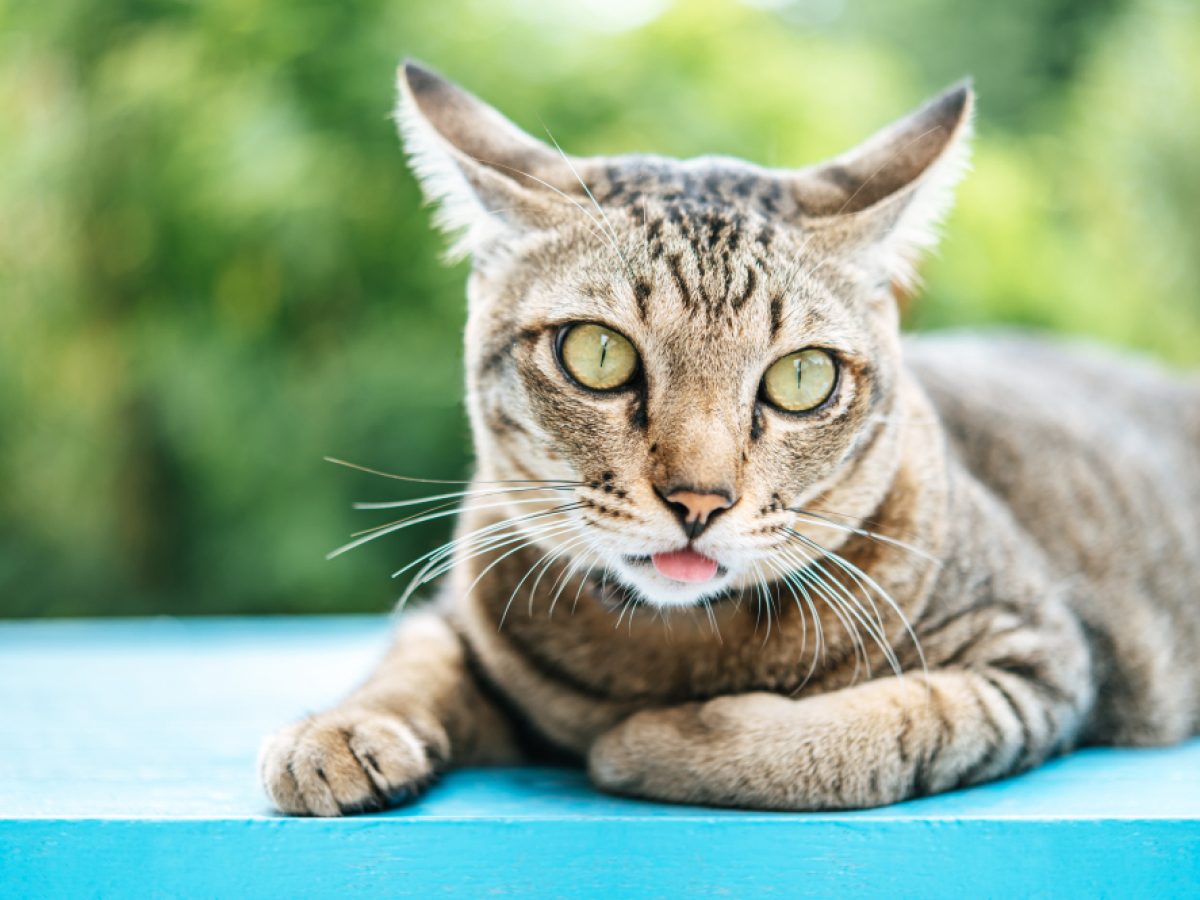
Credit: getodie.com
Environmental Influences
Environmental factors play a significant role in how your cat behaves during grooming. Sometimes, the sounds your cat makes are a direct reaction to what’s happening around them. Understanding these influences can help you create a calmer space for your furry friend and reduce those loud grooming sessions.
Stress And Anxiety
Your cat’s loud grooming might be a sign of stress or anxiety. Cats often groom themselves more vigorously or noisily when they feel uneasy. If you notice your cat’s grooming becomes louder during changes like new pets, visitors, or even rearranged furniture, stress could be the cause.
I once had a neighbor’s cat who started yowling loudly while grooming after moving to a new home. It wasn’t just discomfort but anxiety about the unfamiliar environment. Observing your cat’s behavior closely can help you spot these stress triggers.
Try to keep your cat’s routine stable and provide hiding spots or quiet areas. These steps can calm their nerves and lower the volume of their grooming.
Household Noise Levels
Have you noticed that your cat grooms louder when the house is noisy? Sudden or constant loud sounds might make your cat more vocal to communicate or cover up other noises. This can happen during loud music, vacuuming, or even regular family chatter.
Your cat might feel the need to “speak up” during grooming as a way to cope with the noise. Lowering household noise or creating peaceful moments can help. For instance, turning off the TV or using soft music can encourage quieter grooming sessions.
Think about how your environment affects your cat’s comfort. Could reducing noise help your cat groom more quietly and feel safer?
When To Consult A Vet
Noticing your cat getting unusually loud while grooming can be puzzling. Sometimes, it’s just a quirky habit or a way to express contentment. But other times, it might signal discomfort or health problems that need a vet’s attention.
Signs Of Pain Or Illness
If your cat’s loud grooming comes with other signs like limping, hiding, or loss of appetite, these could be red flags. Cats often hide pain, so vocalizing during grooming might be their way of telling you something hurts.
Watch for sudden changes like excessive licking of one spot, swelling, or open sores. These signs suggest your cat might be in pain or dealing with an infection. Ignoring these can make the problem worse, so don’t hesitate to get a vet’s opinion.
Changes In Grooming Behavior
Has your cat stopped grooming certain areas or started grooming obsessively? Both can indicate health issues. For example, skin allergies or dental problems can change how and where your cat grooms.
Another clue is if your cat seems stressed or restless during grooming sessions. Stress can cause louder vocalizations, but it can also point to underlying discomfort. If you notice these changes, a vet visit can help identify the cause and find relief for your furry friend.
Credit: pethelpful.com
Tips To Manage Loud Grooming
Loud grooming can sometimes be stressful for both cats and their owners. Managing this behavior helps keep your home peaceful. It also supports your cat’s well-being. Simple changes can make a big difference.
Creating A Calm Environment
Noise and sudden movements may make your cat groom loudly. Provide a quiet, safe space for grooming sessions. Soft lighting and gentle sounds help your cat relax. Avoid loud music or heavy foot traffic nearby. Use a comfy bed or blanket where your cat feels secure.
Regular Health Checks
Health issues can cause discomfort, leading to louder grooming. Check your cat’s skin and coat regularly for problems. Look for redness, bumps, or bald spots. Visit a vet to rule out allergies or infections. Healthy cats tend to groom quietly and calmly.
Engaging Your Cat
Sometimes, cats groom loudly because they are bored or anxious. Play with your cat daily using toys or laser pointers. Interactive play helps reduce stress and excess grooming. Offer puzzle feeders or new toys to keep your cat busy. A happy cat grooms in a calm, quiet way.

Credit: justcatsclinic.com
Frequently Asked Questions
Why Is My Cat So Loud While Grooming?
Cats can be loud when grooming due to contentment or self-soothing. Vocalizing helps them relax and feel secure. Some cats naturally express themselves more vocally during grooming.
Does Loud Grooming Mean My Cat Is Stressed?
Not always. Loud grooming can indicate stress, but often it signals comfort. Observe other behaviors to understand your cat’s mood better.
Can Loud Grooming Signal Health Problems?
Yes, excessive loud grooming might indicate skin irritation or pain. If grooming sounds increase suddenly, consult a vet for a checkup.
Is Loud Grooming Normal For All Cats?
No, vocal grooming varies by personality and breed. Some cats are naturally quieter, while others use sound to communicate during grooming.
Conclusion
Cats often make noise while grooming to communicate or feel comforted. This loud grooming shows they enjoy caring for themselves. Sometimes, it helps them relax or feel safe. Each cat is unique, so their sounds can vary. Paying attention to your cat’s grooming sounds can strengthen your bond.
Understanding why your cat is loud during grooming makes pet care easier. Keep watching and listening to learn more about your furry friend.

Leave a Reply