Have you ever wondered if your cat sees your gentle pets as a form of grooming? When you stroke your furry friend, are you simply showing love, or is your cat actually feeling cared for in the way it would during grooming?
Understanding this connection can change how you interact with your pet and deepen the bond you share. Keep reading to discover what your cat really feels when you pet them—and why it matters more than you might think.
Cats And Grooming Behavior
Cats spend a lot of time grooming themselves. Grooming helps keep their fur clean and healthy. It also calms them and reduces stress. Understanding a cat’s grooming behavior helps explain their reactions to petting. Petting can feel similar to grooming but is not exactly the same. Cats have natural habits and social ways of grooming that shape their behavior.
Natural Grooming Habits
Cats use their tongues to clean their fur. Their tongues have tiny hooks that remove dirt and loose hair. Grooming also spreads natural oils that protect the skin. Cats lick themselves several times a day. This keeps their coat smooth and shiny. Grooming helps cool them down in warm weather. It also helps soothe minor wounds or irritations. This self-care is an important part of a cat’s daily routine.
Social Grooming Among Cats
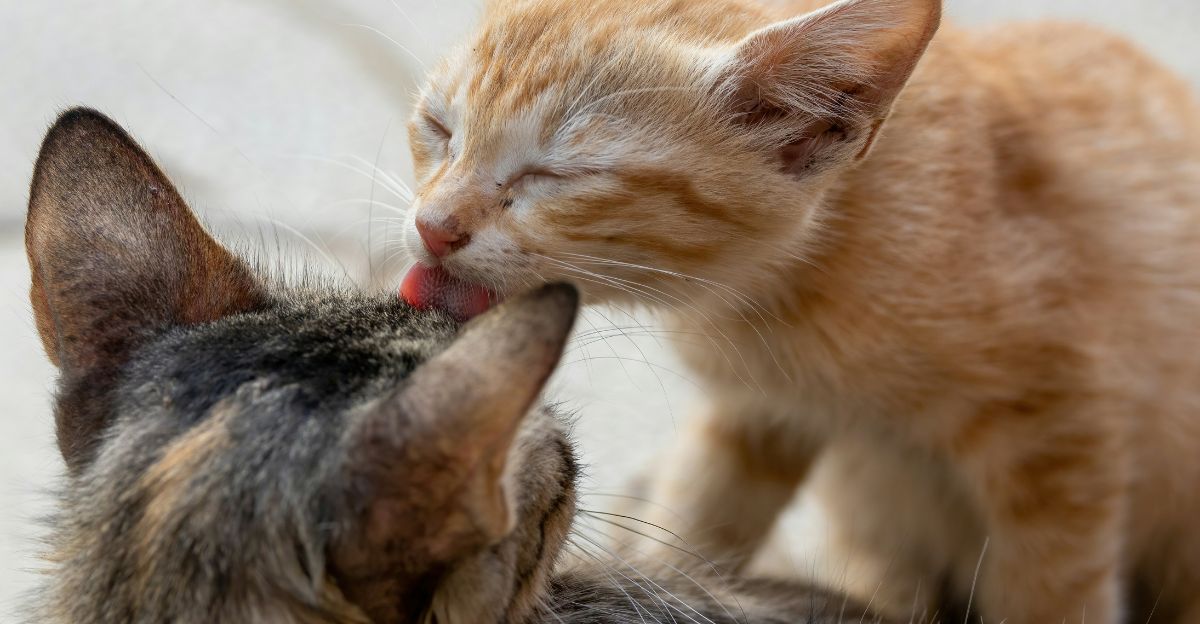
Cats groom each other as a social activity. This is called allogrooming. It strengthens bonds between cats living together. They often lick each other’s heads and necks. These areas are hard to reach alone. Social grooming shows trust and friendship. It helps reduce tension and keeps group harmony. When a cat allows petting, it may see it as a form of social grooming. This can explain why many cats enjoy being petted in certain spots.
Petting Vs Grooming
Petting and grooming are two ways humans interact with cats. Both involve touch but serve different purposes. Petting usually feels relaxing and enjoyable for cats. Grooming helps keep their fur clean and healthy. Understanding the differences helps improve your bond with your cat.
Physical Differences
Petting is gentle stroking on the fur or head. It uses soft, slow hand movements. You often pet the cat’s back, chin, or behind ears. Grooming involves brushing or combing the fur. It removes dirt, loose hair, and tangles. Grooming tools like brushes or combs make the process easier. Grooming can take longer than petting and requires more care.
Emotional Responses
Cats often purr or nuzzle when petted. Petting can calm a nervous or stressed cat. It creates a feeling of comfort and safety. Grooming may feel different to cats. Some enjoy it, while others get restless. Grooming builds trust but can be less relaxing. Cats may tolerate grooming for health benefits rather than pleasure.
How Cats Perceive Petting
Cats often see petting as a form of grooming, similar to how they clean each other. This touch helps them feel safe and cared for. Petting mimics natural social behavior among cats.
How Cats Perceive Petting Understanding how cats perceive petting can be both fascinating and enlightening. It’s not just a simple stroke of fur; it’s a form of communication. Cats interpret petting in ways that may surprise you and can significantly affect their behavior.Comfort And Bonding
Petting provides comfort to cats, resembling the grooming they experienced as kittens. This act is soothing and can help in building a deep bond between you and your feline friend. When you pet your cat, you’re not just offering affection but also strengthening your relationship. Have you ever noticed your cat purring more when you pet them in a specific spot? That’s a sign of comfort and trust. Cats often associate the gentle strokes with security and companionship.Trust Signals
Cats use petting as a gauge of trust. When they allow you to pet them, especially in vulnerable areas like their belly, it’s a clear signal of trust. This gesture shows they feel safe and secure with you. Think about the last time your cat rolled over for a belly rub. It wasn’t just a cute moment; it was a significant trust signal. Cats don’t expose their bellies to just anyone, so consider it a compliment! Petting can also be a way for cats to communicate their mood. They might lean into your hand or nudge you, expressing their desire for more affection or signaling they’re content. Understanding these signals can enhance your connection with your cat. Remember, each cat is unique. What works for one might not work for another, so pay attention to your cat’s preferences and cues. How does your cat react to being petted? Observing their behavior can offer insights into their unique personality.When Petting Mimics Grooming
When you pet your cat, it often feels like a simple act of affection. However, for your feline friend, petting can sometimes mirror the grooming they do for themselves or each other. This connection between petting and grooming explains why cats often purr and relax deeply during a gentle stroke.
Similar Sensory Experiences
Petting and grooming both stimulate the same nerve endings in a cat’s skin. This shared sensory experience can trigger feelings of comfort and security. You might notice your cat closing their eyes or leaning into your hand because the sensation closely resembles the self-care they perform.
Think about the rhythm you use when petting your cat. Slow, repetitive strokes along their fur mimic the motions they make with their tongue during grooming. This familiar touch helps reduce stress and builds trust between you and your cat.
Situations That Trigger Grooming Behavior
Have you observed your cat licking themselves or others after being petted? This behavior often happens because petting can stimulate their grooming instincts. Cats may respond by grooming to reinforce social bonds or calm themselves.
Stressful moments, like visits to the vet or changes in the environment, can also lead your cat to groom more frequently. If you pet them during these times, it might encourage grooming as a way to cope. Understanding this connection can help you recognize when your cat needs comfort versus when they simply want attention.
Signs Cats Show During Grooming And Petting
Cats show clear signs during grooming and petting. These signs help us understand their feelings. Observing these signs makes petting a positive experience. Cats communicate a lot through their body and sounds.
Body Language Cues
- Slow blinking means trust and comfort.
- Tail held high shows happiness.
- Leaning into your hand signals they enjoy petting.
- Kneading with paws indicates relaxation.
- Flattened ears or twitching tail show discomfort.
- Turning head away may mean they want a break.
Vocalizations And Purring
- Soft purring often means contentment.
- Chirps and trills can show excitement.
- Meowing varies but can ask for more petting.
- Hissing or growling signals they feel threatened.
- Quiet meows may mean they want attention gently.
- Changes in pitch can reflect mood shifts.
Credit: hellopetsinc.com
Benefits Of Petting For Cats
Petting cats offers many benefits beyond simple affection. It supports their health and emotional well-being. Cats often enjoy gentle strokes, which can feel like grooming to them. This interaction helps build trust and comfort between cats and their humans.
Stress Reduction
Petting calms cats by lowering stress levels. Soft strokes slow their heart rate and relax muscles. This soothing touch can reduce anxiety and fear. Cats may purr or knead during petting, signs of contentment. Regular petting sessions create a peaceful environment for cats.
Strengthening Human-cat Bond
Petting deepens the connection between cats and owners. It shows care and attention, making cats feel safe. Positive interactions increase trust and friendship. Cats often seek out petting as a way to be close. This bond improves communication and mutual understanding over time.
Tips For Petting That Cats Enjoy
Petting cats is more than just a simple touch. It can build trust and comfort between you and your feline friend. Knowing how to pet cats properly helps them feel safe and happy. Cats do not always see petting as grooming, but they enjoy gentle, thoughtful touches. Understanding their preferences makes petting a pleasant experience for both.
Preferred Areas To Pet
Cats like certain spots more than others. Start by gently stroking the top of their head and behind their ears. Many cats enjoy soft scratches under the chin and along the cheeks. Avoid the belly unless your cat shows clear signs of trust. Watch their body language for signs of pleasure or discomfort.
- Top of the head
- Behind the ears
- Under the chin
- Along the cheeks
Timing And Duration
Short, calm petting sessions work best. Cats prefer gentle strokes lasting just a few minutes. Stop petting if your cat tries to move away or shows signs of irritation. Choose quiet moments when your cat is relaxed, like after a nap or meal. This makes petting feel safe and enjoyable for them.

Credit: www.angiesmobilepetstyling.com

Credit: www.latimes.com
Frequently Asked Questions
Do Cats See Petting As Grooming?
Cats often interpret petting as a form of grooming. It mimics the gentle strokes they experience during mutual grooming, which builds trust and bonding. Petting can trigger positive feelings similar to being groomed by another cat.
How Does Grooming Benefit Cats Socially?
Grooming strengthens social bonds between cats. It reduces stress and promotes relaxation. When you pet your cat, it can simulate this social grooming, helping your cat feel secure and connected.
Can Petting Replace A Cat’s Self-grooming?
Petting cannot fully replace a cat’s self-grooming. Cats groom themselves to clean fur and regulate temperature. However, petting provides comfort and emotional support, complementing their grooming routine.
Why Do Cats Purr When Being Petted?
Cats purr during petting as a sign of contentment and relaxation. It indicates they feel safe and enjoy the interaction. Purring can also promote healing and reduce stress.
Conclusion
Cats often see petting as a form of grooming. They enjoy the touch and attention from their owners. Petting helps build trust and comfort between you and your cat. While petting is not the same as full grooming, it still feels soothing to them.
Understanding this can improve your bond with your pet. Spend time petting gently and watch your cat relax. It shows care and keeps your cat happy and calm. Simple moments like these matter a lot.

Leave a Reply