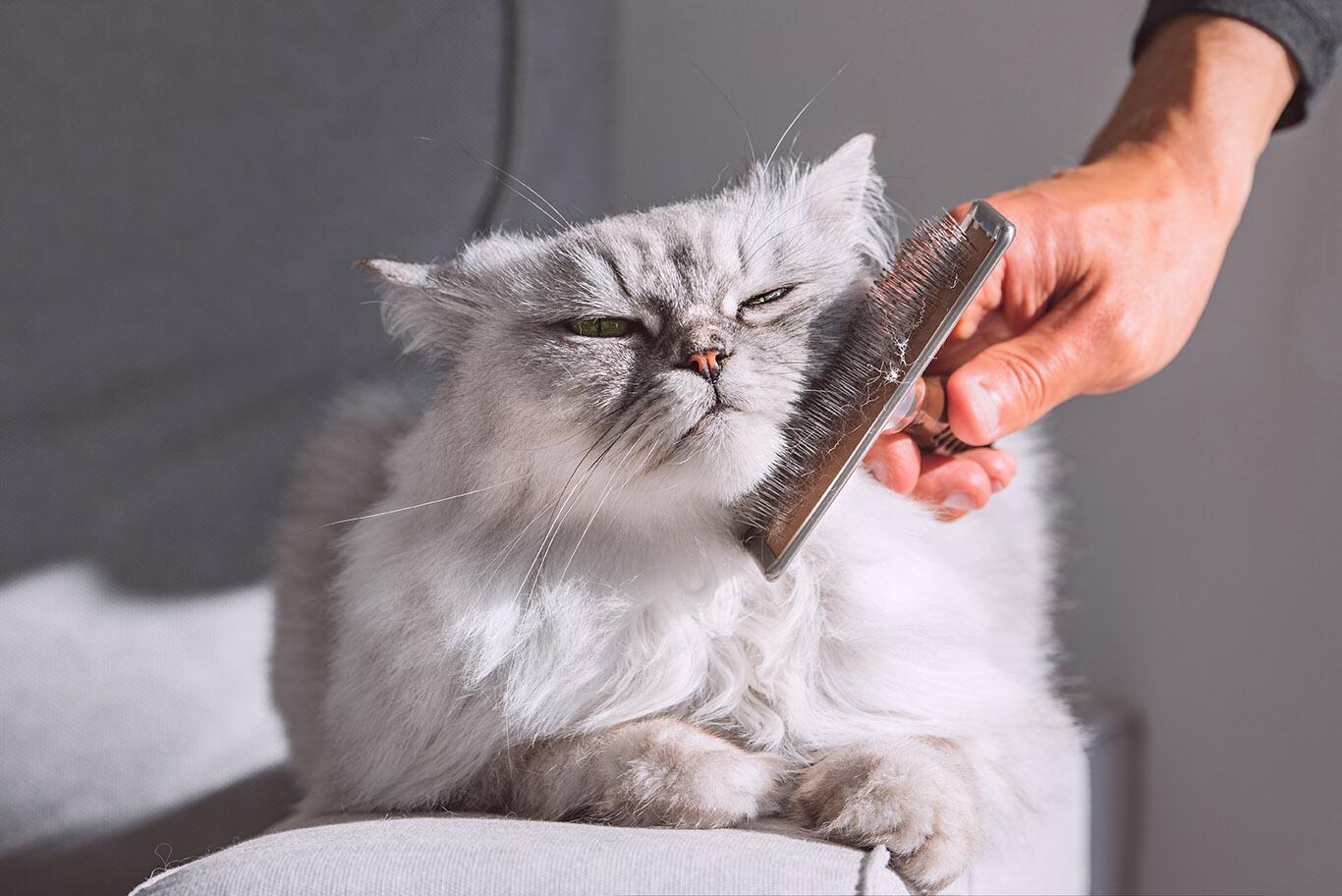
Do cats really need grooming? You might think they take care of themselves, but there’s more to it than just licking fur.
If you want your feline friend to stay healthy, comfortable, and looking their best, understanding grooming is key. You’ll discover why grooming matters, how it benefits your cat, and simple tips you can use at home. Keep reading—you’ll find out things that could change the way you care for your cat forever.
Why Grooming Matters
Grooming is an important part of caring for cats. It keeps them healthy and comfortable. Regular grooming helps avoid many common problems. Cats enjoy being brushed and cleaned too. It strengthens the bond between you and your pet.
Benefits For Skin And Coat
Brushing removes dirt and dead skin cells. It spreads natural oils that keep fur shiny. Grooming stops mats and tangles from forming. Healthy skin means less itching and irritation. It also helps spot skin problems early.
Preventing Hairballs
Cats lick their fur to clean themselves. This causes loose hair to be swallowed. Hair can build up and form hairballs. Grooming removes loose hair before your cat swallows it. It lowers the chance of hairballs causing problems.
Reducing Shedding
Regular grooming reduces loose fur around the house. It helps keep your home cleaner and fresher. Less shedding means less fur on furniture and clothes. It also makes your cat feel more comfortable.

Credit: www.latimes.com
Signs Your Cat Needs Grooming
Cats usually groom themselves, but they may need some help sometimes. Recognizing signs that your cat needs grooming keeps them healthy and comfortable. Watch for changes in their coat or skin. These signs show when grooming can improve their well-being.
Mattes And Tangles
Mattes are clumps of fur that stick together tightly. Tangles feel like knots in your cat’s fur. They can cause pain and skin problems. Cats with long hair often get mattes more easily. Grooming removes these knots before they worsen. Untreated mattes can pull on the skin and cause sores.
Excessive Shedding
Shedding is normal, but too much means grooming is needed. Large amounts of loose fur can make a mess at home. It also means your cat’s skin may be dry or irritated. Brushing helps remove dead hair and spreads natural oils. This keeps the coat shiny and skin healthy.
Dull Or Oily Fur
Healthy fur looks shiny and smooth. Dull fur lacks shine and feels rough. Oily fur looks greasy and clumps together. These signs show your cat’s coat needs cleaning. Regular grooming removes dirt and distributes oils evenly. It also helps spot skin problems early.
Grooming Basics For Cats
Grooming your cat is more than just keeping them clean; it’s essential for their health and happiness. Understanding the basics of grooming helps you create a routine that suits your cat’s unique needs. Let’s look at the key aspects that make grooming effective and enjoyable for both of you.
Choosing The Right Tools
Picking the right grooming tools can make a big difference in how your cat responds. You’ll want a brush or comb that matches your cat’s fur type—short, long, or curly. For example, a slicker brush works well for long-haired cats, while a rubber brush suits short-haired breeds.
Consider tools with comfortable handles to give you better control. Don’t forget nail clippers designed specifically for cats to keep their claws healthy. Have you noticed how your cat reacts to different brushes? Their comfort matters most.
Brushing Techniques
Brushing your cat regularly reduces shedding and prevents matting. Start by gently stroking in the direction of hair growth to avoid discomfort. Use short, gentle strokes around sensitive areas like the belly and tail.
Consistency is key—try brushing your cat a few times a week, increasing frequency during shedding seasons. Watch for signs of irritation or stress and adjust your approach. Have you found a spot your cat loves to be brushed?
Bathing Tips
Bathing cats isn’t always necessary, but some situations call for it, like if your cat gets into something sticky or smelly. Use lukewarm water and a cat-specific shampoo to protect their skin. Avoid human shampoos, which can be too harsh.
Keep the bath short and calm. Talk softly and use gentle motions to help your cat feel safe. Afterward, dry your cat thoroughly with a towel, and if they tolerate it, a low heat hair dryer on a gentle setting.

Credit: services.petsmart.com
Special Care For Different Coat Types
Cats with long fur need regular brushing to avoid tangles and mats. Short-haired cats benefit from occasional grooming to remove loose hair and dirt. Each coat type requires special care to keep cats clean and comfortable.
Cats are known for their grooming habits, but they still need human help. Different coat types require specific grooming techniques. This ensures your cat stays healthy and comfortable. Each coat type has unique needs. Let’s explore how to care for them.Short-haired Cats
Short-haired cats are low maintenance. They shed less than long-haired breeds. Weekly brushing removes loose hair and reduces shedding. Use a soft-bristle brush for comfort. Regular grooming prevents hairballs and keeps the coat shiny. Pay attention to ears and nails too.Long-haired Cats
Long-haired cats need more grooming. Their coats tangle easily. Daily brushing prevents mats and tangles. Use a wide-tooth comb for stubborn knots. Be gentle to avoid hurting your cat. Regular baths help manage excess oils and dirt. Ensure you dry their fur thoroughly.Hairless Breeds
Hairless breeds require unique care. Their skin is sensitive and needs moisture. Bathe them weekly to remove oils and dirt. Use a mild shampoo suitable for cats. Dry skin can cause discomfort. Apply a cat-safe moisturizer to keep the skin healthy. Check ears regularly for wax buildup.Handling Grooming Challenges
Grooming cats can be tricky. Some cats do not like being touched or brushed. Others have delicate skin that needs gentle care. Knowing how to handle these challenges helps keep your cat calm and healthy. It makes grooming easier for both of you.
Dealing With Aggressive Cats
Aggressive cats may hiss, scratch, or bite during grooming. Stay calm and patient. Use soft voices to soothe your cat. Try short grooming sessions to avoid stress. Offer treats to create positive feelings. Use grooming tools with soft bristles to reduce discomfort.
Managing Sensitive Skin
Sensitive skin can get red or irritated easily. Choose gentle, hypoallergenic shampoos and brushes. Avoid over-brushing to prevent skin damage. Check your cat’s skin regularly for dryness or sores. Use lukewarm water during baths to avoid shocking the skin.
When To Seek Professional Help
Sometimes, grooming challenges need expert care. Visit a professional groomer if your cat is too aggressive. Seek help if your cat has matted fur that you cannot remove. Consult a vet if skin problems worsen or cause pain. Professionals have tools and skills for tough grooming tasks.
Additional Grooming Practices
Beyond regular brushing, there are several other grooming tasks that keep your cat healthy and comfortable. These additional practices often go unnoticed but play a vital role in your cat’s well-being. Paying attention to these areas can prevent common health issues and improve your cat’s quality of life.
Nail Trimming
Trimming your cat’s nails helps avoid painful scratches and damage to furniture. It’s best to trim nails every couple of weeks, depending on how quickly they grow. Use a special pet nail clipper and be careful not to cut too close to the quick, the sensitive part inside the nail.
Does your cat resist nail trimming? Try gently playing with their paws first to get them used to the feeling. Regular short sessions work better than forcing a long trim at once.
Ear Cleaning
Dirty ears can cause discomfort and infections in cats. Check your cat’s ears regularly for dirt, wax, or a foul smell. Use a damp cotton ball or a vet-approved ear cleaner to gently wipe the outer ear.
Avoid using cotton swabs deep inside the ear canal, as this can cause injury. If your cat scratches their ears often or shakes their head, it might be time for a vet visit.
Dental Care
Oral hygiene is often overlooked but crucial for your cat’s health. Plaque buildup can lead to bad breath, gum disease, and tooth loss. Brushing your cat’s teeth with a pet-safe toothpaste at least a few times a week can make a huge difference.
If brushing isn’t an option, dental treats and toys designed to reduce plaque can help. Have you noticed your cat drooling or avoiding hard food? These signs might mean dental problems need attention.
Creating A Grooming Routine
Creating a grooming routine for your cat helps keep their coat clean and healthy. Regular grooming prevents mats and reduces shedding. It also strengthens the bond between you and your pet. A well-planned routine makes grooming easier and less stressful for both of you.
Establishing Consistency
Set a regular time for grooming sessions. Short, frequent sessions work best for cats. Choose a quiet spot free from distractions. Stick to the schedule to build a habit. Consistency helps your cat feel safe and calm. Over time, grooming becomes a normal part of their day.
Making Grooming Enjoyable
Use a soft brush that suits your cat’s fur type. Speak in a gentle voice during grooming. Offer treats before, during, or after sessions. Pause if your cat shows signs of stress. Turn grooming into a relaxing, positive experience. This encourages your cat to cooperate happily.
Monitoring Coat Health
Check your cat’s fur and skin regularly. Look for signs of dryness, dandruff, or parasites. Notice any unusual lumps or hair loss. Healthy fur is shiny and smooth without tangles. Early detection helps prevent skin problems. Keep notes on any changes to share with your vet.

Credit: www.purina.com
Frequently Asked Questions
Do Cats Need Regular Grooming?
Yes, cats benefit from regular grooming to remove loose fur, reduce shedding, and prevent mats. It also promotes healthy skin and bonding.
How Often Should You Groom A Cat?
Groom short-haired cats weekly and long-haired cats daily. Adjust frequency based on your cat’s coat type and grooming needs.
Can Grooming Prevent Cat Hairballs?
Yes, grooming reduces loose fur your cat might ingest. Regular brushing helps minimize hairballs and digestive issues caused by swallowed fur.
What Tools Are Best For Cat Grooming?
Use a soft-bristle brush for short hair and a wide-toothed comb or slicker brush for long hair. Choose gentle, cat-friendly tools.
Conclusion
Cats need grooming to stay healthy and happy. Regular brushing helps prevent hairballs and mats. It also keeps their skin clean and free from dirt. Grooming strengthens the bond between you and your cat. Short-haired cats need less grooming than long-haired ones.
Watch for signs of discomfort or skin problems. A little care goes a long way for your cat’s well-being. Simple grooming routines make a big difference in their life. Keep your cat comfortable and looking great with regular grooming.



Leave a Reply