Have you ever noticed your cat scratching more than usual and wondered why? Some cat breeds tend to itch themselves more than others, and understanding this can help you keep your furry friend comfortable and happy.
If you want to know which cats are the itchiest and what causes this behavior, you’re in the right place. Keep reading to discover the breeds that scratch the most and learn how you can help your cat find relief.
Credit: www.diamondpet.com
Common Causes Of Cat Itching
Seeing your cat scratch more than usual can be worrying. It’s important to understand what causes this itching to keep your feline friend comfortable and healthy. Many factors can trigger constant scratching, and knowing these can help you spot the problem early and act fast.
Allergies And Sensitivities
Allergies are a common reason cats itch themselves. Your cat may react to certain foods, pollen, or even household cleaning products. These allergies cause skin irritation, leading your cat to scratch repeatedly.
Have you noticed your cat scratching more after a new meal or during certain seasons? These clues point to sensitivities that might need adjusting in their diet or environment.
Parasites And Fleas
Parasites like fleas are notorious for causing intense itching. Even one flea can cause your cat to scratch nonstop. Flea bites release saliva that irritates the skin, and your cat’s reaction can be severe.
If your cat is scratching in specific spots like the neck or tail base, check for tiny black flea dirt or fleas themselves. It’s a good idea to act quickly with flea treatments to stop the discomfort.
Skin Infections
Bacterial or fungal infections on the skin can also make your cat itch. These infections often develop from wounds or excessive scratching itself. The infected areas may look red, scaly, or have hair loss.
If you see any unusual patches on your cat’s skin, don’t wait. A vet visit can help diagnose and treat infections before they worsen.
Environmental Factors
Sometimes, your cat’s surroundings cause itching. Dry air, harsh soaps, or even certain fabrics can irritate their sensitive skin. Changes in environment, like moving to a new home, can also stress your cat and lead to itching.
Think about recent changes around your cat. Could a new shampoo, blanket, or even the weather be the culprit? Small adjustments might bring big relief.
Breeds Prone To Itching
Some cat breeds tend to itch more than others, and understanding which ones are prone to scratching can help you care for your feline friend better. Itching can be a sign of sensitive skin, allergies, or other health issues. Knowing the breeds that commonly experience this can prepare you to provide the right treatments and prevent discomfort.
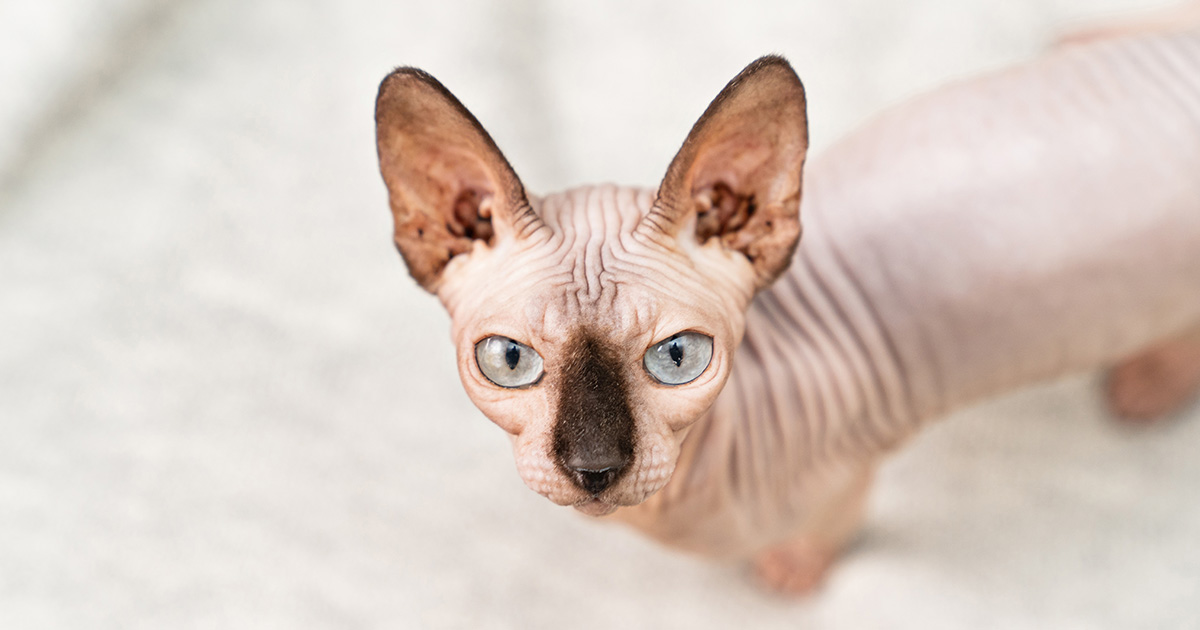
Sphynx
The Sphynx cat, famous for its hairless appearance, often experiences more itching than other breeds. Without a protective coat, their skin is exposed to irritants and can get oily or dry quickly.
If you have a Sphynx, regular baths and moisturizing might become part of your routine. Have you noticed your cat scratching more after certain activities or environments? That could be a clue to what triggers their itchiness.
Devon Rex
Devon Rex cats have a unique curly coat that can sometimes lead to skin sensitivity. Their fur doesn’t protect them as well from allergens or parasites, causing frequent itching.
Owners often find that gentle grooming and hypoallergenic shampoos help reduce their cats’ scratching. Watching for signs of irritation can help catch problems early and keep your Devon Rex comfortable.
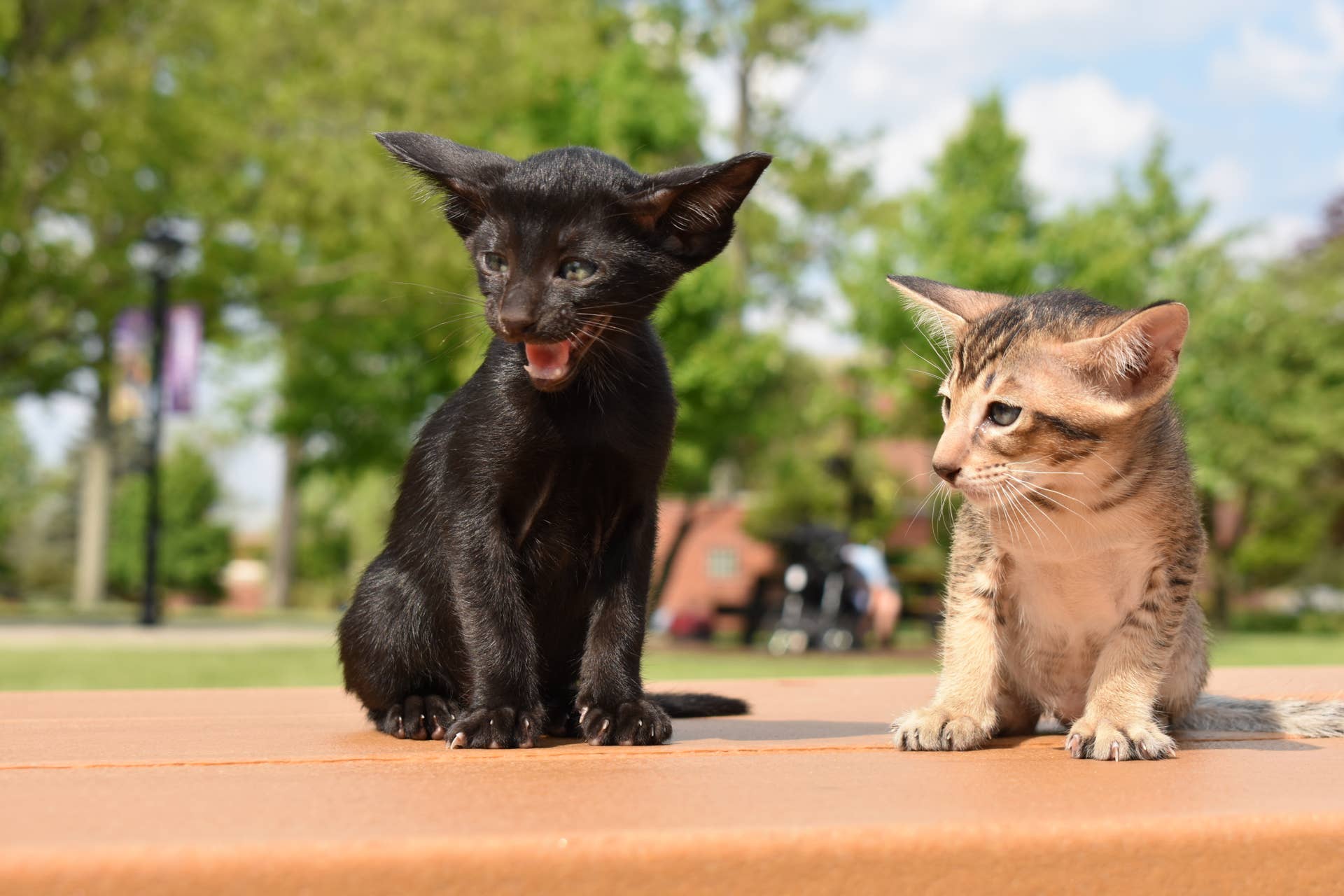
Oriental Shorthair
Oriental Shorthairs have short, fine fur that might not shield their skin well, making them prone to itching. They can also be sensitive to environmental allergens like dust and pollen.
Pay attention to when your cat itches most. Is it after playing outside or in certain rooms? Identifying patterns can help you reduce exposure to irritants.
Siamese
Siamese cats are known for their vocal personalities, but they also often deal with itchy skin. Their thin coat and delicate skin make them vulnerable to allergies and parasites.
Keeping Siamese cats indoors and maintaining a clean environment can help minimize itching. Do you keep track of what foods or products might trigger their scratching? It’s worth noting to avoid flare-ups.
Abyssinian
Abyssinians have a dense, short coat, yet they can still suffer from itching due to skin sensitivities or flea allergies. Their active nature means they often explore places where irritants lurk.
Regular flea prevention and skin checks are essential for Abyssinians. Have you tried different grooming products or routines to see what eases your cat’s itching? Small changes can make a big difference.
Genetic Factors Behind Itching
Itching in cats can often feel like a simple annoyance, but for some breeds, it’s a persistent issue rooted deep within their genes. Understanding the genetic factors behind itching can help you better care for your furry friend and prevent unnecessary discomfort. It’s not just about allergies or fleas; some cats inherit specific traits that make them prone to skin irritation.
Inherited Skin Conditions
Certain breeds carry genetic skin disorders that cause chronic itching. For example, the Devon Rex and Cornish Rex are known to have sensitive skin that can flare up easily. These conditions often lead to dry, flaky patches or inflamed skin, which triggers constant scratching.
If you notice your cat scratching more than usual, consider if their breed has a history of inherited skin problems. Early veterinary advice can make a big difference in managing these issues before they worsen.
Breed-specific Allergies
Some cat breeds are genetically predisposed to allergies that cause intense itching. Siamese cats, for instance, often suffer from food or environmental allergies that result in skin irritation. These breed-specific allergies can make your cat scratch or lick themselves excessively, sometimes leading to hair loss or sores.
Knowing your cat’s breed-related allergy risks allows you to tailor their diet and environment to reduce triggers. Have you ever noticed that your cat reacts differently to certain foods or seasons? That might be a clue linked to their genetic makeup.
Credit: pethelpful.com
Signs Your Cat Is Itching Too Much
Cats that itch often scratch, bite, or rub their skin more than usual. Breeds like Siamese and Sphynx tend to itch themselves frequently due to sensitive skin or allergies. Watch for redness, hair loss, or constant grooming as signs of discomfort.
Signs Your Cat is Itching Too Much Cats often scratch to relieve itchiness. But excessive scratching can signal problems. Understanding these signs helps keep your cat healthy.Behavioral Indicators
Watch your cat’s behavior closely. Frequent scratching is a key sign. Look for restlessness or constant grooming. Your cat may also seem irritable or anxious. These behaviors can indicate discomfort.Physical Symptoms
Physical signs help identify itching issues. Check for red or inflamed skin. Bald spots or thinning fur may appear. Small bumps or scabs could develop on the skin. Ears are also important to inspect. Excessive scratching can lead to ear infections. Look for redness or discharge in the ear area.Preventing And Managing Itching
Preventing and managing itching in cats is key to keeping them happy and healthy. Persistent scratching can cause skin damage and discomfort. Understanding simple care routines can reduce itching and improve your cat’s quality of life.
Paying attention to grooming, diet, environment, and medical care helps control itching effectively. Each factor plays a role in maintaining your cat’s skin and coat health.
Regular Grooming Tips
- Brush your cat’s fur daily to remove loose hair and dirt.
- Check for fleas, ticks, and skin irritations during grooming.
- Use gentle shampoos made for cats when bathing.
- Trim nails regularly to prevent self-inflicted wounds from scratching.
- Clean ears carefully to avoid infections that cause itching.
Diet And Nutrition
- Feed high-quality food rich in omega-3 and omega-6 fatty acids.
- Include supplements like fish oil to support skin health.
- Avoid food allergens that may cause itchiness and allergies.
- Provide fresh water to keep skin hydrated from within.
- Monitor your cat’s weight to prevent skin issues linked to obesity.
Environmental Control
- Keep your home clean to reduce dust and allergens.
- Use air purifiers to improve air quality around your cat.
- Wash bedding frequently to eliminate mites and bacteria.
- Maintain comfortable humidity levels to prevent dry skin.
- Avoid harsh chemicals and sprays near your cat’s resting areas.
Veterinary Treatments
- Consult a vet for persistent or severe itching problems.
- Use prescribed flea and tick preventatives regularly.
- Follow treatment plans for allergies or infections strictly.
- Ask about medicated shampoos or topical treatments if needed.
- Schedule regular check-ups to catch skin issues early.
When To See A Vet
Knowing when to take your cat to the vet for itching issues can save your furry friend from discomfort and serious health problems. While some scratching is normal, excessive itching may signal an underlying condition that needs professional care. Pay close attention to your cat’s behavior and physical signs to decide if a vet visit is necessary.
Persistent Itching
If your cat is scratching nonstop for days or weeks, this is a red flag. Persistent itching often points to allergies, parasites, or skin conditions that won’t go away on their own.
Ask yourself: Is your cat still itching despite home treatments like flea control or changing food? If yes, it’s time to see a vet for a proper diagnosis and targeted treatment.
Secondary Infections
Scratching can cause open wounds or sores, which may lead to infections. Look for signs like redness, swelling, pus, or a bad smell around the irritated areas.
These infections can worsen quickly and require medical attention. Don’t wait until the infection spreads—early vet visits help prevent complications.
Changes In Behavior
Does your cat seem more irritable, lethargic, or hide more than usual? Behavioral changes can indicate discomfort or pain from itching.
Sometimes, cats mask their symptoms, so any unusual behavior combined with itching should prompt a vet consultation. Your cat’s wellbeing depends on catching these signs early.
Credit: www.diamondpet.com
Frequently Asked Questions
Which Cat Breeds Itch Themselves Most Frequently?
Sphynx, Devon Rex, and Oriental Shorthair cats often itch more. Their sensitive skin or allergies cause frequent scratching. Regular grooming and vet visits help manage this behavior.
Why Do Some Cat Breeds Itch More Than Others?
Certain breeds have thinner or sensitive skin prone to allergies. Genetic factors and coat type influence itching frequency. Proper care and diet reduce itchiness effectively.
How Can I Reduce My Cat’s Itching?
Use hypoallergenic shampoos and maintain regular grooming. Ensure a balanced diet and consult a vet for allergies. Keeping your cat’s environment clean also helps minimize itching.
Are Itchy Cats More Prone To Skin Infections?
Yes, excessive itching can lead to skin damage and infections. Treating the root cause early prevents complications. Regular vet check-ups are essential for itchy cats.
Conclusion
Certain cat breeds tend to itch more often than others. This can be due to skin type, allergies, or coat length. Paying attention to your cat’s scratching helps keep them healthy. Regular grooming and vet visits can reduce itching. Remember, a happy cat is a comfortable cat.
Understanding your pet’s needs improves their quality of life. Keep an eye out for signs of skin problems. Taking action early prevents bigger health issues later. Every cat deserves care and comfort every day.



Leave a Reply