Have you noticed your older cat looking a little less tidy than usual? You might be wondering, “Do old cats stop grooming?” It’s natural to worry when your furry friend’s coat seems dull or unkempt.
Grooming is more than just keeping clean—it’s a sign of your cat’s health and happiness. If your cat’s grooming habits are changing, it’s important to understand why. Keep reading to discover what’s behind this change and what you can do to help your beloved pet feel comfortable and cared for every day.
Why Grooming Matters For Cats
Grooming is more than just a way for cats to look neat and tidy. It plays a vital role in their health and well-being. When you understand why grooming matters, you can better support your cat, especially as they get older.
Maintaining Cleanliness And Comfort
Cats use grooming to keep their fur clean and free of dirt and parasites. This helps prevent skin infections and irritations. Have you noticed how a well-groomed cat often looks more relaxed and content?
Regulating Body Temperature
Grooming spreads natural oils across your cat’s fur. These oils protect the skin and help regulate body temperature. Without regular grooming, your cat might feel too hot or cold, which can lead to discomfort.
Stimulating Blood Circulation
The act of licking and cleaning stimulates blood flow to the skin. This promotes healthy skin and fur growth. When grooming slows down in older cats, their skin may become dry or flaky due to reduced circulation.
Reducing Stress And Anxiety
Grooming can calm cats and reduce stress. It’s a self-soothing behavior that helps them feel secure. If your cat stops grooming, it might be a sign they’re feeling unwell or stressed.
How Grooming Reflects Overall Health
Your cat’s grooming habits can reveal a lot about their health. Changes in grooming behavior might indicate pain, arthritis, or dental problems. Paying attention to these signs can help you catch health issues early.
How Aging Affects Cat Grooming
As cats age, their grooming habits often change. This happens because their bodies and abilities evolve over time. Older cats may find it harder to keep themselves clean. Understanding these changes helps cat owners provide better care.
Physical Challenges In Senior Cats
Older cats often face joint pain and arthritis. These issues make it difficult to reach certain areas. Grooming becomes a tiring task for them. Less movement leads to less grooming.
Changes In Fur And Skin
Aging cats may have duller fur and dry skin. Their coat loses the shine it once had. Skin becomes thinner and more fragile. This makes grooming more important but also harder.
Decreased Energy Levels
Senior cats tend to have less energy. They may groom less because they feel tired. Lack of energy reduces their interest in daily grooming. This can lead to matted fur and dirt buildup.
Dental Problems Affect Grooming
Dental pain or tooth loss can affect grooming. Cats use their tongue to clean themselves. Mouth pain can cause them to stop grooming. This issue often goes unnoticed by owners.
Changes In Behavior And Mental Health
Older cats may experience confusion or stress. These changes can reduce grooming habits. Anxiety or cognitive decline impacts their self-care routines. They may groom less or stop altogether.
Signs Your Senior Cat Is Grooming Less
Older cats may groom less, causing their fur to look dull or matted. Noticeable dirt or oily patches can also signal decreased grooming. Changes in behavior, like less licking or scratching, often show grooming has slowed down.
As cats age, their grooming habits can change significantly. You might notice your once fastidious feline starting to slack off on their grooming routine. This can be concerning, and it’s important to recognize the signs that your senior cat is grooming less. Understanding these signs can help you provide the care your aging pet needs to stay healthy and comfortable.Changes In Coat Appearance
A noticeable shift in the appearance of your cat’s coat is often the first clue. You might see more matting or tangling, especially in long-haired breeds. The fur can look dull and unkempt instead of shiny and smooth. Suddenly finding clumps of loose hair around the house? This could be another indicator that grooming has taken a backseat. Regular grooming helps cats manage their shedding, so less grooming can lead to more loose hair.Skin Issues
When cats groom less, dead skin cells and oils can build up, leading to skin problems. You might notice dandruff or patches of dry skin on your cat. These skin issues can cause discomfort and even lead to itching and irritation. Pay attention to any new or worsening skin conditions. They might be a sign that your cat isn’t grooming effectively. If left unchecked, minor skin issues can develop into more serious infections.Behavioral Changes
Behavioral changes can also signal a decline in grooming habits. Is your cat spending less time licking and cleaning their fur? Perhaps they seem more withdrawn or less active. These changes can be due to physical discomfort or pain, making it harder for your cat to groom. Arthritis, for example, is common in older cats and can make the stretching required for grooming painful. Have you noticed your cat engaging in other odd behaviors? It could be a sign they’re trying to compensate for not grooming, like over-grooming one specific area while neglecting others. By staying vigilant and aware of these signs, you can help ensure your senior cat remains healthy and comfortable. What are some changes you’ve noticed in your aging cat? Share your experiences and insights below.
Credit: www.kinship.com
Common Causes Of Reduced Grooming In Older Cats
Older cats often groom less as they age. Grooming keeps their fur clean and skin healthy. Reduced grooming can signal health issues. Recognizing common causes helps owners provide better care.
Arthritis And Mobility Problems
Arthritis affects many senior cats. Joint pain makes reaching certain areas hard. Cats may avoid grooming sore spots. Stiffness reduces their ability to clean themselves.
Dental Pain
Dental problems cause discomfort while grooming. Pain in the mouth can lower grooming frequency. Cats may stop licking their fur to avoid pain. Regular dental checks can detect these issues early.
Vision Or Hearing Loss
Loss of sight or hearing confuses some cats. They might feel less aware of their body. Grooming becomes less frequent without clear sensory feedback. This affects their usual cleaning habits.
Chronic Illnesses
Chronic diseases drain a cat’s energy. Illnesses like kidney or thyroid problems cause fatigue. Tired cats groom less often and less thoroughly. Identifying illness early improves their comfort and care.
Health Risks Linked To Poor Grooming
Poor grooming in older cats can lead to serious health issues that often go unnoticed until they worsen. When your cat stops cleaning itself regularly, the risks extend beyond just an untidy coat. Understanding these health risks can help you catch problems early and keep your furry friend comfortable and healthy.
Skin Infections
Dirty or matted fur creates a perfect environment for bacteria and fungi to grow. This can cause painful skin infections that may lead to redness, swelling, and even open sores. If you notice your cat scratching more than usual or spots of hair loss, it might be a sign of an underlying skin infection.
Regular grooming helps remove dirt and dead skin cells, reducing the chance of infections. If your elderly cat isn’t grooming, consider checking their skin regularly or consulting your vet for treatment options.
Matting And Hairballs
Without grooming, your cat’s fur can become tangled and matted, trapping dirt and debris close to the skin. Matted fur can pull on your cat’s skin, causing discomfort and restricting movement. It also makes it harder for your cat to clean itself, creating a vicious cycle.
Hairballs form when cats swallow loose fur, and poor grooming increases the amount of fur they ingest. These hairballs can cause digestive blockages, which are painful and sometimes require medical intervention. You can help by brushing your cat regularly and providing hairball remedies if needed.
Discomfort And Stress
When grooming is neglected, your cat may feel uncomfortable due to itchy skin, mats, or infections. This discomfort often leads to stress and behavioral changes such as hiding, aggression, or decreased appetite. Have you noticed your cat acting differently lately? It could be linked to discomfort from poor grooming.
Helping your cat stay clean can improve their mood and overall well-being. Simple grooming sessions can be a great way to bond and reduce their stress, making them feel cared for and safe.

Credit: www.purina.com
How To Help Your Older Cat Groom
Older cats may groom less due to pain, arthritis, or fatigue. Helping your senior cat stay clean supports their health and comfort. Gentle care and attention improve their coat and skin condition. Simple grooming routines strengthen your bond and keep your cat happy.
Regular Brushing Techniques
Use a soft brush designed for cats. Brush gently to avoid hurting sensitive skin. Focus on areas your cat can’t reach well, like the back and neck. Brush in the direction of hair growth. Short, calm sessions work best. Praise your cat to create a positive experience.
Bathing Tips For Senior Cats
Bath only if necessary, as many cats dislike water. Use warm water and a mild cat shampoo. Prepare everything before starting to avoid stress. Support your cat’s body gently during the bath. Rinse thoroughly to remove all soap. Dry your cat well with a towel in a warm room.
Checking For Health Issues
Look for signs of skin problems like redness or sores. Watch for lumps or bumps under the fur. Notice any unusual odors or hair loss. Check your cat’s teeth and gums during grooming. Report any changes to your vet quickly. Early care can prevent bigger health problems.
Diet And Hydration Support
Good nutrition helps keep skin and fur healthy. Offer wet food to boost hydration. Provide fresh water in several places around the home. Consider supplements like omega-3 fatty acids after vet advice. Balanced diet supports natural grooming and overall wellness.
When To Visit The Veterinarian
Noticing your older cat grooming less can feel worrying. But how do you know when it’s time to see a veterinarian? Ignoring changes in your cat’s grooming habits might mean missing signs of health issues that need professional care.
Warning Signs To Watch
Watch for patches of matted fur or a greasy coat that doesn’t improve. If your cat starts scratching more or develops sores, these could be signs of skin problems or allergies. Sudden weight loss or gain combined with poor grooming often points to underlying illnesses.
Is your cat showing less interest in play or eating? Lethargy alongside grooming neglect can signal pain or discomfort. Keep an eye on changes in behavior—they often tell you more than the coat does.
What To Expect At The Vet
When you visit the vet, they will perform a full physical exam, focusing on your cat’s skin, coat, and overall condition. Blood tests might be recommended to check for kidney issues, diabetes, or thyroid problems, which are common in older cats.
The vet may also check dental health, as dental pain can cause your cat to stop grooming. Be ready to discuss any changes you’ve noticed in your cat’s habits or environment. Clear communication helps the vet create the best care plan for your furry friend.
Creating A Comfortable Environment
Creating a comfortable environment plays a crucial role in helping your aging cat maintain grooming habits. Older cats might struggle with mobility or feel uneasy in unfamiliar or cluttered spaces. Adjusting their surroundings can make a noticeable difference in their willingness and ability to groom themselves.
Easy Access To Grooming Areas
Think about how your cat moves around the house. Are the grooming tools and favorite resting spots easy for them to reach? Placing grooming brushes and combs within arm’s length can encourage more frequent self-care.
Lowering beds or providing ramps to their favorite grooming spots helps if your cat has joint pain or arthritis. You might notice your cat avoids grooming because jumping up or down is painful. Making these areas accessible reduces frustration and invites your cat to engage in grooming comfortably.
- Keep grooming tools in the same, easy-to-find spot.
- Use non-slip mats near grooming areas to prevent slipping.
- Arrange cozy beds or blankets close to grooming zones for rest breaks.
Stress Reduction Strategies
Stress can stop a cat from grooming, but simple changes can lower anxiety. Have you observed your cat’s behavior during loud noises or when visitors come over? Creating calm spaces free from sudden disruptions helps your cat feel safe enough to groom.
Try soft music or pheromone diffusers designed for cats to create a soothing atmosphere. Offering consistent routines can also reduce stress. Cats thrive on predictability, and knowing when and where grooming will happen can make them more comfortable.
- Set up quiet, low-traffic zones for your cat to relax.
- Introduce gentle touch and slow movements during grooming sessions.
- Use calming sprays or collars recommended by your vet.
Have you noticed your cat’s grooming habits change in different rooms or times of day? Experiment with these adjustments and observe what environment encourages your cat to groom again.
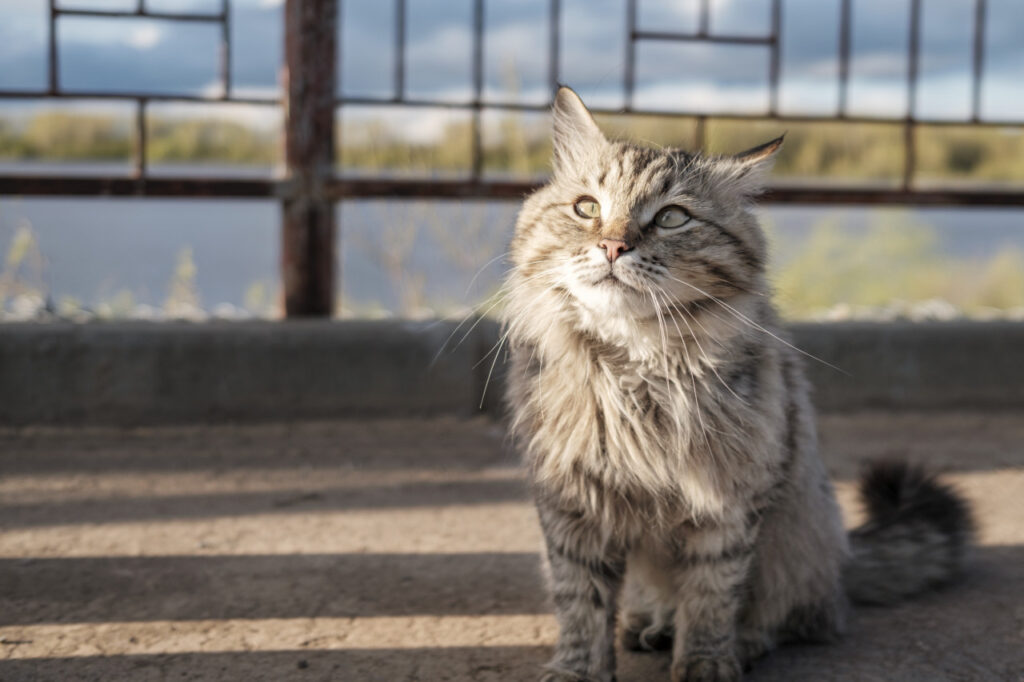
Credit: alexthecatgroomer.com
Frequently Asked Questions
Why Do Old Cats Stop Grooming Themselves?
Old cats may stop grooming due to arthritis, dental issues, or reduced flexibility. Aging can cause discomfort, making grooming difficult. Health problems or cognitive decline also reduce their grooming instincts.
How Can I Help My Senior Cat Groom Better?
Gently brush your senior cat daily to remove loose fur. Provide a comfortable environment and regular vet checkups. Address health issues that may hinder grooming, such as pain or dental problems.
Is Lack Of Grooming A Sign Of Illness In Old Cats?
Yes, poor grooming can indicate illness in older cats. It may signal pain, arthritis, dental problems, or stress. Monitor your cat closely and consult a vet for proper diagnosis and treatment.
Can Grooming Decline Affect An Old Cat’s Health?
Yes, declining grooming habits can lead to matted fur, skin infections, and discomfort. It can also affect their overall hygiene and well-being, making regular grooming support essential.
Conclusion
Old cats may groom less as they age. This change can signal health issues or pain. Watch your cat’s coat and behavior closely. Regular vet visits help catch problems early. Gentle brushing can support your cat’s hygiene. Remember, patience and care make a big difference.
Keep your senior cat comfortable and loved every day. Simple steps improve their quality of life. Stay attentive to their needs and enjoy their company longer.

Leave a Reply