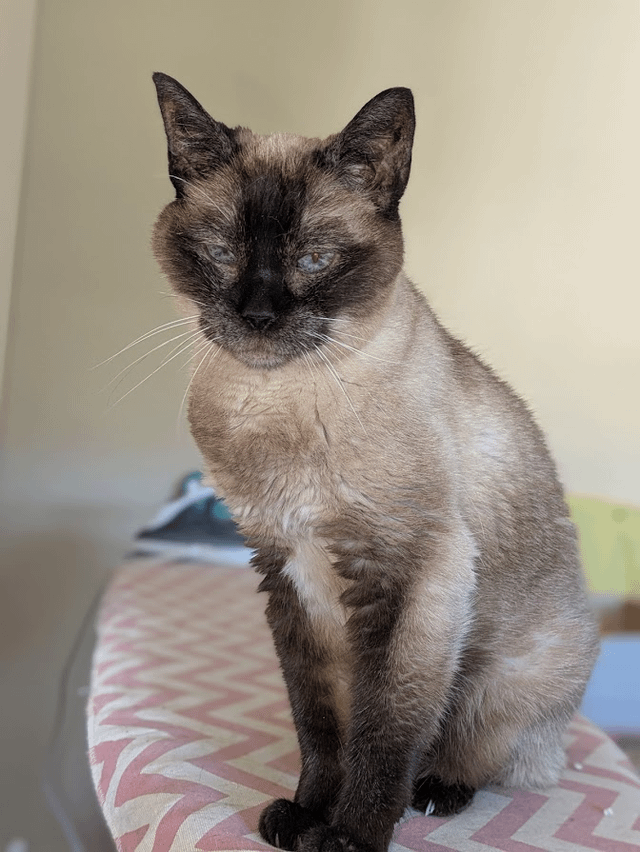
Have you ever noticed how quickly your cat’s health can take a turn for the worse? One day, they seem playful and full of energy, and the next, they appear weak or unwell.
It can be confusing and heartbreaking to watch. Understanding why cats rapidly decline in health is key to helping your furry friend live a longer, happier life. You’ll discover the hidden signs and common causes behind sudden health drops in cats — and what you can do to catch problems early before they become serious.
Keep reading to protect your beloved pet and give them the care they truly deserve.

Credit: www.reddit.com
Common Causes Of Rapid Health Decline
Watching a cat’s health decline rapidly can be heartbreaking and confusing. Understanding the common causes helps you act quickly and effectively. Let’s look at the main reasons behind this sudden change so you can better protect your feline friend.
Infectious Diseases
Infections like feline leukemia virus (FeLV) and feline immunodeficiency virus (FIV) weaken your cat’s immune system fast. These diseases allow other infections to take hold quickly, causing sudden drops in health.
Have you noticed your cat suddenly losing appetite or becoming lethargic? These signs might point to an underlying infection needing urgent veterinary attention.
Chronic Illnesses
Conditions such as kidney disease, diabetes, or hyperthyroidism can worsen rapidly if not managed. Sometimes symptoms seem to appear out of nowhere but are actually signs of a chronic problem spiraling out of control.
Pay attention to changes in drinking habits, weight, or energy levels. Early detection can slow the decline and improve your cat’s quality of life.
Toxins And Poisons
Cats are curious creatures and can ingest harmful substances like household cleaners, certain plants, or human medications. Toxic exposure often causes sudden and severe health drops.
If your cat shows vomiting, drooling, or uncoordinated movements, act fast. Knowing what poisons are common in your home can help you prevent accidental ingestion.
Trauma And Injuries
A fall, fight, or accident can cause internal injuries or fractures that aren’t immediately obvious. Sometimes cats hide their pain until the injury severely affects their health.
Look for limping, swelling, or changes in behavior after any incident. Prompt veterinary care can make a huge difference in recovery.
Nutritional Deficiencies
Poor diet or sudden changes in food can lead to nutrient gaps that weaken your cat’s body. Deficiencies in vitamins and minerals affect vital organs and immune function.
Have you switched your cat’s food recently? Ensuring a balanced diet tailored to your cat’s age and health needs prevents rapid health drops linked to poor nutrition.
Warning Signs Of Health Deterioration
Recognizing early warning signs of health problems in cats is vital. Cats often hide their pain and illness. Spotting subtle changes helps catch issues before they worsen. Careful observation can save your cat’s life.
Changes In Appetite And Weight
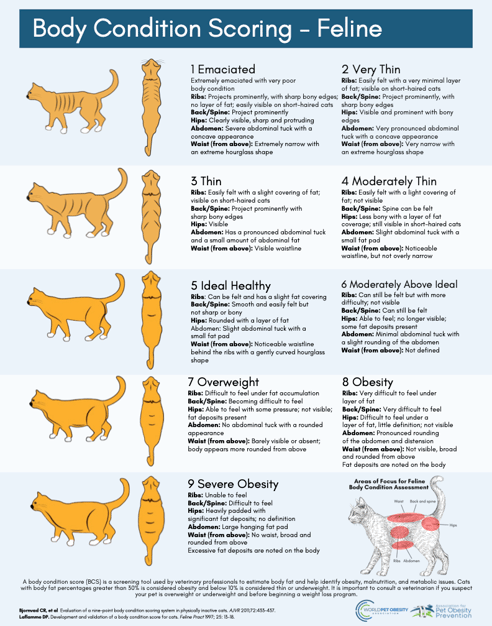
A sudden loss of appetite is a major red flag. Cats refusing food for more than a day need attention. Weight loss or gain without explanation signals underlying health problems. Monitor your cat’s eating habits daily.
Lethargy And Weakness
Unusual tiredness or lack of energy is a warning sign. Cats resting more than usual or struggling to move should be checked. Weakness can indicate infections, organ trouble, or other serious issues.
Breathing Difficulties
Labored or rapid breathing is never normal. Watch for coughing, wheezing, or gasping for air. Breathing problems may show heart or lung conditions. Immediate veterinary care is essential.
Behavioral Changes
A change in social behavior can reveal illness. Cats that hide, become aggressive, or act confused need help. Sudden fearfulness or withdrawal might mean pain or neurological problems.
Visible Physical Symptoms
- Coat dullness or hair loss
- Swelling or lumps on the body
- Discharge from eyes, nose, or mouth
- Vomiting or diarrhea
- Difficulty walking or limping
These signs are clear indicators of declining health. Regular checks ensure early detection and treatment.
Age-related Health Risks In Cats
Cats, like humans, experience health changes as they age. Understanding these risks helps cat owners provide better care. Age-related diseases can rapidly impact a cat’s health. Recognizing early signs can improve their quality of life.
Kidney Disease
Older cats often suffer from kidney disease. The kidneys lose efficiency over time. Symptoms include weight loss, increased thirst, and frequent urination. Early detection and treatment can slow progression.
Heart Conditions
Heart issues are common in senior cats. These conditions can lead to severe health problems. Watch for signs like coughing, lethargy, or trouble breathing. Regular vet check-ups are crucial for early diagnosis.
Arthritis And Mobility Issues
Arthritis affects many aging cats. It causes joint pain and limits movement. Cats may struggle to jump or climb. Providing soft bedding and ramps can help ease discomfort.
Dental Problems
Dental health declines with age. Cats may suffer from gum disease or tooth decay. This can lead to pain and difficulty eating. Regular dental cleanings can prevent serious issues.
Cognitive Dysfunction
Aging cats may show signs of cognitive dysfunction. They might become disoriented or forgetful. Changes in behavior can indicate cognitive decline. Engaging toys and routine can keep their minds active.
Preventive Care To Maintain Cat Health
Preventive care plays a vital role in keeping cats healthy and active. Small daily actions can stop serious health problems. Early attention to health can extend a cat’s life and improve its quality.
Regular Veterinary Checkups
Routine visits to the vet catch illnesses early. Vets check teeth, weight, and overall health. They give advice tailored to your cat’s needs. Regular checkups help detect diseases before symptoms appear.
Balanced Nutrition
Feeding cats the right food supports their immune system. High-quality cat food provides essential vitamins and minerals. Proper nutrition maintains energy, coat health, and organ function. Avoid giving cats harmful human foods or too many treats.
Safe Environment
A secure home reduces risks of injuries and stress. Remove toxic plants, chemicals, and small objects cats could swallow. Provide cozy, quiet spaces for rest. A calm environment helps cats stay mentally and physically well.
Vaccinations And Parasite Control
Vaccines protect cats from dangerous infectious diseases. Parasite control stops fleas, ticks, and worms from causing harm. Follow your vet’s schedule for shots and treatments. This care lowers chances of costly and painful health issues.
Monitoring Behavior And Physical Changes
Watch for changes in eating, drinking, or activity levels. Notice any weight loss, coughing, or unusual lumps. Early detection of problems leads to quicker treatment. Keep a journal of changes to share with your vet during visits.
When To Seek Immediate Veterinary Help
Knowing when to seek immediate veterinary help can save your cat’s life. Rapid health decline can happen suddenly. Some signs show urgent medical attention is needed.
Watch closely for serious symptoms. Acting quickly improves your cat’s chance for recovery. Recognize these critical warning signs and respond without delay.
Severe Breathing Issues
Labored or fast breathing signals distress. Open-mouth breathing or gasping is dangerous. Your cat may struggle to get enough air. This needs urgent veterinary care.
Sudden Collapse Or Seizures
Collapse or seizures are emergency signs. Loss of balance, shaking, or unconsciousness requires immediate help. Do not wait or ignore these symptoms.
Uncontrolled Bleeding
Bleeding that won’t stop is serious. Blood soaking through bandages or pooling needs urgent treatment. Prevent shock by getting veterinary care fast.
Persistent Vomiting Or Diarrhea
Vomiting or diarrhea lasting over 24 hours is dangerous. It can cause dehydration quickly. Immediate veterinary attention is essential to avoid complications.
Extreme Lethargy Or Unresponsiveness
If your cat is very weak or doesn’t respond, act fast. This might indicate severe illness or injury. Immediate veterinary care is critical for survival.
Credit: www.preventivevet.com

Credit: www.reddit.com
Frequently Asked Questions
Why Do Cats Suddenly Lose Health Quickly?
Cats can decline rapidly due to hidden illnesses or infections. Early signs are often subtle. Prompt vet care is essential to prevent worsening conditions and improve recovery chances.
What Are Common Causes Of Rapid Cat Health Decline?
Common causes include kidney disease, diabetes, infections, and cancer. Stress and poor diet may also contribute. Identifying symptoms early helps manage these conditions effectively.
How Can I Spot Rapid Health Decline In Cats?
Look for sudden appetite loss, lethargy, vomiting, or breathing issues. Behavioral changes and hiding are also warning signs. Early detection ensures timely treatment and better outcomes.
Can Diet Affect A Cat’s Rapid Health Decline?
Yes, poor nutrition weakens immunity and worsens health. Balanced diets support organ function and energy levels. Consult a vet for proper dietary recommendations.
Conclusion
Cats can lose health quickly for many reasons. Age, illness, and poor diet play big roles. Early signs often go unnoticed by owners. Regular vet visits help catch problems early. Good care and attention support a cat’s well-being. Watch for changes in behavior or appetite closely.
Acting fast can improve outcomes and comfort. Healthy habits keep cats happy and strong longer. Understanding these factors helps you protect your pet. Care today, for a healthier tomorrow.


Leave a Reply