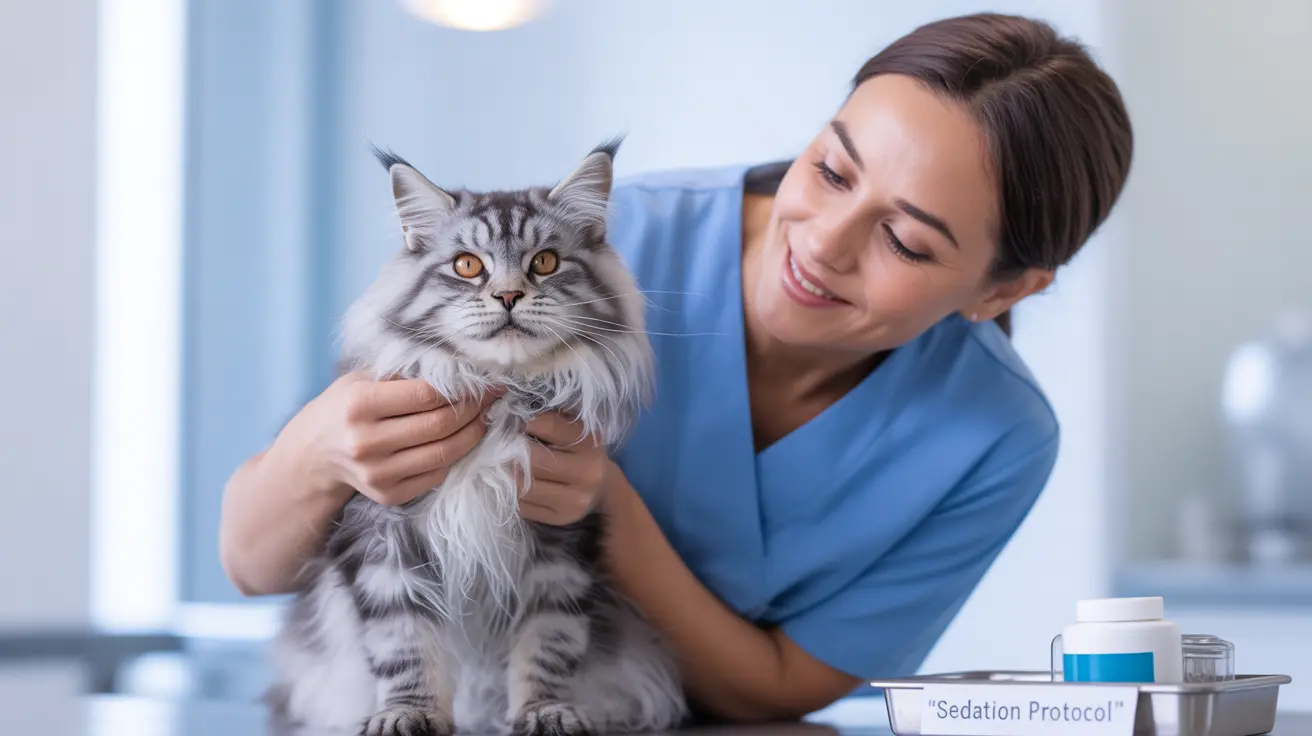
Grooming your cat can sometimes feel like a battle. If your furry friend gets anxious or restless, you might wonder, “How do you sedate a cat for grooming safely?” You’re not alone.
Many pet owners face this challenge and want to keep their cats calm without causing harm. You’ll discover simple, effective ways to help your cat relax during grooming. By the end, you’ll feel confident and ready to make grooming a stress-free experience for both you and your cat.
Keep reading to find out how!
Reasons For Sedating Cats
Understanding why sedation might be necessary during cat grooming is key to making the process safer and more comfortable for both you and your feline friend. Sedation is not about making grooming easier just for you; it’s often about addressing specific challenges that can arise with cats who resist or become stressed during grooming sessions.
Behavioral Challenges
Some cats simply do not tolerate grooming well. They may scratch, bite, or hide, turning a routine grooming session into a stressful event. Sedation can help manage aggressive or fearful behavior, ensuring your cat remains calm and you stay safe.
Have you ever struggled to clip a cat’s nails without getting scratched? Sedation might be the solution that prevents injury and makes grooming a less traumatic experience.
Health And Safety Concerns
Certain medical conditions make grooming risky for cats. For example, cats with arthritis or injuries may experience pain during grooming, leading to sudden movements. Sedation helps keep them still and prevents worsening of injuries.
Moreover, if your cat needs thorough grooming because of matting or skin issues, sedation ensures that the process is done carefully without causing harm. You protect your cat’s health while achieving better grooming results.
Stress Reduction
Grooming can be a highly stressful experience for many cats. Stress can trigger physical symptoms like increased heart rate and even worsen existing health problems. Sedation lowers anxiety, making the session less frightening.
Imagine your cat feeling relaxed instead of terrified while being brushed or bathed. Sedation creates a calmer environment, which can make grooming a positive experience over time.
:strip_icc()/spruce-pets-cat-sedative-travel-9be74a8034364749a2cb205881b103ac.png)
Credit: www.thesprucepets.com
Types Of Sedation Methods
Choosing the right sedation method for grooming your cat depends on several factors like your cat’s temperament, health, and the grooming task’s complexity. Understanding the types of sedation available can help you make an informed decision and ensure a safe and calm experience for your feline friend. Here’s a look at some common sedation options to consider.
Oral Sedatives
Oral sedatives are pills or liquids given by mouth to help calm your cat before grooming. These medications usually take 30 minutes to an hour to start working, so timing is important.
They are often preferred because they’re easy to administer and less stressful than injections. However, some cats may resist taking pills, and the dosage needs to be precise to avoid side effects.
Have you ever tried giving your cat a pill? If yes, you know it can be a challenge, but mixing medication with a tasty treat can sometimes help.
Injectable Sedatives
Injectable sedatives work faster and are often used by veterinarians or professional groomers. The injection is usually given under the skin or into a muscle, causing rapid relaxation.
This method is effective for very anxious or aggressive cats where oral sedatives might not be enough. However, it requires a skilled hand and veterinary supervision to ensure safety.
If your cat has severe anxiety during grooming, injectable sedation might be the best choice, but always discuss risks and benefits with your vet first.
Natural Remedies
Many cat owners prefer natural remedies to avoid pharmaceuticals. These include calming pheromone sprays, herbal supplements, or CBD oil designed specifically for pets.
Natural options can reduce stress gently and are usually safe for most cats, but their effectiveness varies widely. Some cats respond well to these calming aids, while others may need stronger sedation.
Have you tried natural calming products on your cat? Observing your pet’s behavior closely after using these can help you decide if they’re enough for grooming time.
Choosing The Right Sedative
Choosing the right sedative depends on your cat’s health and behavior. Consult a vet to ensure safe and effective sedation for grooming. Proper sedation helps reduce stress and keeps your cat calm during the process.
Choosing the right sedative for grooming a cat is crucial. It ensures the process is safe and stress-free. Not every sedative works for all cats. Factors like health, age, and temperament matter. This section will guide you on how to choose effectively.Consulting A Veterinarian
Always talk to a veterinarian first. They know your cat’s health history. This helps in choosing the safest option. A vet can also explain how the sedative works. They provide valuable insights into potential side effects. Consulting a vet ensures peace of mind.Considering Cat’s Health
A cat’s health influences sedative choice. Check for any pre-existing conditions. Conditions like heart problems may limit options. Age is another critical factor to consider. Older cats may react differently to sedatives. A thorough health check helps in making an informed decision.Dosage Guidelines
Correct dosage is vital for safety. Follow the vet’s dosage instructions closely. Never guess the amount needed. Overdosing can harm your cat. Under-dosing may not calm them enough. Always measure the sedative accurately. Use a syringe or a dropper for precision.
Credit: services.petsmart.com
Preparing Your Cat For Sedation
Preparing your cat for sedation is a careful process. It helps ensure your cat stays safe and calm during grooming. This preparation reduces stress and risks linked to sedation. Understanding each step prepares you and your cat for a smooth experience.
Pre-sedation Fasting
Fasting before sedation is important. It prevents vomiting and choking during the procedure. Usually, cats should not eat for 8 to 12 hours before sedation. Water can be given up to a few hours before. Always follow your vet’s specific advice on fasting times.
Creating A Calm Environment
A quiet and calm space helps your cat relax. Keep noise low and avoid sudden movements. Use soft lighting and familiar bedding or toys. Speak softly and handle your cat gently. This reduces anxiety and makes sedation easier to manage.
Monitoring Vital Signs
Check your cat’s health before sedation. Your vet will monitor heart rate, breathing, and temperature. This ensures your cat is fit for sedation. Keep a close watch during grooming for any changes. Proper monitoring helps prevent complications and keeps your cat safe.
Administering Sedation Safely
Administering sedation to a cat for grooming requires careful attention to safety. Sedation can calm a nervous or aggressive cat, making grooming less stressful for both of you. However, the process must be handled with precision to avoid risks and ensure your cat’s well-being.
Proper Techniques
Start by consulting your veterinarian before giving any sedative. They can recommend the right type and dose based on your cat’s health and temperament.
Always use medications prescribed specifically for your cat. Follow the dosage instructions exactly—overdosing can be dangerous, and underdosing may not provide enough calming effect.
Give the medication with food if advised. This can reduce stomach upset and help the sedative absorb better.
Avoiding Common Mistakes
- Never use human medications or over-the-counter drugs without veterinary advice. They can be toxic to cats.
- Don’t guess the dose. Cats vary widely in size and health, so what works for one may harm another.
- Avoid sedating a cat that is ill, pregnant, or elderly without vet approval. Their bodies may react unpredictably.
- Don’t leave your cat unattended after sedation. Monitor breathing, responsiveness, and temperature closely.
When To Seek Professional Help
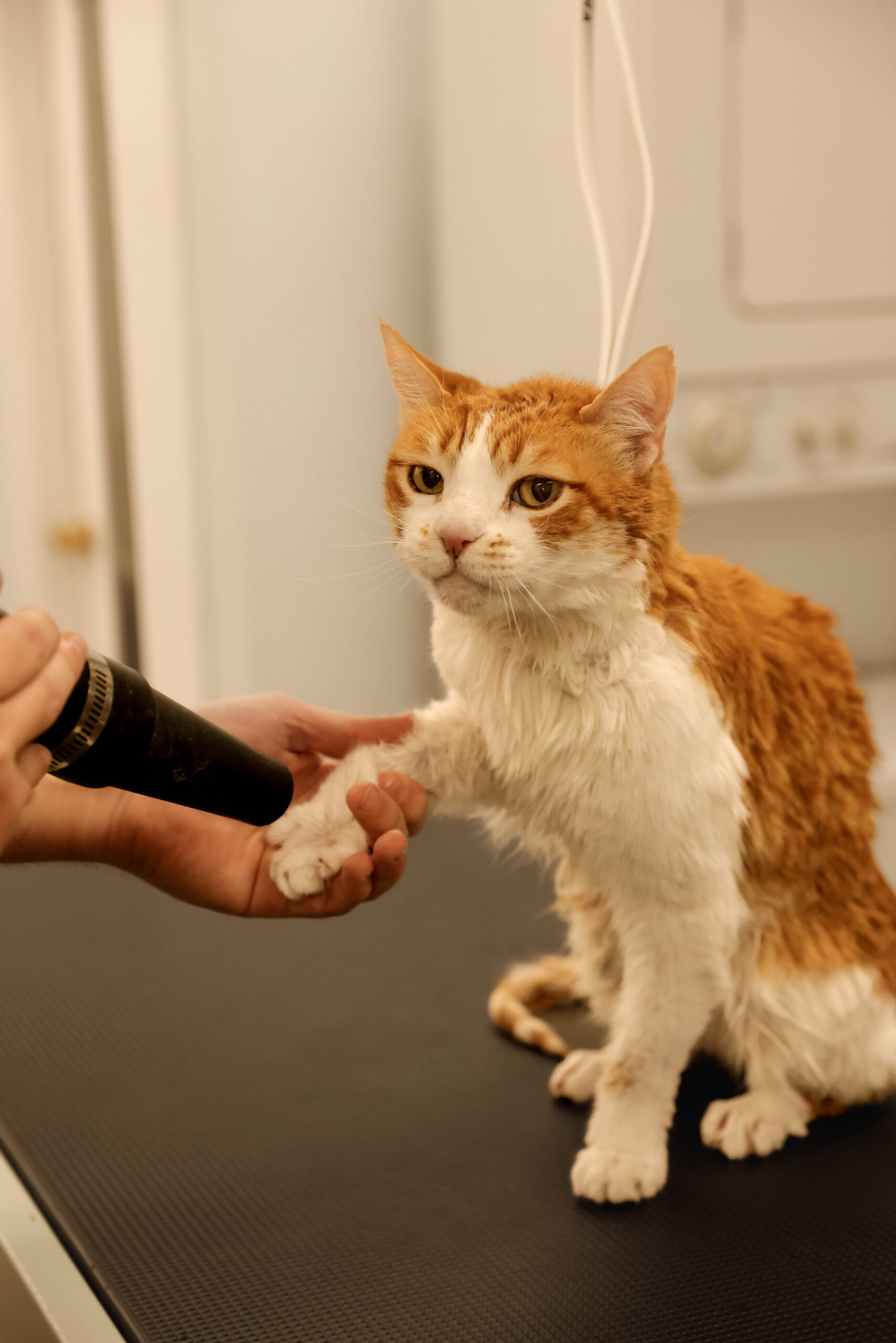
If your cat is extremely anxious or aggressive, professional grooming with sedation is safer. Groomers trained in handling stressed cats can often sedate with veterinary supervision.
Health conditions like heart problems or respiratory issues require expert evaluation before sedation. Your vet might suggest alternative grooming solutions.
Have you ever tried sedating your cat at home and felt unsure? It’s okay to ask for help. Prioritizing your cat’s safety over convenience is always the right choice.
Credit: dapperdoggery.com
Aftercare Following Sedation
After sedating your cat for grooming, the care you provide is crucial for a safe and smooth recovery. Your attention during this period can prevent complications and ensure your feline friend feels comfortable and secure. Let’s look at the key parts of aftercare you should focus on right after sedation.
Monitoring Recovery
Keep a close eye on your cat as they wake up from sedation. Watch for steady breathing and responsiveness. It’s normal for your cat to be groggy, but they should gradually become more alert within an hour.
Place your cat in a quiet, warm spot to rest. Avoid loud noises or sudden movements that might startle them. Check their temperature gently; a slight drop can happen, but if it stays low, it’s a warning sign.
Managing Side Effects
Some cats may experience mild side effects like nausea, drooling, or unsteady movements. These usually pass within a few hours. Offer small amounts of water first, then food once your cat seems ready.
If your cat vomits or refuses to eat for more than 12 hours, take note. Keep an eye on any unusual behaviors like excessive panting or weakness. These signs can indicate the sedation is affecting them more than expected.
When To Contact A Vet
Knowing when to call your vet can make all the difference. Reach out immediately if your cat has trouble breathing, seizures, or remains unresponsive for too long. Persistent vomiting, bleeding, or swelling at the sedation site also require urgent attention.
Don’t hesitate to ask questions or seek advice. Your vet can provide guidance tailored to your cat’s specific needs. Would you feel confident handling these signs at home, or is having vet support nearby a must for you?
Alternatives To Sedation
Sedating a cat for grooming isn’t the only option, especially if you’re concerned about the risks or want a gentler approach. There are several alternatives that can make grooming less stressful for both you and your feline friend. These options focus on patience, the right tools, and professional help to keep your cat calm and comfortable.
Behavioral Training
Training your cat to accept grooming can save a lot of stress over time. Start by gently introducing your cat to grooming tools during calm moments, rewarding them with treats and praise.
Short, consistent sessions help build trust and reduce fear. Have you tried turning grooming into a positive experience by pairing it with your cat’s favorite treats?
Using Grooming Tools
The right tools can make grooming easier and less invasive, reducing the need for sedation. For example, soft-bristle brushes and grooming gloves are less intimidating and can gently remove loose fur.
Tools like dematting combs or nail grinders designed for cats can minimize discomfort. Investing in these can transform grooming into a quick, stress-free routine.
Professional Grooming Services
Sometimes, relying on a professional groomer who understands cat behavior is the best choice. Groomers often use calming techniques and have experience handling anxious cats safely.
Choosing a groomer skilled in gentle handling can help avoid sedation altogether. Have you considered talking to a professional about your cat’s specific needs before deciding on sedation?
Frequently Asked Questions
How Can I Safely Sedate My Cat For Grooming?
Consult your vet before sedating your cat. Use vet-approved sedatives only. Never sedate without professional guidance to ensure safety and effectiveness.
What Are Common Sedatives Used For Cat Grooming?
Common sedatives include gabapentin, acepromazine, and trazodone. These help calm cats during grooming. Always use under veterinary supervision for proper dosage and safety.
When Is Sedation Necessary For Cat Grooming?
Sedation is needed if cats are aggressive, anxious, or uncooperative. It ensures safe and stress-free grooming sessions. Always consult your vet before deciding on sedation.
Are There Natural Alternatives To Sedate Cats For Grooming?
Yes, options like pheromone sprays, calming collars, and herbal supplements exist. These reduce stress mildly but may not work for all cats. Discuss natural options with your vet first.
Conclusion
Sedating a cat for grooming requires care and expert advice. Always ask your vet before giving any medicine. Use only safe products made for cats. Stay calm and gentle to keep your cat relaxed. Watch for any signs of discomfort or trouble.
Remember, proper sedation helps with stress-free grooming. Your cat’s safety and comfort come first. Taking these steps makes grooming easier and safer. Trust professionals to guide you through the process. Good grooming keeps your cat healthy and happy.


Leave a Reply