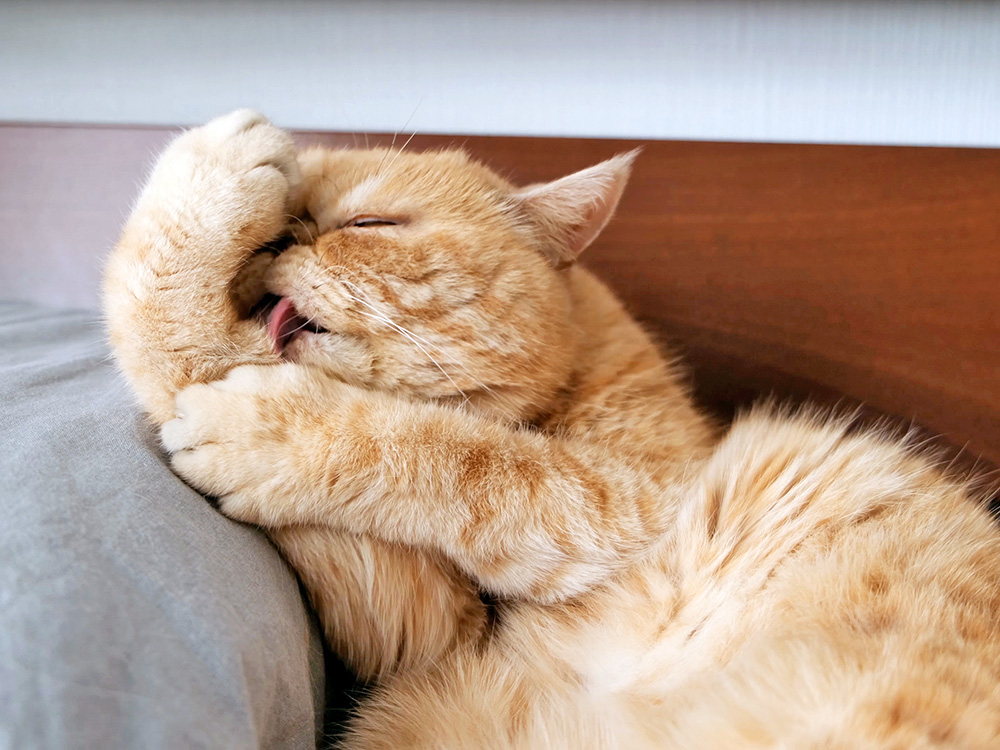
Have you ever watched your cat spend a lot of time licking its fur and wondered, “What does it mean when a cat grooms itself?” You might think it’s just about staying clean, but there’s much more behind this common behavior. Understanding why your cat grooms can reveal secrets about its health, mood, and even how it feels about you.
Keep reading, and you’ll discover surprising reasons that will help you connect with your feline friend like never before.
Reasons Cats Groom
Cats spend a surprising amount of time grooming themselves. This behavior isn’t just about looking good—it serves several important purposes. Understanding why your cat grooms can help you better care for their needs and recognize when something might be off.
Hygiene And Cleanliness
Grooming helps cats keep their fur clean and free from dirt, parasites, and loose hair. This daily routine removes debris and spreads natural oils throughout their coat, making it shiny and healthy. Have you noticed how your cat’s fur feels softer after a grooming session? That’s their way of maintaining cleanliness and skin health.
Temperature Regulation
When cats lick their fur, the saliva evaporates and cools them down, much like sweating in humans. This process is especially helpful during hot weather or after vigorous play. You might see your cat grooming more on warm days—this is their natural way to stay comfortable.
Stress Relief
Grooming can act as a calming activity for cats. When they feel anxious or stressed, licking themselves helps reduce tension and promotes relaxation. Have you ever seen your cat groom intensely after a loud noise or a visit to the vet? It’s their way of coping with stress and regaining a sense of calm.

Credit: www.purina.com
Grooming And Social Behavior
Cats grooming themselves is more than cleaning their fur. It plays a key role in their social life. Grooming helps cats connect with each other and with their humans. It also shows their feelings and intentions clearly.
Bonding With Other Cats
Cats often groom each other in groups. This behavior is called allogrooming. It builds trust and strengthens friendships. Cats lick around the head and neck, places hard to reach alone. This sharing of grooming helps reduce stress and creates a calm environment.
Marking Territory
When cats groom, they spread their scent. Their saliva contains unique smells that mark their body. This scent tells other cats, “This is my space.” Grooming helps cats feel safe and secure in their home. It can also warn other cats to stay away.
Seeking Attention
Sometimes, cats groom in front of their owners. This action can be a way to ask for attention. It shows they feel comfortable and want to interact. Grooming near humans also creates a bond and invites petting or play.
Health Signals In Grooming
Cat grooming shows its health and mood. Regular licking keeps fur clean and skin healthy. Over-grooming may signal stress or illness.
Cats are known for their meticulous grooming habits. It’s more than just keeping clean. Grooming plays a crucial role in their health. Observing your cat’s grooming can reveal vital health signals. Let’s explore what these signals mean.Signs Of Illness
A sudden stop in grooming might indicate a health issue. Cats usually groom daily. If they stop, it might mean they’re unwell. Look for other signs like lethargy or loss of appetite. These could suggest your cat needs a vet’s attention.Overgrooming And Skin Problems
Cats sometimes groom too much. This is called overgrooming. It can lead to bald spots or sores. Overgrooming often points to allergies or stress. Check your cat’s skin for redness or irritation. These are clear indicators of a problem.Changes In Grooming Patterns
Notice any changes in grooming routines? Pay close attention. Cats might groom less due to dental pain or arthritis. They might avoid certain areas due to discomfort. Changes in grooming can be the first sign of underlying conditions. Always monitor these patterns closely. Understanding these grooming signals can help maintain your cat’s health.
Credit: www.reddit.com
Grooming Tools And Techniques
Cats have a unique set of grooming tools and techniques that keep them clean and comfortable. Their grooming is not just about looking good; it plays a crucial role in health and well-being. Understanding how they use their body parts during grooming can give you deeper insight into your cat’s behavior and needs.
Use Of Tongue And Teeth
Your cat’s tongue is a natural brush covered with tiny, hook-like structures called papillae. These hooks help remove loose fur, dirt, and parasites effectively. The rough texture is perfect for untangling fur and stimulating skin.
Teeth also play a part, especially when your cat tackles mats or tough dirt spots. You might see your cat biting gently at fur or skin, which helps in loosening debris or knots. Have you noticed how cats sometimes nibble at their fur? It’s a precise way to manage hard-to-reach areas.
Role Of Paws In Grooming
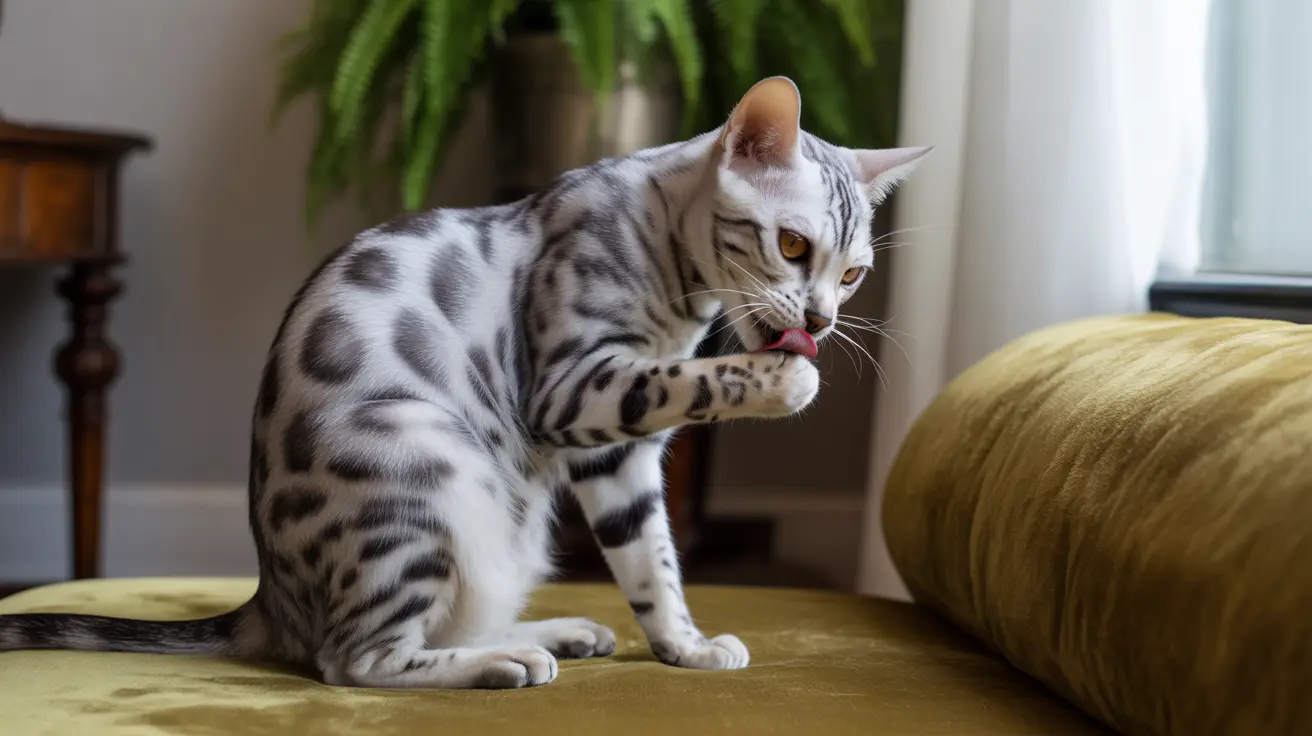
Paws act like little cleaning tools during grooming. Cats lick their paws and then rub their face and head with them. This method cleans areas the tongue can’t easily reach.
The moisture from the saliva on the paw helps catch dust and dirt from the fur. You might see your cat pause and carefully lick each paw before wiping their face. It’s a clever way to extend their grooming reach and keep their face spotless.
When To Be Concerned
Not all grooming is harmless. Sometimes, your cat’s self-cleaning routine can signal stress or health issues. Knowing when to be concerned helps you protect your feline friend from discomfort or illness.
Excessive Grooming Indicators
Watch for bald patches or red, irritated skin. These spots often mean your cat is over-grooming a particular area.
If you notice your cat licking or biting the same spot repeatedly, it could be a sign of pain or anxiety. Excessive grooming might also lead to sores or scabs, which need immediate attention.
Ask yourself: Has your cat’s grooming time increased dramatically? Are they grooming to the point of losing fur? These are clear signals to consult a vet.
Behavioral And Environmental Triggers
Stressful changes like moving to a new home or adding a new pet can trigger over-grooming. Cats often use grooming as a way to calm themselves, but too much can harm their skin.
Environmental factors such as allergies or fleas can also cause your cat to groom excessively. Even subtle changes in diet or household cleaning products might irritate their skin.
Consider your cat’s daily routine. Has something changed recently? Your cat’s grooming behavior can reveal hidden discomforts or emotional struggles you might have missed.
Credit: www.petscare.com
Frequently Asked Questions
Why Do Cats Groom Themselves Frequently?
Cats groom themselves to stay clean, remove dirt, and control body temperature. Grooming also reduces stress and strengthens their bond with their environment.
What Does Excessive Grooming In Cats Indicate?
Excessive grooming may indicate stress, allergies, or skin infections. It’s important to consult a vet if your cat grooms too much.
How Does Grooming Benefit A Cat’s Health?
Grooming removes loose fur and dirt, preventing skin problems. It also promotes circulation and helps regulate body temperature for better health.
Can Grooming Be A Sign Of Anxiety In Cats?
Yes, cats may groom excessively when anxious. This behavior helps them calm down but can lead to bald spots or skin irritation.
Conclusion
Cats groom themselves to stay clean and healthy. This behavior helps them remove dirt and loose fur. Grooming also calms cats and lowers stress. Sometimes, grooming shows a cat feels safe and comfortable. Watch your cat’s grooming habits to spot any changes.
Changes might mean your cat feels sick or stressed. Understanding grooming helps you care better for your pet. A clean and happy cat often means a loving home. Keep observing, and enjoy your cat’s unique personality.

Leave a Reply